.png)





.png)

Here on the Western Slope, we need home comfort systems that can handle our dynamic Colorado climate, from hot summer afternoons to crisp, cold winters. A mini split is an incredibly efficient and flexible option perfectly suited for our weather. If you’re considering this upgrade, your main question is likely about the bottom line. This guide is here to demystify the cost of a mini split system for 1000 sq ft. We will walk through all the variables, from the number of rooms you need to cover to your home’s specific layout, giving you a realistic financial roadmap.
Key Takeaways
- Budget for both the unit and professional labor: Your total cost, typically $3,000 to $10,000 for a 1,000 sq ft home, covers the physical equipment and the essential installation work needed for safe, efficient operation.
- Look beyond square footage for correct sizing: The right system power (BTU) depends on factors like insulation, windows, and our Colorado climate, ensuring your unit runs efficiently without wasting energy or sacrificing comfort.
- Use zoning to manage costs and comfort: Mini splits let you heat and cool individual rooms independently, which means you only use energy where you need it, leading to lower utility bills and personalized comfort.
What is a Mini Split and How Does It Work?
If you've ever wished you could control the temperature in just one room without affecting the whole house, a mini split system might be exactly what you need. In simple terms, a mini split is a heating and cooling system that operates without bulky ductwork. It uses an outdoor unit connected to one or more indoor units, giving you direct temperature control over individual rooms or "zones." This setup is perfect for homes without existing ducts, new additions, or simply for anyone looking to create more personalized comfort throughout their space.
The Key Components of a Mini Split
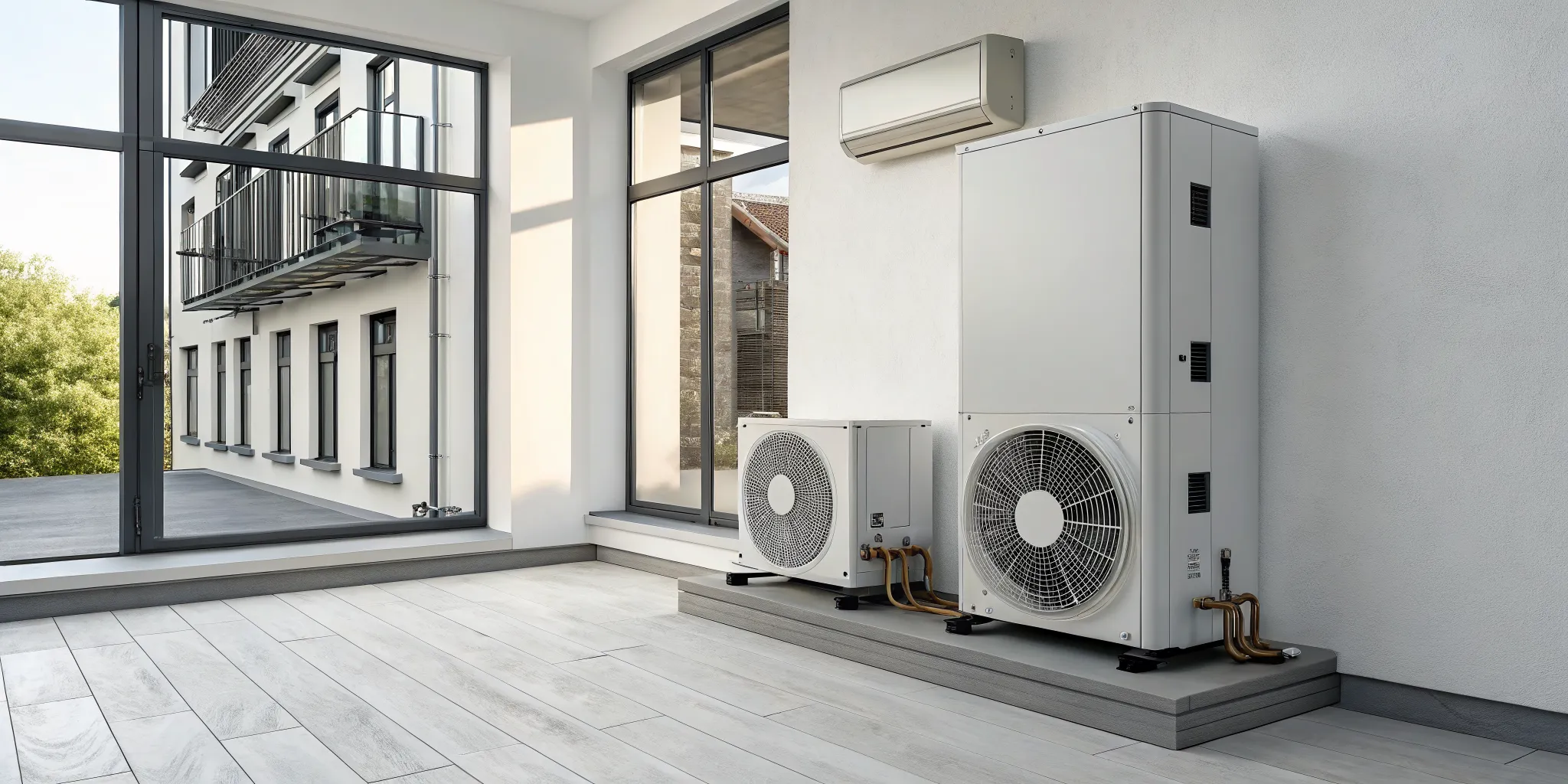
A mini split system has two main parts that work together to keep you comfortable. Outside your home, you have the compressor/condenser unit, which is the powerhouse of the system. Inside, you have one or more air-handling units mounted on a wall or ceiling. These are the sleek, quiet units that deliver warm or cool air directly into the room. The two components are connected by a small conduit containing refrigerant lines, which move heat between the indoor and outdoor units. This simple, direct connection is what makes the system so efficient.
The Benefits of Going Ductless
Choosing a ductless mini split comes with some fantastic advantages. First, they are incredibly energy-efficient. Because they don't lose air through leaky ducts, more of the energy they use goes directly into heating or cooling your room. This often results in lower monthly utility bills, and many models are recognized by the ENERGY STAR program for their high efficiency. Beyond that, these systems offer superior comfort. You can set different temperatures in different rooms, ending the thermostat wars for good. They are also known for their whisper-quiet operation, so you’ll barely notice they’re running. This combination of efficiency, flexibility, and quiet comfort makes them a smart choice for many homeowners.
How Much Does a Mini Split Cost for a 1,000 sq ft Home?
One of the first questions homeowners ask is, "What's the bottom line?" When it comes to installing a mini-split system in a 1,000-square-foot home, the total investment can range from about $3,000 to $10,000. That might seem like a wide range, but it’s because every home on the Western Slope has its own unique layout and needs.
This total price tag isn't just for the unit itself. It’s a combination of two key things: the cost of the physical equipment and the cost of professional installation. Think of it like buying a car; you have the sticker price, but you also have to account for getting it properly set up and ready to drive. Understanding how these two parts come together will give you a much clearer picture of what to expect for your home. Let's break down what goes into that final number.
Breaking Down Equipment Costs
The equipment itself is your first major expense. For a 1,000-square-foot space, the price of the mini-split unit depends heavily on whether you need a single-zone or multi-zone system. A single-zone system, designed to heat and cool one open area, will be on the lower end of the cost spectrum. If you need to control the temperature in two to four separate rooms, you’ll need a multi-zone system, which includes one outdoor unit connected to multiple indoor heads. This setup naturally comes with a higher price tag. The brand you choose and the system's energy efficiency rating also play a big role in the final equipment cost.
Factoring in Professional Installation
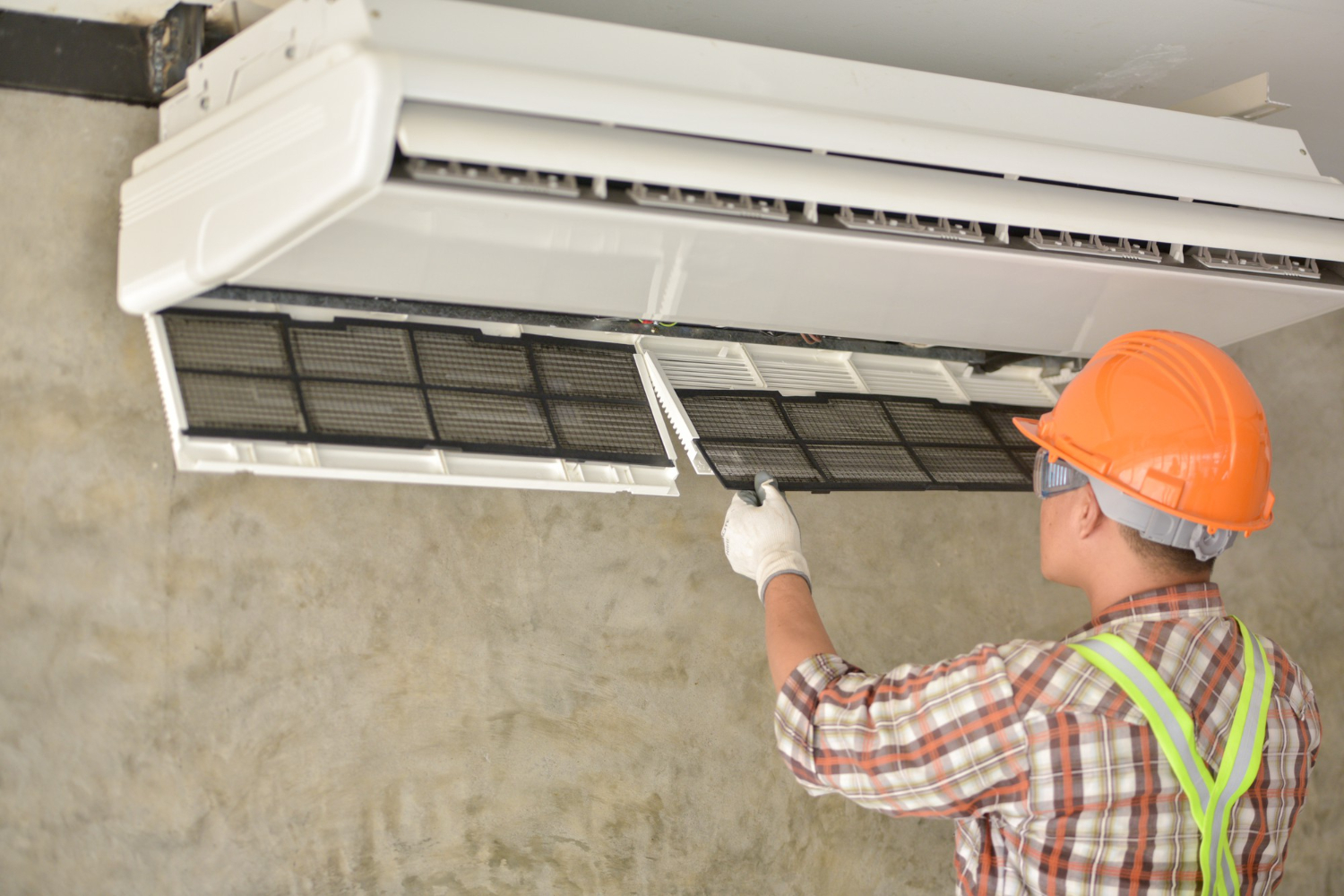
Professional installation is not a corner you want to cut. In fact, labor typically accounts for 30% to 50% of your total project cost. A skilled technician ensures your system runs safely, efficiently, and in a way that protects your warranty. An installation can take anywhere from five to ten hours, with hourly rates for a certified HVAC technician usually falling between $75 and $150. This process involves carefully mounting the indoor and outdoor units, running refrigerant lines through your walls, and making sure all the electrical connections are secure. It’s a detailed job that requires specific tools and expertise to get just right, ensuring you get the performance you paid for.
Estimating Your Total Investment
When you combine the equipment and professional labor, you land in that $3,000 to $10,000 total range for a complete installation. Remember, this is an estimate. The final price can shift based on the specific complexities of your home. For example, if your electrical panel needs an upgrade to handle the new system or if the placement of the units is particularly challenging, the cost may be higher. The best way to get a precise number is to have a professional assess your space. We can provide a customized quote that reflects your home’s layout, your comfort goals, and the right system for our Colorado climate.
What Factors Influence the Final Price?
When you start looking at mini split systems, you'll quickly see that the final cost is more than just the price of the unit itself. Several key factors come together to determine your total investment, and understanding them will help you budget accurately and choose the right system for your home. Think of it less as a single purchase and more as a custom solution tailored to your space.
The price can shift based on how many rooms you need to heat and cool, the brand you choose, and the unit's energy efficiency. The unique layout of your home also plays a significant role. A straightforward installation in a newer home will look very different from a complex setup in an older house that might need electrical updates. By breaking down these variables, you can get a much clearer picture of what to expect and feel confident that you're making a smart choice for your comfort and your wallet. Let's walk through the main elements that shape the final price.
How Many Zones (or Rooms) You Need
One of the biggest factors in the cost of a mini split system is the number of "zones," or individual rooms, you want to heat and cool. A single-zone system, designed for one open area like a studio apartment or a large living room, is the most straightforward and affordable option. If you're looking to cover multiple rooms, you'll need a multi-zone system, which connects several indoor units to a single outdoor compressor. The more indoor units you add, the higher the equipment and installation costs will be. For example, a dual-zone system for two rooms will naturally cost more than a single-zone setup.
Choosing the Right Brand and Model
Just like with any major appliance, the brand and model you select will influence the price. Well-known brands often come with a higher price tag, but they also tend to offer better warranties, more advanced features, and proven reliability. Fancy features like ultra-quiet operation, smart home compatibility that lets you control the temperature from your phone, or advanced air filtration systems also add to the cost. As an exclusive Daikin dealer, we often recommend their systems for their high efficiency and smart technology, which can lead to more comfortable living and better energy management. You can explore different HVAC solutions to find the perfect fit for your home's needs.
Understanding Energy Efficiency Ratings (SEER2)
The energy efficiency of a mini split is measured by its SEER2 (Seasonal Energy Efficiency Ratio 2) rating. A higher SEER2 rating means the unit uses less energy to cool your home, which translates to lower monthly electricity bills. While systems with higher SEER2 ratings typically have a higher upfront cost, they can provide significant returns over the unit's 15 to 20-year lifespan. For a 1,000-square-foot home, you'll often see units with SEER2 ratings between 17 and 20.5. Investing in a more efficient model is a great way to manage long-term operating costs, and you can learn more about what makes a system efficient from resources like Energy Star.
Installation Complexity and Your Home's Wiring
No two installations are exactly alike, and the specific characteristics of your home can affect the final price. Factors like the length of the refrigerant lines needed to connect the indoor and outdoor units, the difficulty of placing the outdoor unit, or the need for a special pump to handle condensation can all add to the labor and material costs. Furthermore, your home's electrical system is a major consideration. Older homes on the Western Slope may not have the wiring or circuit breaker capacity to support a modern mini split, requiring an electrical upgrade. This is why getting a professional assessment from our team at Cooley's is so important for an accurate and safe installation.
How Much Power Do You Need for 1,000 Square Feet?
When you're looking at mini split systems, one of the first things you'll encounter is a measurement called BTU, or British Thermal Unit. Think of it as the system's power rating. For a 1,000-square-foot space, a common recommendation is a system with around 18,000 to 24,000 BTUs. However, this is just a starting point. The right amount of power for your home depends on much more than just square footage.
Factors like your home's insulation, the number and quality of your windows, ceiling height, and even how much direct sunlight your rooms get all play a significant role. A well-insulated home with new windows will hold its temperature much better than an older, drafty house, meaning it will require less power to heat and cool. That's why getting a professional assessment is so important. We can look at your home's unique layout and features to determine the precise power you need for year-round comfort without wasting energy.
Calculating Your Home's BTU Needs
A British Thermal Unit (BTU) is the amount of energy needed to raise the temperature of one pound of water by one degree Fahrenheit. In HVAC terms, it measures how much heat a unit can remove from a room (for cooling) or add to it (for heating). While online calculators can give you a rough estimate, they can't account for your home's specific conditions. For example, a 1,000-square-foot home with poor insulation or lots of single-pane windows might need as much as 36,000 BTUs to stay comfortable. An accurate BTU calculation is the foundation of an efficient system.
Why Colorado's Climate Matters for Sizing
Here on the Western Slope, we know our weather can be unpredictable. We get beautiful, hot summer days and cold, snowy winters. This wide range of temperatures makes proper system sizing especially critical. A mini split needs to be powerful enough to keep you warm when a winter storm rolls through but not so oversized that it's inefficient during a mild spring day. Sizing a system for the Colorado climate means finding that perfect balance to handle our most extreme weather without sacrificing efficiency the rest of the year. This is where local expertise makes all the difference.
How Proper Sizing Affects Your Cost
Getting the size of your mini split just right is one of the most important things you can do for your comfort and your wallet. An undersized system will constantly struggle to keep up, running nonstop on the hottest and coldest days. This not only drives up your energy bills but also puts extra strain on the equipment, leading to a shorter lifespan. On the other hand, an oversized system will turn on and off too frequently, a process called "short-cycling." This wastes energy and prevents the system from properly dehumidifying your home, leaving you feeling cool but clammy. Proper sizing ensures your system runs efficiently, keeps you comfortable, and helps manage your monthly utility costs.
Single-Zone vs. Multi-Zone: Which is Right for You?
One of the biggest decisions you'll make when choosing a mini split is whether to go with a single-zone or multi-zone system. The right answer really comes down to your home’s layout and how you live in it. A single-zone system uses one outdoor unit connected to one indoor unit to heat or cool a specific area, like a living room or a master bedroom. In contrast, a multi-zone system connects one outdoor unit to several indoor units, letting you control the temperature in different rooms independently. This "zoning" capability is one of the main reasons people love ductless systems, as it offers a level of control that traditional central air systems often can't match without complex and expensive modifications.
Before making a choice, think about your home's unique needs. Are you trying to cool a new sunroom that gets too hot in the summer? Or are you looking to create different temperature zones throughout your entire house so everyone in the family is comfortable? Maybe the upstairs is always warmer than the downstairs, or you want to save energy by not heating or cooling guest rooms when they're empty. Understanding the difference between these two setups is the first step to finding the perfect fit for your comfort and your budget.
The Pros of a Single-Zone System
A single-zone mini split is a straightforward and cost-effective solution for controlling the climate in one specific area. If you have an open-concept living space, a studio apartment, or a recently finished basement or garage, this is often the perfect choice. Because it focuses on a single space, it’s highly efficient and generally more affordable to install, with total costs often falling between $2,500 and $6,000. This makes it an excellent option for targeted heating and cooling without committing to a whole-home system. Our team can help you determine if a single-zone unit is the right HVAC solution for your space.
When to Choose a Multi-Zone System
If your goal is to create personalized comfort in several different rooms, a multi-zone system is the way to go. This setup is ideal for homes with multiple bedrooms, a home office, or any layout where family members have different temperature preferences. Each indoor unit can be controlled separately, so you can keep the living room comfortable while the bedrooms stay cooler at night. While the initial investment is higher, the ability to customize your comfort room by room is a major advantage. It's also worth noting that in some cases, installing two or three separate single-zone systems might be more practical. A professional consultation can help you weigh the options for your home's specific layout.
Comparing Mini Split Brands on Price and Performance
When you start shopping for a mini split, you’ll quickly see there are a lot of brands to choose from. The brand you pick plays a big role in the upfront cost, but it also affects your system's performance, reliability, and how much you'll spend on energy bills down the road. It’s not just about finding the cheapest option; it’s about finding the right fit for your home, your budget, and your comfort goals. Some brands are known for their cutting-edge technology and top-tier efficiency, while others focus on providing solid, no-frills performance at a more accessible price point.
As a Daikin dealer, we have a deep understanding of what makes a quality system. We believe in installing equipment that we know will perform reliably for our customers for years to come. However, our goal is to help you make an informed decision that feels right for you. That means understanding the landscape of different brands and what each one brings to the table. We’ll walk you through how a premium brand like Daikin compares to other popular options and what you should look for in terms of warranties and long-term value. This will help you feel confident in your investment and choose a system that keeps your home comfortable for years.
A Look at Daikin Mini Split Systems
Daikin is a leader in the HVAC industry, known for its focus on innovation and exceptional energy efficiency. Their mini split systems often feature higher SEER2 ratings, which means they use less electricity to cool your home. Many models also come with smart home features, allowing you to control your home’s temperature from your phone. While Daikin systems typically have a higher upfront cost, that initial investment often translates into lower monthly energy bills and a more comfortable home. As an exclusive Daikin dealer, we trust their equipment to deliver consistent, quiet, and reliable performance for our Western Slope customers.
How Other Leading Brands Stack Up
Of course, Daikin isn't the only name in the game. Brands like Goodman, for example, offer a great balance of performance and affordability. A Goodman system can be a fantastic value, providing reliable heating and cooling with a strong 10-year warranty for peace of mind. The main trade-off is that you might not get the same peak efficiency ratings or advanced smart features that come with a premium brand. The right choice really depends on your priorities. If your main goal is a lower initial cost from a dependable brand, there are excellent options available.
Considering Warranties and Long-Term Value
Regardless of the brand you choose, don't overlook the warranty. A strong warranty is a sign that the manufacturer stands behind its product and protects you from unexpected repair costs. But the true value of a mini split system goes beyond the warranty. Because they are so efficient and allow you to create different temperature zones, they can significantly reduce your energy consumption. While the initial price tag might seem high, it's helpful to view it as a long-term home investment. Over years of lower utility bills and customized comfort, a quality mini split system more than pays for itself.
What Installation Challenges Can Add to the Cost?
The price of your mini split equipment is just one part of the equation. Your home's unique layout and condition can introduce installation challenges that affect the final cost. A straightforward installation costs less than a complex one requiring custom solutions. Understanding these potential hurdles helps you form a realistic budget. Here are a few common factors our technicians consider.
Electrical Upgrades and Local Permits
A mini split system requires a dedicated electrical circuit. Older houses may have outdated wiring or panels that can't handle the load, requiring an upgrade at an additional cost. Most HVAC installations also require local building permits to ensure the work meets safety standards. These fees are typically included in the final project cost.
Choosing the Best Mounting Locations
Where you place the indoor and outdoor units directly impacts your system's performance. An indoor unit installed near a heat source or in a poorly ventilated spot will work harder than necessary, reducing its efficiency. The outdoor unit also needs a stable surface with proper airflow. A professional installer knows how to identify the optimal locations that balance performance and aesthetics. This careful placement ensures your system runs effectively without wasting energy.
The Complexity of Refrigerant Lines
The indoor and outdoor units are connected by a set of lines that carry refrigerant. Longer or more complex runs require more materials and labor, influencing the cost. It’s also crucial that these lines are handled correctly to avoid kinks and are properly insulated to prevent energy loss. The technical skill needed to manage refrigerant lines is a key reason why professional installation is so important for the system’s long-term health.
Planning for Long-Term Maintenance
While not an upfront installation charge, planning for future maintenance is a vital part of your investment. To keep your mini split running at its best, it needs regular attention. This includes cleaning filters monthly and scheduling an annual professional tune-up to inspect the system. Factoring in a maintenance plan from the start is the best way to protect your new system and ensure it operates efficiently for years to come.
How Can a Mini Split Affect Your Energy Bills?
One of the biggest questions homeowners have is how a new system will impact their monthly budget. When it comes to mini splits, the news is good. These systems are designed from the ground up for high efficiency, which translates directly to lower utility bills. Unlike traditional central air systems that often lose a significant amount of energy through ductwork, mini splits deliver conditioned air directly into the room. This ductless design, combined with modern technology, means less wasted energy and more money in your pocket each month.
The key is their ability to provide zoned heating and cooling. Instead of paying to keep your entire home at one temperature, you can focus on the rooms you actually use. This targeted approach is not only more comfortable but also much more efficient. By understanding how this efficiency works, you can see how a mini split is a smart investment for your home’s long-term operating costs.
Comparing Efficiency: Mini Splits vs. Traditional HVAC
Think of it like lighting your home. You wouldn't turn on every single light just to read a book in the living room. Yet, many traditional HVAC systems work that way, cooling or heating the entire house at once, including empty guest rooms and storage areas. Mini splits change that by letting you control the climate room by room. This zoned comfort approach means you only use energy where it’s needed.
Thanks to their high SEER (Seasonal Energy Efficiency Ratio) ratings, mini splits consume less energy to begin with. This efficiency can lead to a significant reduction in your utility bills compared to older, less effective systems. By concentrating your heating and cooling efforts, you improve your home's overall efficiency and stop paying for conditioned air you aren't even using.
Estimating Your Monthly Operating Costs
While every home is different, the potential for lower energy bills is substantial. Because they only cool specific areas, mini splits can reduce energy use by 30% to 40% compared to conventional central air systems. For a tangible example, upgrading from an old system with a SEER rating of 10 to a modern, high-efficiency mini split can dramatically lower your annual cooling costs.
Your actual monthly expenses will depend on factors like your local electricity rates, how often you run the system, and how well your home is insulated. However, the fundamental efficiency of a mini split system provides a strong foundation for lower operating costs year-round. It’s a practical way to manage your home’s energy consumption without sacrificing comfort.
Looking at the Long-Term Return
The initial price for a mini split system can sometimes be higher than for traditional options, but it’s important to look at the total cost of ownership. The investment pays off over time through consistently lower energy bills. When you factor in the reduced monthly expenses, the system becomes a very cost-effective solution for your home.
Beyond energy use, mini splits often require less maintenance and fewer repairs than older, more complex systems. This reliability adds to their long-term value. When you combine lower energy consumption with dependable performance, a mini split becomes one of the smartest investments you can make for a modern home. It’s a system that delivers both immediate comfort and lasting financial benefits.
Are There Hidden Costs to Plan For?
When you get a quote for a new mini split system, it covers the big-ticket items like the equipment and installation labor. But to get a full picture of your total investment, it’s smart to think about a few other costs that can come up during and after the installation. Planning for these ahead of time helps you create a realistic budget and ensures your new system runs smoothly for years to come. From local permits to long-term care, understanding the complete financial picture is key to making a confident decision for your home.
Permit Fees and Necessary Electrical Work
Installing a mini split system often requires more than just mounting the units on the wall. Depending on where you live on the Western Slope, you may need a permit from your local municipality to ensure the work meets safety codes. Beyond the paperwork, your home’s electrical system needs to be ready for the job. A new mini split might require dedicated circuits or even a panel upgrade to handle the electrical load safely. A professional installer will assess your current setup and include any necessary HVAC services in your project plan, making sure everything is done correctly and up to code from the start.
Ongoing Maintenance and Filter Replacements
Your mini split’s performance depends on consistent care long after the installation is complete. Think of it like changing the oil in your car; regular upkeep is essential for efficiency and longevity. You can handle the most frequent task yourself: cleaning the filters every month or so to maintain good air quality and flow. Beyond that, scheduling annual professional maintenance is one of the best things you can do for your system. A technician can clean the coils, check refrigerant levels, and catch small issues before they turn into costly repairs, keeping your system running at its best.
The Risks of DIY vs. Professional Installation
It can be tempting to try installing a mini split yourself to cut down on labor costs, but this is one project best left to the pros. Mini split installation involves handling refrigerant, which requires an EPA-certified technician by law. It also involves complex electrical work that can be dangerous if you’re not a licensed electrician. Common DIY mistakes, like placing an indoor unit in the wrong spot or creating a faulty electrical connection, can lead to poor performance, system damage, and expensive follow-up calls. Investing in a professional installation ensures your system is set up for optimal efficiency and safety right away.
Related Articles
- Energy-Efficient Heating Solutions
- Understanding Heating Systems
- How to Prepare Your Heating System for Winter
Frequently Asked Questions
Why is professional installation so important? Can't I just do it myself? While it might seem like a way to cut costs, installing a mini split is a complex job that's best left to a certified technician. The process involves handling refrigerant, which legally requires special certification, and making precise electrical connections. A small mistake, like an improperly placed unit or a kink in a line, can lead to poor performance, higher energy use, and even system failure. A professional installation ensures everything is set up for peak efficiency and safety, and it also protects your manufacturer's warranty.
Is a mini split a good choice for Colorado's unpredictable weather? Absolutely. Mini splits are fantastic for the Western Slope because they are heat pumps, meaning they provide both high-efficiency cooling in the summer and reliable heating in the winter. Proper sizing is key. A system that is correctly matched to your home's needs will keep you comfortable during our hot, dry summers and can handle the cold when a winter storm arrives. This versatility makes them a smart, year-round solution for our climate.
My home is older. Can a mini split still be installed effectively? Yes, mini splits are actually an ideal solution for many older homes. Since they don't require ductwork, they can be installed with minimal disruption to your home's structure. The main consideration for an older house is often the electrical system. A technician will assess your electrical panel to make sure it can support the new unit. If an upgrade is needed, it can be factored into the project, ensuring a safe and effective installation.
How do I decide between one unit for an open space or several units for different rooms? The best choice depends on your home's layout and your comfort goals. If you're looking to heat and cool a single, large area like an open-concept living room or a new addition, a single-zone system is a great, efficient option. If you want to control the temperature independently in several separate rooms, like bedrooms and a home office, a multi-zone system is the way to go. This allows you to create personalized comfort throughout the house and avoid heating or cooling rooms that aren't in use.
What kind of regular maintenance is needed to keep a mini split running well? Keeping your mini split in top shape is pretty straightforward. The most important task you can do yourself is to clean the filters about once a month. This keeps the air flowing freely and maintains good air quality. Beyond that, it's a great idea to have a professional technician perform a tune-up once a year. They will clean the indoor and outdoor coils and check all the components to ensure the system is running efficiently and to catch any small issues before they become bigger problems.