.png)





.png)

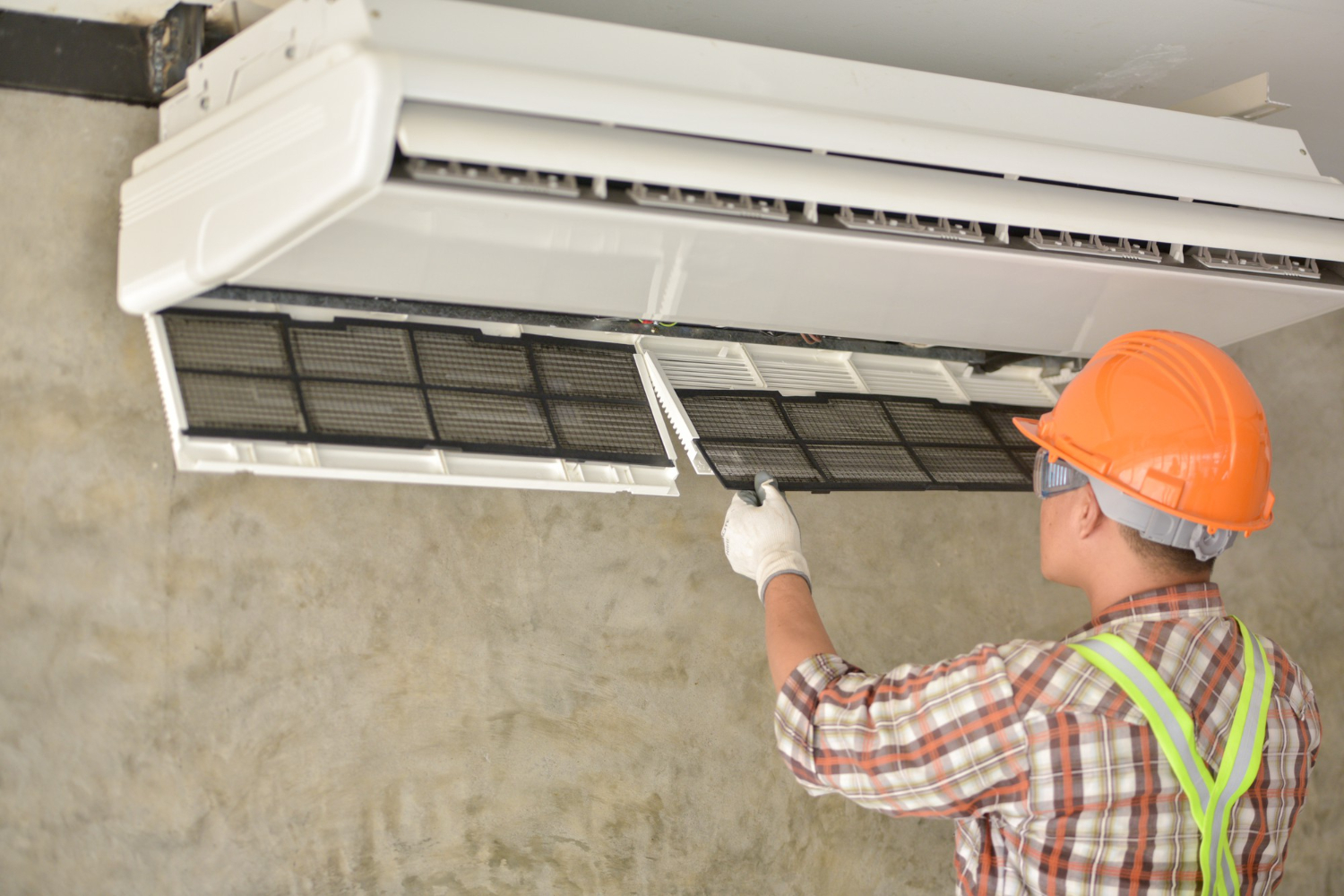

A Daikin FIT system can give a Western Colorado homeowner modern heating and cooling without putting a bulky outdoor unit beside the patio or in a narrow side yard. Its compact, side-discharge design and inverter-driven operation make it worth considering when comfort, space, and sound all matter. The right choice still depends on your home's size, ducts, electrical service, and exposure to local weather.
Call Cooley's Heating & Cooling at (970) 778-8326 to request a Daikin FIT system evaluation.
This guide explains how the equipment works, where it may fit, what a professional should evaluate, and how to compare a quote. It is designed to help homeowners in Hotchkiss, Delta County, and across the Western Slope ask useful questions before replacing an HVAC system.
What is a Daikin FIT system?
A Daikin FIT system is a compact, side-discharge HVAC option that uses inverter technology to adjust output as a home's needs change. Depending on the selected configuration, it can provide air conditioning or heat-pump heating and cooling while using ductwork to distribute conditioned air throughout the home.
The outdoor unit looks different from a conventional cube-style condenser. Instead of exhausting air through the top, it moves air through the side. That low-profile shape can help when a property has a narrow side yard, limited outdoor space, or a location where a large cube would be intrusive. Daikin's FIT product brochure describes the system's compact design and available configurations.
The inverter compressor is the main difference in how it operates. A conventional single-stage system generally starts at full output and stops when the thermostat is satisfied. An inverter can speed up or slow down. Longer operation at a lower output may produce steadier indoor temperatures and fewer abrupt starts and stops.
Daikin offers FIT options that pair with compatible indoor equipment and controls. The best combination is not the same for every house. A qualified installer should determine whether the existing ducts, furnace or air handler, controls, and electrical service are suitable before recommending a specific model.
How does inverter-driven HVAC work?
Inverter-driven HVAC varies compressor speed rather than operating only at full capacity. The system responds to changing demand, using more output during demanding conditions and less when the home needs only modest heating or cooling. That modulation is intended to maintain comfort more steadily than simple on-and-off operation.
Think of the difference as driving smoothly instead of repeatedly accelerating hard and stopping. On a mild afternoon, the system may operate at a reduced level. During a hotter or colder period, it can increase output. Daikin explains that inverter technology can reduce energy use compared with non-inverter systems and can operate more quietly; see the manufacturer's overview of inverter technology for its stated comparisons.
Actual energy use and sound depend on system selection, installation, weather, thermostat settings, duct condition, and the home itself. An inverter cannot compensate for major duct leakage, poor airflow, or incorrect sizing. That is why a complete home evaluation matters more than selecting equipment from a specification sheet alone.
For homeowners comparing broader efficiency strategies, Cooley's guide to energy-efficient heating options provides additional context on equipment and home-comfort decisions.
Daikin FIT compared with conventional HVAC
The main differences are the Daikin FIT system's slim side-discharge cabinet and its variable-speed inverter operation. Conventional equipment may use a larger top-discharge cabinet and single-stage or two-stage operation. Neither format is automatically right for every home; site constraints, comfort goals, and system design should guide the decision.
| Comparison point | Daikin FIT system | Conventional single-stage system |
|---|---|---|
| Compressor operation | Modulates output with inverter technology | Typically operates at full output when on |
| Outdoor cabinet | Low-profile, side-discharge design | Often a larger, top-discharge cube |
| Temperature control | Designed for longer, steadier cycles | More distinct on-and-off cycles |
| Placement | May suit some constrained outdoor spaces | Requires the specified clearance around a larger cabinet |
| Controls and setup | Compatible communicating controls and trained setup are important | Setup varies by model and staging |
| Best choice depends on | Load calculation, ducts, electrical service, budget, site, and homeowner priorities | |
A compact cabinet can solve a real placement problem, but it still requires manufacturer-specified clearance and a stable location. It should not be squeezed into a space where snow, vegetation, fencing, or stored items block airflow. Sound should also be discussed in relation to bedroom windows, patios, and neighboring properties.
Equipment cost is only one part of the comparison. Needed duct corrections, electrical work, indoor equipment, controls, labor, permits, and warranty terms can all affect a proposal. Review Cooley's overview of factors that influence new HVAC system cost, then ask for a written quote tailored to your home.
Is a Daikin FIT right for a Western Colorado home?
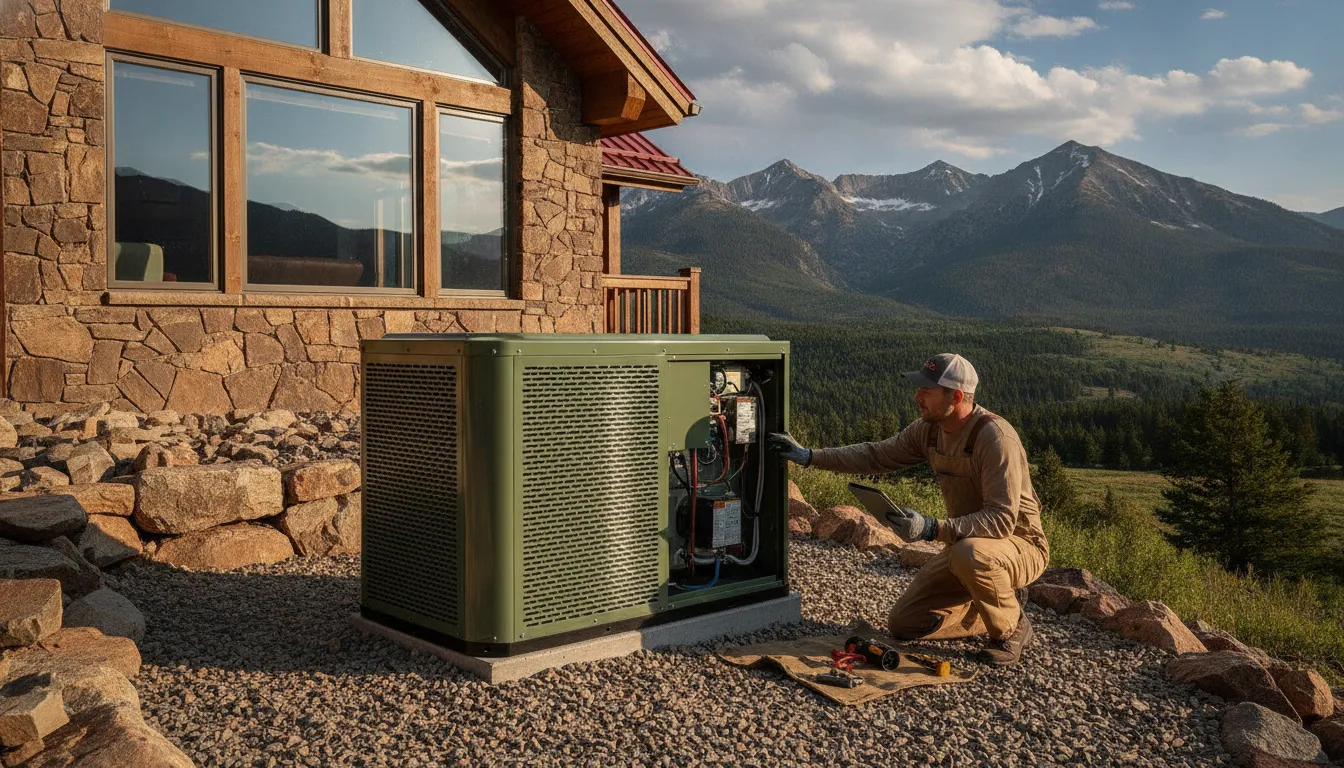
A Daikin FIT may suit a Western Colorado home when the property needs ducted heating or cooling, outdoor space is limited, and the homeowner values modulating operation. Suitability must be confirmed through sizing and site evaluation because elevation, winter conditions, solar exposure, insulation, and duct performance affect results.
Western Slope homes vary widely. An older home with additions and aging ducts presents different challenges than a newer, tighter house. Local temperature swings and the home's elevation also need to be considered. A proper load calculation estimates how much heating and cooling the structure needs instead of assuming the replacement should match the old unit's capacity.
For a heat-pump configuration, ask how the proposed system performs at the design temperatures used for your location. The contractor should explain whether supplemental or backup heat is recommended, how it would operate, and what electrical changes may be needed. These questions help connect a model's published performance to the conditions your home will actually face.
Outdoor placement deserves equal attention. The evaluation should account for roof runoff, drifting snow, service access, airflow clearance, and protection from accidental damage. Daikin's brochure notes features such as Blue Fin corrosion coating, but routine inspection and suitable placement remain important.
Indoor comfort concerns can also reveal whether the project needs more than new equipment. Tell the evaluator about rooms that are difficult to heat or cool, drafts near windows, frequent filter problems, and noticeable airflow differences. Those observations may point to insulation, air-sealing, return-air, or duct issues that should be considered alongside the equipment proposal.
Cooley's Heating & Cooling serves local homeowners and can help determine whether this equipment belongs on your shortlist. Learn more about the local team on the Cooley's about page or visit the Cooley's Heating & Cooling homepage.
Have questions about fit, sizing, or cold-weather planning? Call (970) 778-8326 for a home-specific evaluation.
What should happen during evaluation and installation?
A sound Daikin FIT proposal should begin with a home evaluation, not a quick equipment swap. The contractor should calculate demand, inspect ducts and utilities, confirm outdoor placement, select compatible components, and document the scope. Installation should end with commissioning, performance checks, and clear homeowner instructions.
- Discuss comfort concerns and goals. Identify rooms that run hot or cold, sound concerns, operating preferences, and plans that may change the home's load.
- Calculate the home's heating and cooling needs. Use the home's size, insulation, windows, orientation, leakage, elevation, and local design conditions rather than relying only on the old unit.
- Inspect ducts and airflow. Check accessible ductwork, returns, filters, registers, and airflow needs. Include recommended corrections in the quote.
- Review electrical service and indoor equipment. Confirm that the panel, wiring, breaker, furnace or air handler, coil, thermostat, and controls can support the proposed configuration.
- Select and prepare the outdoor location. Verify clearances, drainage, snow considerations, service access, mounting, line routing, and impact on nearby living areas.
- Install compatible equipment. Follow manufacturer instructions, complete required connections, test the refrigerant circuit, and address every item listed in the approved scope.
- Commission and explain the system. Confirm operation, airflow, controls, and configured settings. Show the homeowner how to use the controls, change filters, and request service.
Ask who will complete each part of the work and how final performance will be documented. A detailed scope makes quotes easier to compare and reduces uncertainty. Cooley's guide to choosing a Daikin installer outlines more questions to ask about training, sizing, commissioning, and support.
How should you evaluate a Daikin FIT quote?
Evaluate a Daikin FIT quote by comparing the complete system design, not just the total price. A useful proposal identifies the exact equipment, sizing basis, included labor, controls, duct or electrical work, warranty details, exclusions, and commissioning steps. Ask for clarification wherever two proposals describe different scopes.
Start with model numbers and matched components. Confirm whether the proposal is for air conditioning or a heat pump, what indoor equipment is included, and which control will operate the system. Ask the contractor to explain why that configuration and capacity fit your house.
Next, review the work around the equipment. A lower quote may exclude duct repairs, electrical upgrades, permits, disposal, mounting materials, or other items included elsewhere. It may still be the right choice, but you need an apples-to-apples comparison. Avoid relying on generic estimates or exact prices from another home.
Read warranty documents and registration requirements carefully. Daikin's FIT brochure describes available limited warranty coverage and conditions, but terms can depend on the selected product, registration, location, and maintenance. Request current written terms for the exact equipment in your proposal rather than assuming every configuration receives identical coverage.
Finally, ask how the contractor will commission the system and support it after installation. The answer should cover startup checks, homeowner orientation, service access, and whom to call if something does not operate as expected.
Before accepting a proposal, make a short list of unresolved questions and request written answers. Confirm the planned work area, approximate project sequence, homeowner preparation, and what happens if the crew discovers an unexpected duct or electrical condition. Clear expectations help you understand the scope and make a more informed comparison without choosing on price alone.
To request a written Daikin FIT quote from Cooley's, call (970) 778-8326.
What maintenance does a Daikin FIT system need?
A Daikin FIT system needs routine homeowner attention and professional maintenance appropriate to the installed equipment. Homeowners should replace or clean filters as directed and keep the outdoor unit unobstructed. A technician can inspect operation, airflow, electrical components, coils, drainage, controls, and other system-specific items.
Check the filter regularly and follow the replacement schedule recommended for your filter and household. A clogged filter can restrict airflow and affect comfort. Keep leaves, weeds, stored items, and snow from blocking the outdoor unit, but do not open equipment panels or attempt refrigerant or electrical repairs yourself.
Schedule professional service based on the contractor's recommendation and applicable warranty terms. During a visit, describe changes such as unusual sounds, longer run times, uneven temperatures, odors, or rising energy use. Early diagnosis can help identify an airflow, control, or component issue before comfort is significantly affected.
Maintenance needs vary with equipment configuration and household conditions, so use the installed system's documents as the primary guide. For more homeowner context, read about the benefits of regular AC maintenance.
Daikin FIT system FAQs
Homeowners commonly ask about equipment type, existing ducts, outdoor placement, cold-weather use, and quote details. The short answers below provide a starting point, but a home evaluation is necessary to confirm compatibility and select a configuration. Product documentation and the written proposal should govern the final decision.
Does a Daikin FIT system use existing ductwork?
It can use existing ductwork when the ducts are suitable for the selected equipment and required airflow. A contractor should inspect accessible ducts, returns, filters, and registers before proposing the system. Repairs or changes may be recommended if the current duct system is leaky, restricted, damaged, or incorrectly sized.
Is the Daikin FIT available as a heat pump?
Yes. Daikin offers FIT heat-pump configurations as well as air-conditioning options. The correct choice depends on the home's existing equipment, heating needs, electrical service, local design conditions, and homeowner priorities. Ask how the proposed heat pump and any backup heat would operate during colder weather.
Can a Daikin FIT outdoor unit go in a narrow space?
Its low-profile, side-discharge design may work in some narrow locations where a conventional cube-style unit is difficult to place. The location must still meet manufacturer clearance, airflow, drainage, snow, and service-access requirements. A contractor should inspect and approve the proposed location before installation.
Will a Daikin FIT lower my energy bills?
Inverter operation is designed to adjust output and may use less energy than some non-inverter equipment, but no contractor can promise a specific bill reduction without detailed analysis. Weather, rates, thermostat settings, ducts, insulation, system sizing, installation quality, and household habits all affect energy use.
What should be included in a Daikin FIT quote?
A useful quote should identify the exact matched equipment, sizing basis, controls, labor, outdoor placement, included duct or electrical work, permits if applicable, commissioning, warranty details, exclusions, and total price. It should also explain homeowner orientation and the process for requesting service after installation.
Request a Daikin FIT system evaluation
The best way to decide whether a Daikin FIT system belongs in your home is to compare its design with your actual comfort needs, property constraints, ducts, and utilities. Cooley's Heating & Cooling can evaluate those factors, explain suitable options, and prepare a quote without relying on one-size-fits-all assumptions.
Call Cooley's Heating & Cooling at (970) 778-8326 to discuss your Western Colorado home and request a Daikin FIT system quote.