.png)





.png)

Have you ever wondered what really goes on during a professional HVAC installation? It’s a carefully choreographed process that combines technical skill with meticulous attention to detail. From finding the perfect spot for the outdoor unit to ensuring every single connection is leak-free, each step is crucial for your system's long-term health. This guide pulls back the curtain, using the official daikin installation manual r32 split series as our framework to explain the entire process from start to finish. You’ll learn why certain tools are necessary, how professionals handle complex electrical work, and what final checks are performed to guarantee your new system is ready to go.
Key Takeaways
- Professional Installation is Non-Negotiable: To protect your warranty and ensure safety, a certified technician must handle the complex electrical wiring and specialized R32 refrigerant. This is the best way to guarantee your system is installed correctly and meets all local codes.
- A Meticulous Setup Prevents Future Headaches: The long-term performance of your unit depends on key installation steps. Proper placement for airflow, thorough leak testing, and creating a vacuum in the refrigerant lines are all essential for preventing future issues and maximizing efficiency.
- Customize Your Comfort Responsibly: The Daikin R32 Split Series gives you the flexibility to create different temperature zones throughout your home. This allows for personalized comfort while using a refrigerant that has a lower environmental impact than older alternatives.
What's Special About the Daikin R32 Split Series?
When you're looking for a new heating and cooling system, you want something that's efficient, reliable, and flexible enough to handle Colorado's dynamic weather. The Daikin R32 Split Series checks all those boxes. It’s a modern system designed to deliver customized comfort throughout your home or business. Unlike traditional systems that heat or cool your entire space to one temperature, this series allows you to create different climate zones, giving you more control over your environment.
This system is a fantastic choice for anyone wanting to upgrade their comfort and efficiency. As an exclusive Daikin dealer, we've seen firsthand how these units perform, offering consistent temperature control that keeps you comfortable year-round, from frosty winter mornings to hot summer afternoons on the Western Slope.
Key Features and Specs
The Daikin R32 Split Series is built for performance. One of its standout features is its wide operating temperature range. It can provide reliable heating in temperatures as low as -15°C and effective cooling in heat up to 46°C, making it a perfect match for our local climate. The system also offers great flexibility in its setup, with generous refrigerant piping lengths that allow the outdoor unit to be placed up to 20 meters away from any single indoor unit. This gives you more options for discreet and convenient placement, preserving your home's aesthetic while delivering powerful HVAC solutions.
How It Benefits the Environment
If you're looking for a more eco-conscious choice, the Daikin R32 series is a step in the right direction. It uses R32 refrigerant, which has a lower global warming potential than the refrigerants found in many older systems. While R32 is a more responsible choice, it's also mildly flammable and requires specific handling procedures to ensure safety and protect the environment. That’s why professional installation is so important. Our technicians are trained to properly recover refrigerant, making sure none of it escapes into the atmosphere during installation or service.
Options for Multi-Zone Cooling
The Daikin R32 Split Series is specifically designed for multi-zone applications, meaning it connects one outdoor unit to at least two indoor units. This setup is ideal for creating personalized comfort zones in different areas of your home or office. You can keep the bedrooms cool for sleeping while maintaining a warmer temperature in the living room, or adjust the climate in individual offices without affecting the entire building. This level of control not only makes everyone more comfortable but also helps you use energy more efficiently by only heating or cooling the rooms you’re actually using. It’s a smart way to manage your home’s climate.
How to Stay Safe During an R32 Installation
Installing a new air conditioning system is exciting, but safety always comes first, especially when working with advanced components like R32 refrigerant. While the Daikin R32 Split Series is designed for top-tier performance and efficiency, its installation requires careful handling and a deep understanding of electrical and chemical safety protocols. A professional installation ensures your system runs perfectly and that your home and family are protected. At Cooley's, our certified technicians are trained to manage every step of the process with precision. Here’s a look at the critical safety measures our team follows during every R32 installation.
Handling R32 Refrigerant
R32 refrigerant is a key part of what makes these Daikin units so efficient, but it’s also mildly flammable and odorless, which means it requires special care. Our technicians always work in a well-ventilated space and confirm the room meets the minimum size requirements for the unit. This prevents any potential refrigerant buildup. We use tools designed specifically for R32 to avoid contamination or pressure issues. Most importantly, we never release refrigerant into the air. Proper refrigerant recovery is not just good practice; it’s essential for protecting the environment and ensuring a safe installation.
Essential Protective Gear
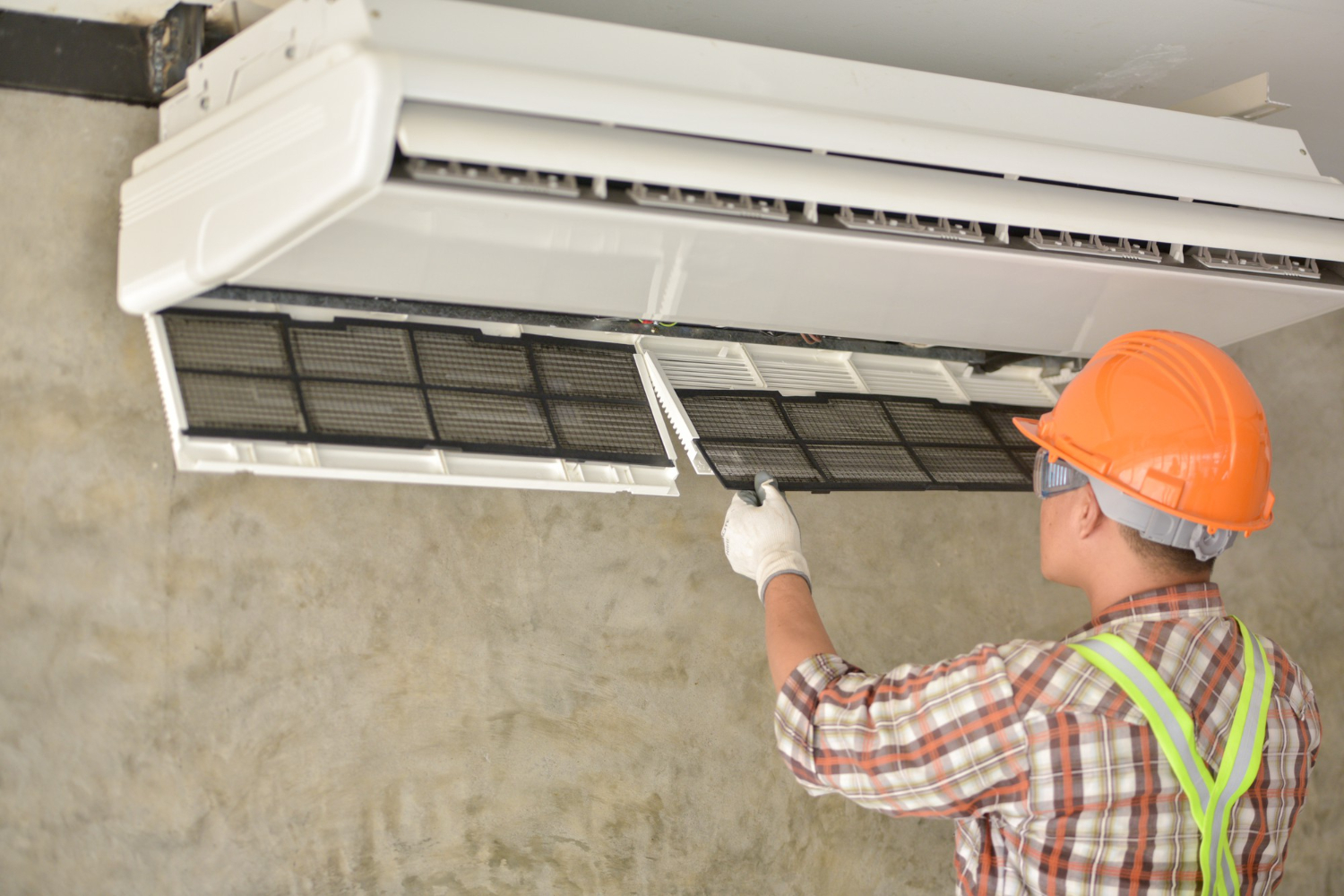
Personal protective equipment (PPE) is non-negotiable on any job site. Our technicians always wear safety glasses and gloves to protect against accidental contact with refrigerants or sharp materials. We also know that HVAC units have parts that can get extremely hot or cold during operation. That’s why we’re careful to avoid touching internal components immediately after the system has been running. It’s a simple step that prevents burns and ensures a smooth, safe workflow from start to finish. This attention to detail is part of our commitment to providing a professional and secure installation for your home.
Electrical Safety Guidelines
All electrical work for your new Daikin unit must be completed by a licensed and certified professional. There’s no room for error when it comes to wiring. Before beginning any electrical work, our team shuts off power at the source to eliminate the risk of shock. We ensure the unit is properly grounded and connected to a dedicated power circuit with the correct fuses or breakers. This not only protects your home’s electrical system but also safeguards your new HVAC investment for years to come. Attempting this work without the right training can be dangerous and may void your warranty.
Following Local Codes and Permits
A proper installation goes beyond the technical steps; it also involves adhering to all local building codes and regulations here on the Western Slope. Our team at Cooley's Heating, Cooling & Plumbing is fully licensed and trained, and we stay current on all regional requirements for HVAC installations. Following these guidelines ensures your system is not only safe and efficient but also fully compliant. This protects your warranty and gives you peace of mind knowing the job was done right from the very beginning. We handle all the necessary permits and inspections so you don't have to.
What Tools and Materials Will You Need?
Getting a new HVAC system is a significant investment in your home’s comfort, and a proper installation is the best way to protect it. A successful, long-lasting setup depends entirely on using the right tools and high-quality materials from the very start. While our team at Cooley's arrives with everything needed to get the job done right, we believe an informed homeowner is an empowered one. Understanding what goes into the process can give you confidence in the work being done.
From the specific type of copper piping that carries the refrigerant to the precise electrical components that power your unit, every single piece has a purpose. Cutting corners with subpar materials or the wrong tools can lead to inefficiency, leaks, or even system failure down the road. That’s why professionals follow a strict checklist. It ensures your Daikin R32 system is installed not just to function, but to perform at its peak efficiency for years to come. Let’s walk through the essential tools and materials that are non-negotiable for a safe and reliable installation.
Your Professional Tool Checklist
Safety is always the top priority on any job site. That’s why the first items on any technician's list are personal protective gear like safety glasses and gloves to guard against debris and sharp materials. Beyond the basics, a professional’s toolkit contains specialized equipment you won’t find in a typical toolbox. This includes a vacuum pump to remove moisture from refrigerant lines, a torque wrench to tighten fittings to exact specifications (preventing leaks), and a pipe flaring tool for creating perfect connections. Having these specific tools on hand is what separates a professional installation from a DIY project. Our technicians arrive ready for every step, ensuring your HVAC service is completed efficiently and correctly.
Copper Piping and Refrigerant Line Parts
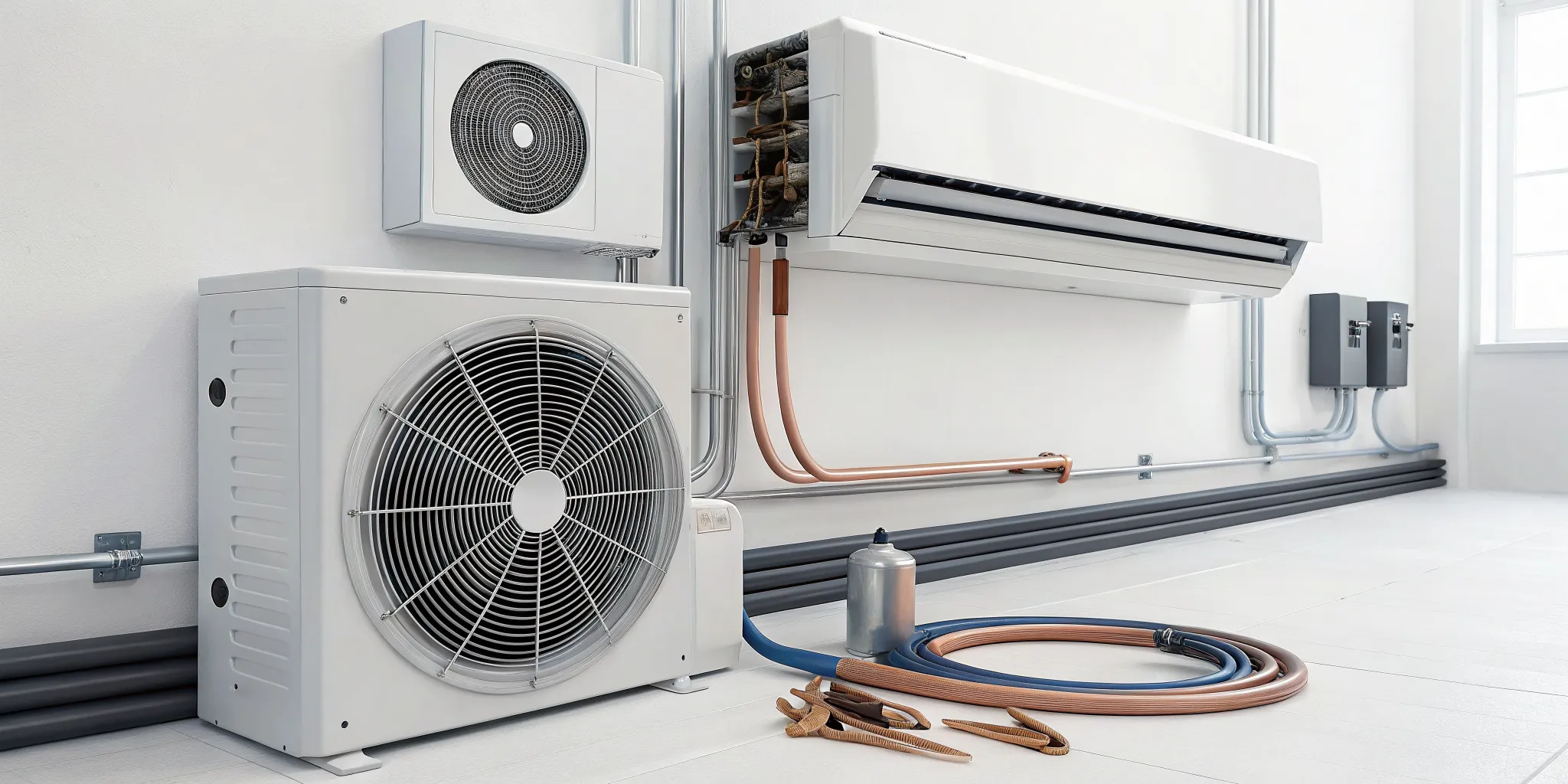
The refrigerant lines are the circulatory system of your Daikin unit, and they require very specific materials to function properly. Professionals use seamless copper pipes of the correct diameter and thickness, as they are durable and can handle the high pressure of the refrigerant without cracking. Just as important is the insulation that wraps these pipes. This material prevents energy loss and stops condensation, or "sweating," which could otherwise lead to water damage inside your walls. After connecting the lines, every joint is meticulously checked for leaks using pressurized nitrogen and a special bubble solution. This step is critical, as even a minuscule leak can compromise your system’s performance over time.
Electrical and Mounting Hardware
The electrical work for an HVAC system is complex and potentially dangerous, which is why it should always be handled by a certified professional. Your Daikin R32 unit requires its own dedicated power circuit to prevent overloading your home’s electrical system. This involves installing the correct fuses or circuit breakers and ensuring the unit is properly grounded to eliminate the risk of electric shock. Just as crucial is the mounting hardware used to secure the indoor and outdoor units. Using sturdy, appropriate brackets ensures the units are stable, level, and free from rattling or vibrations. Our team of professionals is trained to manage these critical details, guaranteeing your installation is not only functional but also fully compliant with all safety codes.
A Pre-Installation Site Checklist
Long before the first tool is picked up, a successful installation begins with a thoughtful site plan. The location of both the indoor and outdoor units can significantly impact performance. The chosen spot must be able to hold the unit's weight without vibrating, and it needs enough clear space around it to allow for proper airflow and future maintenance access. For the outdoor unit, this means keeping it clear of dense shrubbery, fences, or areas where snow might drift. For the indoor unit, placement is key for even air distribution. Finally, a plan for condensation drainage is essential. The drain line must have a consistent downward slope to prevent water from backing up and causing damage to your home.
How to Prep Your Installation Site
Before you even unbox your new Daikin system, picking the right location is one of the most important steps. A little planning now goes a long way in ensuring your unit runs efficiently and safely for years to come. Think of it as setting the foundation for a comfortable home. Getting the placement right for both the indoor and outdoor units affects everything from performance and noise levels to how easy it is to perform maintenance down the road. Let’s walk through what you need to consider to get your home ready for installation day.
Finding the Right Spot for the Indoor Unit
The indoor unit needs a home where it can perform its best without being a nuisance. First, choose a wall that is strong enough to hold the unit’s weight without vibrating. This keeps things quiet and stable. You’ll also want to ensure there’s plenty of open space around it for air to circulate freely, which is key for efficient cooling and heating. This clearance also gives technicians room to work during future maintenance checks. For safety, always install the unit away from any potential flammable gas leaks and areas with strong electromagnetic waves, like near certain industrial equipment.
Choosing a Secure Location for the Outdoor Unit
Your outdoor unit is built to be tough, but it still needs a good spot to live. Here on the Western Slope, we know how unpredictable the weather can be. Position the unit where it’s shielded from strong, direct winds and where heavy snow won't bury it. In some cases, a baffle plate can offer extra protection. Proper drainage is also critical. The unit will produce condensation, and you need to make sure that water has a clear path to drain away. This prevents ice from building up in the winter, which can damage the unit and hinder its performance.
Planning for Drainage and Electrical Needs
This is where safety becomes the top priority. Before installation, map out a path for the condensate drain pipe from the indoor unit to a suitable drainage point. When it comes to electricity, the rules are simple: this is a job for a professional. All electrical connections must be handled by a certified electrician to meet safety codes and prevent serious risks. According to Daikin's installation guidelines, the unit must be properly grounded to protect against electric shock. Always remember to shut off the main power supply before any electrical work begins.
Installing the Indoor Unit, Step by Step
Once you’ve prepped your site, it’s time to focus on the indoor unit. This is the part of the system you’ll interact with most, so a careful and precise installation is essential for both performance and appearance. These steps cover the core process a professional follows to ensure your unit is secure, efficient, and correctly connected. From mounting the bracket to setting up the drain line, each detail plays a role in how well your new system cools your home.
Mount the Bracket Securely
The first step is creating a solid foundation for the indoor unit by mounting its bracket to the wall. A professional will find the center of the wall and ensure the bracket is perfectly level before attaching it. Before drilling all the mounting holes, they’ll drill a small pilot hole where the refrigerant lines will pass through. This clever trick helps confirm if there’s a wooden wall stud behind the drywall. Attaching the bracket directly to a stud provides the most secure support, preventing vibrations and ensuring the unit stays firmly in place for years to come.
Connect and Insulate the Refrigerant Lines
With the bracket mounted, the next task is connecting the refrigerant lines. A technician will use seamless copper pipes, which are essential for durability and preventing leaks. Each pipe must be properly insulated to stop heat loss and avoid condensation from forming and dripping down your walls. After connecting the lines, they perform a leak test using nitrogen gas and a special bubble solution, a more reliable method than simple soap and water. Finally, a vacuum pump is used to remove all air and moisture from the lines before the refrigerant is added, ensuring the system runs at peak efficiency.
Wire the Electrical and Control Connections
Connecting the electrical wiring is one of the most critical parts of the installation, and it’s a job that should always be handled by a certified electrician. For your safety, the unit must be properly grounded to prevent any risk of electric shock. It also requires its own dedicated power circuit with the correct fuses or breakers. The installer will connect the active power, neutral, and signal wires that allow the indoor and outdoor units to communicate. Given the risks involved, this is a step where professional expertise is non-negotiable. Our team at Cooley’s provides expert HVAC services to ensure every connection is safe and up to code.
Install the Condensate Drain
An air conditioner doesn’t just cool the air; it also removes humidity. That moisture, called condensate, needs a safe place to go. The final step in the indoor installation is setting up the condensate drain. A technician will carefully plan the route for the drainpipe, making sure it has a consistent downward slope so water flows out properly. It’s important to direct the water away from walkways or foundations where it could cause damage or create a slippery, icy patch in the winter. A correctly installed condensate drain is key to preventing water backups and potential damage inside your home.
How to Install and Connect the Outdoor Unit
With the indoor unit in place, it’s time to move outside. The outdoor unit, or condenser, is the powerhouse of your Daikin system. Getting its placement and connections right is essential for efficient cooling and long-term performance. This part of the job involves heavy lifting, precise connections, and critical safety checks. Properly installing the outdoor unit ensures it can effectively release heat from your home and withstand the elements, from summer sun to winter snow on the Western Slope.
Position and Secure the Unit
Finding the perfect spot for your outdoor unit is a balancing act. You need a location that can easily support the unit's weight without causing vibrations. It’s best to mount it on a solid wall with sturdy brackets or place it on a dedicated concrete pad. Make sure there’s plenty of open space around the unit for proper airflow and easy access for future HVAC maintenance. Here in Colorado, it’s also smart to consider protecting the unit from harsh winds or heavy snowfall, which might mean installing a baffle plate or cover. A level, secure, and well-ventilated spot will help your system run smoothly for years.
Connect Lines and Test for Leaks
Once the unit is secure, the next step is to connect the refrigerant pipes. These lines are the veins of your AC system, carrying the refrigerant between the indoor and outdoor units. After attaching the pipes, it's absolutely critical to check for leaks. A professional will use pressurized nitrogen gas and a special bubble solution to ensure every connection is perfectly sealed. After confirming there are no leaks, a vacuum pump is used to remove all air and moisture from the lines. This step, detailed in the Daikin installer guide, prevents contamination and protects the compressor from damage.
Complete the Electrical and Grounding Work
This is where a certified electrician is non-negotiable. Handling the electrical work for an HVAC system requires expertise to ensure safety and compliance with local codes. The process involves connecting the power and signal wires from the indoor unit to the outdoor unit, making sure each wire is in its correct terminal. The unit must also be properly grounded to prevent any risk of electric shock. Your system should run on a dedicated power circuit with the correct fuses or breakers to handle the electrical load safely. Incorrect wiring is not only dangerous but can also cause serious damage to your new Daikin system.
How to Test Your New System
Okay, the units are mounted and all the lines are connected. You're almost at the finish line! But before you grab the remote and enjoy that fresh, cool air, there’s a critical final phase: testing. This isn’t just about flipping a switch to see if it turns on. A proper system test is a meticulous process that ensures your new Daikin unit runs safely, efficiently, and reliably for years to come. It’s a detailed procedure our certified technicians at Cooley's take very seriously, because it’s what guarantees your system performs exactly as it should from day one. This final commissioning phase involves several key steps, from verifying the integrity of the refrigerant lines to checking electrical connections and calibrating the system for your home's specific needs. Skipping these checks can lead to reduced efficiency, premature wear, and even safety issues down the road. That's why we treat this part of the installation with the utmost care, ensuring every component works in perfect harmony before we consider the job complete. Let's walk through the key steps in a professional system commissioning.
Perform a Vacuum Test and Nitrogen Purge
Before refrigerant enters the system, the copper lines need to be perfectly clean and dry inside. Any trapped air or moisture can cause major problems, from poor performance to internal corrosion. To prevent this, a technician uses a vacuum pump to pull all the air and humidity out of the lines, creating a deep vacuum. This process, often called "pulling a vacuum," confirms the lines are sealed tight and ready for refrigerant. It’s a non-negotiable step for a long-lasting, efficient system and a clear sign of a quality installation.
Charge the Refrigerant and Start the System
Once the vacuum test confirms the lines are pristine and leak-free, it’s time to charge the system. The technician will carefully open the valves on the outdoor unit, allowing the R32 refrigerant to flow through the lines. Handling refrigerant requires specialized tools and an EPA certification, as it’s a regulated substance. This is one of the most important reasons why a professional HVAC installation is so crucial. With the system charged, it can be powered on for the first time to begin circulating and cooling your home.
Check Performance and Configure Settings
With the system running, the final checks begin. The technician will go over every connection with a leak detection solution to make sure no refrigerant is escaping. They’ll also double-check that the unit is properly grounded to prevent electrical hazards. From there, it’s all about performance. They’ll measure the air temperature coming from the vents, check system pressures, and ensure the condensate drain is working correctly. Finally, they’ll walk you through the controls and help you configure the settings for optimal comfort. This final inspection ensures your new system is ready to keep you comfortable.
What Common Installation Problems to Look For
Even the most straightforward installation can have a few hiccups. Knowing what potential issues to look for helps ensure your new Daikin system runs efficiently and safely right from the start. A professional installation is designed to prevent these problems before they even begin, but it’s always smart to understand what goes into a quality setup. From tiny refrigerant leaks to improper drainage, small mistakes can lead to bigger headaches down the road.
The key is a meticulous approach. An experienced technician will follow a detailed checklist to verify every connection, seal, and setting. They have the right tools and training to spot trouble and correct it immediately. This attention to detail protects your investment and gives you peace of mind. Here are some of the most common installation issues and how a professional addresses them to guarantee your system performs perfectly.
Spotting Refrigerant Line Leaks
Refrigerant is the lifeblood of your air conditioner, and even a minuscule leak can reduce efficiency and strain the system. Professionals don't just guess; they have a specific process for finding leaks. After connecting the refrigerant lines, a technician will pressurize the system with nitrogen gas and apply a special bubble solution to every connection point. If bubbles form, there’s a leak that needs to be fixed. Once all connections are secure, they use a vacuum pump to remove all air and moisture from the lines before adding the R32 refrigerant. This crucial step prevents internal corrosion and ensures the system operates at peak performance.
Troubleshooting Electrical Connections
When it comes to your HVAC system, electrical work is never a DIY project. All wiring for your Daikin unit must be handled by a certified professional to ensure it’s safe and up to code. A common issue is an improper connection or a failure to properly ground the unit, which can create a serious risk of electric shock or damage the system’s sensitive electronics. A qualified technician will always turn off the main power before starting work, verify that the unit is correctly grounded, and double-check that every connection is secure. This is a critical safety step that protects your home, your family, and your new equipment.
Solving Drainage and Condensation Issues
Your air conditioner naturally produces condensation as it cools the air, and that water needs a safe place to go. If the condensate drain line isn't installed correctly, you could end up with water damage inside your home or a hazardous ice patch on your walkway during colder weather. A professional installer will carefully plan the drainage route, ensuring the pipe has the proper downward slope to flow freely. They will also make sure the drain terminates in a location where the water won’t cause problems. This is especially important in Colorado, where a frozen walkway can be a major safety concern.
Mistakes to Avoid During Installation
A few common installation mistakes can easily be avoided with professional expertise. For example, drilling into a wall without first checking for studs can compromise your home’s structural integrity. A pro will always locate studs to securely mount the indoor unit. Another critical error is installing a filter drier in an R32 system, as this can cause serious damage. Finally, it’s always best to install the outdoor unit in dry weather to prevent moisture from getting inside the system. These are the kinds of details that our experienced HVAC technicians at Cooley's handle correctly every time, ensuring a flawless installation.
When Is It Time to Call a Professional?
While tackling a home project yourself can be rewarding, installing a sophisticated system like the Daikin R32 Split Series is a job best left to trained experts. This isn't just about convenience; it's about ensuring your system runs safely, efficiently, and correctly for years to come. A DIY installation can lead to performance issues, safety hazards, and costly repairs down the road. When you consider the complexity of the equipment and the specific knowledge required, making the call for a professional installation is the smartest first step.
Our team at Cooley's is trained to handle every detail, from meeting local codes to ensuring your system is perfectly calibrated for your home. We believe in getting the job done right the first time, giving you peace of mind and a comfortable home without the stress of a complicated setup.
To Protect Your Warranty and Meet Code
One of the most important reasons to hire a professional is to protect your investment. Daikin, like most HVAC manufacturers, requires that their systems be installed by authorized and trained technicians. According to their own installation guides, installers must follow all specific instructions and local laws. Failing to do so can void your warranty, leaving you responsible for the full cost of any future repairs. A professional ensures every step is done by the book.
Furthermore, HVAC installations are subject to strict local building codes and permit requirements. Our technicians are well-versed in the regulations across the Western Slope, ensuring your new system is not only safe but also fully compliant. This protects you from potential fines and ensures your home meets all legal standards.
For Complex Electrical and Refrigerant Handling
Installing a split system involves two highly specialized tasks: electrical wiring and refrigerant handling. All electrical connections must be performed by a certified professional to prevent the risk of electric shock or fire. Proper grounding is critical, and it’s not something to guess on. Our technicians have the expertise to wire your unit safely and correctly, ensuring it integrates seamlessly with your home’s electrical system.
The R32 refrigerant used in these Daikin units also requires careful management. It’s a specialized substance that cannot be released into the air. Professionals use specific tools and follow strict procedures to recover and charge the refrigerant, protecting both the environment and the system’s integrity. This is a critical step that requires certified training and equipment.
When Installing a Multi-Zone System
If you’re planning to cool multiple rooms, you’re likely looking at a multi-zone system. These setups are significantly more complex than single-zone units because they involve connecting two or more indoor units to a single outdoor condenser. The installation requires careful planning to route the refrigerant lines, manage drainage for each unit, and balance the system for optimal performance throughout your home.
The technical manuals for these systems are written for professionals for a reason. They cover detailed procedures for configuring multiple units, which is beyond the scope of a typical DIY project. For a reliable and efficient multi-zone setup, you need the expertise of a team that provides professional HVAC services and understands the nuances of these advanced systems.
Frequently Asked Questions
Why is professional installation so important for this specific system? Installing a Daikin R32 system involves complex electrical wiring and specialized refrigerant handling that require certified training. A professional ensures the job is done safely, meets all local codes, and protects your manufacturer's warranty. It also guarantees your system is set up to run at peak efficiency, which is key for long-term performance.
What exactly is a multi-zone system? A multi-zone system connects one outdoor unit to several indoor units placed in different rooms or areas of your home. This setup allows you to create personalized temperature zones, so you can keep your bedroom cool for sleeping while the living room stays a bit warmer. It’s a great way to get customized comfort and use energy more effectively.
How can I prepare my home before the installation team arrives? You can help make the installation go smoothly by clearing a path for the technicians to work. Make sure the areas where the indoor and outdoor units will be placed are free of furniture, decorations, or yard debris. It’s also a good idea to secure any pets in a separate room so they stay safe and out of the way.
You mentioned R32 refrigerant is mildly flammable. Should I be concerned about safety? It's a valid question, but you don't need to worry. While R32 refrigerant requires careful handling, our certified technicians are fully trained to manage it safely. We use specialized tools and follow strict protocols in well-ventilated spaces to ensure there is no risk to your home or family. When installed by a professional, the system is completely safe.
What does the final system test involve, and why is it necessary? The final test is a crucial quality check to confirm everything is working perfectly before we consider the job done. A technician will perform a vacuum test to ensure the lines are clean, check for any tiny leaks, verify all electrical connections are secure, and measure the system’s performance. This step guarantees your new unit runs safely and efficiently from the very first day.