.png)




.png)


Here on the Western Slope, a working furnace isn't a luxury, it's a necessity. When yours stops running, the situation feels urgent. Before you start worrying, know that there are several quick checks you can perform that might solve the problem immediately. From ensuring the gas valve is open to resetting the system, these initial steps are things every homeowner should know. When you’re faced with a furnace not working what to do is the most important question, and this guide provides the answers. We’ll walk you through the essential troubleshooting tasks to get your heat back on safely and efficiently.
Key Takeaways
- Start with the simple fixes first: Before calling for help, check for common issues you can solve yourself. Make sure your thermostat is set correctly, inspect the air filter for clogs, and reset the furnace's circuit breaker.
- Recognize serious safety hazards: Your safety is the top priority. If you smell gas, evacuate your home immediately and call for emergency service from a safe location. Always turn off the power at the breaker box before you inspect any part of the furnace.
- Know when to call a professional: Some problems require an expert. Call a certified technician if you notice a yellow burner flame, the circuit breaker trips repeatedly, or you hear loud banging or screeching noises coming from the unit.
Why Did My Furnace Stop Working?
When your furnace suddenly stops working, it’s easy to assume the worst. But before you start picturing a huge repair bill, take a breath. Many furnace problems have surprisingly simple causes that you can identify yourself. Understanding what might be going on is the first step toward getting your heat back on. From a simple power issue to a clogged filter, the problem might be something you can spot in just a few minutes. Let’s walk through the most common reasons a furnace decides to take an unscheduled break.
Power Supply Problems
Even if you have a gas furnace, it still needs electricity to run the fan, ignitor, and other essential components. One of the first things to check is your home's electrical panel. A power surge or an overloaded circuit can cause the breaker connected to your furnace to trip, cutting off its power completely. If you find the breaker in the "off" or middle position, you've likely found the culprit. This is a common and usually straightforward fix, but if the breaker trips repeatedly, it’s a sign of a deeper electrical issue that needs a professional’s attention.
Thermostat Glitches
Sometimes the problem isn't with the furnace at all, but with the device that tells it what to do: the thermostat. A faulty thermostat can't communicate your heating needs to the furnace. Start by making sure it’s set to "heat" and the temperature is set higher than the current room temperature. If the display screen is blank, it’s a good sign the batteries are dead. Swapping in a fresh pair of batteries is an easy fix that can get your system running again in seconds. A simple setting or battery issue is often the reason for a service call.
A Clogged Air Filter
A dirty air filter is one of the most frequent causes of furnace failure. Its job is to trap dust and debris, but when it gets too clogged, it can't let enough air pass through. This restricted airflow makes your furnace work much harder to heat your home, causing it to overheat. As a safety measure, the system will shut itself down to prevent damage. Checking your filter once a month and replacing it when it’s dirty is a crucial part of routine furnace maintenance that keeps your system running efficiently and prevents unexpected shutdowns.
Gas Supply Interruptions
If you have a gas furnace, it obviously needs a steady supply of natural gas or propane to create heat. If the furnace isn't igniting, the gas supply might be turned off. Check the gas valve on the line leading to your furnace; it should be parallel to the pipe, indicating it's open. A quick way to see if the issue is with your home's main gas line is to check other gas appliances, like your stove. If they aren't working either, you'll need to contact your utility company.
Ignition System Failure
Modern furnaces don't use a pilot light that stays on all the time. Instead, they use an electronic ignition system to light the burners when needed. If you hear your furnace click on as if it's about to start, but the burners never light, you could have a problem with the ignitor or the flame sensor. Over time, these components can get dirty or fail. While cleaning a flame sensor can sometimes solve the problem, it’s a delicate part. If you’re not comfortable with the process, it’s best to call for professional furnace repair to avoid causing further damage.
Furnace Not Starting? Here's What to Check First
When your furnace suddenly stops working, it’s easy to assume the worst. But before you reach for the phone to call a professional, there are a handful of simple things you can check yourself. Often, the fix is surprisingly easy and something you can handle in just a few minutes. Walking through these basic troubleshooting steps can save you time and the cost of a service call. Let's go through the most common culprits one by one.
Check the Thermostat
Think of your thermostat as the brain of your heating system. If it isn't communicating correctly, your furnace won't get the message to turn on. First, make sure the system is set to "heat" and the temperature is set at least five degrees higher than the current room temperature. If the screen is blank, the batteries might be dead, so try replacing them. Sometimes, a simple reboot can solve the problem. You can find instructions on how to reset your thermostat in its user manual. A faulty thermostat is a frequent cause of heating issues, so it's always the best place to start.
Look at the Circuit Breaker
Even gas furnaces need electricity to power components like the fan and ignition system. A tripped circuit breaker is another common reason a furnace won't start. Head to your home's main electrical panel and find the breaker labeled for your furnace or HVAC system. If the switch is in the middle or "off" position, it has tripped. To reset it, push the switch firmly to the "off" position and then flip it back to "on." If the breaker trips again right away, don't reset it again. This indicates a deeper electrical problem that requires a professional diagnosis.
Inspect the Air Filter
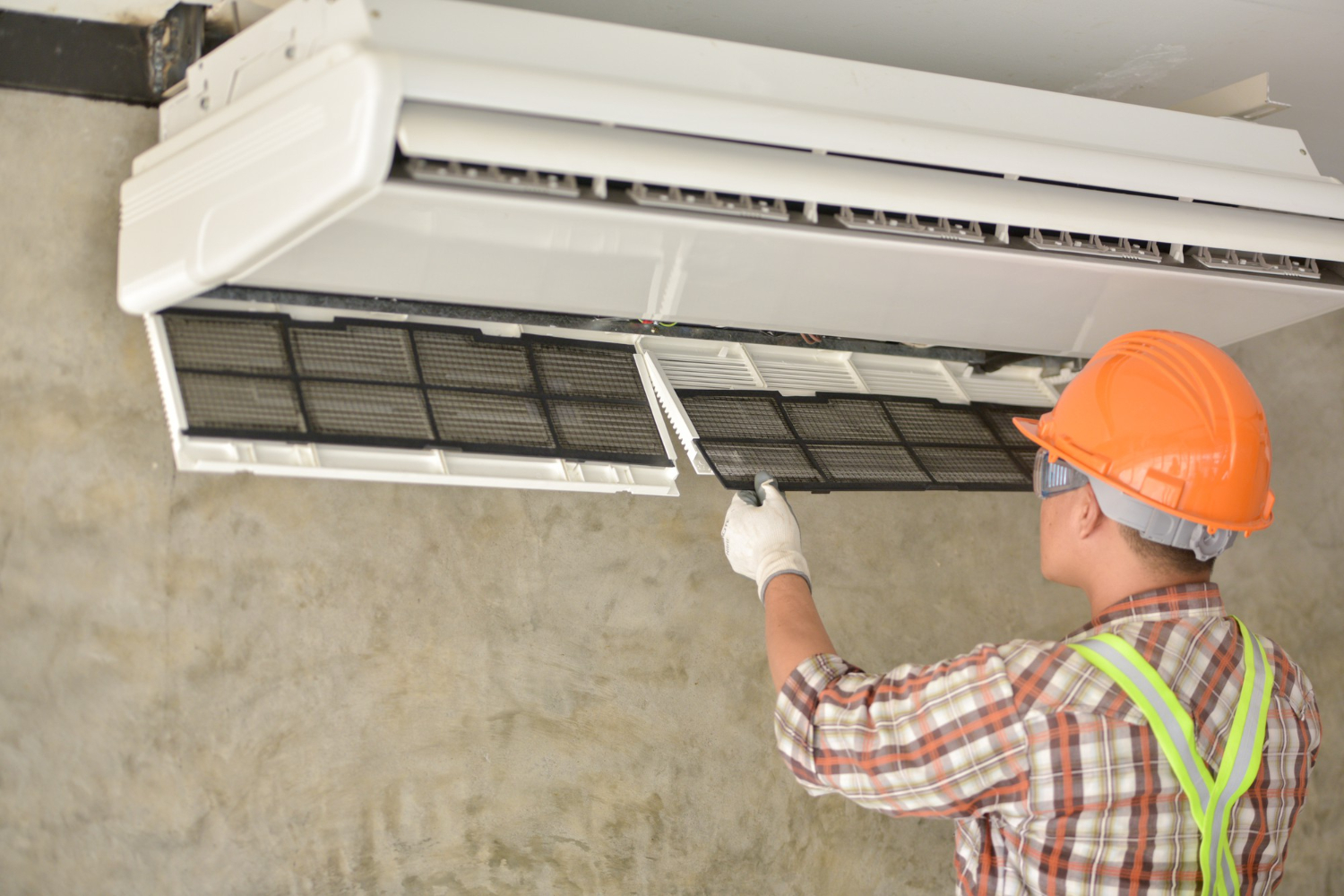
A severely clogged air filter can stop your furnace in its tracks. When the filter is packed with dust and debris, it restricts airflow, which can cause the furnace to overheat and shut down as a safety precaution. Before checking, make sure your furnace is turned off. Locate the filter compartment, slide the old filter out, and hold it up to a light. If you can't see light through it, it’s definitely time for a replacement. Swapping in a clean filter is one of the easiest and most effective ways to keep your furnace running smoothly and efficiently.
Confirm the Gas Valve is Open
If you have a gas furnace, it needs a steady supply of natural gas to create heat. Near your furnace, you'll find a gas line with a shut-off valve. The valve is open when the handle is parallel to the gas pipe. If the handle is perpendicular, it's closed, and no gas is flowing to the unit. Turn the handle so it's parallel with the pipe. If you suspect a wider gas supply issue, check another gas appliance in your home, like your stove. If that isn't working either, you should contact your utility company immediately.
Clear Vents and Intake Pipes
Your furnace needs to breathe. Proper airflow is critical for it to heat your home effectively and safely. Start by walking through your house and making sure all the heating vents (also called registers) are open and not blocked by furniture, rugs, or curtains. If you have a high-efficiency furnace, it will have plastic pipes leading outside for intake and exhaust. Check these pipes to ensure they aren't blocked by snow, ice, leaves, or animal nests. Clearing any obstructions will restore airflow and might be all it takes to get your system running again.
Quick Fixes You Can Handle Yourself
Before you pick up the phone, there are a few simple troubleshooting steps you can take that might solve the problem right away. Many common furnace issues have surprisingly easy fixes that don't require a technician. Working through this checklist can save you time and the cost of a service call. Just remember to prioritize your safety and never attempt a repair you’re not comfortable with. These quick checks are designed to be straightforward and address the most frequent culprits behind a furnace that won't start.
Replace the Air Filter
A clogged air filter is one of the most common reasons a furnace stops working correctly. Think of it like trying to breathe through a thick blanket; if air can't get through, your system can't do its job and may even shut down to prevent overheating. To check yours, first turn off the power to your furnace. Locate the filter, which is usually in a slot between the main unit and the return air duct. Slide it out and hold it up to a light. If you can't see the light clearly through it, it’s time for a replacement. A clean air filter is essential for healthy airflow.
Adjust the Thermostat (and Check the Batteries)
Sometimes the issue isn't with the furnace at all, but with the device that tells it what to do. Start with the simplest check: make sure your thermostat is set to "heat." Then, try turning the temperature setting up at least five degrees higher than the current room temperature to see if it kicks the furnace on. If the thermostat screen is blank or unresponsive, the batteries may have died. Most digital thermostats have a small panel that pops off, allowing you to easily swap in a fresh pair. This simple step can often bring your heating system right back to life.
Reset the Circuit Breaker
Just like any other major appliance, your furnace is connected to a dedicated circuit in your home's electrical panel. If that circuit is overloaded, the breaker will trip to prevent damage. Head to your breaker box and look for the one labeled "furnace," "HVAC," or "air handler." A tripped breaker will be shifted to the middle or "off" position. To reset it, you must first push the switch firmly to the "off" position and then flip it back to "on." This is a key step in electrical safety that many people miss.
Unblock Outdoor Vents
High-efficiency furnaces often have plastic pipes that vent outside your home. These intake and exhaust vents are critical for your furnace to operate safely and effectively. Take a quick walk outside and inspect them. Here in Colorado, it’s common for heavy snowfall, ice, or drifting leaves to block these openings. Carefully clear away any obstructions you find. Ensuring these vents are free from debris allows your furnace to breathe properly, which might be all it needs to get running again.
How to Troubleshoot Your Furnace Safely
When your furnace acts up, it’s tempting to jump right into problem-solving mode. But before you try any hands-on fixes, it’s essential to put safety first. Your furnace is a powerful appliance that uses fuel and electricity, so a few simple precautions can protect you and your home. Taking a moment to run through these safety basics is the most important step in any DIY furnace check. Your well-being is the top priority, and these guidelines will help you inspect your system with confidence.
Shut Off Power and Gas First
Before you open any panels or inspect internal parts, you must cut the power to the furnace. Head to your home’s breaker box or electrical panel and flip the switch connected to your furnace to the "Off" position. This simple action prevents any risk of electrical shock and ensures the system can’t accidentally turn on while you’re working. If you’re comfortable doing so, you can also shut off the gas supply by turning the valve on the gas line leading to the furnace. This is especially important if you smell gas or are working near the burner assembly.
Know the Signs of a Gas Leak
A natural gas leak is a serious emergency that requires immediate action. Natural gas is odorless, so utility companies add a chemical called mercaptan to give it a distinct smell, often described as rotten eggs or sulfur. If you notice this smell in your home, do not try to find the source yourself. Don’t turn any lights on or off, and don’t use your phone or any electronics inside. Immediately evacuate everyone from the house, and from a safe distance, call your gas company’s emergency line or 911. Never hesitate; a professional needs to handle this situation right away.
Test Your Carbon Monoxide Detectors
Your furnace produces carbon monoxide (CO) as a part of the heating process, but it’s designed to vent this dangerous gas safely outside. A malfunctioning furnace, however, can cause CO to leak into your home. Since carbon monoxide is colorless and odorless, the only way to know it’s there is with a working detector. You should have CO detectors installed near your furnace and on every level of your home, especially outside sleeping areas. Test them monthly by pressing the "Test" button, and replace the batteries at least once a year.
Clear the Area Around the Furnace
Your furnace needs room to breathe. Proper airflow is critical for it to run efficiently and safely, so the space around it should always be clear. Never store flammable materials like paint, gasoline, cleaning supplies, or even paper products nearby. Piling boxes, laundry, or other items around the unit can create a serious fire hazard and block the airflow it needs to operate correctly. Keeping at least three feet of clear space around your furnace also ensures that a technician has safe and easy access when it’s time for annual maintenance or repairs.
When Is It Time to Call a Professional?
You’ve checked the thermostat, inspected the filter, and reset the breaker, but your home is still cold. While it’s great to be a hands-on homeowner, some furnace problems are too complex or dangerous to tackle on your own. Recognizing the signs that you need an expert can save you time, prevent further damage, and keep your family safe. If you notice any of the following issues, it’s best to put down the tools and pick up the phone to call a certified technician. These are clear indicators that a simple fix won’t cut it and professional expertise is required.
You Smell Gas or Suspect a CO Leak
This is the most critical sign, and it requires immediate action. Natural gas is odorless, so utility companies add a chemical called mercaptan to give it a distinct "rotten egg" smell. If you catch a whiff of this, you may have a gas leak. Do not turn any lights on or off, use your phone, or unplug any appliances. Immediately evacuate everyone from the house, and from a safe distance, call your gas company and a certified HVAC professional. A gas leak is an emergency that poses a serious risk of fire or explosion, and it should only be handled by an expert.
The Burner Flame Is Yellow, Not Blue
Take a look at your furnace’s burner flame, if you can see it safely. A healthy, efficient furnace produces a crisp blue flame. If you see a yellow or orange flame, it’s a red flag. A yellow flame indicates incomplete combustion, which means your furnace isn’t burning its fuel correctly. This is not only inefficient but can also lead to the production of dangerous carbon monoxide gas. This issue could stem from a dirty burner or a problem with the gas-to-air mixture. Don’t attempt to adjust the burner yourself; this is a job that requires a professional technician’s tools and knowledge.
The Circuit Breaker Keeps Tripping
If your furnace trips the circuit breaker once, resetting it might solve the problem. However, if the breaker trips repeatedly, you have a persistent electrical issue. This is your home’s safety system telling you that the furnace is drawing too much power, which could be caused by a failing motor, frayed wiring, or a short circuit. Continuously resetting the breaker won’t fix the underlying problem and can create a serious fire hazard. Stop resetting it and call an expert to diagnose and repair the electrical fault safely.
You Hear Loud or Unusual Noises
Your furnace should operate with a gentle hum. Loud, sudden, or strange noises are a cry for help. Banging or popping sounds could point to a problem with your ducts or a delayed ignition, which can stress the system. Squealing or screeching often signals an issue with a belt or the blower motor’s bearings. A rattling sound might mean a component has come loose. Ignoring these sounds can lead to a complete system breakdown. It’s best to turn the furnace off and schedule a professional inspection to prevent a small issue from becoming a major, expensive repair.
Your DIY Fixes Aren't Working
You’ve given it your best shot. You replaced the air filter, checked the thermostat batteries, and made sure all the vents are open, but the furnace still won’t cooperate. When you’ve exhausted all the basic troubleshooting steps and are still without heat, it’s time to call in a professional. Continuing to run a malfunctioning furnace or attempting more complex repairs without proper training can cause more damage to the unit and compromise your home’s safety. An experienced technician has the diagnostic tools and expertise to find the root cause of the problem and fix it correctly.
How to Prevent Furnace Problems Before They Start
The best way to deal with a furnace breakdown is to stop it from happening in the first place. A little proactive care goes a long way in keeping your system running reliably all winter. These simple habits can help you extend the life of your furnace, improve its efficiency, and prevent an emergency call on a cold Colorado night. Think of it as a small investment of time that pays off in comfort and peace of mind.
Change Your Air Filter Regularly
A dirty air filter is one of the most common and easily preventable causes of furnace problems. When the filter is clogged with dust and debris, it restricts airflow, forcing your system to work much harder to warm your home. It’s like trying to breathe with your hand over your mouth. To check your filter, simply turn off the furnace and hold the filter up to a light. If you can’t see the light passing through, it’s time for a new one. Plan on replacing it every one to three months to maintain good indoor air quality and keep your furnace running smoothly.
Schedule Annual Professional Maintenance
Your furnace is a complex piece of equipment that benefits from a professional tune-up, just like your car. Scheduling an inspection at the start of each heating season is the best way to ensure your system is safe and ready for winter. A qualified technician can clean essential components, check for carbon monoxide leaks, and identify potential problems before they lead to a complete breakdown. Our essential maintenance plans are designed to catch minor issues early, saving you from the stress and expense of a major repair down the road.
Keep the Furnace Area and Vents Clear
Your furnace needs adequate space to operate safely and effectively. The area immediately surrounding your furnace should always be free of clutter, especially flammable items like paint, cleaning supplies, or old rags. Because furnaces generate heat through combustion, storing flammable materials nearby is a significant fire hazard. It’s also a good idea to walk through your home and ensure that all heating vents and return air grilles are not blocked by furniture, rugs, or curtains. Clear pathways allow warm air to circulate freely, heating your home more evenly.
Watch for Changes in Your Energy Bills
Your monthly utility bill can offer clues about your furnace's health. If you notice a sudden and significant increase in your heating costs that isn't tied to a cold snap, it could be a sign that your furnace is struggling. A system that is losing efficiency has to run longer and work harder to maintain your desired temperature, which directly translates to higher energy consumption. Paying attention to these changes can help you identify a problem early. Consistent, preventive furnace maintenance is key to keeping your system running efficiently and your bills predictable.
How to Stay Warm While You Wait for a Repair
Once you’ve made the call for a professional repair, the waiting game begins. But you don’t have to shiver in discomfort until help arrives. Taking a few proactive steps can keep your family warm and protect your home from further issues caused by the cold. Here’s how you can create a cozy and safe environment while you wait for your technician.
Use Space Heaters Safely
Portable space heaters can be a lifesaver when your furnace is out, but they come with their own set of rules. To use them correctly, place them on a flat, hard surface at least three feet away from anything flammable, like curtains, bedding, or furniture. Never leave a space heater running unattended, especially when you’re sleeping or if you leave the house. It’s also a good idea to plug them directly into the wall outlet, as extension cords can overheat. Most importantly, if you smell gas, do not turn on any electrical devices. Leave your home right away, then call your gas company and a professional heating service for emergency help.
Layer Up and Block Drafts
This is the time to break out your coziest sweaters, thickest socks, and warmest blankets. Dressing in layers is one of the simplest and most effective ways to conserve body heat. You can also make your home feel warmer by blocking drafts. Roll up towels and place them at the bottom of drafty doors. Close the curtains or blinds to add a layer of insulation to your windows. To make the most of your body heat and any space heaters, have your family gather in one room. Closing the doors to unused rooms will contain the warmth where you need it most. Making a round of hot chocolate or tea can also help everyone feel a little warmer from the inside out.
Protect Your Pipes from Freezing
A non-working furnace in the middle of a Colorado winter doesn’t just make you cold; it puts your plumbing at risk. When your home’s temperature drops, your pipes can freeze and potentially burst, leading to a much bigger problem. To help prevent frozen pipes, open the cabinet doors under your kitchen and bathroom sinks. This allows the warmer air in your home to circulate around the plumbing. You can also turn on your faucets to a slow drip, as moving water is less likely to freeze. It’s a small step that can save you from a major headache and expensive water damage.
Frequently Asked Questions
How often should I really change my furnace filter? The one-to-three-month rule is a great starting point, but your home is unique. If you have pets, live in a dusty area, or have family members with allergies, you should check it monthly. A simple test is to hold the filter up to a light. If you can't see the light clearly, it's time for a new one. Staying on top of this simple task is the best way to keep your system breathing easy.
Is it dangerous if my furnace's flame is yellow instead of blue? Yes, this is a sign you shouldn't ignore. A healthy furnace flame should be a steady, crisp blue. A yellow or flickering flame suggests the fuel isn't burning completely, which can create carbon monoxide. This is not only inefficient but also a serious safety risk. Please turn off your furnace and call a professional technician to diagnose and fix the issue safely.
My furnace breaker keeps tripping. What should I do? Resetting a tripped breaker once is fine, but if it happens again, you should stop. A breaker that trips repeatedly is a clear warning of an underlying electrical problem with your furnace. Continuously resetting it can create a fire hazard. It's time to leave the breaker off and call a certified technician to find and repair the electrical fault.
What are the most important signs that I need to call for a repair right away? Your safety is the top priority, so there are a few situations that are non-negotiable. If you smell gas (like rotten eggs), hear loud banging or screeching noises, or see a yellow burner flame, you should call for professional help immediately. These symptoms point to problems that are too complex or dangerous for a DIY fix.
Besides changing the filter, what's the best thing I can do to prevent my furnace from breaking down? Scheduling an annual professional tune-up is the single most effective step you can take. Think of it as a check-up for your heating system. A technician will clean critical parts, inspect for wear and tear, and test safety controls. This yearly service catches small issues before they become major, expensive breakdowns on a cold winter night.