.png)





.png)

Modern cold-climate heat pumps have changed the heating and cooling conversation for many Western Slope homeowners. In Grand Junction, Montrose, and Delta, these systems can deliver efficient year-round comfort from a single piece of equipment—provided they are properly designed and installed for our climate. This guide covers realistic costs, performance expectations, and how to decide whether a heat pump or dual-fuel system is right for your home.
Key Takeaways
- Installed costs typically range from $8,000 to $18,000+ depending on capacity, efficiency, and existing infrastructure.
- Today’s cold-climate models maintain useful heating capacity well below freezing.
- Dual-fuel systems that pair a heat pump with a gas furnace offer excellent reliability in our coldest weather.
- Federal tax credits and utility rebates can significantly improve the financial picture.
- Cooley’s Heating, Cooling & Plumbing designs and installs systems specifically matched to Western Slope conditions.
How Heat Pumps Work in Our Climate
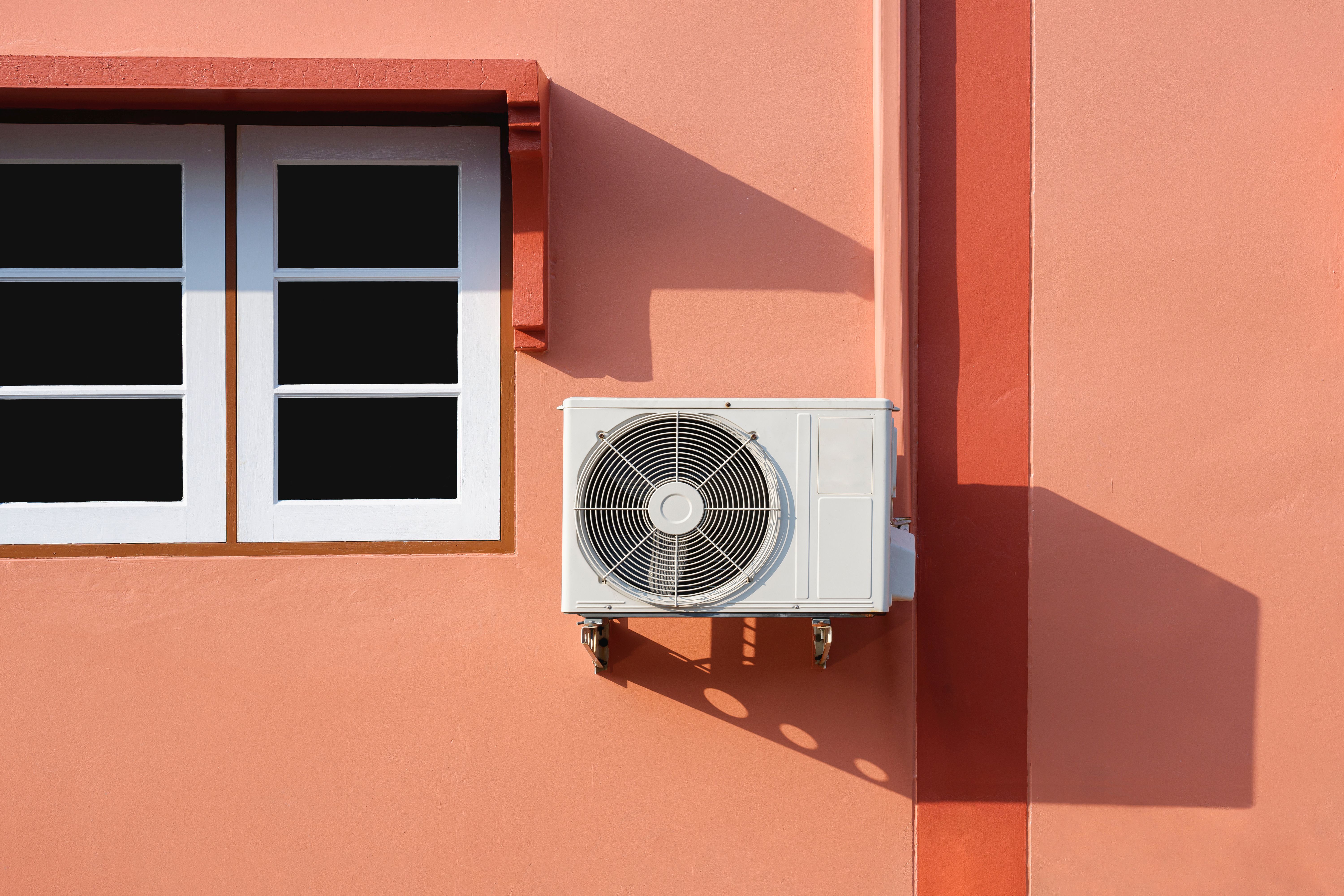
A heat pump moves heat rather than generating it by combustion. In cooling mode it functions like a high-efficiency air conditioner. In heating mode it extracts heat from outdoor air—even cold air—and delivers it indoors. Inverter-driven compressors and advanced refrigerants allow modern units to operate effectively at temperatures common in Grand Junction, Montrose, and Delta winters.
When a Dual-Fuel System Makes Sense
Below certain outdoor temperatures the heat pump’s efficiency drops and a gas furnace can take over. A dual-fuel (or hybrid) system automatically switches between the two based on outdoor temperature and cost of energy. This combination gives you the efficiency of a heat pump most of the year plus the reliable high-output heat of gas when temperatures plunge.
Cost Breakdown
Equipment, labor, any needed electrical upgrades, line-set work, thermostat integration, and possible duct modifications all influence the total. Homes replacing both a furnace and air conditioner often see the best overall value because the heat pump handles both functions. Available incentives can reduce the net cost substantially.
Efficiency, Comfort, and Operating Cost Advantages
Heat pumps provide steady temperatures, excellent dehumidification in summer, and often lower annual energy costs than older furnaces paired with standard air conditioners. Variable-speed operation means quieter performance and better humidity control—valuable benefits in our dry climate.
Is a Heat Pump Right for Your Home?
Strong candidates include homes with good insulation and air sealing, those currently using electric resistance heat, and owners who want to reduce fossil-fuel use or take advantage of incentives. A detailed Manual J load calculation and site assessment by Cooley’s technicians determine exact capacity needs and whether a dual-fuel approach is recommended.
The Installation Process
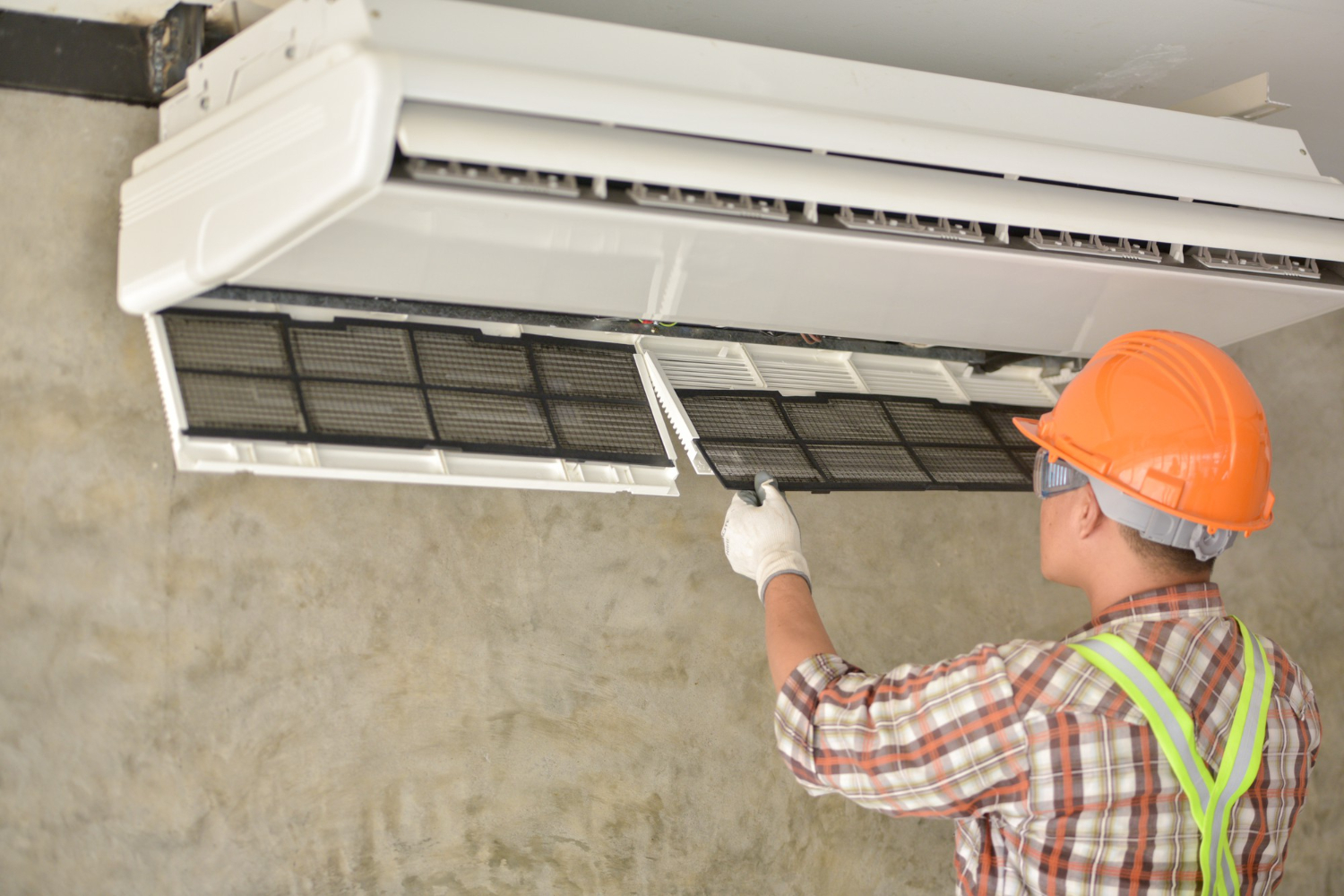
Proper installation is critical. Cooley’s Heating, Cooling & Plumbing handles load calculation, equipment selection, electrical and refrigerant work, duct evaluation, and commissioning so the system performs as designed from day one.
A correctly specified and installed heat pump or dual-fuel system can deliver reliable comfort, lower operating costs, and a more future-ready home for many Western Slope residents. Contact Cooley’s for a personalized evaluation in Grand Junction, Montrose, or Delta.
Frequently Asked Questions
- Do heat pumps work when it’s below freezing? Yes—modern cold-climate models are designed for it; dual-fuel systems provide extra assurance.
- How long do heat pumps last? Typically 12–15 years or more with proper maintenance.
- Are there current incentives? Federal tax credits and some utility rebates are often available—ask Cooley’s for the latest details.
- Can a heat pump replace both my furnace and AC? In many cases yes, especially with a dual-fuel setup.