.png)





.png)

One of the most frequent calls we receive from homeowners involves a heat pump not cooling because the outside unit not running. While it seems like a major failure, the outdoor unit is designed to shut down for several reasons, many of which are for its own protection. The problem often falls into one of three categories: a power supply issue, a communication breakdown with the thermostat, or a physical obstruction that’s causing it to overheat. By systematically checking each of these areas, you can quickly diagnose the situation. This guide provides a clear, step-by-step process to help you identify the root cause and determine if it’s a simple fix or time to call in the professionals.
Key Takeaways
- Check the simple stuff first: Before calling for help, always check your thermostat settings, circuit breaker, and air filter. These common culprits are often the source of the problem and are easy to fix yourself.
- Know when to call a professional: For your safety, leave complex issues to the experts. If your breaker keeps tripping, you smell something burning, or hear loud, unusual noises, it’s time to schedule a service call.
- Proactive care is your best defense: Keep your heat pump running smoothly by changing the air filter regularly and scheduling an annual professional tune-up. This simple routine helps prevent surprise breakdowns and extends the life of your system.
Why Did My Outdoor Heat Pump Unit Stop Running?
When your outdoor heat pump unit suddenly stops working, it’s easy to assume a major, expensive problem is at hand. But often, the cause is something surprisingly simple. Before you worry, it’s worth checking a few key areas to see if you can identify the issue. The problem often falls into one of three categories: a power supply issue, a broken internal part, or a problem with the thermostat that controls the system. Walking through these common culprits can help you figure out your next steps.
Is It Getting Power?
The first and simplest thing to check is whether your unit is receiving power. Much like any other major appliance, your heat pump is connected to your home’s electrical system and protected by a circuit breaker. Head to your main electrical panel and look for a breaker labeled “AC,” “Heat Pump,” or “Outdoor Unit.” If that breaker is in the “off” or middle position, a power surge may have caused it to trip. You can try resetting it once by flipping it completely off and then back on. If it trips again immediately, leave it off and call a professional, as this indicates a more serious electrical issue.
Could a Part Be Broken?
If the unit has power but the fan isn’t spinning, you might be dealing with a failed component. One of the most common reasons a heat pump fan stops running is a bad capacitor. The capacitor is a small part that gives the fan motor the jolt it needs to start and run. If the capacitor fails, you might hear a humming or buzzing sound from the outdoor unit, but the blades won't move. Other issues could include a burnt-out fan motor. These types of repairs involve handling high-voltage electrical components and should always be left to a trained technician. Trying to fix them yourself can be dangerous and may cause more damage.
Is Your Thermostat the Problem?
Sometimes the problem isn’t with the outdoor unit at all, but with its control center: the thermostat. An incorrect setting can prevent your heat pump from turning on. First, make sure the thermostat has fresh batteries. Then, confirm it’s set to “cool” and the temperature is set at least 3-5 degrees below the current room temperature. If the thermostat isn’t correctly signaling the need for cooling, the outdoor unit will never get the message to start. A faulty thermostat or loose wiring can also be the culprit, preventing proper communication with your HVAC system.
What to Check First When Your Heat Pump Isn't Cooling
When your home starts feeling warm and stuffy on a hot day, it’s easy to assume the worst about your heat pump. Before you panic and start picturing a costly repair, take a deep breath. Often, the reason your heat pump isn't cooling is due to a simple issue you can fix yourself in just a few minutes. It’s always a good idea to run through a quick checklist of common culprits before calling for backup. These simple troubleshooting steps can save you time, stress, and the cost of a service call.
We’ll walk through four key areas to inspect: your thermostat settings, the circuit breaker, the outdoor unit, and the air filter. These are the most frequent and easily fixable problems homeowners encounter. By checking these things first, you can rule out the simple stuff. If you go through these steps and your heat pump still isn't working, you'll know it's time to call in the professionals. Having this information also helps you give our technicians a clearer picture of the problem, which helps us get your system back up and running even faster. For ongoing peace of mind, consider a maintenance plan to prevent many of these issues from happening in the first place.
Review Your Thermostat Settings
It might sound too simple to be true, but you’d be surprised how often the thermostat is the source of the problem. Someone in the house might have accidentally changed the settings, or a power flicker could have reset it. First, check that the thermostat is set to "cool." If it’s on "heat" or "off," you’ve found your easy fix. Next, make sure the temperature setting is lower than the current room temperature. Your heat pump won’t kick on to cool the house if the thermostat thinks it’s already cool enough. Also, check if the fan is set to "auto" instead of "on." If the fan is "on," it will run continuously, even when the cooling cycle isn't active, blowing unconditioned air through your home.
Look at the Circuit Breaker
Your heat pump is a powerful piece of equipment that requires a dedicated electrical circuit. If that circuit gets overloaded, the breaker will trip to prevent damage. Head to your home's main electrical panel (it's usually in the garage, basement, or a utility closet) and look for the breakers labeled for your HVAC system, heat pump, or air handler. If a breaker is in the "off" or a middle position, flip it firmly back to the "on" position. If the breaker trips again immediately or frequently, don't keep resetting it. This indicates a more serious electrical issue that needs professional attention. In that case, it's best to give our team of expert technicians a call.
Clear Debris From the Outdoor Unit
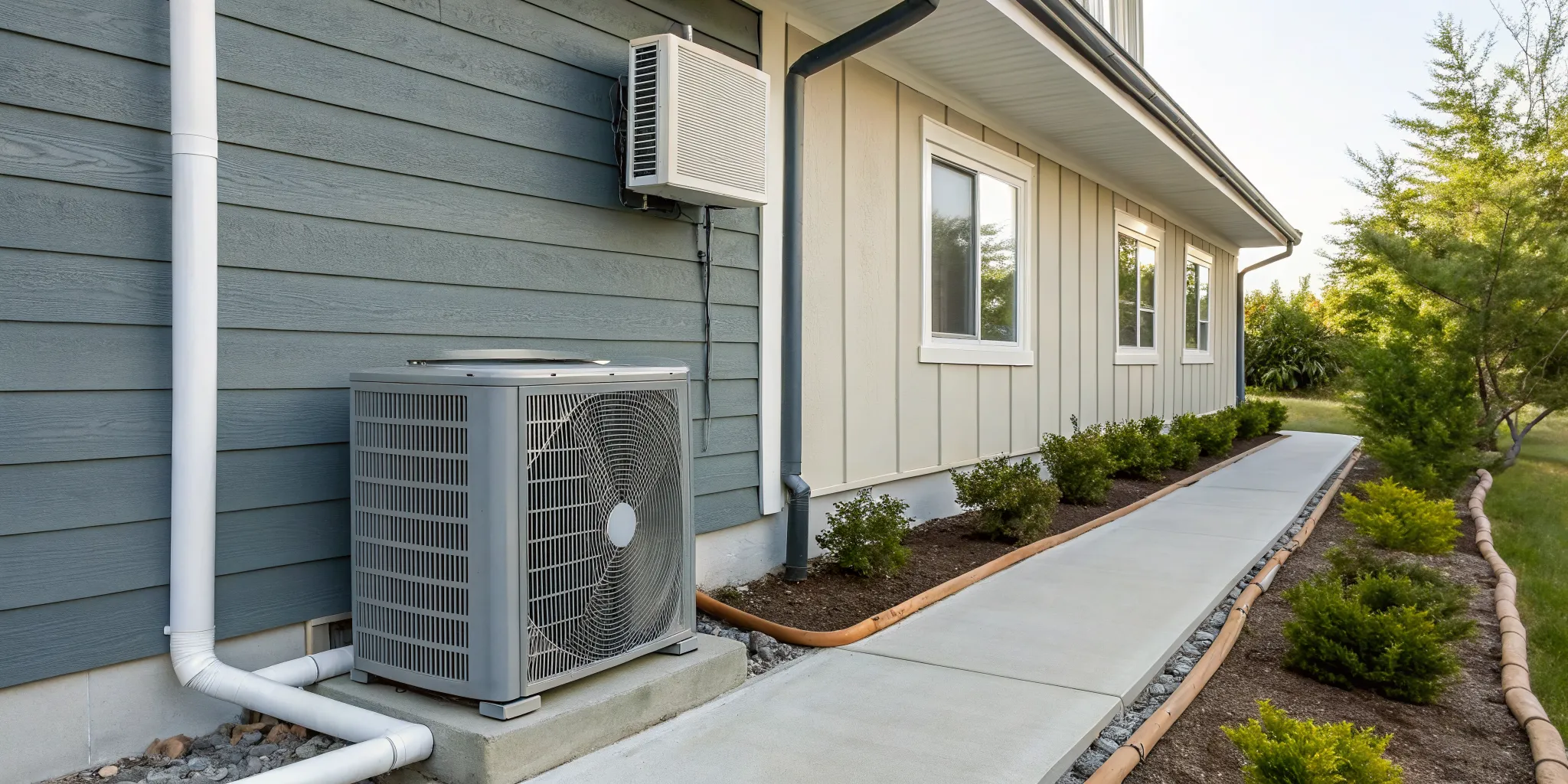
Your outdoor heat pump unit works by pulling in air and transferring heat out of your home. For it to do its job effectively, it needs clear, unobstructed airflow. Take a walk outside and inspect the unit. Over time, things like leaves, grass clippings, dirt, and even cottonwood fluff can build up on the fins and block the coil. This forces the system to work harder, reduces its efficiency, and can cause it to overheat and shut down. Gently clear away any visible debris from the top and sides of the unit. It’s also a good idea to trim back any shrubs or plants to ensure there are at least two feet of clear space around the entire unit.
Inspect the Air Filter
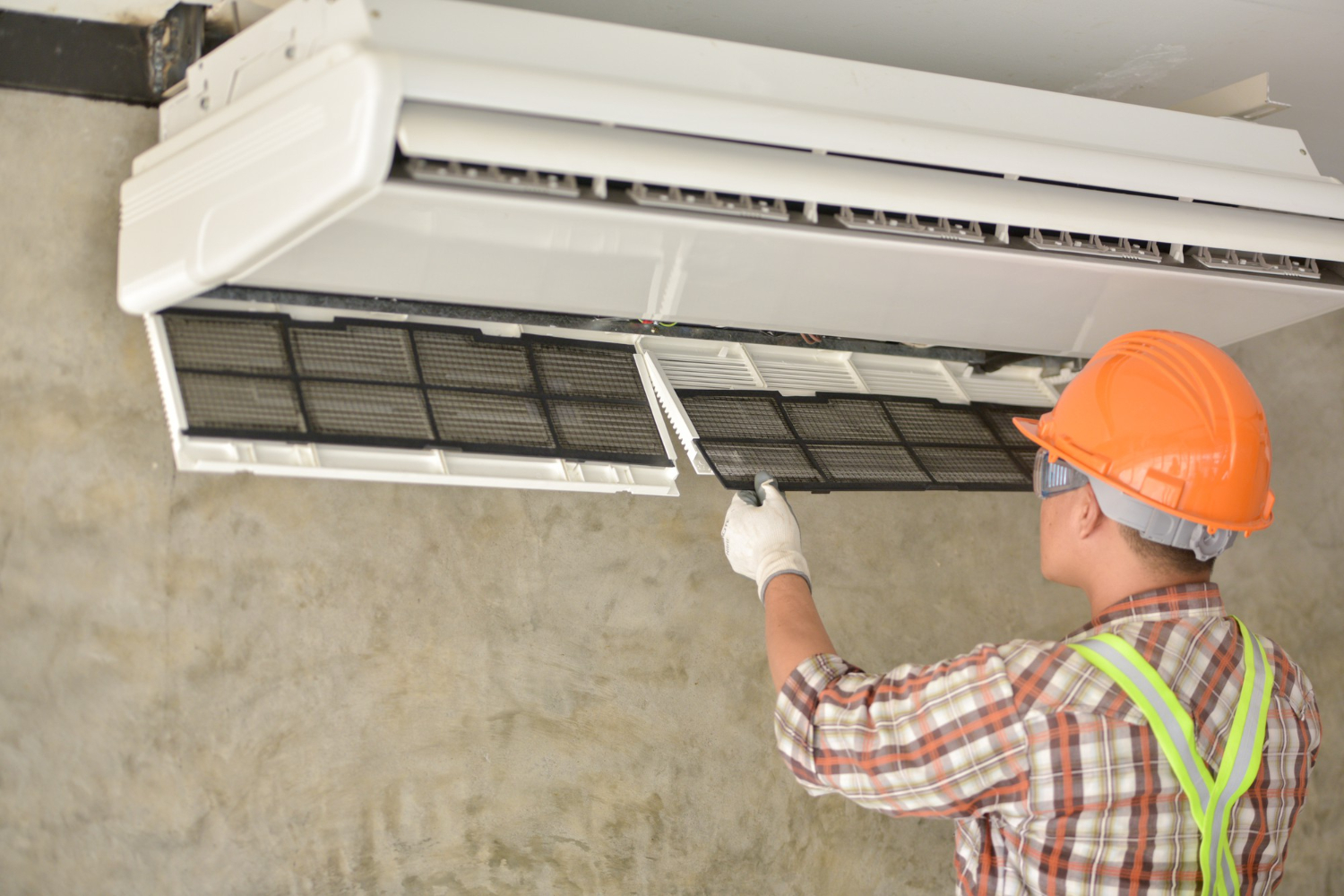
A dirty air filter is one of the most common causes of HVAC problems, and luckily, it's also the easiest to fix. The filter's job is to trap dust, pollen, and other airborne particles, but when it gets clogged, it restricts airflow to the system. This lack of airflow can cause the indoor coil to freeze up, which completely stops the cooling process. It also puts a major strain on your system's components. Check your air filter, which is typically located inside the indoor air handler or in a return air vent. If it looks gray and clogged with dirt, replace it with a new one. Making a habit of checking your filter monthly is a great way to keep your system running smoothly.
How to Know If It's an Electrical Problem
When your heat pump suddenly quits, an electrical issue is often the culprit. These problems can range from a simple tripped breaker to a worn-out component inside the unit. Before you assume the worst, a few quick checks can help you figure out if the problem is electrical. Identifying the signs can give you a better idea of what’s happening and help you explain the issue when you call for professional help. Remember to always prioritize safety; working with electricity can be dangerous. Here are a few things to look for that point to an electrical fault.
Tripped Breakers and Blown Fuses
A good first stop is your home's main electrical panel. Find the circuit breaker connected to your heat pump, which is often labeled "AC," "HVAC," or "Heat Pump." If the switch is in the "OFF" or a middle position, it has tripped. Try flipping it firmly back to the "ON" position. If it stays on, your problem might be solved. However, if the breaker trips again right away or continues to trip frequently, there’s likely a more serious electrical problem. This is the system’s way of protecting itself, and you should have a professional diagnose the underlying cause.
Signs of a Bad Capacitor
If you can hear a humming or buzzing sound coming from your outdoor unit but the fan isn't spinning, you might have a bad capacitor. The capacitor is a small but vital part that gives the fan motor and compressor the jolt of energy they need to start up. When it fails, the motors can't get going, but they will still try, which creates that distinct humming noise. Replacing an HVAC capacitor is a job for a trained technician, as these components can hold a dangerous electrical charge even when the power is off.
Faulty Wires and Loose Connections
Your outdoor unit is exposed to all sorts of weather, and over time, this can take a toll on its wiring. Connections can become loose, or wires can get frayed or damaged by moisture or even critters. When this happens, the flow of electricity to the unit is interrupted, which can prevent the fan or the entire system from running. While you might be able to spot a visibly damaged wire, it’s best to leave any electrical repairs to a professional. They can safely diagnose the issue and ensure all connections are secure and up to code, preventing future problems and potential hazards.
Listen for Electrical Noises
Sometimes, your ears can tell you what’s wrong. If your unit is completely silent when it should be running, it’s a clear sign it isn’t getting power. On the other hand, listen for unusual sounds. Loud buzzing, persistent clicking, or humming noises (especially if the fan isn’t moving) often point to an electrical component that is failing or struggling to work. These sounds are not normal and are your unit’s way of telling you it needs professional HVAC services to prevent further damage. Don't ignore these auditory clues; they can help a technician pinpoint the problem faster.
How to Safely Troubleshoot Your Outdoor Unit
When your heat pump stops running, a few quick checks can often reveal a simple fix. Before calling for service, you can safely inspect your outdoor unit to rule out common problems. These troubleshooting steps are easy for any homeowner and can save you time and worry. We’ll guide you through what to look for, starting with the most important step: safety.
Safety First: What to Do Before You Start
Always begin by cutting all power to your outdoor unit. First, go to your home’s main electrical panel and switch the breaker for your heat pump to the “OFF” position. Then, locate the exterior disconnect switch, a small metal box near the unit, and turn it off too. This might involve pulling a handle or flipping a switch. Taking this step is essential to prevent serious injury while you work. Your safety is the top priority, so never skip this step, even for a quick look.
Perform a Quick Visual Check
With the power safely off, look for obvious issues. Your outdoor unit needs clear space to work properly, so clear away any leaves, grass clippings, or other debris piled against it. This buildup can block critical airflow and cause the system to overheat. Next, inspect the metal fins, or coils, that wrap around the unit. If they are caked with a thick layer of dirt or cottonwood fluff, they can’t release heat effectively. A gentle cleaning can sometimes solve the problem. Also, peek through the top grate to ensure nothing is physically obstructing the fan blades.
Try a Simple Reset
Once you’ve cleared any debris, it’s time to try a reset. Restore power first at the outdoor disconnect switch, then at the main breaker panel. Head inside and set your thermostat to cool, lowering the temperature a few degrees below the current room temperature. Wait several minutes to see if the unit kicks on. If the breaker trips again immediately, leave it off. A repeatedly tripping breaker signals an electrical fault that requires a professional diagnosis to ensure a safe and correct repair.
Check the Disconnect Switch
The disconnect switch is a common culprit and very easy to check. This switch, usually in a small gray box mounted on the wall near your outdoor unit, can be accidentally turned off during yard work. Open the box and make sure the handle is fully inserted or the switch is flipped to the “ON” position. If it was off, turning it back on may be all you need to do. If it’s already on and the unit still won’t start, you’ve successfully ruled out a simple issue and know it’s time to look deeper.
When Is It Time to Call a Professional?
You’ve done a great job trying to figure out what’s going on with your heat pump. While many minor issues can be solved with a little troubleshooting, some problems require a trained eye and specialized tools. Knowing when to step back and call for help is key to protecting your system from further damage and keeping your family safe. If you notice any of the following signs, it’s time to put down the tools and pick up the phone.
You Suspect Refrigerant Leaks or Electrical Faults
Some issues are simply too hazardous for a DIY fix. If your circuit breaker keeps tripping every time the heat pump tries to start, you’re likely dealing with a serious electrical fault. Attempting to fix complex wiring or other electrical components yourself is dangerous and can create a significant fire risk. Similarly, refrigerant is a regulated chemical that requires careful handling by a certified technician. A leak not only stops your system from cooling effectively but is also harmful to the environment. For these complex problems, it’s always best to schedule a professional repair to ensure the job is done safely and correctly.
The Unit Is Frozen or the Compressor Is Failing
Seeing a solid block of ice on your outdoor unit is a definite red flag. While a light layer of frost can be normal in certain conditions, thick ice suggests a deeper problem. This could be caused by restricted airflow from a dirty filter or blocked vents, or it could point to a refrigerant issue that won’t resolve on its own. Another major warning sign comes from the compressor, the heart of your heat pump. If you hear loud or unusual noises like buzzing, humming, or clanking, the compressor could be failing. A failing compressor is a critical issue that needs immediate attention from an expert.
You Smell Something Burning
A burning or electrical smell coming from your heat pump is an emergency that requires immediate action. This odor almost always indicates an electrical problem, such as an overheating motor, failing capacitor, or melting wire insulation. Do not ignore it or hope it goes away on its own. Your first step should be to shut off all power to the unit at your home’s circuit breaker to prevent a fire. This is a serious safety hazard, and the system should not be run until it has been thoroughly inspected and repaired by a qualified HVAC technician. Your safety is the top priority.
You've Tried Everything and It's Still Not Working
Sometimes, even after you’ve checked all the basics, the heat pump still won’t cool your home. If you’ve gone through the troubleshooting checklist, reviewed the thermostat, cleaned the unit, and changed the filter, but nothing has changed, you’ve done all you can. Instead of getting frustrated, recognize that you’ve successfully ruled out the simple fixes. The problem is likely more complex, involving internal components that require specialized diagnostic tools. At this point, the most effective next step is to contact a professional. A technician can pinpoint the exact cause and get your system running efficiently again.
Keep Your Heat Pump Running Smoothly
An ounce of prevention is worth a pound of cure, especially with your heat pump. Staying on top of a few key tasks can help you avoid a system failure on the hottest day of summer. These simple habits will keep your unit working efficiently, extend its lifespan, and give you peace of mind. Here’s how you can keep your heat pump in top shape.
Simple Monthly Maintenance
A little attention each month goes a long way. The single most effective thing you can do is check your air filter. A clogged filter forces your system to work harder, reducing efficiency and straining components. Regular maintenance, like changing air filters and cleaning outdoor coils, can prevent many problems and keep your heat pump running efficiently. Make it a habit to inspect your filter monthly and replace it when it looks dirty, which is typically every one to three months. This simple step improves your home's air quality and keeps your system breathing easy.
Seasonal Care for Your Outdoor Unit
Your outdoor unit needs some love, too. Throughout the year, you should regularly clear away leaves, sticks, and other debris from around your heat pump to ensure proper airflow. A two-foot clearance is a good rule of thumb. In the winter, be mindful of ice buildup. If you notice a layer of ice on the unit, it's best to turn the system off and let it melt on its own. Trying to chip the ice away can damage the delicate fins. Keeping the area clear helps your heat pump transfer heat effectively, which is its main job.
The Value of a Professional Tune-Up
While DIY maintenance is crucial, some jobs are best left to the experts. For most problems with your heat pump fan, especially if the motor is sticky or dead, you should call a trained HVAC technician. Attempting complex electrical or mechanical repairs yourself can be dangerous and might even void your warranty. A professional tune-up is a deep dive into your system’s health. A technician can spot worn-out parts, check refrigerant levels, and clean internal components you can’t reach. Scheduling regular HVAC maintenance ensures your system runs safely and efficiently all year long.
Related Articles
- How to Prepare Your Heating System for Winter
- Understanding Heating Systems
- Energy-Efficient Heating Solutions
- Cooling Tips for Hot Days
- Cooling System Upgrades
Frequently Asked Questions
What's the absolute first thing I should check if my heat pump isn't cooling? Before you do anything else, check your thermostat. It’s surprisingly common for settings to get changed by accident. Make sure it’s set to “cool” and that the target temperature is at least a few degrees lower than the current room temperature. If the settings are correct, your next stop should be the air filter. A severely clogged filter can stop airflow and prevent your system from cooling at all.
My circuit breaker for the heat pump keeps tripping. Is it okay to just keep resetting it? No, you should not keep resetting a breaker that trips repeatedly. A circuit breaker is a safety device designed to shut off power when it detects an overload or a fault. If it trips once, it's okay to try resetting it. But if it trips again right away, leave it off. This is a clear signal of a more serious electrical problem that needs to be diagnosed by a qualified technician to prevent damage or a potential fire hazard.
I hear a humming sound from my outdoor unit, but the fan isn't moving. What could that be? That humming sound is a classic sign of a bad capacitor. The capacitor provides the initial jolt of energy needed to get the fan motor started. When it fails, the motor tries to start but can't, which creates that distinct buzzing or humming noise. While a capacitor is a small part, it holds a powerful electrical charge even when the power is off, so replacing it is a job that should always be left to a professional.
How can I tell the difference between a simple problem I can fix and a serious one that needs a professional? Simple problems are usually related to settings or maintenance. Things like incorrect thermostat settings, a dirty air filter, or debris piled up against your outdoor unit are all things you can safely handle yourself. Serious problems often come with warning signs like burning smells, loud clanking or grinding noises, or recurring electrical issues. If you see a thick layer of ice on the unit or suspect a refrigerant leak, it's definitely time to call for expert help.
Besides changing the filter, what's the most important maintenance task I can do myself? Keeping your outdoor unit clear is the next most important task. Your heat pump needs to breathe, so take a few minutes every month or so to inspect it. Gently clear away any leaves, grass clippings, or dirt that has collected on the sides. It’s also a good idea to trim back any bushes or plants so there are about two feet of clear space around the entire unit. This simple step ensures proper airflow and helps your system run much more efficiently.