.png)




.png)

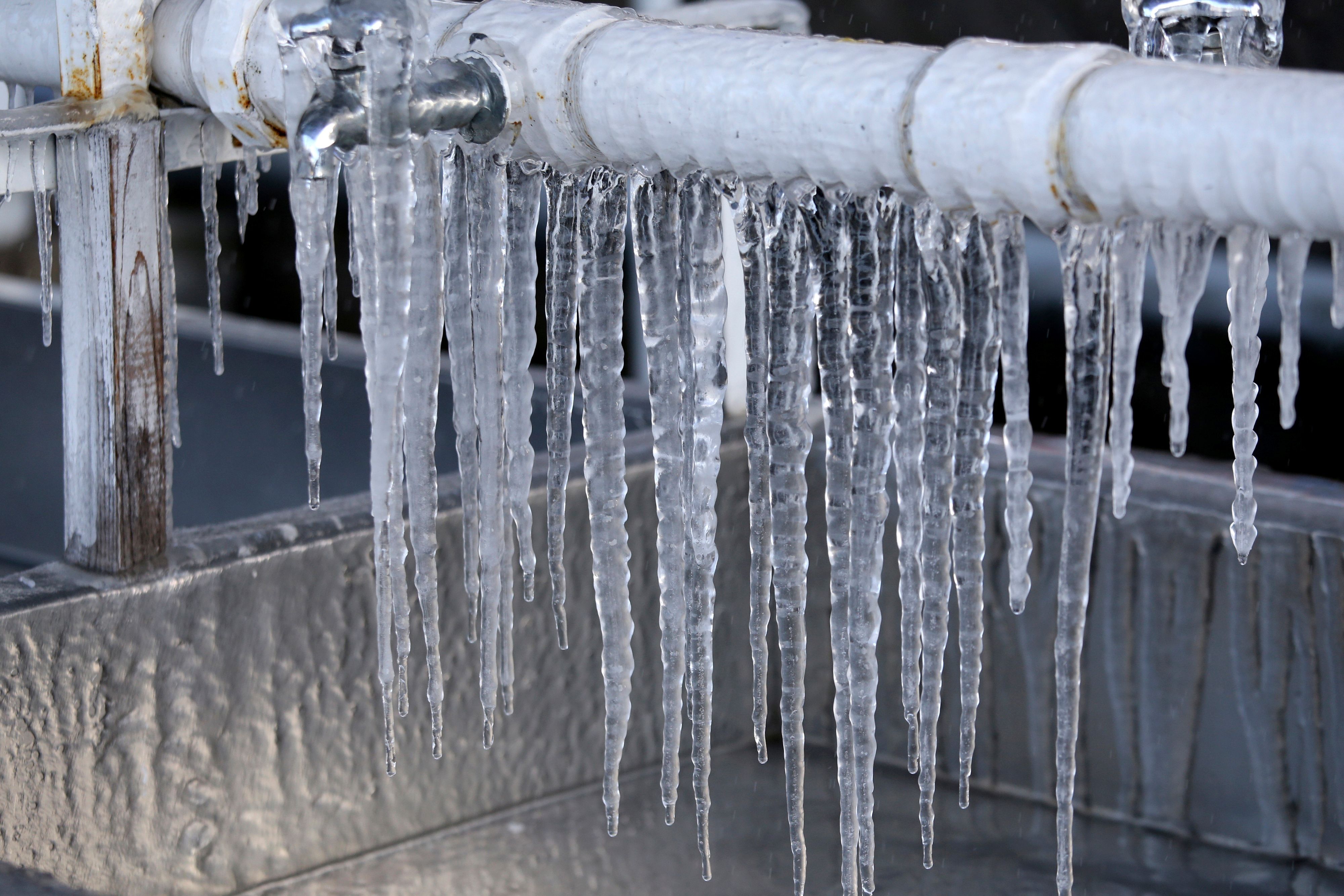
Frozen pipes are one of the most common and expensive winter plumbing problems on the Western Slope. A single freeze can lead to a burst pipe, extensive water damage, and thousands of dollars in repairs. The good news is that most freezes are preventable with straightforward steps. Whether you live in Grand Junction, Montrose, Delta, or the surrounding communities, these strategies will help keep your pipes flowing all winter.
Key Takeaways
- Maintain adequate indoor heat and insulate vulnerable pipes.
- Know the location of your main water shut-off before an emergency.
- Address problem areas in the fall, not after the first hard freeze.
- Cooley’s Heating, Cooling & Plumbing can inspect your home and recommend targeted solutions.
High-Risk Locations in Western Slope Homes
Pipes running through exterior walls, unheated crawl spaces, attics, garages, and under kitchen or bathroom sinks on outside walls are the most vulnerable. Homes with limited insulation or significant air leakage are at higher risk, as are properties that sit vacant for periods during winter.
Practical Prevention Steps You Can Take
- Insulate exposed pipes with foam pipe sleeves or fiberglass wrap.
- Keep garage doors closed and maintain indoor temperatures at 55°F or higher during extreme cold, even in unused rooms.
- Open cabinet doors under sinks on exterior walls so warm air reaches the plumbing.
- During the coldest nights, allow a thin trickle of water to run from faucets on vulnerable lines—moving water is much harder to freeze.
- Seal air leaks around pipes where they penetrate walls, floors, or the foundation.
- Disconnect and drain outdoor hoses; shut off and drain the interior valves that supply them.
Longer-Term and Professional Solutions
Add insulation to crawl spaces, rim joists, and attics. In chronically problematic areas, install thermostatically controlled heat tape or pipe heating cables. For some homes, relocating vulnerable lines or improving overall air sealing is the lasting fix. A plumbing inspection by Cooley’s Heating, Cooling & Plumbing can identify specific weak points and prioritize solutions for your Grand Junction, Montrose, or Delta home.
What to Do If Pipes Freeze
Act quickly but carefully. Open the faucet so melting ice and steam can escape. Apply gentle heat with a hair dryer, heating pad, or portable space heater—never an open flame or high-wattage device that could damage the pipe or create a fire hazard. If the pipe has already burst, shut off the main water supply immediately and call for professional help.
The Value of Prevention
A few hours of preparation each fall is far less expensive and stressful than dealing with water damage, mold remediation, and emergency plumbing repairs in the middle of winter. Cooley’s Heating, Cooling & Plumbing is ready to help with inspections, insulation recommendations, heat-tape installation, and rapid response if a freeze does occur.
Protecting your pipes is one of the highest-return maintenance tasks you can perform before Western Slope winter arrives. Take action early and enjoy greater peace of mind all season.
Frequently Asked Questions
- How cold does it have to be for pipes to freeze? Risk rises significantly when temperatures stay below 20°F for extended periods, especially with wind or poor insulation.
- Is heat tape safe? When installed correctly according to manufacturer instructions, yes.
- Should I turn off the water if I leave town in winter? Yes—shut off the main, open faucets to drain lines, and consider having someone check the home.
- Can Cooley’s help with prevention? Absolutely—we offer inspections and targeted solutions throughout the Western Slope.