.png)




.png)

When it comes to your HVAC system, you can either be reactive or proactive. Waiting for a problem to pop up often means a stressful emergency call and a surprisingly large repair bill. A proactive approach, on the other hand, involves regular, planned maintenance to keep everything in top shape. While there is an hvac maintenance service cost associated with a tune-up, it’s a predictable expense that saves you money in the long run. It prevents major failures, improves your system's energy efficiency, and extends its operational life. This article will explain how investing in regular care is the smartest financial choice for your home.
Key Takeaways
- Be Proactive to Prevent Costly Repairs: Regular tune-ups are a small, planned expense that helps you avoid sudden system failures, which are often much more expensive to fix.
- Consider a Maintenance Plan for Better Value: An annual plan simplifies your HVAC care with scheduled visits and often includes perks like priority service and discounts on parts.
- Simple DIY Tasks Complement Professional Service: You can support your system's health by changing filters and clearing your outdoor unit, which helps the comprehensive work done by a technician be even more effective.
How Much Does HVAC Maintenance Cost?
Thinking about scheduling an HVAC tune-up? One of the first questions that comes to mind is usually about the price. While the exact cost can depend on a few things, we can give you a clear idea of what to expect for professional service here on the Western Slope. Understanding the typical price range and the factors that influence it will help you make a confident decision for your home or business.
A Look at Typical Service Prices
On a national level, you can generally expect an annual HVAC maintenance visit to cost between $150 and $500. Most homeowners find that a standard, professional tune-up falls somewhere in the $175 to $350 range. This price typically covers a comprehensive service for a single system, including a thorough cleaning, a detailed inspection of all components, and any necessary calibrations to ensure everything is running correctly. A standard tune-up is designed to get your system in top shape for the upcoming season, whether you’re preparing for a hot summer or a cold winter.
How Location on the Western Slope Affects Your Bill
While those national averages are a great starting point, where you live plays a role in your final bill. It’s true that service costs can be higher in large metropolitan areas, but other geographic factors matter, too. Here on the Western Slope, our communities are spread out across a diverse landscape. The final price can sometimes reflect a technician's travel time to reach homes in more remote parts of Mesa, Delta, or Montrose counties. At Cooley's, we are always transparent about our pricing and are proud to serve our neighbors across the region. We provide reliable HVAC services to ensure everyone stays comfortable, no matter their location.
What to Know About Maintenance Plan Pricing
Instead of scheduling one-off appointments, many homeowners choose an annual maintenance plan. These plans are a fantastic way to keep your system in peak condition while making budgeting easier. A typical plan includes two service visits per year, one for your heating system in the fall and one for your air conditioner in the spring. The annual cost for these agreements usually runs from $150 to $500, which often provides better value than paying for two separate appointments. Plus, our maintenance plans come with extra perks like priority service and discounts on repairs, giving you peace of mind all year long.
What Factors Influence Your HVAC Maintenance Cost?
When you budget for home maintenance, it’s helpful to know what to expect. The price of an HVAC tune-up isn’t a flat rate because every home and system is different. Several key factors come into play, from the type of equipment you have to how often you use it. Understanding these variables can give you a clearer picture of what your maintenance might cost and why it’s a valuable part of caring for your home. Think of it less as a fixed expense and more as a flexible investment tailored to your specific needs.
Your System's Type and Complexity
The kind of HVAC system you have is one of the biggest factors in determining maintenance costs. A straightforward, newer furnace in a residential home will generally be less expensive to service than a large, complex commercial rooftop unit. Different types of equipment, like boilers, heat pumps, or ductless mini-splits, require specialized knowledge and different maintenance steps. The more intricate the system, the more time and expertise are needed for a thorough tune-up. Our technicians are trained to handle a wide variety of HVAC systems, ensuring your specific equipment gets the precise care it needs to run efficiently.
The Age and Condition of Your Unit
Just like a car, an older HVAC unit with more miles on it often requires a bit more attention. If your system is getting on in years, it might have more wear and tear, which can make maintenance more intensive. A well-cared-for older unit might be in great shape, but a system that has been neglected will likely need more work to get it back to peak performance. This is why consistent upkeep is so important. Catching small issues early prevents them from turning into bigger, more expensive problems and helps your system use less energy, which keeps your utility bills in check.
Your Chosen Service Frequency and Plan
How often you schedule service also affects your overall cost. While you can book a one-time tune-up, many homeowners find that a maintenance plan is a more practical and affordable option. Our maintenance plans typically include two visits per year, one to prepare your heating system for winter and another to get your air conditioner ready for summer. These plans often come at a better rate than two separate service calls and include additional benefits like priority service and discounts on repairs. Regular, planned maintenance is the best way to keep your system running smoothly and prevent surprise breakdowns.
Local Climate and How You Use Your System
Here on the Western Slope, our HVAC systems work hard. With hot summers and cold, snowy winters, both our air conditioners and furnaces get a serious workout throughout the year. A system that runs frequently will naturally experience more wear than one in a milder climate. Environmental factors, like the dust that can kick up in our dry climate, also play a role, as they can clog filters and components more quickly. Because our local conditions put a high demand on your equipment, consistent professional maintenance is essential to keep it performing reliably and efficiently season after season.
What Does a Professional HVAC Tune-Up Include?
So, what exactly happens during an HVAC tune-up? It’s much more than a quick filter change. A professional maintenance visit is a comprehensive check-up designed to keep your system running smoothly, efficiently, and reliably. Each step is crucial for catching small issues before they become major headaches and ensuring you get the best performance from your unit. Here’s a closer look at what our technicians cover when they visit your home.
A Thorough Inspection and Cleaning
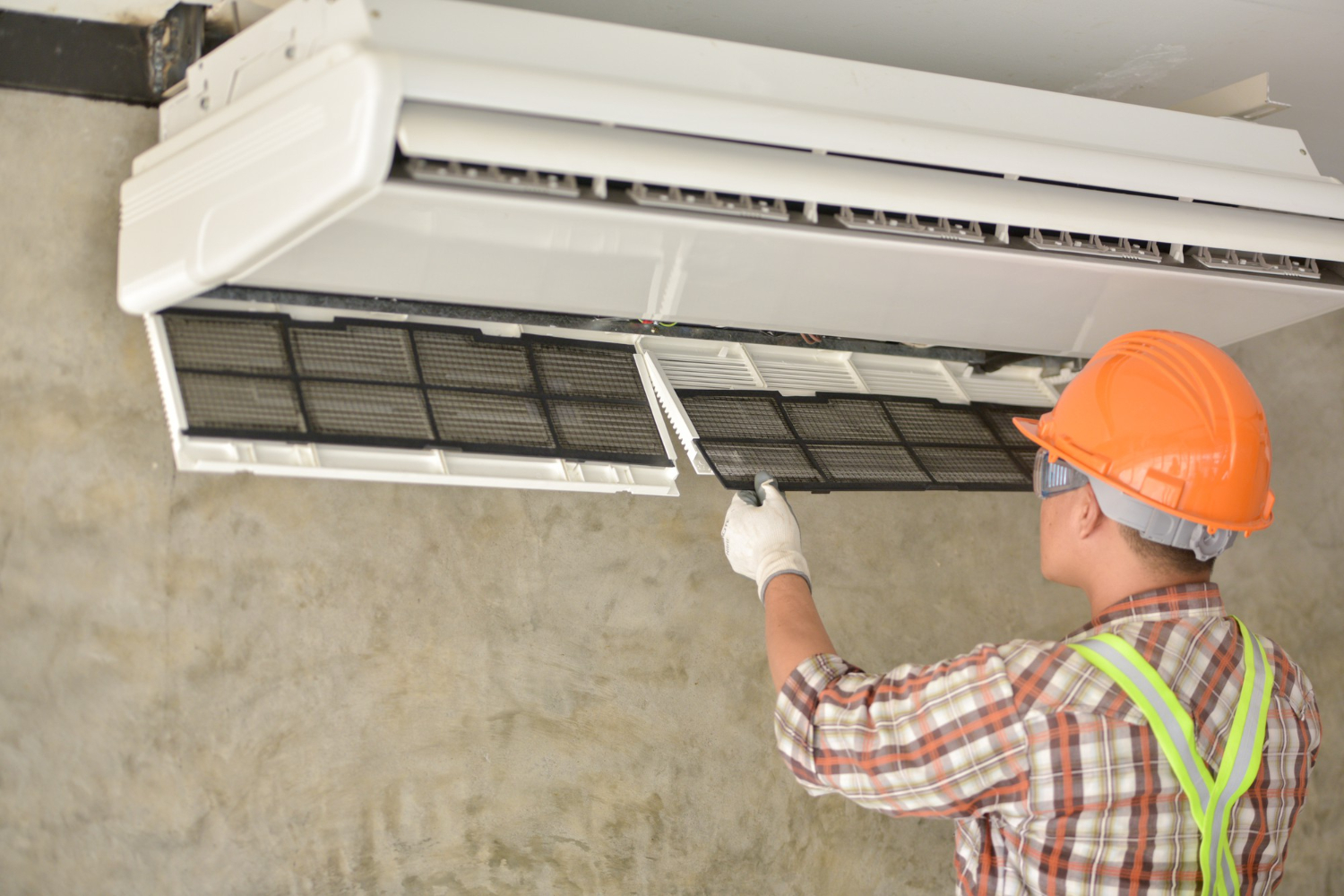
First, a technician gives your system a deep clean. Over time, dust and debris build up on critical components like coils, which restricts airflow and forces your system to work harder. The service includes cleaning these parts, clearing drain lines to prevent clogs, and checking electrical connections. They also lubricate moving parts to reduce friction and wear. A key part of the visit is to replace filters, which is vital for efficiency. This thorough cleaning ensures your system can operate at its best, keeping your home comfortable and your air quality high.
Preventive Fixes and Adjustments
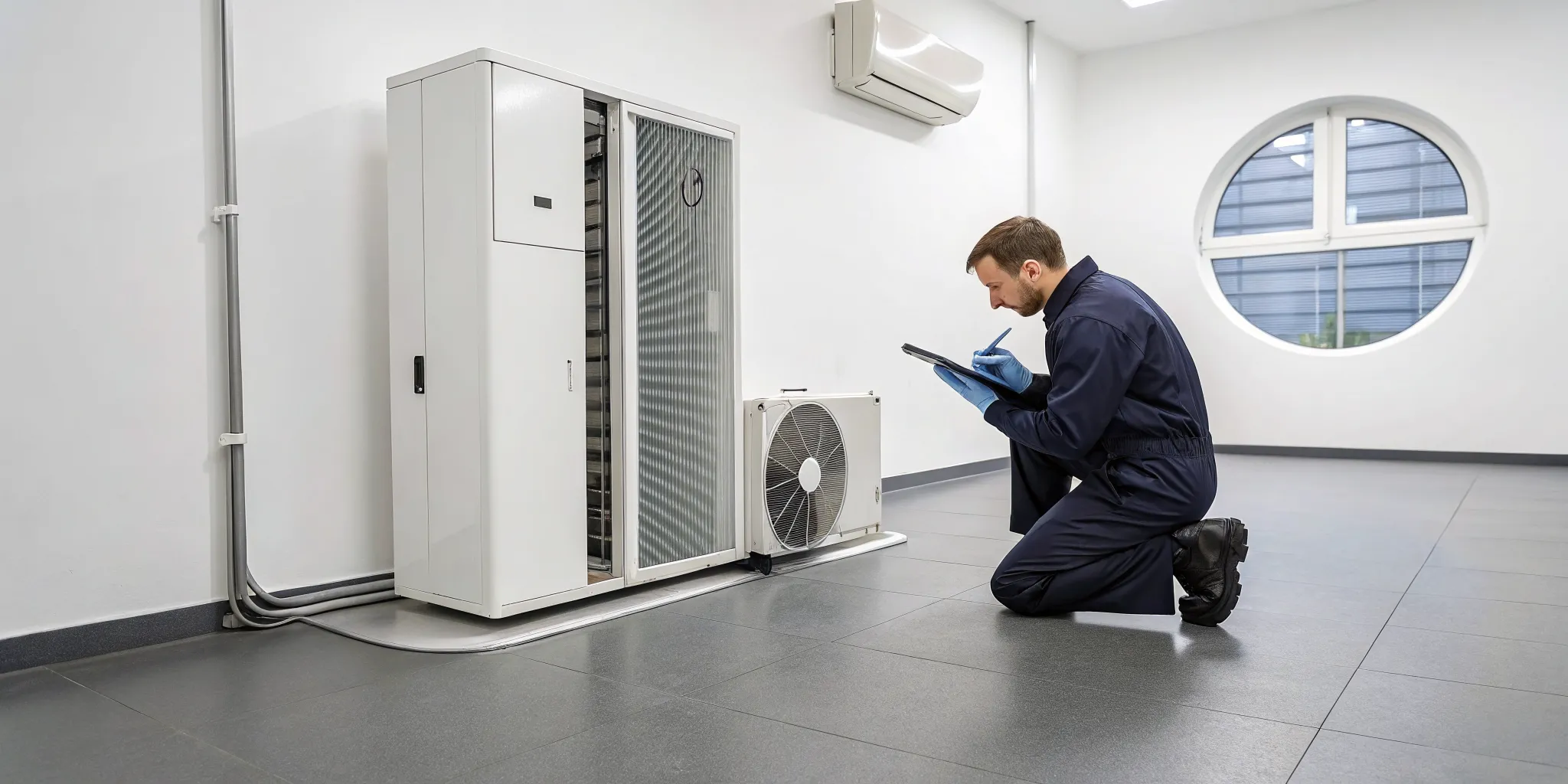
A tune-up is all about being proactive. While inspecting your system, a technician looks for wear that could lead to future breakdowns. This means tightening loose connections, calibrating your thermostat for accuracy, and checking refrigerant levels. Addressing these small things on the spot helps you avoid bigger, more expensive repairs down the road. It’s the difference between a simple adjustment during a scheduled visit and a system failure on the hottest day of summer. This preventive approach is key to keeping your HVAC system dependable all year long.
Performance Testing and Optimization
Once everything is clean and adjusted, the next step is testing performance. A technician runs your system through a full cycle to ensure it starts, operates, and shuts off correctly. They’ll measure airflow, check temperature output, and verify all safety controls are functioning as they should. This process confirms every component is working together efficiently. Proper HVAC maintenance can make your system more energy-efficient, which helps manage utility bills. An optimized system doesn’t just keep you comfortable; it does so without wasting energy.
The Perks of Priority Service with a Plan
Many homeowners choose a maintenance plan for convenience and peace of mind. These plans typically include two tune-ups per year: one for your heating system in the fall and one for your cooling system in the spring. A major benefit is getting priority service. If your system breaks down during a peak season heatwave or cold snap, you’ll be at the top of the list for repairs. Our maintenance plans also often include discounts on parts and labor. It’s a simple way to budget for your HVAC care and ensure your system gets the consistent attention it needs.
How Can You Keep HVAC Maintenance Costs Down?
Keeping your home comfortable doesn't have to come with a shocking price tag. With a little planning and some simple habits, you can manage your HVAC maintenance expenses and keep your system running smoothly. It’s all about being proactive rather than reactive. By taking a few smart steps, you can avoid the stress of emergency repairs and keep more money in your pocket. Here are four practical ways to keep your HVAC maintenance costs under control.
Get the Most from a Maintenance Plan
One of the most effective ways to manage costs is by signing up for a maintenance plan. Think of it as a wellness program for your HVAC system. Most plans include two scheduled visits per year, one to prepare your air conditioner for spring and another to get your furnace ready for fall. These plans typically cost between $150 and $500 annually, which is a small price to pay to prevent a major system failure during a heatwave or blizzard. Our essential maintenance plans are designed to catch small issues before they become expensive problems, giving you peace of mind all year long.
Simple DIY Tasks Between Service Calls
You don’t need to be an HVAC technician to help maintain your system. A few simple DIY tasks can make a huge difference in its performance and efficiency. The most important one is regularly checking and changing your air filter. A clogged filter forces your system to work harder, which increases energy use and causes unnecessary wear. Another easy task is to keep your outdoor unit clear of debris. Take a few minutes each month to trim back plants and clear away any leaves, grass clippings, or dirt that have collected around the unit. These basic maintenance steps ensure proper airflow and help your system operate correctly.
Schedule Smartly During the Off-Season
Timing is everything, especially when it comes to scheduling professional maintenance. The best time to have your system serviced is during the off-season. That means scheduling your air conditioning tune-up in the spring and your heating system check-up in the fall. Technicians are often less busy during these periods, which can make scheduling more flexible. More importantly, pre-season maintenance ensures your system is ready to handle the demands of extreme weather before it arrives. You won’t have to worry about your AC failing on the hottest day of the year or your furnace quitting during a cold snap.
Everyday Habits to Reduce System Strain
How you use your HVAC system every day has a direct impact on its lifespan and your utility bills. Simple adjustments can reduce strain and improve efficiency. Besides changing your air filters, consider using a programmable or smart thermostat to set a consistent temperature schedule. This prevents the system from constantly starting and stopping, which consumes a lot of energy. Also, make sure furniture, curtains, and rugs aren't blocking your vents, as this restricts airflow and makes your system work harder. These small habits ensure your system can run well and use less energy, preventing minor issues from turning into big repairs.
How Does Regular Maintenance Pay Off in the Long Run?
Thinking about your HVAC system only when it breaks down is a common habit, but it’s also a costly one. Regular maintenance is an investment in your home’s comfort and your financial peace of mind. While it involves a planned expense, this proactive approach helps you sidestep much larger, unexpected costs down the road. Consistent care keeps your system running smoothly, extends its life, and prevents the kind of middle-of-the-night emergencies that everyone dreads. It’s about shifting from a reactive mindset to a strategic one that protects one of your home’s most important assets.
Better Energy Efficiency and Lower Utility Bills
A well-maintained HVAC system is an efficient one. Over time, dust, dirt, and worn parts force your unit to work harder to heat or cool your home. This extra effort consumes more energy, which shows up directly on your monthly utility bills. During a professional tune-up, a technician cleans coils, lubricates moving parts, and ensures everything is running as it should. According to the U.S. Department of Energy, this kind of proper care can make your system significantly more energy-efficient. That improved performance means your system uses less power to maintain a comfortable temperature, giving your budget some breathing room.
A Longer Lifespan for Your HVAC System
Your heating and cooling system is a significant investment, and you want it to last as long as possible. Most HVAC systems have a lifespan of 10 to 25 years, but that number depends heavily on how well they’re cared for. Neglecting your unit is like never changing the oil in your car; it leads to premature wear and tear on critical components. Regular professional maintenance catches small issues before they can cause major damage, reducing the overall strain on your system. By keeping it in top condition, you can extend its operational life and delay the substantial cost of a full replacement for as long as possible.
Fewer Unexpected and Costly Repair Bills
There’s never a good time for your furnace to quit in the middle of a Colorado winter or for your AC to fail during a summer heatwave. Emergency repairs are not only stressful but also expensive. Regular maintenance allows a trained technician to inspect your system, identify wearing parts, and address them before they fail completely. This proactive approach helps you avoid the high cost and inconvenience of an unexpected breakdown. A predictable tune-up fee is much easier to budget for than a sudden, four-figure repair bill, giving you greater control over your home maintenance expenses.
Preventing Major Problems Before They Start
Many catastrophic HVAC failures begin as small, overlooked issues. A clogged drain line, a loose electrical connection, or a fraying belt might not seem like a big deal at first, but they can lead to serious damage if left unaddressed. For example, a simple clog can cause water damage, while a faulty wire can damage the compressor, one of the most expensive parts to replace. During a maintenance visit, our technicians check for these exact kinds of problems. Catching them early is the key to preventing a minor inconvenience from turning into a complete system failure and a premature replacement.
Is Professional HVAC Maintenance a Good Investment?
When you're managing a household budget, it’s easy to see HVAC maintenance as just another bill, something you can put off until a real problem pops up. But thinking about maintenance as a proactive investment rather than a reactive cost can completely change your perspective. It’s the difference between a small, predictable expense and a sudden, budget-breaking emergency. For homeowners here on the Western Slope, having a reliable system isn't a luxury, it's a necessity for getting through our distinct seasons comfortably.
Comparing the Cost: Maintenance vs. Major Repairs
Let's look at the numbers. A routine HVAC tune-up is a minor expense, while a full system replacement can cost anywhere from $5,000 to $10,000. The math is pretty clear. Paying for a small, annual service helps you avoid a massive, unexpected bill down the road. Think of it like a regular oil change for your car; it’s a simple step that prevents catastrophic engine failure. Skipping maintenance often leads to higher energy bills and a shorter system lifespan, making that small initial cost a wise move for your wallet.
Knowing When to Call a Professional Instead of DIY
There are absolutely some maintenance tasks you can handle yourself. Changing your air filters every few months and keeping your outdoor unit clear of debris are great habits that support your system's health. However, a professional tune-up goes much deeper. Our technicians perform tasks that require specialized tools and training, like cleaning internal components, lubricating moving parts, and checking electrical connections for safety. They can spot a worn-out part or a potential refrigerant leak long before it causes a system breakdown, giving you peace of mind that a simple visual inspection can't provide.
Making the Right Choice for Your Colorado Home
Here in Colorado, we rely on our heaters to get through cold winters and our air conditioners to handle hot summer days. A system failure isn't just an inconvenience; it can be a serious problem. Investing in regular maintenance with a trusted local company ensures your system is ready for whatever the season throws at it. It keeps your equipment running at peak efficiency, which helps manage your utility bills. Ultimately, professional maintenance is an investment in your home's comfort, safety, and long-term financial health.
Related Articles
Frequently Asked Questions
How often should I schedule professional maintenance? For most homes here on the Western Slope, servicing your system twice a year is the ideal schedule. We recommend a tune-up for your air conditioner in the spring before the weather gets hot and another for your furnace in the fall before you need to rely on it for warmth. This pre-season timing ensures each system is clean, efficient, and ready for the heavy workload ahead.
Is it a big deal if I skip a year of maintenance? While your system might seem to run fine if you skip a year, it's a bit of a gamble. A missed tune-up allows dust and grime to build up, which makes your system work harder and use more energy. It also means you miss the chance for a technician to spot a small, wearing part before it fails completely, which could lead to a more expensive emergency repair when you least expect it.
Does a maintenance plan cover both my heating and cooling systems? Yes, a comprehensive maintenance plan is designed to care for your entire HVAC system throughout the year. Our plans typically include two separate visits. One visit is dedicated to preparing your air conditioner for the summer, and the other is focused on getting your furnace ready for the winter, ensuring you stay comfortable no matter the season.
What's the single most important thing I can do myself for my HVAC system? If you do only one thing between professional visits, make it changing your air filter regularly. A clean filter allows for proper airflow, which is critical for your system's efficiency and health. A clogged filter forces the unit to struggle, leading to higher energy bills and unnecessary strain on its components. A good rule of thumb is to check it monthly and change it whenever it looks dirty.
How do I know if I need a repair visit instead of a maintenance tune-up? A maintenance visit is a proactive check-up for a system that is working correctly. You should schedule a repair visit if you notice specific problems, such as strange noises, weak airflow, the system turning on and off constantly, or a complete failure to heat or cool your home. If something feels off with your system's performance, it's best to call for a diagnostic repair service.