.png)




.png)


Your HVAC system does more than just manage the temperature; it circulates the air your family breathes every single day. When it’s dirty or neglected, it can spread dust, allergens, and other pollutants throughout your home. More seriously, a malfunctioning furnace can pose safety risks, like potential carbon monoxide leaks. A professional tune-up isn’t just about performance; it’s a critical check-up for the health and safety of your living environment. When you consider these factors, the question ‘is an HVAC tune-up worth it’ takes on a new level of importance. It’s about protecting what matters most.
Key Takeaways
- Proactive tune-ups prevent costly emergencies: A small, planned expense for regular maintenance helps you avoid much larger repair bills from unexpected system failures down the road.
- Schedule service in the spring and fall: Servicing your air conditioner before summer and your furnace before winter ensures each system is prepared for the season and runs reliably when you need it most.
- Maintenance improves your home's health and safety: A professional tune-up includes vital safety checks for issues like carbon monoxide leaks and helps improve your indoor air quality by cleaning dust and allergens from the system.
What’s Included in an HVAC Tune-Up?
So, what actually happens when a technician comes to your home for an HVAC tune-up? It’s much more than a quick filter change. A professional tune-up is a comprehensive service designed to get your heating and cooling system in top shape for the season ahead. Think of it as a detailed physical for one of your home’s most important and expensive appliances. The goal is to catch small issues before they become big, expensive problems, all while making sure your system runs as efficiently and safely as possible.
A technician will methodically work through a detailed checklist covering inspection, cleaning, and testing. This process ensures every part of your system, from the thermostat on your wall to the unit outside, is working together correctly. Let’s break down exactly what you can expect during a typical maintenance visit.
A Full System Inspection
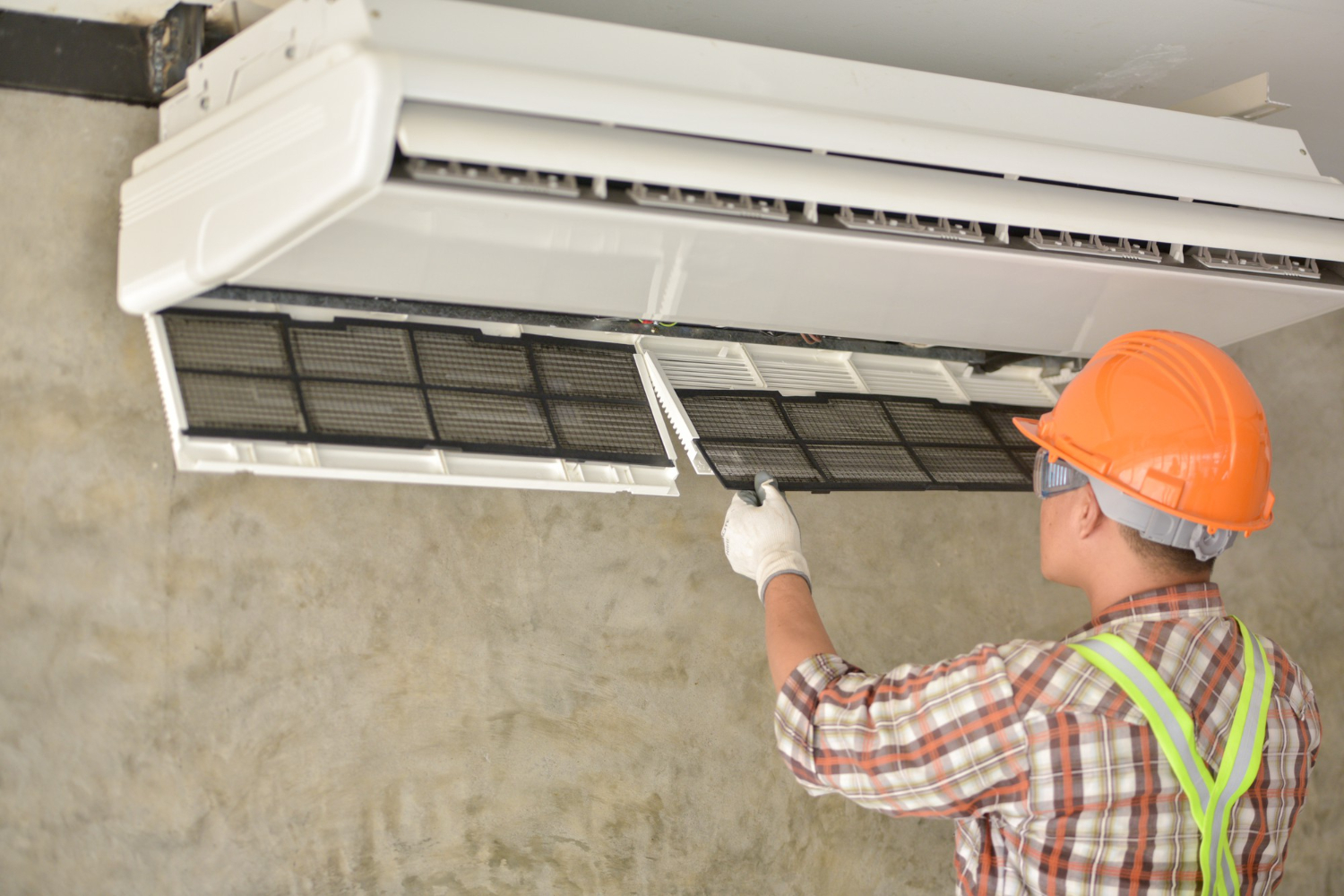
The first thing a technician will do is conduct a thorough visual inspection of your entire HVAC system. This isn't just a quick glance; it's a detailed examination of all the essential components. They’ll check the refrigerant levels to ensure your system can cool effectively and look for any signs of leaks, which can harm both your system and the environment. The technician will also inspect all electrical connections, making sure they are tight and secure to prevent future failures. They’ll examine the indoor and outdoor coils, the drainage system for any blockages, and the blower parts to ensure everything is in good working order.
Essential Cleaning and Adjustments
After the inspection, it’s time for some hands-on work. A huge part of any tune-up is cleaning. Over the months, your system’s coils can get caked with dirt and debris, forcing it to work harder to heat or cool your home. A technician will carefully clean these components to restore their efficiency. They will also clear out the condensate drain line to prevent clogs that could lead to water damage. Beyond cleaning, they’ll make necessary adjustments, like lubricating moving parts to reduce friction and wear, and testing the thermostat to ensure it’s calibrated correctly. These essential maintenance tasks are what keep your system running smoothly year after year.
Performance and Safety Checks
Finally, and most importantly, a tune-up includes critical performance and safety checks. Your technician will test the system’s startup and shutdown cycles to make sure they’re operating correctly. For your furnace, they will perform a crucial inspection for any cracks or leaks that could release dangerous carbon monoxide into your home. They’ll also check for faulty wiring or other potential fire hazards. These safety measures provide invaluable peace of mind for your family. A well-maintained system doesn't have to struggle to keep you comfortable, which means it’s far less likely to break down unexpectedly during a heatwave or a cold snap.
Why Are Regular HVAC Tune-Ups So Important?
Think of your HVAC system like your car. You wouldn’t drive it for years without an oil change or a tire rotation, right? The same principle applies to the equipment that keeps your home comfortable. Regular tune-ups are proactive care that keeps your system running smoothly, preventing small issues from turning into major headaches. It’s about more than just flipping a switch and hoping for the best; it’s a smart strategy to protect one of your home’s biggest investments.
When a professional technician inspects your system, they’re not just looking for problems. They’re cleaning, calibrating, and optimizing every component to ensure it performs at its best. This simple act of maintenance pays off in several ways, from more manageable energy bills to a healthier living environment. By scheduling regular service, you get peace of mind knowing your system is ready to handle whatever the Western Slope weather throws its way, whether it’s a summer heatwave or a winter cold snap. It’s the easiest way to ensure reliability and comfort all year long.
Improve Your System's Efficiency
When your HVAC system is clogged with dust and grime, it has to work much harder to heat or cool your home. That extra effort consumes more energy, which shows up on your monthly utility bills. During a tune-up, a technician thoroughly cleans the coils, blades, and other key components, allowing your system to run as it was designed to. A clean system is an efficient one. This means it uses less electricity to maintain a comfortable temperature, leading to more predictable and manageable energy costs. It’s a straightforward way to get the performance you expect without the wasted energy.
Extend the Life of Your Equipment
An HVAC system is a major investment, and you want it to last as long as possible. Just like any complex piece of machinery, it experiences wear and tear over time. Regular maintenance catches and corrects minor issues before they can cause significant damage to critical components. By keeping everything clean, lubricated, and properly adjusted, you reduce the overall strain on the system. This consistent care can significantly extend the lifespan of your equipment, helping you get the most out of your investment and delaying the need for a costly replacement.
Enhance Your Home's Air Quality
The air inside your home circulates through your HVAC system multiple times a day. If the system is dirty, it can spread dust, pollen, pet dander, and other allergens throughout your living space. A key part of any tune-up is cleaning internal components and replacing the air filter. This simple step helps trap airborne particles, preventing them from getting into the air you breathe. Better filtration and cleaner parts contribute directly to healthier indoor air quality, which is especially beneficial for anyone with allergies or asthma.
Prevent Unexpected Breakdowns
There’s never a good time for your air conditioner to fail on the hottest day of the year or for your furnace to quit during a blizzard. Regular tune-ups are your best defense against these kinds of surprise breakdowns. During an inspection, a technician can identify worn-out parts or potential problems and fix them on the spot. This preventative approach allows you to address small issues before they escalate into a complete system failure that requires an expensive emergency repair service. It provides reliability and peace of mind, knowing your system is in good working order when you need it most.
How Often Should You Schedule an HVAC Tune-Up?
When it comes to HVAC maintenance, timing and frequency are key. The general rule of thumb is to have your system serviced twice a year: once for your heating system and once for your cooling system. This isn't just an arbitrary number; it’s a proactive strategy tied to the distinct seasons of use. Think of it as a routine check-up for one of your home's most important and expensive appliances. This approach ensures each part of your system is clean, calibrated, and ready for the demands of the upcoming season, whether that’s a scorching Colorado summer or a frigid winter. Regular tune-ups are your best defense against unexpected breakdowns and uncomfortable surprises.
The Ideal Twice-a-Year Schedule
Most HVAC professionals agree that a twice-a-year schedule is the sweet spot for keeping your system in top shape. This means one visit in the spring for your air conditioner and another in the fall for your furnace. While you can and should handle simple tasks like changing your air filters, a professional tune-up goes much deeper to inspect, clean, and adjust the complex inner workings of your equipment. This level of professional maintenance is what prevents the vast majority of unexpected system failures. It’s the best way to ensure your equipment operates reliably and efficiently all year long, giving you confidence that your home will stay comfortable.
When to Book Your Tune-Up Each Season
To get the most out of your tune-ups, schedule them during the "shoulder seasons" just before you’ll need your systems most. Plan your AC tune-up for the spring, before the first real heatwave arrives. This ensures your cooling system is ready to handle the summer temperatures without strain. For your heating system, book a tune-up in the fall, well before you need to rely on it for warmth. Scheduling during these off-peak times helps you avoid the emergency rush and gives technicians a chance to spot and fix minor issues before they turn into major, costly problems during extreme weather.
The Cost of a Tune-Up vs. The Cost of Neglect
When you're managing a household budget, every expense gets a second look. It’s easy to see an HVAC tune-up as just another line item you could potentially skip. But when you weigh the small, predictable cost of a tune-up against the potentially huge, unexpected cost of a system failure, the picture becomes much clearer. Think of it less as an expense and more as an investment in your home's comfort and your financial peace of mind. Let's break down what you're really paying for and what you're risking by putting it off.
What to Expect for Professional Service
So, what does a professional tune-up actually cost? Generally, you can expect a central AC tune-up to be in the range of $85 to $200. If it's been a while since your last service, the cost might be slightly higher to address any accumulated issues. During this visit, a technician performs a thorough check-up. They will clean the system, tighten electrical connections, check refrigerant levels, test airflow, and lubricate moving parts. It's a comprehensive service designed to get your system running at its best. This isn't just a quick look; it's a detailed inspection and cleaning that ensures everything is working correctly and efficiently.
The Hidden Price of Skipping Maintenance
Skipping your annual tune-up might feel like you're keeping a little extra cash in your pocket now, but it often leads to much higher costs down the road. Neglecting your system is a gamble. Small, unnoticed issues like a frayed wire or a clogged drain line don't fix themselves; they get worse. Over time, these minor problems can cascade into major component failures, leading to expensive emergency repairs. Regular preventative maintenance catches these things early, long before they become a crisis. It’s the difference between a simple adjustment and a full system breakdown in the middle of a heatwave.
Comparing Tune-Up Costs to Emergency Repair Bills
Let's put it in perspective. A yearly tune-up is a small, planned expense. An emergency repair, on the other hand, is an unplanned, often significant financial hit. That small investment for a tune-up can prevent a multi-hundred or even thousand-dollar repair bill for something like a failed compressor or a burnt-out motor. By having a professional from Cooley's Heating, Cooling & Plumbing look at your system regularly, you're not just maintaining your equipment. You're protecting your budget from the shock of a sudden, major expense and ensuring your system lasts as long as it should. It’s a straightforward choice between proactive care and reactive crisis management.
What Are the Risks of Skipping HVAC Maintenance?
Putting off maintenance might seem like a way to save a little money now, but it often leads to much bigger problems down the road. The risks go beyond just a surprise repair bill. When you skip regular tune-ups, you're gambling with your system's efficiency, its lifespan, and even your safety. Let's look at what's really at stake.
Higher Energy Bills and Poor Performance
Think of your HVAC system like any hard-working machine. Over time, dust and debris build up, parts wear down, and fluids get low. When this happens, your system has to work much harder to heat or cool your home. This extra effort translates directly into higher energy consumption and, you guessed it, more expensive utility bills. A well-maintained system simply uses less energy.
Beyond the hit to your wallet, you'll also notice a drop in performance. Maybe one room is always colder than the others, or the AC just can't keep up on a hot Delta County afternoon. These are signs that your system is struggling. Ignoring them doesn't just mean less comfort; it significantly increases the chance of a complete breakdown, often when you need it most.
A Shorter Lifespan for Your System
Your heating and cooling system is one of the most significant investments in your home. Just like you wouldn't drive your car for years without an oil change, your HVAC system needs regular care to go the distance. With consistent professional maintenance, a system can last for 15 years or more. Skipping tune-ups can cut that lifespan in half.
Small issues, like a frayed belt or a dirty coil, put extra strain on major components like the compressor or fan motor. Over time, this cumulative stress leads to premature failure. Regular maintenance catches these minor problems before they cause a chain reaction of damage, protecting the money you spent on your equipment and helping you avoid the massive expense of an early replacement.
Potential Safety Hazards and System Failures
This is the most important reason not to skip maintenance. Your HVAC system involves electricity, combustible fuels, and ventilation, all of which can pose serious risks if not properly maintained. During a tune-up, a technician performs critical safety checks to look for dangerous issues like cracked heat exchangers in your furnace, which can leak deadly carbon monoxide gas into your home.
They also inspect electrical connections for fraying or corrosion that could create a fire hazard and check for proper ventilation to prevent moisture buildup and mold growth. These are not things you can easily spot on your own. A professional inspection gives you peace of mind that your system is running not just efficiently, but safely for you and your family.
How to Choose the Right HVAC Professional
Finding the right person for the job is just as important as scheduling the tune-up itself. The quality of the service you receive depends entirely on the technician's skill and integrity. A great HVAC professional not only performs the necessary maintenance but also gives you honest advice and peace of mind, ensuring your system is safe and ready for the season ahead. So, how do you find a technician you can trust with the comfort and safety of your home?
Look for Proper Licensing and Experience
When you start your search, focus on local, reputable companies. Often, a technician who is part of your community will provide more personalized and attentive care than a massive, faceless corporation. Always verify that the company is properly licensed and insured. This protects you and ensures they meet professional standards. Experience is another key factor. A company with a long track record has seen it all and knows how to handle the specific challenges of homes in our area. They’ve built their reputation on reliable work, one satisfied customer at a time.
Qualities of a Trustworthy Service Provider
A trustworthy technician does more than a quick once-over. They should perform a comprehensive check, which includes cleaning essential parts like drain traps, flame sensors, and coils. They’ll also inspect the heat exchanger, check the venting, and lubricate moving parts to keep everything running smoothly. Most importantly, a true professional prioritizes your safety. They will meticulously check for dangerous issues like gas leaks, cracked components, or faulty wiring. A great technician will also explain their work clearly and answer your questions without using high-pressure sales tactics for services you don't need. This commitment to thorough, honest HVAC solutions is what sets a reliable pro apart.
Frequently Asked Questions
Do I really need a tune-up for my brand-new HVAC system? Yes, it’s a great idea. Think of the first tune-up as a final quality check after installation. A technician can confirm everything is running exactly as it should be and make minor calibrations to optimize performance from day one. Plus, many manufacturer warranties require proof of regular professional maintenance to remain valid, so scheduling that first tune-up protects your investment.
What’s the difference between a maintenance tune-up and a service call? A maintenance tune-up is a proactive visit designed to prevent problems. The goal is to clean, inspect, and optimize your system to keep it running efficiently and reliably. A service or repair call, on the other hand, is reactive. This happens when your system has already stopped working or is showing clear signs of a problem, and you need a technician to diagnose and fix a specific issue.
How long does a typical HVAC tune-up take? You can generally expect a thorough tune-up to take between 60 and 90 minutes. The exact time can vary depending on the type of system you have, its location, and how long it has been since its last service. A technician will be methodical, working through a detailed checklist to ensure every component is properly inspected, cleaned, and tested.
What happens if the technician finds a bigger problem during the tune-up? If a technician discovers an issue that requires a more significant repair, they will stop and explain the situation to you clearly. They will show you what they found, discuss your options, and provide a straightforward estimate for the repair work. No repairs will be made without your full understanding and approval first.
Is there anything I should do to prepare for my tune-up appointment? A little preparation can help the appointment go smoothly. Make sure the area around your indoor and outdoor units is clear of any clutter, furniture, or yard debris so the technician has safe and easy access. It’s also helpful to have a fresh air filter on hand, and be ready to mention any unusual noises or performance issues you’ve noticed.