.png)





.png)

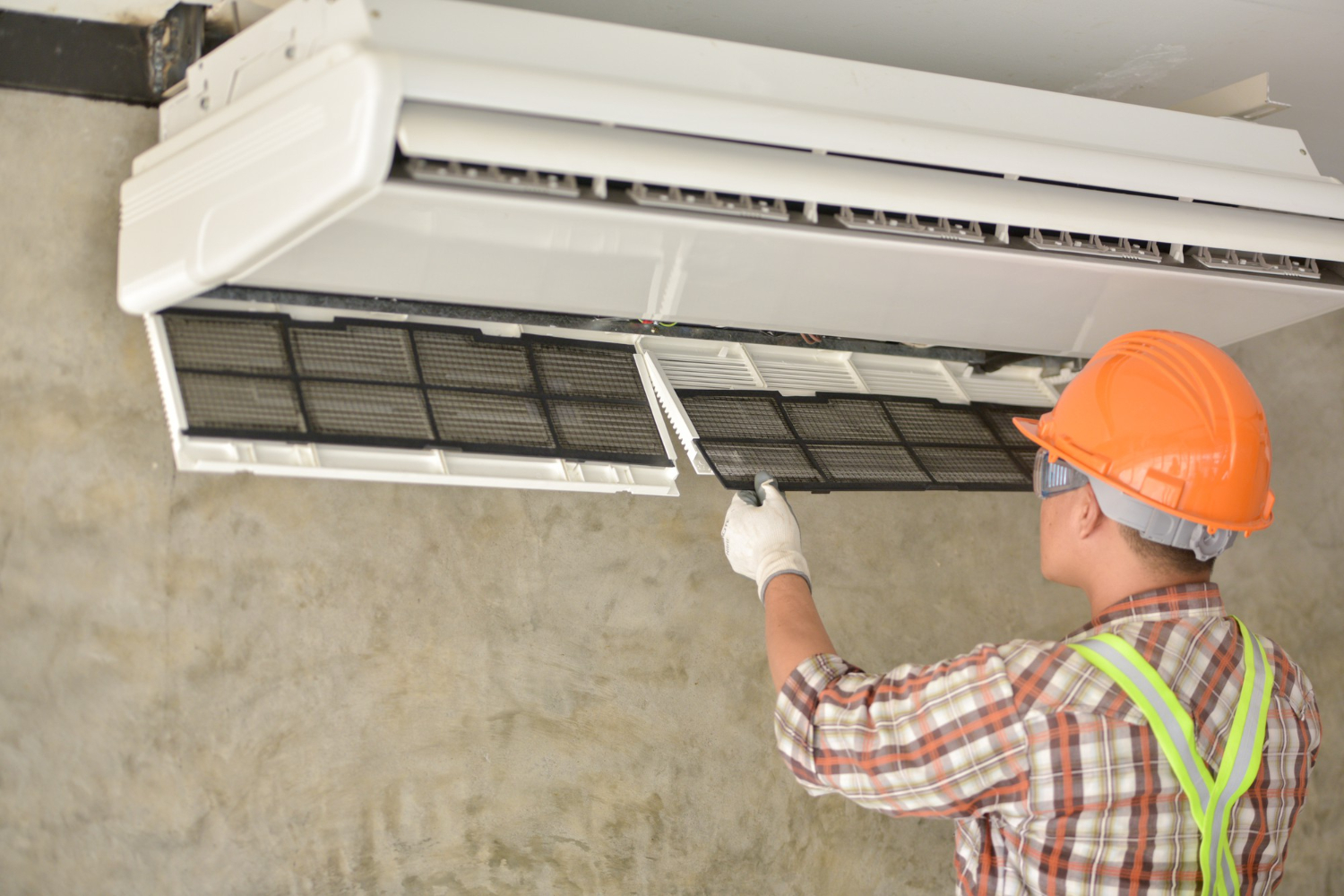

Mini split sizing starts with the amount of heating and cooling a room actually needs, not square footage alone. Room area is a useful starting point, but insulation, windows, ceiling height, sun exposure, air leakage, and Western Slope weather can all change the right capacity.
Want a dependable answer for your home? Call Cooley's Heating & Cooling at (970) 778-8326 to discuss your rooms, comfort concerns, and options with a real person.
This guide explains what BTUs mean, how to create a useful early estimate, and when professional help is worth the call. It can help you ask better questions before choosing equipment, but it is not a substitute for a room-by-room load calculation.
Mini split sizing starts with BTUs, not square feet alone
A mini split's capacity is expressed in British Thermal Units, or BTUs, per hour. The number describes how much heat the system can move. In cooling mode, it moves heat out of the room. In heating mode, a heat-pump mini split moves heat into the room.
Square footage matters because a larger room generally has a larger load. However, two 400-square-foot rooms can need different capacities. One may be shaded, well insulated, and located in the center of the house. The other may have a vaulted ceiling, older windows, and intense afternoon sun.
Why a load calculation matters
A load calculation estimates how quickly heat enters or leaves a space under expected conditions. It considers more than room dimensions. A careful assessment reviews the building shell, window area and orientation, air leakage, occupants, and heat-producing appliances.
The U.S. Department of Energy's ductless mini split overview notes that proper sizing and placement matter for performance. A qualified HVAC professional can translate a room's calculated load into equipment choices that fit the home.
Why equipment capacity is not a comfort guarantee
Capacity is only one part of a good design. The indoor unit also needs a sensible location so conditioned air can reach the occupied area. Doors, hallways, furniture, and room shape can affect airflow. A properly sized unit placed in a poor location may still leave uncomfortable areas.
A quick mini split sizing chart for early planning
The chart below is an early planning reference, not a final equipment recommendation. It helps homeowners understand common capacity steps. Your actual needs may move up or down after insulation, windows, weather, and other conditions are reviewed.
| Typical nominal capacity | What it means for planning | Important next check |
|---|---|---|
| 6,000 BTU/h | Small-room capacity class | Confirm room load and available equipment |
| 9,000 BTU/h | Common single-room capacity class | Review sun, windows, and insulation |
| 12,000 BTU/h | One ton of nominal capacity | Verify heating and cooling loads |
| 18,000 BTU/h | Larger-zone capacity class | Check airflow and room connections |
| 24,000 BTU/h | Two tons of nominal capacity | Confirm whether one or more zones work best |
Online calculators often connect these capacities to square-foot ranges. Treat those ranges as conversation starters. They typically cannot see a west-facing glass door, a leaky crawlspace, or a high ceiling. They also may not account for the heating demand of a cold Colorado morning.
If you are replacing or adding equipment, review Cooley's residential heating and cooling services and call for guidance before buying a unit based on a chart alone.
What factors change the mini split size your home needs?
The most important sizing factors are the room's dimensions, insulation, air leakage, windows, sun exposure, ceiling height, occupancy, and local climate. These details explain why a reliable estimate needs more than one measurement.
Insulation and air leakage
Insulation slows heat transfer through walls, ceilings, and floors. Air sealing reduces the uncontrolled movement of outdoor air into the home. A well-insulated, tightly sealed room can have a different load than an older, draftier room of the same size.
Before sizing new equipment, note obvious drafts and unusually hot or cold surfaces. Equipment should not be used to hide a building-shell problem that could be addressed directly.
Windows, orientation, and shade
Windows can be a major source of heat gain and loss. Size, glazing type, orientation, curtains, and exterior shade all matter. A room with broad west-facing windows may heat up sharply in the afternoon, while a shaded north-facing room behaves differently.
Ceiling height and room connections
Floor area does not show total air volume. Vaulted and high ceilings increase the amount of air in a room. Open doorways, lofts, stairways, and connected spaces may also affect the load and how air travels.
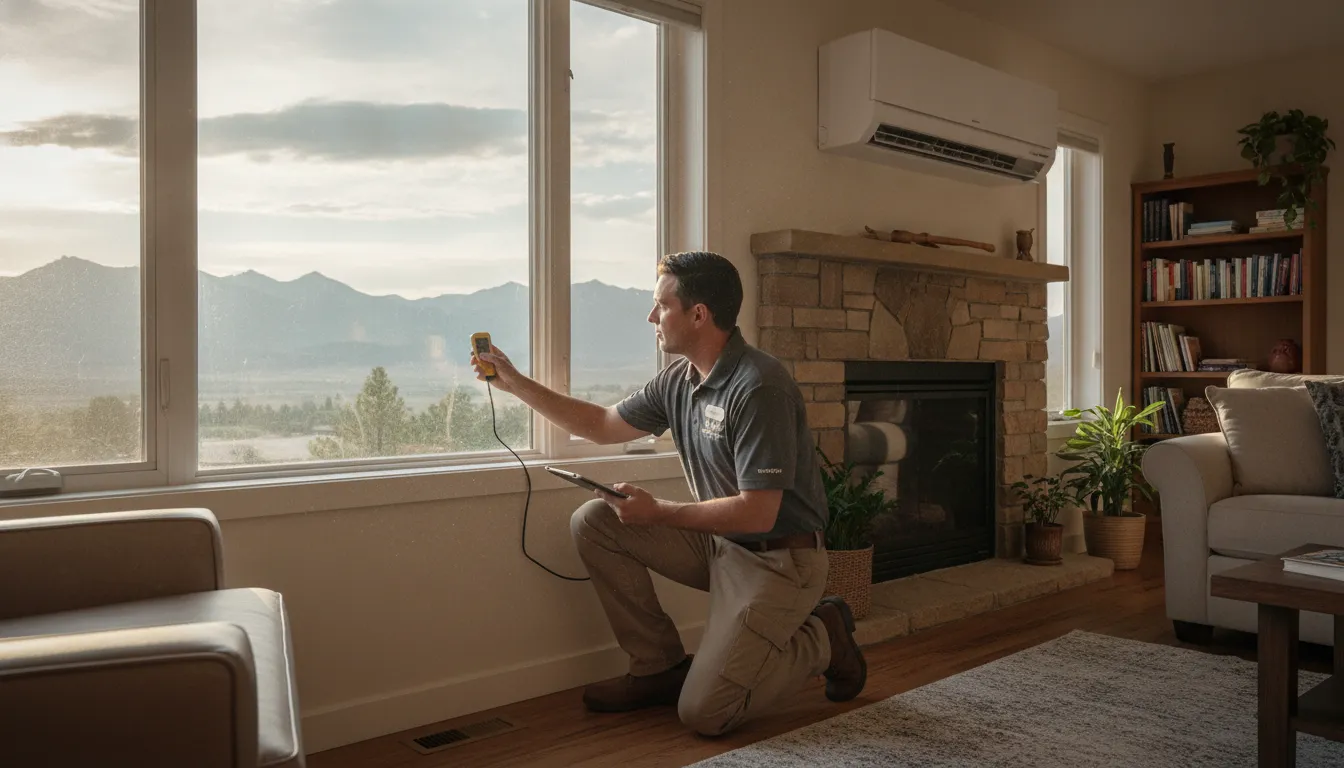
Western Slope weather
Colorado's Western Slope experiences meaningful seasonal temperature swings. A mini split selected only for a typical summer day may not meet the room's heating needs during colder conditions. A professional assessment should check both heating and cooling loads, then compare them with the selected equipment's performance data.
How do you calculate a starting mini split size?
To create a starting estimate, measure each intended zone and record the conditions that change its load. Do not combine the entire home's square footage unless the proposed system can distribute air effectively throughout that whole area.
- Define each zone. Identify the room or connected area that one indoor unit is expected to serve.
- Measure dimensions. Record length, width, and ceiling height. Note vaulted sections and openings to other rooms.
- Review the building shell. Note insulation, drafts, exterior walls, and rooms above or below the space.
- Check glass and sunlight. Record window and door sizes, direction, shade, and strong afternoon exposure.
- Consider room use. Kitchens, workshops, offices, and crowded rooms can produce more internal heat.
- Check both seasons. Consider summer cooling and winter heating needs, not just today's weather.
- Request a load calculation. Use the estimate to prepare questions, then have a qualified professional verify capacity and placement.
This process helps you gather useful information before a consultation. It also makes it easier to explain why a particular room is uncomfortable. Cooley's offers new HVAC installation and system service for homeowners in the local area.
Before selecting equipment, call (970) 778-8326 and ask Cooley's to help verify the load, zone plan, and indoor-unit placement.
How does sizing change for multi-zone mini splits?
A multi-zone design needs two connected decisions: the load of each room and the capacity of the shared outdoor unit. Each indoor unit should fit its own zone. The outdoor unit must also support the connected system under expected operating conditions.
Calculate each room separately
Do not divide the outdoor unit's capacity evenly among rooms unless their loads truly match. A sunny living room, a shaded bedroom, and a finished workshop may have very different needs. Each zone deserves its own measurements and load estimate.
Match indoor units with the outdoor system
Multi-zone equipment has specific rules for compatible indoor units and connected capacity. Those requirements vary by system. The design should be checked against manufacturer documentation rather than assembled from capacity labels alone.
Plan for how the family uses each zone
Think about which rooms need comfort at the same time. A home office may operate throughout the day, while a bedroom is mainly used at night. Zoning can provide control, but the equipment and controls still need to work as a coordinated system.
Professional design is especially helpful when several rooms, additions, or floors are involved. Cooley's can discuss heating, cooling, and new-install options based on the home's layout.
Is it better to undersize or oversize a mini split?
Neither is the goal. The best mini split sizing matches capacity to the calculated load and supports steady, efficient operation. Buying extra capacity for reassurance can create different comfort problems, while selecting too little capacity can leave the room struggling during demanding weather.
What happens when a system is undersized?
An undersized system may run for long periods without reaching the desired temperature during peak conditions. The result can be uneven comfort and limited recovery after a door is left open or the room gains a large amount of heat.
What happens when a system is oversized?
An oversized system can satisfy the thermostat quickly, then cycle off before operating as steadily as intended. That pattern can affect comfort and efficiency. More capacity is not automatically better.
Remember the operating range
Many mini splits use variable-speed technology, allowing output to change as the load changes. That flexibility is valuable, but it does not remove the need for sizing. The selected system still needs an operating range that suits the zone.
When should you get professional mini split sizing help?
Get professional help before purchasing equipment, especially for multi-zone systems, older homes, large windows, high ceilings, additions, or spaces with persistent comfort problems. A qualified assessment can prevent expensive guesswork and create a clearer installation plan.
A professional can review loads, equipment compatibility, electrical needs, condensate routing, refrigerant-line routing, and indoor-unit placement. Those decisions affect both installation and daily comfort.
Cooley's Heating & Cooling serves homeowners across Hotchkiss, Delta County, and the Western Slope. The team provides residential heating and cooling support, including new installations, system service, and mini split maintenance. Learn more about Cooley's customer-first approach, where a real person answers the call and professional service follows.
Frequently asked questions about mini split sizing
How do I determine the right size mini split for a room?
Begin with the room's dimensions, then account for ceiling height, insulation, windows, sun exposure, air leakage, occupancy, and local weather. A professional room-by-room load calculation provides a more dependable answer than square footage alone.
What is the rule of thumb for mini split BTUs per square foot?
Rules of thumb can provide an early planning range, but they should not select the final system. They leave out conditions that can materially change a room's load. Use them to prepare for a conversation, then verify the choice with a load calculation.
Does ceiling height affect mini split sizing?
Yes. A high or vaulted ceiling creates more air volume than a standard-height room with the same floor area. Include the ceiling height and connected open space when assessing the room.
Can one mini split cool several rooms?
It depends on the layout and comfort expectations. Air does not always move effectively through doors and hallways. Separate indoor units may be more appropriate when rooms need independent control or are difficult to reach from one air handler.
Is it better to undersize or oversize a mini split?
Neither. Undersizing can leave a room struggling during peak weather. Oversizing can cause short, inefficient operating cycles. The goal is a capacity and operating range matched to the calculated load.
Get a mini split sizing plan built around your home
Online charts can help you start, but your home deserves a decision based on its actual rooms and conditions. Cooley's Heating & Cooling can help you review the layout, discuss comfort goals, and identify when a professional load calculation is needed.
Call Cooley's at (970) 778-8326 to speak with a real person about mini split sizing and request a quote for your Western Slope home.