.png)





.png)

It’s tempting to give that wrench one extra turn for good measure, but over-tightening a fitting is one of the most common and costly plumbing mistakes. What starts as a small drip can instantly become a cracked pipe hidden inside a wall, leading to serious water damage. A successful pipe repair isn't just about stopping a leak; it's about avoiding the creation of new, bigger problems. We’ll cover the essential dos and don'ts, from properly shutting off the water to selecting the right materials, so you can approach the task with confidence and protect your home from preventable disasters.
Key Takeaways
- Pinpoint the problem before you start a repair: Understanding the cause of a pipe issue, whether it's corrosion or high water pressure, is the first step. Correctly identifying the problem helps you choose the right tools and avoid turning a small drip into a major headache.
- Handle temporary fixes with the right technique: For a successful DIY patch, always shut off the main water supply first. Use appropriate products like epoxy putty or a pipe clamp for the job, and remember that over-tightening fittings is a common mistake that can crack pipes and worsen the leak.
- Recognize the signs that you need an expert: Some jobs are best left to the professionals. If you're dealing with recurring clogs, water stains on your ceiling, or a sudden burst pipe, it's time to call for help to prevent significant and costly water damage.
Identify Pipe Problems and Find the Right Fix
Before you can fix a pipe, you have to play detective. Understanding what’s wrong is the first step to making it right and avoiding a simple issue from spiraling into a major headache. A small drip might seem harmless, but it could be a symptom of a bigger problem lurking behind your walls. Taking a moment to correctly identify the issue will help you choose the right tools, materials, and approach for the job.
Signs Your Pipes Need Attention
Your home often gives you clues when something is wrong with the plumbing. Keep an eye out for damp spots on walls or ceilings, puddles under sinks, or a musty smell you can’t quite place. You might also notice a sudden drop in water pressure or hear strange gurgling and banging sounds when you turn on a faucet. Another telltale sign is an unexpectedly high water bill. Ignoring these warnings can be a mistake. What starts as a quick fix can quickly turn into costly water damage and the need for an emergency plumbing service.
Common Causes of Pipe Damage
Pipes can fail for many reasons. In older homes, corrosion can wear down pipes from the inside out. Consistently high water pressure puts a strain on your entire plumbing system, leading to weak spots and leaks. Stubborn clogs can also cause pressure to build up, potentially bursting a pipe. Even small mistakes during a DIY repair can lead to leaks or broken fixtures, especially if you don't have the right plumbing tools or experience. Understanding the cause helps you prevent the problem from happening again after you’ve fixed it.
Match the Repair to the Problem
Not all leaks are created equal, and using the wrong fix can make things worse. A tiny pinhole leak in a copper pipe requires a different solution than a cracked PVC drain line. One of the most frequent DIY mistakes is simply over-tightening connections. As many plumbers will tell you, cranking too hard on fittings, supply lines, and toilet bolts can crack the very pipe or fixture you’re trying to fix. According to the experts at Family Handyman, it’s one of the most common blunders they see. A gentle, snug fit is usually all you need.
Your Guide to DIY Pipe Repair
Tackling a minor pipe leak can feel empowering, and sometimes, a quick fix is all you need to prevent water damage while you wait for a more permanent solution. With the right approach and a little preparation, you can handle some of the most common pipe problems yourself. The key is to work carefully and know which mistakes to avoid so a small issue doesn’t turn into a major headache. Let’s walk through the essentials for a successful DIY pipe repair.
Gather Your Tools for a Basic Fix
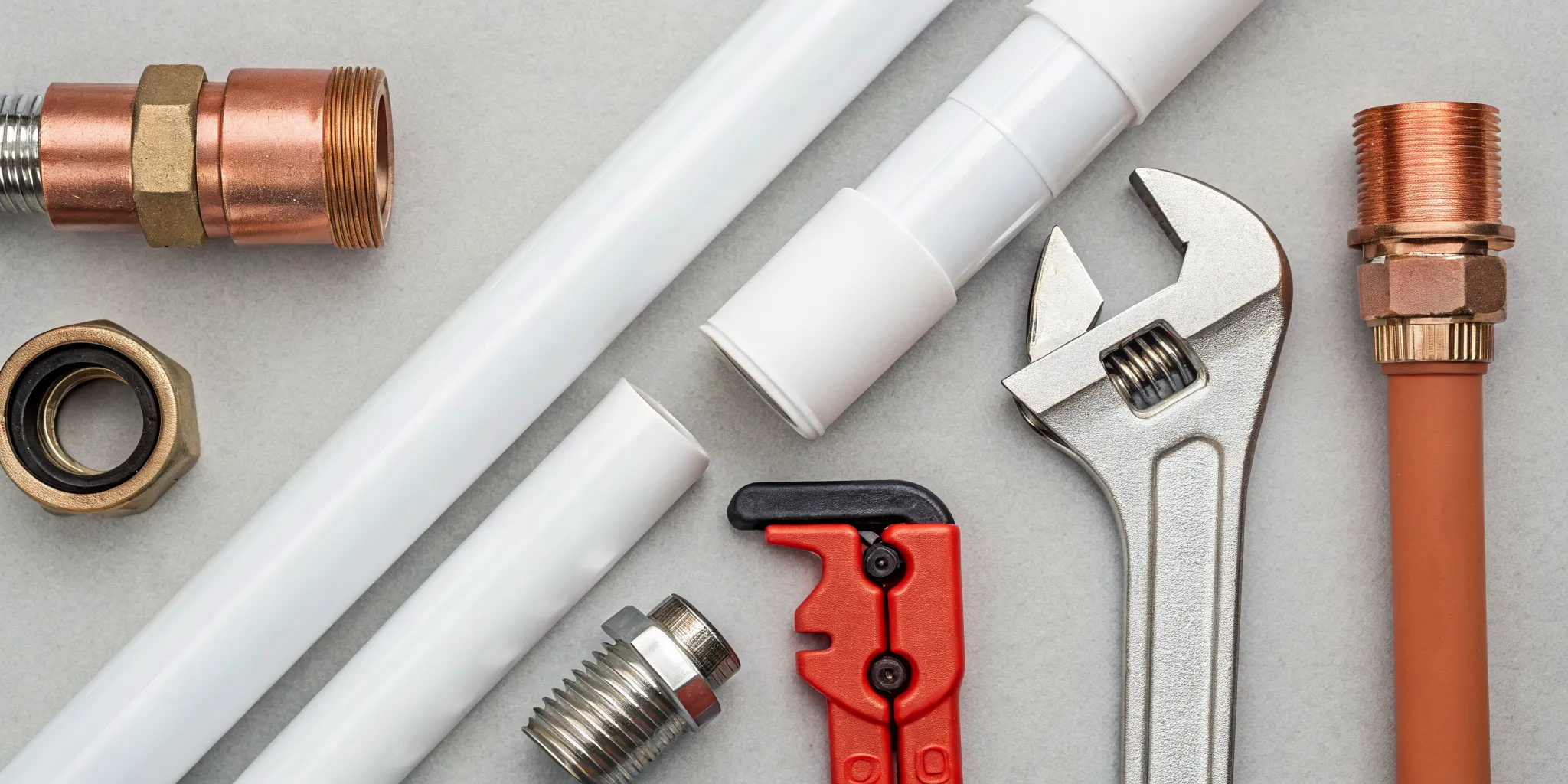
You don’t need a professional-grade toolkit for a simple patch job. While professional plumbers have specialized equipment, homeowners can often get by with a few basics. Before you start any work, make sure you have a bucket to catch drips, some old towels for cleanup, and a wire brush to clean the pipe’s surface. You’ll also want an adjustable pipe wrench and the specific repair product you plan to use, like epoxy putty or a pipe clamp. Having these items ready will make the process much smoother and prevent frantic trips to the hardware store mid-repair. It’s a great idea to build a basic plumbing toolkit with these essentials so you’re always prepared for minor emergencies.
Popular Products for a Quick Fix
For a temporary fix, your local hardware store has several great options that don't require a lot of expertise. Pipe repair tape, often made of self-fusing silicone, can be stretched tightly around a pinhole leak to create a strong, waterproof seal. For larger cracks, a pipe clamp with a rubber gasket is a reliable choice that you can simply tighten into place. Another popular product is epoxy putty; you just knead it to activate and then mold it over the damaged area to form a hard, durable patch. Just be careful when working with fittings. A common mistake is tightening things too much, which can crack the pipe and make the problem worse.
A Step-by-Step Guide to Common Repairs
Ready to fix that leak? Here’s a simple guide to follow. First and most importantly, shut off the main water supply to your home to prevent any flooding. Next, open a faucet at the lowest point in your house, like a basement sink, to drain the remaining water from the pipes. Once the leaking pipe is empty, use a wire brush to clean any rust or grime from the damaged area and dry it completely. Apply your chosen repair product according to the package directions, whether it’s wrapping tape, securing a clamp, or molding epoxy putty over the leak. Give it plenty of time to cure. Finally, turn the water back on slowly and check your work for any drips.
Avoid These Common DIY Mistakes
A few common slip-ups can turn a simple repair into a costly disaster. The single biggest mistake is forgetting to shut off the water supply before starting. This can lead to significant flooding and water damage in a matter of minutes. Another frequent error is overtightening fittings and connections. It’s tempting to think tighter is better, but cranking too hard on connections can cause cracks and strip threads, creating a much bigger leak than the one you started with. Finally, make sure you’re using the right product for the job. Duct tape might seem like a quick fix, but it’s not designed to hold back water pressure and will almost certainly fail.
Know When to Call a Professional
Tackling a home repair project yourself can feel empowering, but some jobs are best left to the experts. When it comes to plumbing, a small misstep can quickly turn into a major headache, leading to water damage and expensive fixes. Knowing your limits is key. If a repair feels too complex or you’re just not confident in your ability to handle it, calling a professional is the smartest move you can make. It protects your home, saves you time, and often prevents a small issue from becoming a catastrophe.
Assess the Risks Before You Start
Before you even pick up a wrench, it’s important to think about what could go wrong. While fixing a running toilet might be straightforward, attempting to replace a section of pipe is a different story. Small mistakes during a DIY repair can lead to leaks, water damage, or broken fixtures, especially when you don’t have the right plumbing tools or expertise. A simple error could mean damaging your floors, walls, or cabinets. Weigh the potential for a costly mishap against the price of a professional service call. Often, the peace of mind that comes with a guaranteed, expert repair is well worth it.
Warning Signs That Mean You Need an Expert
Some plumbing problems send clear signals that they are beyond a simple DIY fix. If you notice recurring clogs, hear gurgling sounds from your drains, or experience consistently low water pressure, there’s likely a deeper issue at play. Water stains on your ceiling or walls are another major red flag. One of the most common DIY mistakes is over-tightening connections. Applying too much force to pipe fittings, supply lines, or faucet connections can result in cracking pipes and hidden leaks. If you’re facing any of these issues, it’s time to put down the tools and call for professional help.
What to Do in a Plumbing Emergency
A burst pipe or a major leak can be stressful, but your first move can make all the difference. Before you do anything else, shut off the main water supply to your home. Forgetting this step is one of the most common and costly DIY plumbing mistakes. Once the water is off, your next step is to call a professional plumber immediately. While you wait, you can place buckets to catch dripping water and move any valuable items out of the affected area. Don’t try to perform a complex repair under pressure; let an expert handle the emergency safely and effectively.
DIY vs. Professional Repair: A Cost Breakdown
The desire to save money is the main reason most people attempt DIY repairs, but a failed attempt can end up costing far more than an initial service call. For example, the most common DIY plumbing mistake is over-tightening connections. Cranking too hard on a fitting can lead to costly repairs if the pipe cracks inside a wall. When you hire a professional from Cooley's, you’re not paying for a fix; you’re paying for experience, the right tools, and a guarantee that the job is done correctly. We can quickly diagnose the root cause of the problem, preventing future issues and ensuring your plumbing system runs smoothly.
Choose the Right Pipe Repair Products
Walking down the plumbing aisle at a hardware store can feel overwhelming. With so many clamps, tapes, and putties, how do you know what will actually solve your problem? Choosing the right product is about more than just grabbing the box with the most promising claims. It’s about understanding the type of pipe you have, the nature of the leak, and whether you’re looking for a quick patch or a lasting solution. The right materials can make your repair a success, while the wrong ones can lead to bigger headaches down the road. Let's break down how to select the best products for your specific pipe repair needs.
Trusted Brands for Pipe Repair
When you're tackling a DIY repair, the quality of your materials really matters. While professional plumbers have access to specialized tools and materials, homeowners are often working with a more basic toolkit. Look for products with clear, easy-to-follow instructions designed for home use. Items like epoxy putty, pipe repair clamps, and self-fusing silicone tape are popular for a reason: they're generally effective for minor leaks and don't require complex tools. You can find these at any local hardware store. Focus on products that are rated for the type of pipe you have (like copper or PVC) and the water temperature and pressure it handles.
Compare Different Repair Methods
The product you choose is only half the battle; the method you use is just as important. For a tiny pinhole leak, a simple pipe clamp might be all you need. For a longer crack, a fiberglass wrap kit could be a better option. One of the most common DIY mistakes is simply over-tightening fittings and connections. It’s tempting to think tighter is better, but applying too much force can crack the pipe or fitting, turning a small drip into a major problem. Always follow the product’s instructions carefully and use just enough force to create a secure seal without straining the components.
Find Reliable Product Reviews
Before you buy, do a little homework. Spend some time reading product reviews on hardware store websites or home improvement forums. Look for feedback from people who had a similar problem to yours. Did the product work as advertised? Was it easy to apply? Most importantly, how long did the repair last? Video tutorials can also be a great resource, as they show you exactly how the product is applied and what the results look like. This extra step can help you feel more confident in your choice and avoid products that don't live up to their promises.
Decide Between a Temporary or Permanent Fix
It's important to be honest with yourself about what you're trying to achieve. Are you applying a quick patch to stop a drip until a professional can arrive, or are you attempting a permanent fix? Many DIY products, like pipe wraps and tapes, are designed as temporary solutions. They can be lifesavers in an emergency but may not hold up long-term. Similarly, relying on chemical drain cleaners can cause more harm than good, as they can damage metal pipes over time. For a truly permanent solution that gives you peace of mind, a professional repair from a team like Cooley's is almost always the best path forward.
Related Articles
- Plumbing Repair Delta County | Fast Leak & Drain Fix | Cooleys
- Plumbing Maintenance Tips
- Plumbing Repair Montrose County | Fix Leaks & Clogs Fast | Cooleys
Frequently Asked Questions
What's the absolute first thing I should do if I find a leaking pipe? Before you even think about tools or repair kits, find and shut off your home's main water supply. This single step prevents a small leak from turning into a major flood while you work. Once the water is off, open a faucet at the lowest level of your house to help drain any water remaining in the pipes.
My leak seems really small. Is it okay to wait to fix it? It's best to address any leak, no matter the size, as soon as you spot it. A tiny drip can be a symptom of a larger problem like corrosion or high water pressure. Over time, even a small amount of water can lead to mold, rot, and damage to your walls, floors, and cabinets.
What's the most common mistake I should avoid with a DIY pipe repair? The most frequent error is over-tightening fittings and connections. It’s natural to think that tighter means a better seal, but applying too much force can easily crack a pipe or strip the threads on a fitting. This can create a much worse leak than the one you started with. A snug fit is all you need.
Are the repair tapes and putties from the hardware store a permanent fix? Most DIY pipe repair products, like silicone tape and epoxy putty, are designed to be excellent temporary solutions. They are perfect for stopping a leak in an emergency and preventing water damage until a proper repair can be made. For a reliable, long-term solution, you'll want a professional to assess the pipe and fix the underlying issue.
How can I tell if a plumbing problem is too big for me to handle? If you're dealing with recurring clogs, hearing strange gurgling sounds from multiple drains, or seeing water stains appear on your walls or ceiling, it's time to call an expert. These are signs of a more complex problem within your plumbing system that a simple patch won't solve.