.png)




.png)

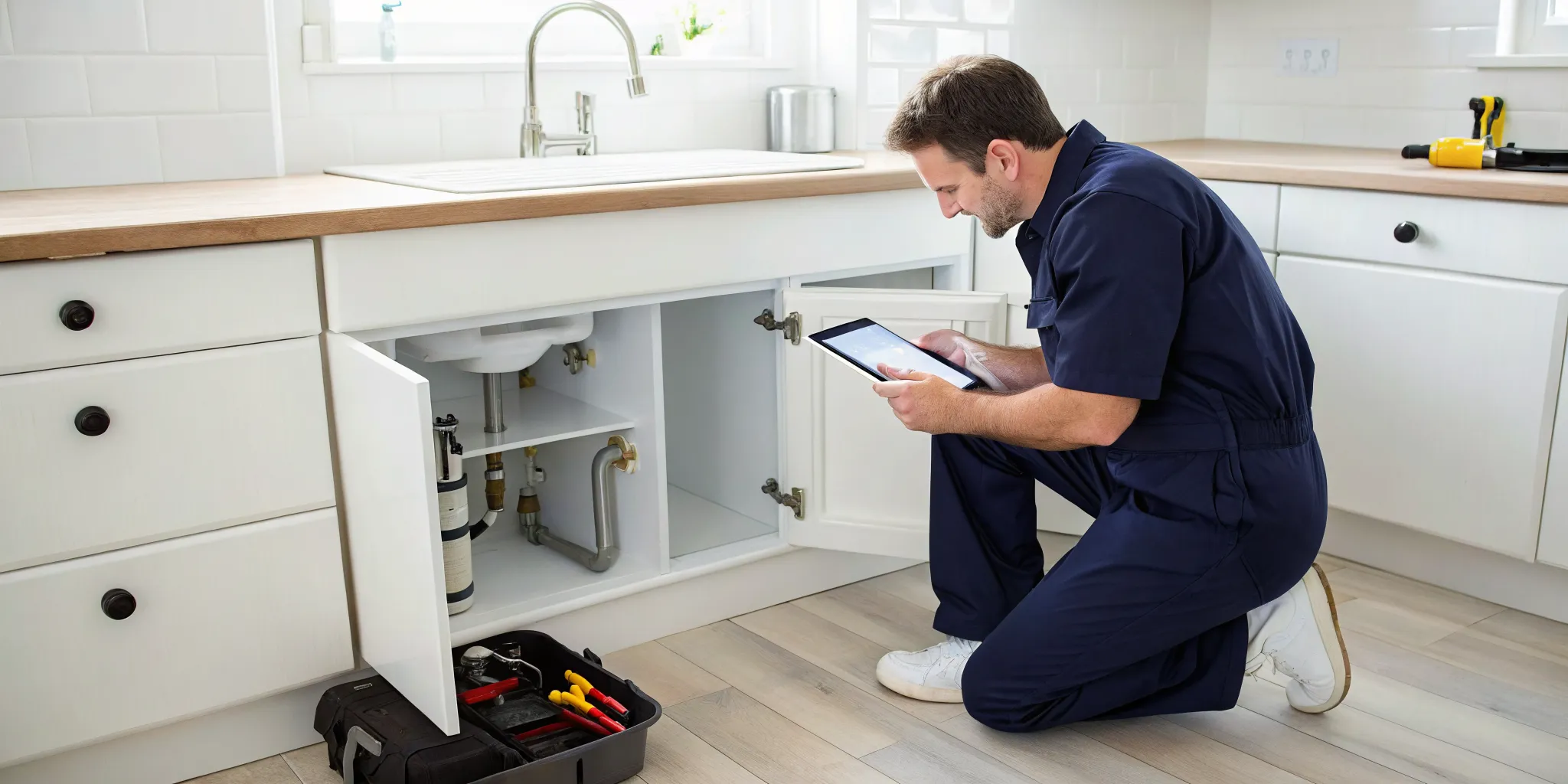
The best time to find a great plumber is before you actually need one. Waiting until you’re standing in an inch of water to start your research adds a layer of stress you just don’t need. Think of it like this: you have a trusted doctor for your family, so why not have a go-to plumber for your home? Taking some time now to proactively search for a "plumber near me" and vet a few local companies means you’ll have a reliable professional on speed dial when an issue does arise. This guide will show you exactly what to look for, from licenses and insurance to guarantees on their work, so you can build a relationship with a pro you trust.
Key Takeaways
- Do your homework before hiring: Protect yourself by verifying any potential plumber has a valid license and insurance. Also, read online reviews and always get a detailed, written estimate before work begins to ensure you’re working with a true professional.
- Control costs with smart planning: To get a fair price, request at least three itemized quotes so you can compare the specifics of each offer. For non-urgent issues, scheduling the repair during regular business hours can help you avoid higher emergency rates.
- Know when to call a professional: While you can handle simple fixes like a minor clog, always call an expert for complex or dangerous jobs. Any work involving your water heater, gas lines, or main sewer line requires a professional to ensure the job is done safely and correctly.
What Does a Plumber Do?
When you think of a plumber, you probably picture someone fixing a leaky pipe under the sink. While that’s definitely part of the job, a professional plumber’s expertise covers a much wider range of services for both homes and businesses. From installing new fixtures and maintaining complex systems to responding to urgent crises, plumbers are essential for keeping our water flowing safely and efficiently. Understanding what a plumber can do helps you know exactly who to call when a problem pops up, whether it’s a minor annoyance or a major emergency.
Residential Plumbing Services
For homeowners, a plumber is the go-to expert for keeping daily life running smoothly. They handle all those common issues that can disrupt your routine, like stubbornly clogged drains in the kitchen sink or shower, dripping faucets, and a water heater that suddenly stops working. Beyond just fixing things, residential plumbers also help with installations, such as putting in a new toilet or dishwasher. Their work is crucial for protecting your home from potential water damage and ensuring your family has clean, safe water for drinking, cooking, and bathing.
Commercial Plumbing Services
Plumbing in a commercial setting, like an office building, restaurant, or retail store, is often more complex than in a home. Commercial plumbers are equipped to handle these larger-scale systems. Their services are vital for businesses to remain operational and compliant with health codes. This includes clearing heavy-duty drain blockages, repairing or replacing large-capacity water heaters, and addressing issues with public restrooms. A plumbing problem can shut down a business, so having a reliable commercial plumber on call for routine maintenance and repairs is a smart move to prevent disruptions and protect your bottom line.
Emergency Plumbing Services
Some plumbing problems can’t wait. A true emergency is any issue that poses an immediate risk to your property, health, or safety. Think of a burst pipe flooding your basement or a backed-up sewer line. These situations require immediate attention to prevent catastrophic damage and costly repairs. An emergency plumber is available 24/7 to respond quickly and control the situation. They have the tools and experience to stop a major leak, diagnose the underlying cause, and begin the repair process, giving you peace of mind when you need it most.
How to Find a Good Plumber
Finding a plumber you can trust shouldn't feel like a shot in the dark. When a pipe bursts or your water heater gives out, you need someone reliable, and you need them fast. But a little bit of research upfront can save you from a world of headaches and unexpected costs. Taking these simple steps will help you find a qualified professional who will get the job done right the first time.
Check Online Reviews
Your first stop will likely be a quick online search, and that’s a great place to start. When you look at reviews, go beyond the star rating. Read the actual comments to see what people are saying. Are there patterns in the feedback? Consistent mentions of a plumber being on time, communicating clearly, and charging fair prices are all green flags. One bad review isn't a dealbreaker, but a series of them pointing out the same issue should give you pause. This feedback gives you a real-world glimpse into what you can expect from their service.
Ask for Recommendations
Never underestimate the power of a good old-fashioned recommendation. Reach out to friends, family, or neighbors who live nearby, as they can give you an honest account of their experience with local plumbers. You can also ask for suggestions in local community groups online. Once you have a few names, don't be shy about asking the plumbing company for a few references. Speaking directly with past customers is one of the best ways to get a feel for a company’s professionalism and the quality of their work, giving you confidence before you hire.
Verify They're Truly Local
It’s important to make sure the plumber you hire is genuinely part of your community. Some large companies use call centers that dispatch jobs to subcontractors you can't vet. A truly local plumber will understand regional building codes and common issues specific to our area on the Western Slope. Family-owned businesses often have a strong reputation to uphold and are more accountable to their neighbors. When you support a local company, you're investing in a business that is committed to the community, often providing more personal service and fair pricing.
What to Look for in a Plumber
Once you have a short list of potential plumbers, it’s time to do a little homework. A friendly voice on the phone is a great start, but you need to confirm they have the qualifications to match. Before you hire someone to work on your home’s essential systems, taking a few minutes to verify their credentials can save you a world of trouble. Focusing on a few key areas will help you separate the true professionals from the rest and give you peace of mind that you’re making the right call.
License and Insurance
First on your checklist: any plumber you consider must be licensed and insured. This is a non-negotiable starting point. A license proves the plumber has met your state's standards for training, testing, and competency. Here in Colorado, you can easily verify a professional's license online to ensure it's active and in good standing. Insurance is just as critical because it protects you. If an accident happens, like a pipe bursting and causing water damage, the company’s liability insurance should cover the costs, not your homeowner's policy. A reputable company will gladly provide proof of both.
Relevant Experience and Certifications
Not all plumbing jobs are created equal, and neither are plumbers. Matching the right experience to your specific problem is key. The plumbing trade has a clear progression from apprentice to journeyman to master plumber. An apprentice is still learning and is great for simpler tasks under supervision. A journeyman is fully qualified for most standard repairs and installations. A master plumber has the highest level of certification and is the expert you want for complex jobs, like designing a new plumbing system. When you call for service, don't hesitate to ask about the experience of the technician who will be handling your job.
Guarantees on Parts and Labor
What happens if that "fixed" faucet starts dripping again a week later? This is where a solid guarantee makes all the difference. A professional plumber who is confident in their work will offer a warranty on both the parts they install and the labor they perform. This is your assurance that if the repair fails within the warranty period, they will come back and fix it correctly at no additional charge. This commitment shows accountability and is a strong sign of a quality business. Before agreeing to any work, always ask about their guarantee and get the details in writing on your estimate.
Red Flags: When to Hire Someone Else
Knowing what to look for in a great plumber is half the battle. The other half is knowing which warning signs mean you should walk away. While it’s great to be optimistic, being a savvy homeowner means you also have to be realistic. Not everyone who shows up at your door has your best interests at heart. Spotting red flags early can protect you from shoddy work, surprise costs, and major headaches. A true professional will be transparent and make you feel confident in your decision, not pressured or uncertain. They understand that they are a guest in your home and that their job is to solve your problem, not create a new one. If a plumber’s behavior raises alarms, it’s always better to find someone else for the job. Your home and your peace of mind are too important to risk. The best plumbers build their business on trust and quality, so they won't resort to shady tactics. They want to earn your repeat business and referrals, not make a quick buck and disappear. Before you agree to any work, take a moment to assess the situation and the person you're dealing with. Below are some of the most common red flags to watch for. If you encounter any of these, it's a clear signal to continue your search for a plumber you can truly trust.
High-Pressure Sales Tactics
You should never feel rushed into a major plumbing decision. Be cautious of any plumber who uses high-pressure sales tactics to get you to commit on the spot. This might look like someone showing up uninvited, creating a false sense of urgency, or being intentionally vague about costs to push you toward an expensive option. A trustworthy professional will clearly explain the problem, lay out your options, and give you the space to choose what’s right for your home and budget. If you feel cornered or confused, that’s your cue to get a second opinion from a different company.
Requests for Full Upfront Payment
This is one of the biggest red flags in any home service industry. While a deposit for materials on a large project is standard, be very wary of a plumber who demands the full payment before any work begins. Reputable professionals are confident in their work and typically have a payment schedule that involves a deposit and final payment upon completion and your satisfaction. Paying the entire amount upfront removes any incentive for the plumber to finish the job to your standards, or even to finish it at all. Always get payment terms in writing before work starts.
Lack of a Written Estimate or Credentials
A professional plumber will have nothing to hide. If they hesitate to provide a detailed, written estimate or show you their license and insurance information, consider it a major warning. A license proves they have met state requirements, and insurance protects you from liability if an accident happens on your property. You can easily verify a plumber's license in Colorado online. Asking for these documents isn’t rude; it’s a smart and necessary step to ensure you’re hiring a qualified and accountable professional who stands by their work.
Misleading Ads or a Fake Address
Be mindful of plumbers who seem to be everywhere with flashy ads but have no real local presence. Some companies invest heavily in advertising and pass those costs on to customers through inflated prices. Worse, some may use a P.O. box or fake address to appear local when they are actually a large, out-of-area operation. A truly local plumber will have a verifiable physical address and a genuine connection to the community they serve. Do a quick search on their address and check their website to confirm they are an established part of your local area.
How Much Should a Plumber Cost?
Let's talk about the number one question on everyone's mind: what’s this going to cost? Plumbing prices can feel mysterious, but they don’t have to be. While the final bill depends on your specific issue, understanding the basic pricing structures can help you budget and feel confident that you’re getting a fair deal. Think of it as a roadmap for understanding quotes and making an informed decision for your home or business.
Common Plumbing Job Costs
Nationally, you can expect a plumber’s hourly rate to fall somewhere between $80 and $150. This is just a baseline for labor, so it doesn't include the cost of parts, a trip charge, or other fees. For a simple fix like a leaky faucet, you might be on the lower end of the cost spectrum. However, for more complex projects like installing a new water heater or re-piping a section of your home, the price will naturally be higher due to the increased time and materials required. The key is to remember that this hourly rate is just one piece of the puzzle.
Hourly vs. Flat-Rate Pricing
Plumbers typically use one of two pricing models: hourly or flat-rate. An hourly rate, which can range from $45 to over $200, is common for diagnostic work or jobs where the full scope isn't clear from the start. You pay for the time it takes to complete the repair. In contrast, many plumbers offer a flat-rate price for standard jobs like drain cleaning or a toilet installation. This means you get a single, upfront cost for the entire project. The benefit here is transparency; you know exactly what you’ll pay, no matter how long the work takes. Always ask a potential plumber how they structure their plumbing services pricing so you know what to expect.
Factors That Affect the Price
Several key factors influence the final cost of a plumbing job. The complexity of the work is the biggest one; a simple clog is much different from a hidden leak inside a wall. The price also depends on the materials needed, the number of technicians required, and the overall time the project will take. Your location can also play a role, as plumbers in more remote areas may have different overhead costs. The most significant price variable, however, is timing. If you need a plumber on a weekend, evening, or holiday, you can expect the rate to be substantially higher, sometimes 50% to 100% more, for an emergency call-out.
Potential Hidden Fees
No one likes surprises on their final bill. A major red flag is any plumber who gives you a firm price over the phone without seeing the problem first. Many professionals charge a trip fee or diagnostic fee, often between $50 and $100, just to come to your home and assess the situation. This is a standard practice that covers their time and travel, but it’s something you should ask about upfront. For emergency calls, this initial fee can be even higher. To avoid any misunderstandings, always request a detailed, written estimate that breaks down all costs, including labor, parts, and any potential fees, before you agree to have the work done.
How to Avoid Being Overcharged
Feeling confident about the price you’re paying for a plumbing repair is a huge part of trusting your plumber. No one wants to feel like they’re being taken for a ride, and the good news is that you have more control over the cost than you might think. By being a proactive and informed customer, you can ensure you’re getting a fair price for quality work. It just takes a little bit of prep work on your end. Here are a few straightforward steps you can take to avoid being overcharged and hire a professional with peace of mind.
Get Multiple Itemized Quotes
When you’re facing a significant repair, don’t just call the first plumber you find and agree to their price. It’s always a smart move to get price estimates from at least three different companies. This gives you a clear picture of the going rate for the job in your area. More importantly, ask for an itemized quote. This means the estimate should break down the costs, separating labor charges from the price of materials and parts. A vague, lump-sum quote can hide inflated costs, so a detailed breakdown is a sign of a transparent and professional plumber.
Compare Apples to Apples
Once you have a few itemized quotes in hand, you can make a true comparison. The lowest bid isn't automatically the best choice. Look closely at the details. Are they all proposing the same solution and using similar quality parts? One plumber might quote a lower price by using cheaper, less durable materials that will only cause problems down the road. Don't be afraid to ask questions about the specific brands or types of parts they plan to use. This helps you understand exactly what you’re paying for and ensures you’re comparing apples to apples, not apples to oranges.
Schedule Work During Business Hours
If your plumbing issue isn't a full-blown emergency, your timing can make a big difference in the final bill. Most plumbing companies have higher rates for service calls outside of standard business hours. This includes nights, weekends, and holidays. That premium pays for the technician's on-call availability. So, if you have a leaky faucet that can wait until Monday morning, it’s worth scheduling the repair during a regular weekday. Of course, if you have a burst pipe, don't wait! But for non-urgent plumbing services, a little patience can help you keep costs down.
Get a Written Agreement
A verbal agreement isn't enough when it comes to home repairs. Before any work begins, make sure you have a signed, written agreement or contract. This document protects both you and the plumber by clearly outlining expectations. A professional estimate should detail the full scope of the work, the projected timeline for completion, and a complete breakdown of costs. According to home service experts, a written estimate should also specify any warranties or guarantees on parts and labor. This simple step prevents misunderstandings and ensures everyone is on the same page from start to finish.
How to Compare Your Top Plumber Choices
You’ve done your research and narrowed your list down to a few promising plumbers. Now, how do you make the final call? Making a direct comparison based on a few key criteria will help you confidently choose the right professional for the job. It’s about looking past the initial quote and evaluating who will provide the best, most reliable service from start to finish.
Response Time and Availability
A plumbing emergency rarely happens at a convenient time. When a pipe bursts or a drain backs up, you need help fast. That’s why a plumber’s availability should be a major factor in your decision. Look for companies that offer 24/7 emergency services, ensuring you won’t be left stranded overnight or on a weekend. Even for non-urgent jobs, a plumber who responds quickly and can schedule you in a reasonable timeframe shows that they value your time. A company’s commitment to being available when you need them is a strong indicator of their overall customer service.
Online Reputation and Reviews
Think of online reviews as the new word-of-mouth. While you should take any single review with a grain of salt, looking at the overall pattern gives you a great sense of a company's track record. Platforms like Thumbtack allow you to read through feedback from past customers. Don’t just look at the star rating; read a mix of positive and negative comments. How does the company respond to criticism? Are the positive reviews detailed and specific? Consistent praise for professionalism, timeliness, and fair pricing is a fantastic sign that you’re looking at a trustworthy plumber.
Professionalism and Communication
From the first phone call, you can tell a lot about a plumber’s professionalism. Are they polite, clear, and willing to answer your questions? A true professional will communicate openly about their process and pricing. They should also be able to provide proof of their license and insurance without hesitation. Another key sign of professionalism is a company that stands behind its work. Ask if they offer guarantees on parts and labor. This shows they are confident in their skills and committed to doing the job right, giving you peace of mind that your investment is protected.
When to DIY and When to Call a Pro
I get it. When a faucet starts dripping or a drain moves slowly, the urge to roll up your sleeves and fix it yourself is strong. Tackling a home repair project can feel empowering, and let's be honest, it can also feel like a good way to manage your budget. But when it comes to plumbing, the line between a simple fix and a potential disaster can be surprisingly thin.
Knowing when to grab your toolbox and when to pick up the phone is one of the most important skills a homeowner can have. Getting it wrong can lead to water damage, expensive follow-up repairs, and a whole lot of stress. So, let's walk through which jobs are generally safe for a DIY approach and which ones absolutely require a professional plumber.
Simple Fixes You Can Handle
There are definitely some plumbing tasks you can tackle yourself with a bit of confidence and a few basic tools. You can often unclog a minor drain with a plunger or by cleaning the P-trap. Replacing a faucet aerator, swapping out a showerhead, or even installing a new toilet seat are all manageable projects for most people. Successfully handling these small jobs can help you keep more money in your pocket and give you a well-deserved sense of accomplishment. The key is to know your limits. If a simple fix starts to feel complicated or requires more force than you're comfortable with, it's time to put the tools down.
When You Absolutely Need a Pro
While it’s great to handle small jobs, some situations are best left to the experts. If a problem seems too big, requires special tools, or involves cutting into pipes, it's time to call for help. Anything involving your water heater, gas lines, or main sewer line is firmly in pro-only territory. These aren't just complex jobs; they can be dangerous. True emergencies that put your home or health at risk, like a burst pipe or a sewer backup, need immediate professional attention. For major projects like repiping your home or installing a new water heater, hiring an experienced plumber is the safest and most reliable choice to avoid costly mistakes and ensure the work is up to code.
Simple Plumbing Maintenance to Prevent Problems
The best way to deal with a plumbing disaster is to prevent it from happening in the first place. A little regular maintenance goes a long way in keeping your pipes, drains, and fixtures working correctly, helping you avoid the stress and expense of an emergency call. Many of these tasks are simple things you can add to your regular cleaning routine. For instance, run hot water down your kitchen and bathroom drains for a minute after use to help clear out any buildup.
It’s also smart to be mindful of what goes down your drains. Things like coffee grounds, grease, and fibrous vegetable peels belong in the trash or compost, not the sink. In the bathroom, only human waste and toilet paper should be flushed. Items like sanitary napkins, diapers, and even so-called "flushable" wipes are notorious for causing stubborn clogs. Taking a moment to learn a few maintenance tips can make a huge difference. Finally, make sure everyone in your household knows where the main water shut-off valve is. In the event of a burst pipe, turning it off quickly can prevent catastrophic water damage.
Your Seasonal Maintenance Checklist
Just like your car, your home’s plumbing system benefits from a regular check-up. Scheduling an annual plumbing inspection is a great way to catch small issues before they become big, expensive problems. A professional can spot things like hidden leaks, corrosion, or water pressure issues that you might not notice otherwise. For homeowners on the Western Slope, seasonal prep is especially important. Before winter arrives, take the time to insulate any exposed pipes in your basement, crawl spaces, or garage. This simple step can prevent your pipes from freezing and bursting during a cold snap, sparing you a major headache and costly emergency repairs.
Warning Signs of Plumbing Trouble
It’s helpful to know the difference between a minor annoyance and a true plumbing emergency. A dripping faucet or a slow-draining sink are definitely issues you’ll want to address, but they can usually wait for a scheduled appointment during normal business hours. However, some situations require immediate attention to protect your home and your family. A true plumbing emergency includes things like a burst pipe, any sign of a sewage backup, or a complete loss of water. If you smell gas, that’s the most critical emergency of all; you should leave your home immediately and call your gas company and a plumber from a safe location.
Need a Plumber You Can Trust on the Western Slope?
When a pipe bursts or your water heater gives out, the last thing you want is the added stress of finding a plumber you can count on. Finding a professional who is not only skilled but also trustworthy can feel like a challenge, especially when you need someone fast. You’re inviting a person into your home or business, so it’s about more than just fixing a leak; it’s about peace of mind. The right plumber will be transparent, respectful of your property, and clear about pricing from the start.
A great first step is to ask friends, family, or neighbors for their recommendations. People are usually happy to share their experiences with local service providers. Beyond word-of-mouth, check online reviews on sites like Google to see what other customers in your area are saying. Look for consistent comments about punctuality, fair pricing, and quality work. A plumber with a strong, positive reputation in communities from Montrose to Grand Junction is often a safe bet. This groundwork helps you build a shortlist of potential professionals who have already earned the trust of people near you.
Once you have a few names, make sure you are hiring a legitimate professional. Always verify that the plumber holds a valid state license and carries full insurance. This is crucial because it protects you from any liability if an accident happens on your property. A true professional will have no problem providing you with their credentials. At Cooley's, we believe in complete transparency and professionalism. Our team is fully licensed and insured, and we are committed to providing reliable plumbing services across the Western Slope. We’ve built our reputation over 20 years by treating every customer’s home with the respect it deserves.
Related Articles
- Plumbing Repair Delta County | Fast Leak & Drain Fix | Cooleys
- Delta County Plumbing Services | Fast Repairs by Cooleys
- Plumbing Services | Cooleys Heating, Cooling & Plumbing
- Plumbing Repair Montrose County | Fix Leaks & Clogs Fast | Cooleys
Frequently Asked Questions
What really counts as a plumbing emergency? A true emergency is any issue that poses an immediate threat to your property or safety. Think of problems like a burst pipe actively flooding your home, a backed-up sewer line, or the smell of gas, which requires you to leave the house immediately. A dripping faucet or a slow drain, while annoying, can typically wait for a scheduled appointment during regular business hours without causing major damage.
Is it okay to ask a plumber for their license and insurance information? Absolutely. In fact, you should always ask. It is a completely normal and responsible step for any homeowner to take. A qualified, professional plumber will expect this question and will be happy to provide you with proof of their credentials. It shows they are a legitimate business, and it's your best way to confirm you are protected from liability.
Why do I need an in-person estimate instead of just getting a price over the phone? Plumbing problems are often more complicated than they appear on the surface. A professional needs to see the situation firsthand to properly diagnose the issue, determine the right solution, and see what parts are needed. A price given over the phone is just a guess, but a written estimate after an in-person inspection gives you an accurate cost and prevents surprise fees later on.
Should I just automatically choose the plumber with the lowest quote? The lowest price is not always the best value. When you get multiple quotes, make sure you are comparing the details, not just the final number. A cheaper bid might be cutting corners by using lower-quality parts or less experienced labor, which could cost you more in the long run. A transparent, itemized quote will show you exactly what you are paying for.
What can I do to prepare my home for a plumber's visit? A little prep work can help the job go smoothly. The most helpful thing you can do is clear the area where the plumber will be working. For example, empty the cabinet under the sink or move furniture away from the water heater. Also, make sure there is a clear path to the work area and consider securing any pets so the technician can work safely and efficiently.