.png)





.png)

Planning a new kitchen or dreaming of a spa-like bathroom remodel is exciting. You spend hours picking out the perfect tile, cabinets, and countertops. But the success of your project truly depends on something you’ll never see: the plumbing. A professional plumbing installation is the foundational step that makes your dream space functional. It involves carefully mapping out and installing the entire system of pipes and drains before the walls are even closed up. Getting this part right is critical. This guide will walk you through the entire process, from the initial design and rough-in phase to choosing fixtures and passing final inspections.
Key Takeaways
- A proper installation is a multi-step process: A successful project involves more than just fixtures; it requires careful planning, a rough-in phase for pipes behind the walls, and rigorous testing to prevent future leaks.
- Hiring a pro protects your investment: A licensed plumber ensures your project meets all local building codes, passes inspections, and is covered by a warranty, saving you from costly mistakes and legal headaches.
- Understand what shapes the final cost: Your project's price is influenced by its size, complexity, and the materials used, so always get a detailed quote from a professional to create a realistic budget.
What Is a Plumbing Installation?
When you think about your home’s plumbing, you probably picture the faucets and fixtures you use every day. But behind the walls and under the floors lies a complex network that makes modern life possible. A plumbing installation is the process of setting up this hidden system of pipes, valves, and drains that brings fresh, clean water into your home and safely carries wastewater away. It’s the backbone of your kitchen, bathrooms, and laundry room.
Every installation project has two main parts. First is the water supply system, which is a network of pressurized pipes that delivers hot and cold water to your fixtures. The second is the drain-waste-vent (DWV) system. This part uses gravity to remove used water and waste, while the vents prevent sewer gases from entering your home. Whether you're building a new house from the ground up or finally getting that second bathroom you’ve always wanted, a proper plumbing installation ensures everything works correctly, efficiently, and safely for years to come.
Common Plumbing Installation Projects
Plumbing installation isn't just for new homes. Many common projects you might be considering for your own house fall under this category. A full-scale installation involves putting in all the new pipes for clean water and setting up the entire drain-waste-vent (DWV) system. This is the groundwork for connecting essential fixtures like sinks, toilets, showers, and tubs.
Other familiar projects include installing a new water heater, adding a garbage disposal under your kitchen sink, or running a new line for a dishwasher or washing machine. Even something like moving a sink during a kitchen remodel requires a professional installation to ensure the new connections are secure and leak-free. Each of these jobs involves careful planning to integrate new components into your existing system.
New Construction vs. Renovation Projects
The approach to a plumbing installation changes quite a bit depending on whether you’re building a new home or renovating an existing one. In new construction, the process is more straightforward. The plumbing work happens during the rough-in stage, where pipes are laid in the open framing before any drywall or flooring goes in. This allows plumbers to map out the most efficient system from scratch.
Renovation projects, on the other hand, often feel more like surgery. Plumbers must work within the confines of existing walls, floors, and foundations. This can involve carefully opening up walls to access old pipes, rerouting lines to accommodate a new layout, and making sure the new plumbing integrates seamlessly with the old. It requires a bit more problem-solving but is key to modernizing your home.
A Step-by-Step Look at Plumbing Installation
Step 1: Planning and Design
Every successful plumbing project starts with a solid plan. This is the phase where your plumber acts like an architect for your water system. We'll sit down with you to go over your home's blueprints and talk about how you live. Where do you envision your kitchen sink? Do you want a double vanity in the master bath? We map out the entire system, creating a detailed diagram that shows where every supply line and drainpipe will go. Getting this foundational layout right from the start is key to ensuring your home’s plumbing works exactly how you need it to for years to come.
Step 2: The Rough-In Phase
Once the home’s frame is up but before the drywall is installed, the rough-in phase begins. This is when the plumbing system really starts to take shape behind the scenes. Our team will install the network of pipes for water supply and drainage that will live inside your walls and floors. You won’t see any sinks or toilets yet, just the pipes that will eventually connect to them. We carefully slope the drain lines to use gravity, ensuring wastewater flows away efficiently. This rough-in stage is a critical part of the construction sequence, setting the stage for a flawless finish.
Step 3: Installing Fixtures and Final Connections
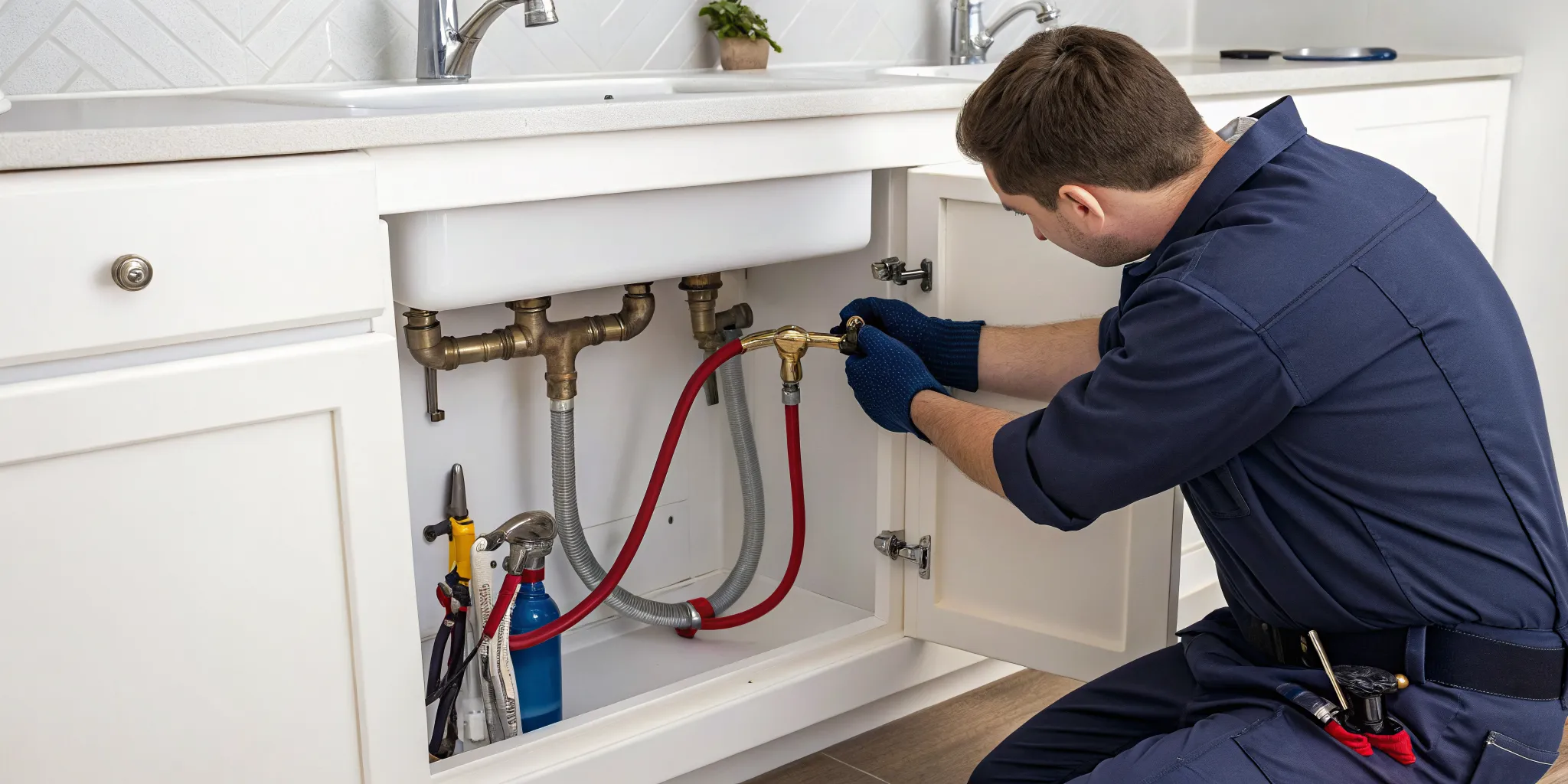
This is the part where your vision truly comes to life. After the walls are painted and the flooring is in, we move on to installing the fixtures. Your sinks, toilets, showers, and faucets are carefully put into place and connected to the pipes we installed during the rough-in. We also hook up essential appliances like your water heater, dishwasher, and washing machine. It’s a satisfying step because your kitchen and bathrooms start to look and feel complete. Suddenly, you have a functional space where you can actually turn on a tap and get water, which is always an exciting moment in any home renovation.
Step 4: Testing and Inspection
Before we call the job done, we put the entire system through rigorous testing. This is a non-negotiable step that ensures everything is working perfectly and is completely safe. We use pressurized air or water to test the supply lines for even the tiniest leaks. We also run water through the drain system to confirm it flows correctly and that all connections are sealed tight. A final inspection confirms that the installation meets all local plumbing codes, which are in place to protect your health and safety. This thorough check gives you peace of mind, knowing your new plumbing is reliable and built to last.
The Tools and Materials of the Trade
A successful plumbing installation depends on two key things: the right materials for the job and the right tools to put them all together. While you might be familiar with a pipe wrench, professional plumbing involves a much wider array of components and specialized equipment. Understanding what goes into a project can help you appreciate the work and make informed decisions for your home, ensuring your new plumbing system is reliable and built to last.
A Look at Pipe Materials: PVC, Copper, and PEX
When it comes to the pipes behind your walls, you have a few options. The most common materials in modern homes are PVC, copper, and PEX. PVC is a durable plastic pipe used for drain, waste, and vent lines. Copper has been a long-standing choice for water supply lines because it’s incredibly durable, though it comes at a higher price. A newer player, PEX, is a flexible plastic tubing that has become very popular. Its flexibility makes it easier to run through walls, and it's generally more affordable than copper. The approximate cost to install new plumbing can vary depending on which material is best for your home and budget.
Understanding Fittings and Fixtures
Fittings are the small connectors that join pipes, change their direction, or adapt to different sizes. Fixtures are the parts of the plumbing system you interact with every day, like sinks, toilets, showers, and faucets. An installation also involves connecting appliances that use water, such as your dishwasher, washing machine, and water heater. A professional plumber helps you choose the right parts and fixtures that are not only stylish but also compatible with your home’s system, ensuring everything works together seamlessly without leaks.
Basic vs. Specialized Plumbing Tools
While a homeowner’s toolkit might have a wrench, a professional plumber’s van is a workshop on wheels. Many steps in a plumbing installation require special tools and knowledge that most people don't have. For example, properly setting a new toilet involves more than just tightening bolts; it requires specific tools to handle the mounting hardware and correctly place the wax seal to prevent leaks. From PEX crimpers and pipe threaders to drain augers and inspection cameras, professionals use specialized equipment to do the job efficiently, correctly, and up to code.
Following the Rules: Plumbing Codes and Regulations
Plumbing work isn’t the Wild West. A complex system of rules and regulations governs every pipe, fitting, and fixture installed in your home. While it might sound like a lot of bureaucratic hassle, these rules are actually your best friend. They are designed to protect your family’s health, your home’s structural integrity, and your investment. Think of them as a quality-control system for one of your home’s most essential functions.
Following these regulations involves three key parts: understanding the specific building codes for your area, securing the right permits before work begins, and passing official inspections. Each step is crucial for a safe and successful project. For homeowners, this can feel like a lot to manage, which is why working with a professional is so important. A licensed plumber not only has the skills to do the job but also understands the local requirements here on the Western Slope. They know the specific codes for Mesa or Montrose County and will handle the entire process, ensuring everything is done correctly and legally from start to finish. This gives you peace of mind, knowing your new plumbing is safe, reliable, and built to last.
Local Building Codes and Permits
So, what exactly are these rules? Local building codes are the specific guidelines that dictate how plumbing systems must be installed. They cover everything from the type of pipes used (like PVC or copper) to how they are supported and connected. Codes also have strict requirements for things like proper ventilation and backflow prevention to keep your water supply clean and your home safe. For any project more complex than fixing a leaky faucet, you’ll likely need a permit from your local building department. This is the official permission to start the work. A professional plumber will manage this process for you, submitting the plans and ensuring your project is on the books and fully compliant.
Safety and Inspection Standards
A permit also triggers the inspection process, which is a critical safety check. An independent inspector from your city or county will visit your home at key stages of the project to verify the work meets all code requirements. Typically, they come out after the initial "rough-in" phase (when pipes are installed but before walls are closed up) and again for a final inspection after fixtures are in place. This step-by-step verification ensures that any potential issues are caught early, long before they could cause a major leak or safety hazard. It’s the ultimate quality assurance, confirming that your plumbing was installed correctly and safely.
What Does a Plumbing Installation Cost?
Let’s talk about one of the biggest questions on every homeowner's mind: the budget. Understanding the cost of a plumbing installation can feel tricky because there isn't a single, one-size-fits-all price. The final number on your invoice depends on a unique mix of factors specific to your home and your project. Think of it less like buying a product off the shelf and more like commissioning a custom piece of work.
The total cost is a combination of materials, the time and skill of the plumber, and the specific requirements of your project. From the size of your house to the type of faucets you choose, every detail plays a part. Getting a clear picture of these variables will help you set a realistic budget and make informed decisions. Below, we’ll break down the main components that contribute to the overall cost, so you know exactly what to expect.
Factors That Influence the Final Price
Several key elements will shape the final cost of your plumbing installation. The size of your home and the number of bathrooms are major drivers; a larger house with more fixtures naturally requires more pipes, fittings, and labor. The complexity of the job also matters. A multi-story home, for instance, presents more challenges than a single-level ranch.
Your choice of pipe materials also plays a big role, with options like copper and PEX having different price points. Finally, don't forget about local permit fees, which are a necessary part of ensuring your project is up to code. All these details add up to create your project's unique price tag.
Typical Costs by Project Type
While every project is different, it helps to have a general idea of what to expect. For a standard, new-construction home, a complete plumbing installation can range from $7,000 to $15,000. If you have a larger, more complex home with high-end fixtures, the cost could go above $20,000. A helpful rule of thumb for initial estimates is to budget around $4 to $6 per square foot. Remember, these are just ballpark figures. The best way to get an accurate number is to have a professional assess your specific project and provide a detailed quote.
Breaking Down Labor and Material Expenses
The total cost of your plumbing installation is split between two main categories: labor and materials. Labor costs are typically billed by the hour, and the rate often depends on the plumber's experience level, from an apprentice to a master plumber. Materials include everything from the pipes and fittings hidden in your walls to the sinks and faucets you see every day. The quality and style of these fixtures can cause the material costs to vary widely. Because so many variables are at play, getting a quote from a trusted local plumber is the best way to understand your specific costs.
DIY or Call a Pro? When to Hire a Plumber
The satisfaction of a successful DIY project is hard to beat. For small plumbing tasks, like swapping out a faucet or clearing a minor drain clog, rolling up your sleeves can be a great approach. But when it comes to plumbing installation, the line between a simple fix and a potential disaster can be thin. Knowing when to put down the wrench and pick up the phone is key to protecting your home and your wallet. A botched installation can lead to leaks, water damage, and problems that are far more expensive to fix than hiring a professional in the first place. Before you start any project, it’s important to honestly assess the scope of the work and your own skill level.
Signs You Need Professional Help
While you might feel confident tackling a small repair, some signs are clear indicators that it's time to call for backup. Installing plumbing fixtures, appliances, or pipes yourself can be tricky, and a mistake can lead to expensive repairs down the road. Every home's plumbing system is unique, so the general advice you find online might not apply to your specific situation. If you're dealing with persistent issues like recurring clogs, a sudden drop in water pressure, or gurgling sounds from your drains, these are often symptoms of a deeper problem. Any project that involves moving existing pipes or running new lines for a remodel is definitely a job for a licensed plumber.
Why Complex Projects Require an Expert
Some plumbing jobs are simply too complex and carry too much risk for a DIY approach. Think about major pipe repairs, like fixing or replacing your main water or sewer lines. These projects require special skills and tools to get the job done right. A small mistake here doesn't just mean a little leak; it can cause extensive water damage to your home's foundation and property. Professionals have the experience to handle these high-stakes situations, from re-piping an older home to installing a new water heater. They can diagnose issues accurately and have access to commercial-grade equipment that ensures the job is done safely and correctly the first time.
The Importance of Code Compliance and Warranties
Beyond the technical skills, a professional plumber brings something else to the table: knowledge of local regulations. Any plumbing installation must follow strict rules called codes. These building codes cover everything from the type of materials used to how pipes are installed, and local inspectors check to make sure the work is done correctly. A pro ensures your project is fully compliant, protecting you from future legal headaches or issues when you sell your home. Plus, professional work typically comes with a warranty. If something goes wrong with the installation, the plumber is responsible for fixing it. With a DIY project, you're on your own.
Common Plumbing Installation Mistakes to Avoid
A new plumbing installation is a big investment, and you want it done right the first time. A simple mistake can lead to leaks, water damage, or a system that doesn't meet your needs. Knowing the common pitfalls is the best way to protect your home and your budget, whether you're planning a small update or a major renovation. Here are the most frequent mistakes to watch out for.
Pitfall #1: Poor Planning and Design
Every successful plumbing project starts with a solid plan. Rushing this first step often leads to future headaches, like a sink in an awkward spot or a pipe layout that causes low water pressure. A professional works with you to create a detailed diagram of your home’s plumbing. They review your home plans to map out where every fixture will go, ensuring the entire system of supply and drain pipes is logical and efficient. This initial step is critical for a system that functions correctly for years to come.
Pitfall #2: Choosing the Wrong Materials
Not all pipes are created equal, and the wrong choice can compromise your system's lifespan. While it’s tempting to pick the cheapest option, this can lead to early corrosion, leaks, and expensive repairs down the road. For example, flexible PEX piping is often less expensive, while traditional copper is more durable but costs more. The right material depends on your water quality, budget, and specific needs. An experienced plumber can help you select the best types of plumbing pipes for each part of your home, ensuring a reliable system that lasts.
Pitfall #3: Ignoring Codes and Safety Rules
Plumbing installations must follow a strict set of local building codes for one main reason: your safety. These rules dictate everything from the materials you can use to how pipes must be vented and secured. Ignoring them is risky and can lead to failed inspections, fines, and problems when you try to sell your home. Professional plumbers are required to stay current on all local plumbing codes, so hiring an expert is the best way to guarantee your project is fully compliant. This ensures your system is safe, functional, and properly approved by inspectors.
How to Prepare for Your Plumbing Project
A plumbing installation can feel like a big undertaking, but a little preparation makes all the difference. Knowing what to expect and how to get ready helps ensure your project runs smoothly, on time, and without any surprises. Here’s how you can prepare for a successful installation.
Your Pre-Installation Checklist
First things first, let's talk planning. Before any pipes are laid, you and your plumber will map everything out. This is where you decide the exact placement of sinks, toilets, and showers. Your plumber will then create a detailed diagram of the water supply and drain lines. For most significant plumbing jobs, securing the right permits is a legal must. This isn't just red tape; it ensures an inspector verifies the work at key stages. Following local building codes is crucial for protecting your home from future issues and ensuring everything is safe and up to standard.
Working with Contractors and Inspectors
Choosing the right professionals is the most important decision you'll make. An experienced technician will help you select new pipes or fixtures that are compatible with your existing system, preventing costly modifications down the line. While a small DIY fix can be tempting, it's always best to hire an expert for any installation, big or small. Professionals understand the complexities of plumbing systems and ensure every connection is secure and compliant. They also manage the inspection process, coordinating with local officials to get the necessary approvals, giving you peace of mind that the job is done correctly from start to finish.
Clearing the Work Area and Protecting Your Home
Once the crew is scheduled to arrive, you can take a few simple steps to make their job easier and protect your property. Start by clearing a path to the work area and removing any furniture, rugs, or personal items from the immediate vicinity. This gives the team ample space to work and helps prevent accidental damage. You might also want to lay down drop cloths or plastic sheeting to protect your floors and nearby surfaces from dust and debris. Don't hesitate to ask your plumbers questions if you're unsure about any part of the process. A good team will be happy to walk you through what they're doing.
Choosing the Right Plumber for the Job
Finding the right plumber is about more than just getting a leak fixed. It’s about inviting a professional into your home and trusting them to care for one of its most essential systems. A great plumber ensures your project is done correctly, safely, and to code, giving you peace of mind for years to come. But with so many options out there, how do you find a reliable expert you can count on? It can feel overwhelming, especially when you're dealing with a stressful plumbing issue.
The key is to do a little homework before you hire. Taking the time to vet a plumber’s credentials, understand their pricing, and look for any potential red flags can save you from costly repairs and major headaches down the road. Think of it as an interview for an important job, because that’s exactly what it is. A few simple steps can help you distinguish a true professional from someone who might cut corners. This guide will walk you through what to look for, what questions to ask, and how to feel confident in your choice, ensuring you hire the best person for the job.
How to Vet a Plumber: Estimates and Credentials
A reputable plumber will be transparent and ready to answer your questions. Start by asking for proof of their license and insurance. This is non-negotiable, as it protects you if something goes wrong. Don't be shy about asking for a second opinion, especially for large projects. A trustworthy contractor will understand; you can even ask them to show you a photo or video of the problem area. When it comes to payment, a deposit of 20-50% for big jobs is standard, but a plumber should never ask for 100% of the payment before the work is complete. A professional company will have a clear process for all their plumbing services.
What to Look for in Warranties and Guarantees
Clear communication about costs is a hallmark of a professional plumber. Before any work begins, you should receive a clear, detailed estimate that outlines the scope of the project and breaks down the costs for labor and materials. This prevents surprises when the final bill arrives. Equally important are warranties and guarantees. A company that stands behind its work will offer a warranty on both the parts they install and the labor they perform. This shows they are confident in their skills and committed to your satisfaction long after the job is done.
Red Flags to Watch for When Hiring
Knowing what to avoid is just as important as knowing what to look for. One of the biggest red flags is a plumber who demands full payment upfront. This can be a sign of a scam or a financially unstable business. Be wary of anyone who gives you a vague estimate over the phone without seeing the job, uses high-pressure sales tactics, or can't provide proof of licensing. Another major concern is a contractor who seems willing to ignore local building codes. Cutting corners on permits and inspections can lead to unsafe conditions and serious legal issues for you as the homeowner.
Keep Your New Plumbing in Top Shape
Now that your new plumbing is installed, the goal is to keep it working perfectly. A little proactive care goes a long way in preventing surprise leaks and costly emergency calls. By creating a simple routine and knowing when to call for backup, you can protect your investment and keep your home’s plumbing system in top-notch condition.
Create a Regular Inspection Schedule
Your plumbing benefits from a regular check-up, and you don't need to be a pro to do it. Adding a few tasks to your home maintenance checklist can help you spot small issues before they become big headaches. Once a month, check under sinks and around toilets for moisture. Every few months, pay attention to your water pressure. Annually, it's a good idea to drain your water heater to remove sediment. Seasonally, glance at any exposed pipes for rust or mineral deposits, which can signal a slow leak.
Simple Tips for Preventive Maintenance
Beyond inspections, a few good habits can make a huge difference. Be kind to your drains by using strainers to catch hair and food scraps. Pay attention to what your plumbing is telling you; slow drains or gurgling sounds are often the first signs of a clog. While a baking soda and vinegar mix can help with minor buildup, recurring issues might point to a deeper problem. If you're concerned, our team can diagnose the issue with our professional plumbing services. And a critical safety note: if you ever smell gas, leave your home immediately and call for help from a safe location.
When to Schedule Professional Maintenance
Your DIY checks are your first line of defense, but some jobs are best left to the experts. Complex tasks involving pipe slopes, water pressure, and local building codes require specialized tools and knowledge. Think of professional maintenance as a wellness check for your home's plumbing. An annual visit from a licensed plumber can catch hidden issues and extend the life of your pipes and fixtures. If you've noticed recurring clogs, fluctuating water pressure, or anything that makes you uneasy, it's time to schedule a service call.
Related Articles
- Plumbing Repair Delta County | Fast Leak & Drain Fix | Cooleys
- Plumbing Maintenance Tips
- Plumbing Services | Cooleys Heating, Cooling & Plumbing
Frequently Asked Questions
How long does a typical plumbing installation take? The timeline for a plumbing installation really depends on the size of the project. Installing a single new appliance like a dishwasher might only take a few hours. A bathroom remodel could take several days, especially when coordinating around other work like tiling and electrical. For a full plumbing installation in a new home, the process is spread out over weeks, with the rough-in happening early in construction and the fixture installation happening near the very end.
Can I stay in my home during a major plumbing renovation? This depends on the scope of the work. If you're renovating a single bathroom, you can usually stay in your home without much disruption, as long as you have another functioning bathroom to use. However, for a whole-house re-piping project where the main water supply will be shut off for an extended period, it can be very difficult to live in the house. It's always best to discuss the logistics with your plumber beforehand so you can make a plan that works for your family.
You mentioned PEX and copper pipes. Is one really better than the other? There isn't one single "best" material; the right choice depends on your specific situation. Copper has a long history of being incredibly durable and reliable for water supply lines. PEX is a flexible plastic tubing that is often more affordable and easier to install, especially in tight spaces during a renovation. A professional can assess your home's needs, your local water quality, and your budget to recommend the material that makes the most sense for you.
Why is getting a permit so important if the work is happening inside my own house? Think of a permit as a form of quality control that protects you. When a permit is pulled, it means a neutral, third-party inspector from your local building department will review the work to ensure it meets all safety codes. This step confirms that pipes are sloped correctly, vents are properly installed, and all connections are secure. It protects your family's health and your home's value, preventing future problems that could arise from work that wasn't done correctly.
What's the first step to getting an accurate price for my plumbing project? The best way to get a reliable cost estimate is to schedule an on-site consultation. While a phone call is a good starting point, a professional plumber needs to see the space in person to understand the full scope of the work. During a visit, they can assess your existing system, discuss your goals, and identify any potential challenges. This allows them to provide a detailed, written quote that breaks down the costs for both labor and materials.