.png)




.png)

That gurgling sound from your kitchen sink or the mysterious drop in water pressure isn't just a minor annoyance; it's your home's way of telling you something is wrong. When these issues pop up, it’s easy to feel overwhelmed, unsure if it’s a quick fix or a sign of a bigger problem. This guide is here to help you understand the world of residential plumbing services. We’ll break down the most common issues, explain what to look for in a professional, and give you the confidence to know when to call for help. Think of this as your go-to resource for becoming a more informed homeowner.
Key Takeaways
- Prioritize Proactive Maintenance: You can prevent many expensive plumbing emergencies with simple habits. Be mindful of what goes down your drains, prepare your pipes for seasonal changes, and consider a professional maintenance plan to catch hidden issues before they become serious problems.
- Choose Your Plumber Wisely: Before hiring, do a little research to protect your home. Always verify that a plumber is licensed and insured, read customer reviews for consistent feedback, and ask about their experience with your specific issue.
- Know When to Call for Help: While DIY is tempting, many plumbing jobs are best left to a professional. Learn to recognize warning signs like sudden drops in water pressure or gurgling drains, and call an expert to avoid common mistakes that can lead to more significant damage.
What Are Residential Plumbing Services?
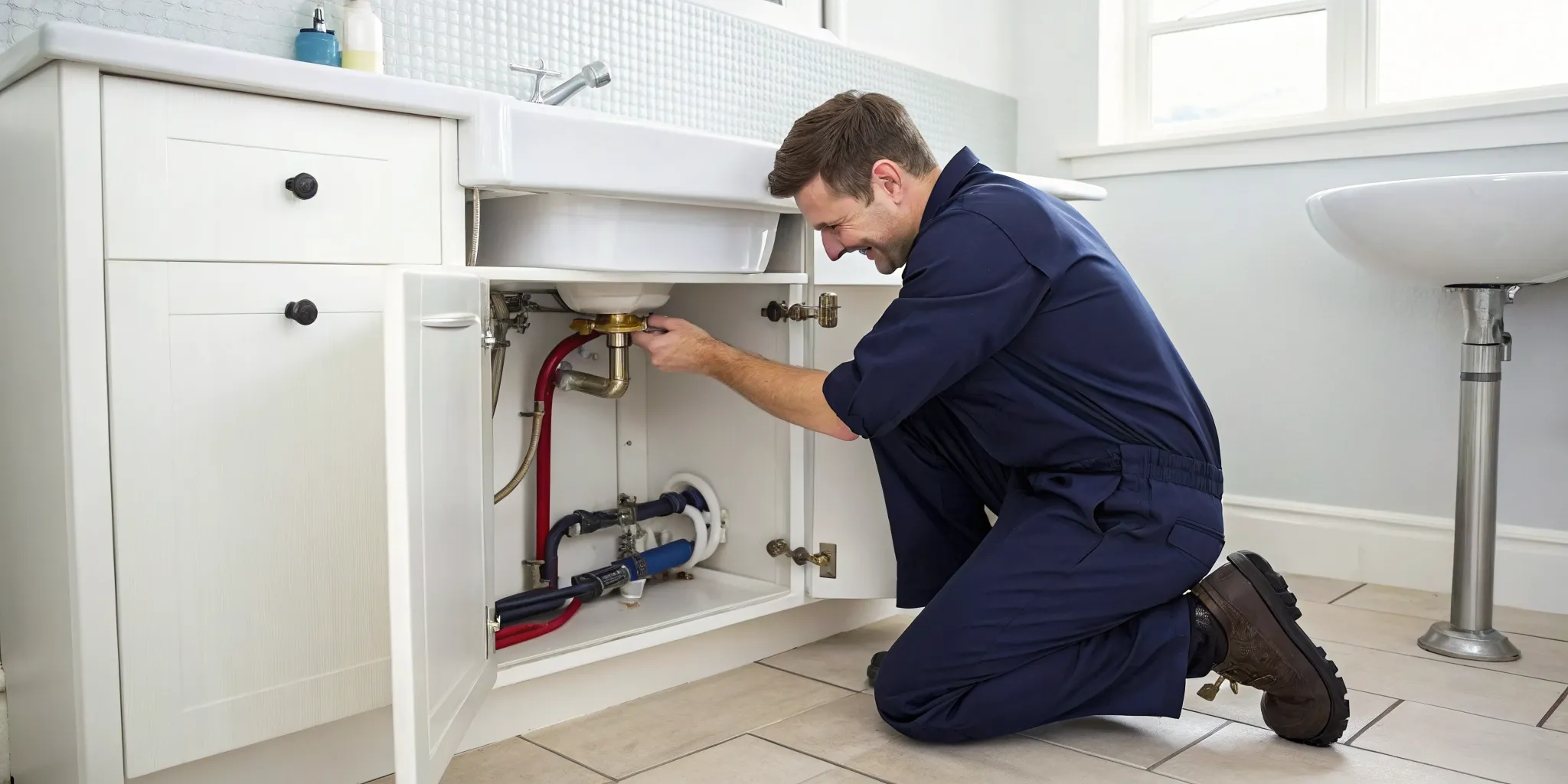
When you think about your home's plumbing, you might picture the pipes under your sink or the toilet in your bathroom. But residential plumbing is a complex network that handles all the water moving through your house, from clean water coming in to wastewater going out. Residential plumbing services cover everything needed to install, maintain, and repair this system. These services are performed by trained professionals who ensure your home’s water systems are safe, efficient, and reliable. From a slow-draining sink to a major pipe leak, a professional plumber has the tools and expertise to handle the job, keeping your home running smoothly.
Key Services for Your Home
Residential plumbing services address a wide range of common household issues. This includes fixing everyday annoyances like clogged drains, leaky faucets, running toilets, and malfunctioning garbage disposals. It also covers more significant projects, such as water heater repair and installation, which are essential for your daily comfort. For more serious problems, plumbers can handle sewer line backups and repairs. In older homes or during major renovations, you might even need a whole-home repiping. Essentially, if it involves water in your home, a professional plumber provides the plumbing solutions to fix it.
Emergency vs. Scheduled Service
It’s helpful to know the difference between an emergency and a routine plumbing issue. Emergency services are for urgent problems that can cause significant damage if not addressed immediately. Think burst pipes, major leaks, sewer backups, or a complete lack of hot water. These situations require getting immediate assistance, which is why many plumbers offer 24/7 availability. Scheduled services, on the other hand, are for non-urgent repairs, installations, and routine maintenance. This allows you to plan for things like fixing a dripping faucet, installing a new dishwasher, or having your water heater inspected at a time that works for you.
A Guide to Common Plumbing Services
Your home’s plumbing is a complex network, and when something goes wrong, it can be hard to know what kind of help you need. Getting familiar with the most common residential plumbing services is a great first step. It helps you identify problems early, communicate clearly with your plumber, and understand the work being done in your home. From a stubborn clog to a complete system overhaul, here’s a breakdown of the services that keep your water flowing smoothly.
Drain Cleaning and Clog Removal
A slow drain is more than just an annoyance; it’s often a sign of a bigger problem brewing in your pipes. While it’s tempting to grab a chemical drain cleaner, these can damage your plumbing and often don’t solve the underlying issue. There are many misconceptions about plumbing that can lead to expensive mistakes. Professional drain cleaning removes the entire blockage, whether it’s from hair, grease, or soap scum, without harming your pipes. A licensed plumber uses tools like snakes or hydro-jetting to clear the line completely, restoring flow and helping prevent future clogs. This service is essential for maintaining the health of your entire drainage system.
Leak Detection and Repair
Some leaks are obvious, like a dripping faucet. Others are hidden behind walls or under floors, silently causing damage. If you’ve noticed an unexplained spike in your water bill, damp spots, or a musty smell, you might have a hidden leak. Professionals use specialized equipment like acoustic listeners and thermal cameras to pinpoint the exact source of a leak without unnecessary demolition. Promptly addressing leaks is crucial, as even a small one can lead to mold growth, structural damage, and costly repairs. A professional repair ensures the problem is fixed correctly, protecting your home and giving you peace of mind.
Water Heater Installation and Repair
Your water heater works hard every day, and when it fails, it disrupts your entire routine. Whether you need a simple repair for a faulty pilot light or a full replacement, this is a job for a professional. Plumbers can diagnose issues with both traditional tank and modern tankless water heaters. If it’s time for a new unit, they can help you choose the right size and model for your family’s needs and ensure it’s installed safely and up to code. When you select a plumbing service for this job, you’re investing in your home’s efficiency and your family’s comfort for years to come.
Fixture Installation and Replacement
Updating your plumbing fixtures is a fantastic way to refresh your kitchen or bathroom. Whether you’re replacing a leaky faucet, installing a low-flow toilet, or upgrading your showerhead, proper installation is key. A professional plumber can handle the job quickly and correctly, ensuring there are no leaks or connection issues. This service helps you enhance functionality and aesthetics while also potentially improving your home’s water efficiency. While it might seem like a simple DIY project, a small mistake during installation can lead to significant water damage, so it’s often best to leave it to an expert.
Sewer Line Services
Problems with your main sewer line are serious and require immediate attention. Issues like tree root intrusion, severe blockages, or a collapsed pipe can cause messy backups into your home. Professional plumbers use camera inspections to diagnose the exact problem within the line. Depending on the issue, they can perform a thorough cleaning, repair a specific section, or replace the entire line. Because this is one of the most critical parts of your plumbing system, reading plumbing reviews is a great way to find a company with a reputation for quality work. Don’t wait to call if you suspect a sewer line problem.
Whole-Home Repiping
The pipes in your home won’t last forever. If you live in an older house and experience frequent leaks, rusty-colored water, or consistently low water pressure, it might be time for whole-home repiping. This service involves replacing all the old, deteriorating supply lines with new, durable pipes like copper or PEX. While it’s a significant undertaking, it’s also a long-term solution that protects your home from the constant threat of leaks and water damage. A well-maintained plumbing system is a major asset, improving your home’s reliability and increasing its overall value.
How to Choose the Right Plumber
Finding a plumber you can trust is essential for protecting your home. When a pipe bursts or a drain clogs, you need to know who to call. But with so many options, how do you pick the right one? Instead of choosing the first name that pops up in a search, take a few moments to evaluate your options. Focusing on a few key areas like credentials, experience, and reliability will help you find a professional who will get the job done right the first time, giving you total peace of mind.
Check for Proper Licensing and Insurance
One of the most important steps is to confirm the plumber has the right credentials. A valid license proves they have met state and local requirements, ensuring their work adheres to safety and building codes. You can easily verify a plumber's license through official state databases. Just as important is insurance, which protects you and your property from liability in case of accidents or damage during the job. A professional company will never hesitate to provide proof of their licensing and insurance, giving you confidence that you’re covered and that the work will be up to standard.
Verify Their Experience and Specializations
Not all plumbing jobs are the same, and not all plumbers have the same expertise. Look for a company with a long history of service in your community and experience with your specific issue. Whether you need a simple fixture replacement or a complex sewer line repair, their background matters. Customer testimonials and online reviews are great resources for gauging a plumber’s reputation. Reading about other homeowners' experiences can tell you a lot about a company’s quality of work and professionalism. A company’s history, like our 20 years of service on the Western Slope, often speaks for itself.
Consider Response Time and Availability
When you have a plumbing emergency, you can’t afford to wait. A reliable plumber should offer prompt service and have a system in place for handling urgent calls. Check their availability, including whether they offer after-hours or weekend emergency services. A company’s response time is often a reflection of its commitment to customer care. Look for reviews that mention how quickly the plumber responded to a service request and how efficiently they addressed the problem. A professional who values your time will communicate clearly about their arrival and work hard to resolve your issue as soon as possible.
Ask About Guarantees and Warranties
A reputable plumber will stand behind their work. Before hiring someone, always ask about any guarantees or warranties they offer on their labor and the parts they install. This is a key indicator of quality and provides you with assurance long after the job is complete. A company that offers a warranty is confident in its skills and the durability of its repairs. This promise means that if something goes wrong with the work they performed, they will return to fix it, protecting your investment and ensuring your home’s plumbing remains in top condition.
What Does a Plumber Cost?
Talking about money can be tricky, but when it comes to plumbing repairs, knowing what to expect is half the battle. Plumbing costs are not one-size-fits-all; they depend on the job, the timing, and the professional you hire. A trustworthy plumber will always be upfront about their pricing structure, so you never feel left in the dark. Understanding the different ways services are priced helps you ask the right questions and feel confident in your decision. Let's break down the common pricing models and the factors that influence the final bill for your plumbing project.
Hourly Rates vs. Flat-Fee Pricing
Most plumbers use one of two pricing models: hourly or flat-fee. An hourly rate, which typically ranges from $45 to $200, covers the plumber's time on the job. This model is common for diagnostic work or repairs where the full scope is not clear from the start. On the other hand, many companies offer flat-fee pricing for standard tasks. For example, a routine drain cleaning might cost a set price of $100 to $400. This gives you a clear, predictable cost before the work even begins. When you call for a plumbing service, it is always a good idea to ask how they will be billing for your specific issue.
What to Expect for Emergency Calls
A burst pipe at 2 a.m. is stressful enough without a surprise bill. Emergency calls, which include services needed on nights, weekends, or holidays, understandably cost more. You can generally expect the hourly rate to be 50% to 100% higher for these urgent situations, often landing in the $150 to $300 per hour range. This premium covers the cost of having a skilled technician available on-call, ready to drop everything and head your way. While nobody wants to pay more, having access to a reliable emergency plumber provides invaluable peace of mind when you need it most.
Factors That Affect the Final Price
Beyond the base rate, several factors can influence your total cost. The plumber's experience level plays a big role; a master plumber with years of expertise may charge up to $200 per hour, while a less experienced apprentice might be closer to $50. The complexity of the job is another key factor. Fixing a simple leaky faucet will cost far less than a major sewer line repair. Finally, remember that the cost of materials, like new pipes or fixtures, is almost always separate from the labor charge. A professional will provide a detailed estimate that breaks down these different cost components so you know exactly what you are paying for.
When to Call a Professional Plumber
Knowing when to tackle a small fix yourself and when to call for backup is key to managing your home’s plumbing. While changing a showerhead is one thing, many plumbing issues are more complex than they appear. Some problems can be difficult to spot until they’ve already started causing trouble. Waiting too long can turn a minor repair into a major, expensive headache. Recognizing the early warning signs and understanding the limits of DIY will help you protect your home and your budget. Calling a professional isn't giving up; it's making a smart decision to get the job done right the first time.
Warning Signs You Need a Plumber Now
Your home often gives you clues when something is wrong with the plumbing. Paying attention to these signs can help you catch problems early. If you notice a sudden, unexplained drop in water pressure across all your faucets, it could signal a hidden leak or a blockage in your main line. Gurgling sounds from your drains, toilets that don't flush properly, or water backing up into sinks are clear indicators of a clog that needs professional attention. Also, keep an eye out for damp spots on walls or ceilings and listen for the sound of running water when all taps are off. These are classic signs of a leak that requires immediate plumbing services.
Common DIY Mistakes to Avoid
It’s tempting to try and fix a leaky faucet or a slow drain yourself. But residential plumbing systems are surprisingly complex, and a simple mistake can lead to serious water damage. One of the most common errors is overtightening fittings, which can crack pipes and create new leaks. Another is relying on harsh chemical drain cleaners; these can corrode your pipes over time and make the problem worse. Attempting to install a new fixture without the right tools or knowledge can also result in improper connections that leak slowly behind walls. While it's great to be handy, it's important to remember that some plumbing myths can lead to expensive mistakes and damage your home.
Hidden Problems Only a Pro Can Find
Some of the most serious plumbing issues are the ones you can’t see. A professional plumber has the training and specialized equipment to identify problems lurking behind walls or under floors. For example, slow leaks from old pipes can go undetected for months, causing mold growth and structural damage. A professional can use video inspection cameras to check the condition of your sewer lines for cracks or tree root intrusion. They can also spot early signs of corrosion in your water heater or pipes that an untrained eye would miss. These underlying issues are why a professional inspection is so valuable, as it helps maintain your system's efficiency and reliability.
How to Read Plumbing Service Reviews
When a pipe bursts or a drain clogs, your first instinct might be to search for a local plumber and pick the first one you see. Taking a few extra minutes to read through customer reviews, however, can make all the difference between a quick fix and a lasting headache. Online reviews offer a window into a company's reliability, quality of work, and customer service. But it’s not just about finding a five-star rating; it’s about learning how to interpret what other homeowners are saying. Think of it as doing a little detective work to protect your home and your wallet.
Reading reviews effectively means looking for patterns, both good and bad. A single glowing review could be from the owner’s cousin, and one terrible review might be from a person who is impossible to please. The real story is found in the trends. Do customers consistently praise the company's communication? Or do they repeatedly complain about surprise fees? By looking past the star rating and digging into the details, you can get a much clearer picture of the service you can expect to receive in your home. This helps you make an informed choice, especially when you’re dealing with the stress of a plumbing emergency. It's about finding a company that not only fixes the problem but also provides a positive experience from start to finish.
Positive Signs in Customer Reviews
When you scan reviews, look for specifics that go beyond a simple "they did a great job." The most helpful customer testimonials will mention details about the experience. Look for comments about punctuality, cleanliness, and clear communication. Did the plumber explain the problem and the solution in a way the homeowner could understand? Did they respect the home by cleaning up after themselves?
Consistent themes are your best friend here. If you see multiple reviews mentioning a technician by name for their friendly attitude and professional work, that’s a fantastic sign. Also, pay attention to reviews that describe how a company handled a complex or unexpected issue. A plumber who can calmly and effectively manage a tricky situation is one you want on your contact list.
Red Flags to Watch For
Just as you look for positive patterns, you should also be on the lookout for recurring negative themes. While one bad review isn't necessarily a dealbreaker, several reviews mentioning the same problem should give you pause. Pay close attention to complaints about poor communication, technicians not showing up on time, or final bills being much higher than the initial quote. These can point to common issues faced by customers that the company hasn't addressed.
Also, consider how the business responds to negative feedback. A company that ignores criticism or replies defensively is a major red flag. A professional and empathetic response that offers to resolve the issue shows accountability and a genuine commitment to customer satisfaction. Vague, one-star reviews with no explanation are less helpful than detailed accounts of what went wrong.
Judging Professionalism and Communication
Reviews can offer great insight into a company's overall professionalism. Look for comments that describe the entire experience, from the initial phone call to the final handshake. Was the person who answered the phone helpful and polite? Did the technician arrive in a marked vehicle and a clean uniform? These details might seem small, but they often reflect a company's commitment to quality and accountability.
The best plumbers are not just skilled technicians; they are also great communicators. Reviews that mention a plumber taking the time to provide clear explanations of the issue and outlining the repair plan are a strong indicator of good service. You want someone who will treat you and your home with respect, answer your questions patiently, and make you feel confident in their work.
How to Maintain Your Home's Plumbing
Taking a proactive approach to your home’s plumbing is one of the best ways to prevent stressful and expensive emergencies. A little bit of regular attention can go a long way in keeping your water flowing smoothly and your home protected from damage. Think of it as routine care for one of your home’s most essential systems. By staying on top of simple tasks and knowing when to call for a professional eye, you can extend the life of your pipes and fixtures, ensuring your plumbing remains reliable for years to come. These simple habits can save you a lot of trouble down the road.
Simple Preventive Maintenance Tips
You don’t have to be a plumbing expert to perform basic upkeep. Start by being mindful of what goes down your drains; avoid pouring grease, coffee grounds, or fibrous foods into the sink. Regularly check under sinks and around toilets for any signs of moisture or slow drips. Catching a small leak early is much easier than dealing with major water damage later. Most importantly, schedule regular plumbing maintenance with a professional. An annual inspection can identify hidden issues before they become serious problems. A well-maintained system isn't just about avoiding repairs; it also shows that your home is efficient and reliable, which is a great asset.
Prepping Your Plumbing for Western Slope Seasons
Here on the Western Slope, our plumbing faces unique challenges with the changing seasons. Winter, in particular, requires some preparation to prevent frozen pipes, which can burst and cause significant damage. Before the first freeze, disconnect and drain all outdoor hoses. Make sure any pipes in unheated areas like crawl spaces, basements, or garages are properly insulated. If you plan to be away during cold weather, keep your heat set to at least 55 degrees. Regular check-ups are especially important in our climate, as the stress of seasonal temperature swings can expose weak points in your system before they turn into a full-blown crisis.
Get to Know Your Plumbing System
Familiarizing yourself with your home's plumbing can feel empowering and is incredibly useful in an emergency. The first thing every homeowner should do is locate the main water shut-off valve and make sure it’s working. Knowing how to turn off the water quickly can be the difference between a small mess and a catastrophe. It’s also helpful to know where the individual shut-off valves are for your sinks and toilets. Understanding your plumbing system doesn't mean you have to handle repairs yourself. It simply means you can spot trouble early and describe the issue clearly when you call a professional, which helps us diagnose the problem faster.
How to Find a Great Local Plumber
When a pipe bursts or a drain clogs, the last thing you want to do is frantically search for a plumber. Finding a reliable professional before you need one is the best way to protect your home and your peace of mind. Here’s what to look for to find a great local plumber you can count on.
Local vs. National Companies
When you choose a local plumber, you’re hiring a neighbor who is accountable to the community. Local companies are often more responsive and build their reputations on word-of-mouth, so they have a strong incentive to provide excellent service. A company’s attention to its branding and appearance, like clean trucks and professional uniforms, can also reflect its commitment to quality work. While national chains have big marketing budgets, a local business is often more deeply invested in the community it serves. This connection means you’re more than just another job number; you’re a valued client they hope to serve for years to come.
Questions to Ask Before You Hire
Before you let anyone work on your home’s plumbing, it’s smart to ask a few key questions. One of the first things to check is their credentials. Always ask if they are licensed and insured. This protects you from liability in case of accidents or property damage. Next, ask about their experience with your specific issue. Finally, check their reputation. Customer testimonials and online reviews are invaluable resources for understanding a company’s reliability and professionalism. Asking these questions upfront helps ensure you can confidently select a plumbing service that will provide quality work and fair pricing.
The Value of a Maintenance Plan
The best way to handle plumbing emergencies is to prevent them from happening in the first place. This is where a maintenance plan comes in. Regular check-ups allow a professional to spot and fix small issues before they become expensive disasters. Proactive care is crucial for an efficient water supply system, as it helps prevent future problems like hidden leaks and water damage. Many local plumbers offer essential maintenance plans that include annual inspections, drain cleaning, and water heater tune-ups. This small investment keeps your system running smoothly, extends the life of your pipes and fixtures, and gives you confidence that your home is protected.
Related Articles
- Plumbing Repair Delta County | Fast Leak & Drain Fix | Cooleys
- Plumbing Repair Montrose County | Fix Leaks & Clogs Fast | Cooleys
- Delta County Plumbing Services | Fast Repairs by Cooleys
- Plumbing Services | Cooleys Heating, Cooling & Plumbing
Frequently Asked Questions
What should I do first in a plumbing emergency? The very first thing you should do is find your home's main water shut-off valve and turn it off completely. This single action can prevent catastrophic water damage while you wait for help. Once the water is off, your next step is to call a reliable plumber who offers emergency services. Taking a moment to locate your shut-off valve now, before you ever need it, is one of the smartest things you can do as a homeowner.
How can I avoid surprise costs on my plumbing bill? Clear communication is the key to preventing unexpected charges. Before any work starts, ask the plumber to explain their pricing structure, whether it's an hourly rate or a flat fee for the job. Always request a detailed written estimate that separates the costs for labor and materials. A true professional will have no problem walking you through the estimate and will be upfront about potential costs if they discover a more complex issue during the repair.
Is a plumbing maintenance plan really worth the investment? Yes, it's one of the best investments you can make in your home. A maintenance plan helps a professional catch small issues, like minor corrosion or a slow-forming clog, before they become major disasters like a burst pipe or a sewer backup. It's a proactive step that keeps your system running efficiently, extends the life of your pipes and fixtures, and provides incredible peace of mind, especially with the seasonal temperature swings we experience on the Western Slope.
I'm pretty handy. When should I call a professional instead of trying a DIY fix? It's great to handle small tasks, but you should always call a professional for anything inside a wall, under the floor, or related to your main water and sewer lines. While you might be able to fix a running toilet, you should call for help with issues like persistent low water pressure, gurgling drains, or any signs of a leak you can't see. A small mistake can lead to serious water damage, so it's always better to get an expert opinion when you're not completely sure.
Besides a license, what's the most important quality in a great plumber? Look for a plumber who is an excellent communicator. A license confirms their technical skills, but clear communication demonstrates their professionalism and respect for your home. A great plumber takes the time to explain the problem and your repair options in a way that makes sense, answering your questions patiently. You can get a good feel for this by reading customer reviews that mention how a company's team interacts with homeowners.