.png)





.png)

Basement and crawl-space water is one of the most destructive and expensive problems a homeowner can face. On the Western Slope, heavy snowmelt, intense summer storms, and varying groundwater conditions mean many homes in Grand Junction, Montrose, and Delta benefit from a properly installed sump pump. This guide explains when you need one, what installation involves, and how it protects your home and belongings.
Key Takeaways
- Homes with basements or crawl spaces in areas with high water tables or poor drainage are the strongest candidates.
- Battery backup (or water-powered backup) provides protection during power outages that often accompany storms.
- Professional installation ensures correct pit size, pump selection, discharge routing, and check-valve placement.
- Cooley’s Heating, Cooling & Plumbing installs reliable systems and can advise on complementary drainage improvements.
When a Sump Pump Is Needed
Recurring dampness, water seepage after heavy rain or rapid snowmelt, visible water lines on foundation walls, or a known high water table are clear indicators. Some newer construction in certain areas may require a sump system by code. Even homes that have stayed dry for years can develop problems as landscaping, neighboring development, or weather patterns change.
What Professional Installation Involves
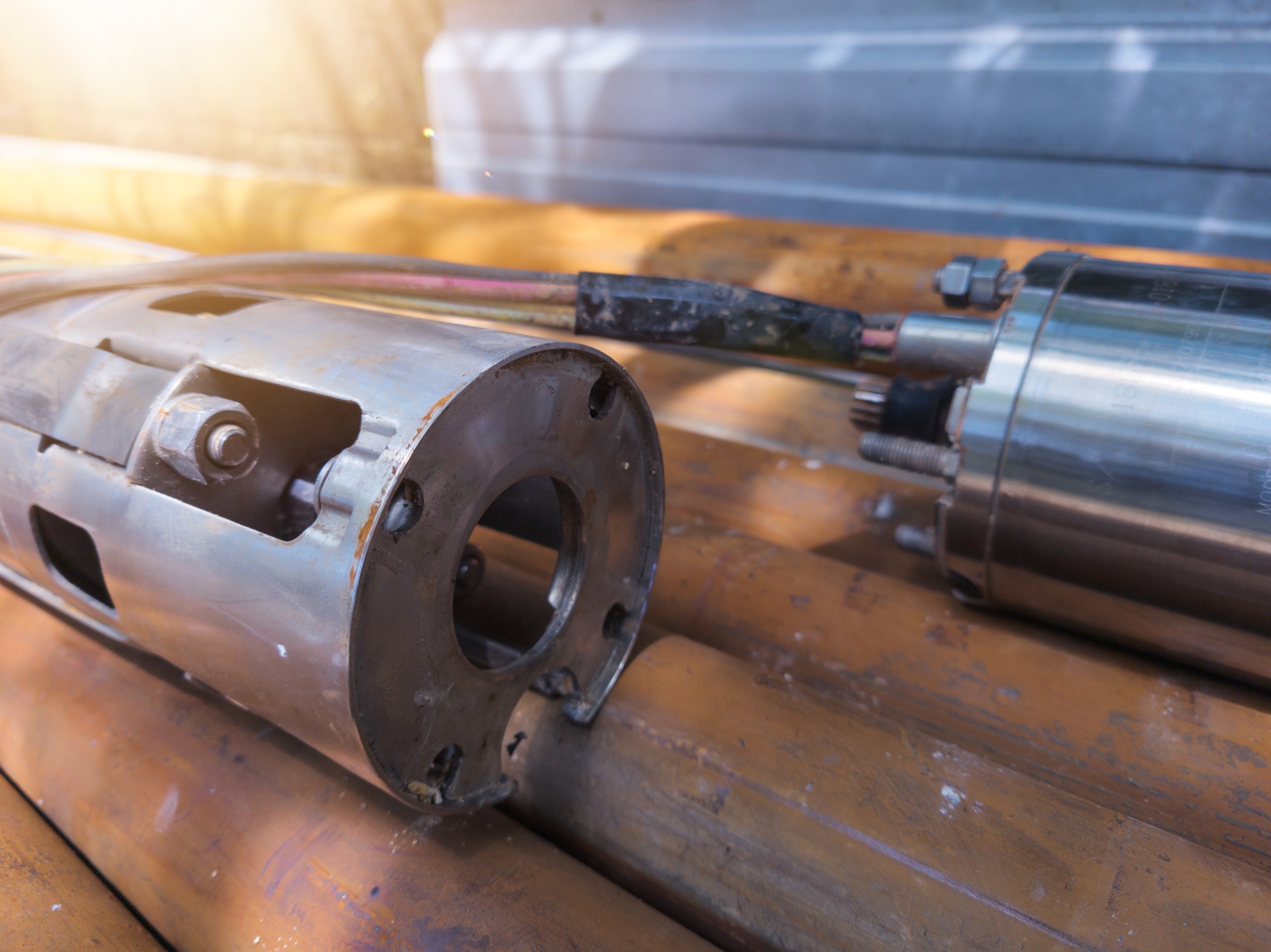
A basin (sump pit) is excavated at the lowest point of the basement or crawl space. The pump is set in the basin, discharge piping is routed to a safe exterior location that will not recirculate water back toward the foundation, and a check valve is installed to prevent backflow. Electrical connections are made safely, and a battery backup or secondary pump is often added for reliability during power outages. Cooley’s technicians handle the complete process and test the system thoroughly before leaving.
Cost Expectations
Typical installations range from roughly $1,200 to $3,500 or more depending on the complexity of the pit, pump quality, backup options, discharge routing, and any needed drainage improvements. Higher-capacity pumps, sealed lids, and advanced backup systems increase the investment but also increase protection.
Maintenance and Reliability
Test the pump a few times a year by pouring water into the basin and confirming it activates and discharges properly. Keep the discharge line clear of debris, snow, and ice. Battery backups should be checked periodically. A well-maintained sump system can operate reliably for many years.
Complementary Measures
Gutters and downspouts that direct water away from the foundation, proper grading, and interior or exterior drain systems all work together with a sump pump. Cooley’s can evaluate the overall water-management picture and recommend the combination that best protects your specific property.
A reliable sump pump is inexpensive insurance against thousands of dollars in water damage, ruined belongings, and potential mold remediation. If you have any signs of water issues—or simply want the peace of mind of being prepared—contact Cooley’s Heating, Cooling & Plumbing for an evaluation and professional installation in Grand Junction, Montrose, Delta, or the surrounding Western Slope.
Frequently Asked Questions
- How long do sump pumps last? Typically 7–10 years, longer with quality units and proper maintenance.
- Do I need a battery backup? Strongly recommended—power often fails during the storms that cause the most water.
- Where does the water discharge? To a location that slopes away from the foundation and complies with local regulations.
- Can Cooley’s handle related drainage work? Yes—we can assess and address broader water-management needs.