.png)





.png)

Tankless water heaters promise endless hot water and lower energy bills. For many homeowners in Grand Junction, Montrose, Delta, and across the Western Slope, the question is whether the higher upfront cost delivers enough long-term value—especially given our hard water and varied household needs. This guide compares the real-world advantages, costs, and considerations so you can decide with confidence, with insights from Cooley’s Heating, Cooling & Plumbing.
Key Takeaways
- Higher initial cost is often offset by 15–20+ year lifespan and reduced energy use.
- Hard water requires robust scale-prevention strategies for reliable performance.
- Proper sizing and adequate gas or electrical capacity are non-negotiable.
- Cooley’s Heating, Cooling & Plumbing evaluates each home individually and installs systems built for Western Slope conditions.
How Tankless Systems Work
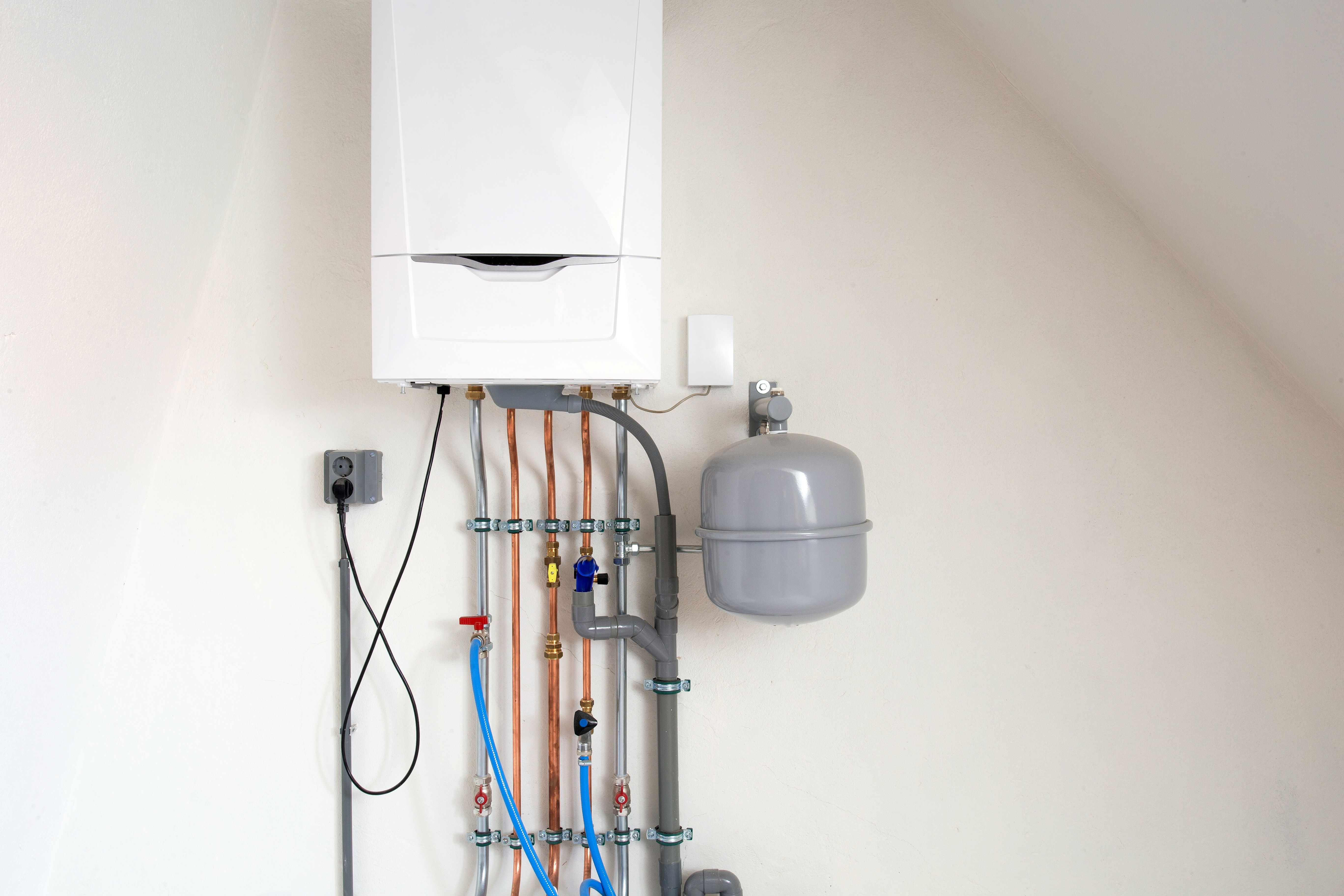
Water is heated on demand as it flows through a heat exchanger. There is no storage tank and therefore no standby heat loss. This design delivers higher efficiency, especially for households that do not use large volumes of hot water simultaneously. When sized and installed correctly, a tankless unit can provide a continuous supply of hot water for showers, laundry, and dishwashing.
Upfront vs. Operating Cost
Installed cost for a quality tankless system typically runs $2,800–$6,500 or more, compared with $1,200–$3,000 for a standard tank. Energy savings of 20–40% are realistic for many households. Over a 20-year lifespan the lower operating costs, combined with available rebates or tax credits, often make the higher initial investment worthwhile. Cooley’s can help identify current incentives that apply to your project.
Longevity and Maintenance in Hard-Water Areas
Tankless units frequently last 20 years or longer when properly maintained. In Grand Junction, Montrose, and Delta, where water is often hard, annual or semi-annual descaling is essential to prevent mineral buildup on the heat exchanger. Installing a water softener or scale inhibitor dramatically improves performance and extends equipment life. Cooley’s technicians can recommend the right water-treatment approach for your home.
Installation Realities
Gas tankless models frequently need larger gas lines and proper venting. Electric models may require electrical panel upgrades. A professional assessment of gas pressure, electrical capacity, venting pathways, and peak hot-water demand is critical. Undersizing leads to temperature fluctuations; oversizing wastes money. Cooley’s Heating, Cooling & Plumbing performs these evaluations as standard practice so the system matches your actual needs.
Is Tankless Right for Your Home?
Tankless systems work especially well for homes with moderate simultaneous demand, those seeking space savings, or owners planning to stay long-term. Large families that routinely run multiple showers, laundry, and dishwashers at the same time may still prefer a high-capacity tank or a hybrid approach. Lifestyle, existing infrastructure, and water quality all influence the decision. A site visit from Cooley’s provides clear, personalized recommendations.
Making the Decision
Gather accurate information on your household’s peak hot-water use, existing gas or electrical capacity, and water hardness. Factor in available incentives, expected energy savings, and the value of never running out of hot water. Cooley’s Heating, Cooling & Plumbing walks homeowners through these factors every day and installs systems designed to perform reliably in Western Slope conditions.
For many homes in Grand Junction, Montrose, and Delta, a properly specified and maintained tankless water heater is a smart long-term upgrade that delivers comfort, efficiency, and durability. Contact Cooley’s for a no-pressure evaluation and expert installation.
Frequently Asked Questions
- Do tankless heaters really provide endless hot water? Yes, when correctly sized for the home’s peak demand.
- How often does a tankless unit need descaling here? Typically once a year, more often in very hard water without treatment.
- Can Cooley’s install both gas and electric tankless systems? Yes—we handle both fuel types and any needed upgrades.
- Are there rebates or tax credits available? Often yes—ask Cooley’s for the most current programs that apply to your project.