.png)




.png)

You’re likely here because you want to find the best system for your home, and that journey often starts with comparing the top HVAC brands. It’s a smart place to begin, but the brand name on the side of the unit is only a small piece of the puzzle. A great HVAC system is a combination of quality equipment and expert installation. Even the most advanced, highest-rated unit will fail to perform if it’s not installed with precision and care. In this guide, we’ll explore what makes the leading brands stand out, but we’ll also pull back the curtain on why your choice of a professional installer is the most critical decision you’ll make for your home’s long-term comfort and efficiency.
Key Takeaways
- Your Installer Matters More Than the Brand: The performance and lifespan of your HVAC system depend far more on the quality of the installation than the equipment's brand name. A professional installation ensures your unit is sized correctly and runs efficiently from day one, protecting your investment.
- Look for Features That Improve Comfort: Instead of getting caught up in brand names, focus on the features that directly impact your home's comfort and energy use. High SEER2 ratings, variable-speed technology, and low noise levels are all practical indicators of a quality system.
- Understand the True Cost of a New System: The best value isn't always the lowest price. A smart investment considers the total cost, which includes the equipment, the professional installation, and the long-term operating expenses from your monthly energy bills.
What Defines a Top HVAC Brand?
When you’re ready to invest in a new heating and cooling system, the number of brands can feel overwhelming. It’s easy to get lost in a sea of names, but what really separates a good brand from a great one? It’s not just about marketing or a familiar logo. The best HVAC brands consistently deliver on a few key promises that directly impact your comfort, your wallet, and your peace of mind for years to come.
Think of it less like buying an appliance and more like choosing a long-term partner for your home. A top-tier brand is built on a foundation of proven reliability, smart energy efficiency, and a strong warranty that shows they stand behind their work. These three pillars are what truly define quality in the HVAC world. Understanding them will help you look past the sticker price and see the true value a system offers. Let’s break down what you should be looking for in each of these areas.
Key Reliability Standards
Reliability is all about trust. You need to trust that your furnace will fire up on the coldest winter night and that your air conditioner will keep you cool during a summer heatwave. A top brand earns this trust by building durable equipment that performs consistently year after year. They use high-quality components and rigorous testing processes to ensure their systems can handle the demands of daily use. For example, some brands have built such a strong track record that they are recognized for it. Trane has been named America's Most Trusted® Residential HVAC Brand for over a decade, a testament to their focus on long-lasting performance. This kind of reputation isn’t built overnight; it comes from years of delivering on their promises to homeowners.
Understanding Energy Efficiency Ratings
A great HVAC system does its job without sending your utility bills through the roof. That’s where energy efficiency comes in. When you’re comparing models, you’ll see ratings like SEER2 (Seasonal Energy Efficiency Ratio 2) for air conditioners and HSPF2 (Heating Seasonal Performance Factor 2) for heat pumps. Think of these like the MPG rating for a car: the higher the number, the more efficient the unit is. While a high-efficiency system might have a higher initial cost, it can lead to significant long-term operational cost reductions. When you’re ready to buy, it's wise to look beyond the upfront price and also consider the system's energy use, warranty, and the brand's reputation for longevity.
What to Look for in a Warranty
A warranty is more than just a piece of paper; it’s a manufacturer’s promise to you. It shows how much confidence they have in their own product. A strong warranty protects your investment and provides peace of mind. Most major manufacturers provide a 10-year limited parts warranty as long as you register the system after installation. This is a critical step many homeowners miss, so make sure you or your contractor completes the registration. Some brands go even further. For instance, Amana and Goodman offer lifetime compressor warranties on some of their premium models. This level of coverage is a powerful indicator of a brand that builds its equipment to last. Always read the details to understand what’s covered.
A Look at the Leading HVAC Brands
When you start looking for a new HVAC system, the number of brands can feel overwhelming. It’s easy to get lost in a sea of names, each claiming to be the best. The truth is, many top-tier brands produce high-quality, reliable equipment. The key is finding the one that best fits your home, your climate, and your budget. Some brands excel in energy efficiency, others are known for their rugged durability, and some focus on providing great value.
Think of it like buying a car. Several brands make excellent vehicles, but you choose one based on your specific needs, whether that’s fuel economy, cargo space, or performance. This guide will walk you through some of the most respected names in the industry. We’ll look at what makes each one stand out so you can get a clearer picture of your options. As your local HVAC experts, we want you to feel confident in your decision.
Daikin: Innovative and High-Performing
Daikin is a global leader in HVAC technology, consistently pushing the envelope with its innovative and high-performing systems. They are especially well-regarded for their work in smart zoning and ductless mini-split systems, which are fantastic solutions for homes with multiple rooms or smaller spaces that need targeted heating and cooling. Their focus on energy-saving technology means you get exceptional comfort without the high utility bills. We are proud to be the exclusive Daikin dealer on the Western Slope because we believe in the quality and reliability of their products. Daikin’s commitment to advanced features and superior performance makes them an excellent choice for homeowners who want a modern, efficient, and dependable comfort system.
Trane: Known for Durability
Trane has built its entire reputation on being tough and reliable. Their tagline, "It's hard to stop a Trane," isn't just clever marketing; it reflects a long history of manufacturing durable, long-lasting equipment. Homeowners consistently trust Trane, which is why it has been named America's Most Trusted Residential HVAC Brand for over a decade. These systems are engineered to withstand harsh conditions and deliver consistent performance year after year. If your top priority is investing in a system that you can count on for the long haul, Trane is a brand that has proven its worth time and time again. Their focus on proven performance makes them a solid, dependable choice for any home.
Carrier: A Pioneer in Home Cooling
Carrier has a rich history in the HVAC industry; its founder, Willis Carrier, is credited with inventing the modern air conditioner. Today, the brand continues to be a leader in home cooling. Carrier systems are known for their quiet operation, smart cooling capabilities, and excellent humidity control, making them a popular choice, especially in warmer climates. They offer a wide range of products that balance performance with energy efficiency. If you’re looking for a system from a company with a legacy of innovation and a strong focus on creating a comfortable indoor environment, Carrier is a brand that consistently delivers. Their expertise in air conditioning technology makes them a top contender.
Lennox: Focused on Premium Efficiency
Lennox is a premium brand that focuses on creating some of the most energy-efficient systems on the market. If you’re looking to minimize your environmental footprint and your monthly energy costs, Lennox is a name you’ll want to know. They offer complete comfort systems that often include smart thermostats, advanced air cleaning technology, and precise zoning capabilities. Many of their models have some of the highest SEER2 ratings available, which translates to significant long-term operational cost reductions. While the initial investment might be higher, homeowners who prioritize top-tier efficiency and advanced features often find that Lennox systems are well worth it.
American Standard: A Name You Can Depend On
American Standard offers a great combination of reliability and value. The brand shares much of its engineering and internal components with Trane, so you get a similar level of durability and performance, often at a slightly more accessible price point. Technicians often appreciate that American Standard systems are straightforward to install and that replacement parts are readily available, which can simplify future maintenance or repairs. For homeowners who want the peace of mind that comes with a dependable, well-built system without committing to the highest price tag, American Standard is an excellent option. It’s a trusted name that delivers consistent, no-fuss comfort.
Goodman: Reliable and Budget-Friendly
Goodman has become a popular choice for homeowners looking for a reliable HVAC system that won’t break the bank. The brand is known for providing solid performance and one of the best warranties in the industry, offering great peace of mind. Goodman focuses on creating quality equipment with technology that ensures all the internal parts work together efficiently. While they may not have all the high-end features of some premium brands, they deliver exactly what many people need: consistent and affordable heating and cooling. If you’re working with a specific budget but don’t want to compromise on reliability, Goodman is a fantastic brand to consider for your home.
Rheem: Versatile and High-Performing
Rheem is a well-rounded brand that offers a great mix of performance, value, and modern features. They produce a wide range of HVAC equipment, making it easy to find a system that fits your specific needs and budget. Many Rheem models incorporate smart technology that can send you maintenance alerts and system diagnostics, helping you keep your unit running smoothly. Positioned in the mid-range price-wise, Rheem provides excellent support and dependable performance, making it a strong competitor in the market. For homeowners who want advanced features and solid reliability without paying a premium price, Rheem is a versatile and compelling choice.
How Do Top Brands Compare on Reliability and Efficiency?
When you're shopping for a new HVAC system, it's easy to get caught up in brand names. But what really determines how happy you'll be with your purchase are two key factors: reliability and efficiency. A reliable system keeps you comfortable without constant breakdowns, and an efficient one does it without sending your energy bills through the roof. So, how do the top brands stack up in these areas? Let's look at what you can expect in terms of lifespan, how to decipher those energy ratings, and what the pros have to say.
Which Brands Last the Longest?
You want an HVAC system that’s built to last. Generally, you can expect most central AC units to have a lifespan of about 12 to 17 years. For premium brands, especially when they receive consistent, professional maintenance, that can extend to 15 or even 20 years. The key takeaway here isn't just the brand name on the unit, but the care it receives over its lifetime. Regular tune-ups are crucial for catching small issues before they become big problems, ensuring your system runs smoothly for as long as possible. Think of it like a car; the better you maintain it, the longer it will serve you well.
Comparing SEER2 and HSPF2 Ratings
Walking into the world of HVAC, you'll see a lot of acronyms, but SEER2 and HSPF2 are two you'll want to know. The SEER2 rating (Seasonal Energy Efficiency Ratio 2) measures your air conditioner's cooling efficiency, while the HSPF2 (Heating Seasonal Performance Factor 2) measures a heat pump's heating efficiency. In both cases, a higher number means better efficiency. Federal regulations require a minimum rating, but most modern systems fall between 14 and 20 SEER2. Choosing a system with a higher rating might cost more initially, but it can lead to significant reductions in your monthly energy bills over the system's life.
What Do Professional Technicians Recommend?
If you ask a group of HVAC technicians for the single best brand, you’ll likely get a dozen different answers. Many people agree that there isn't one perfect brand for every home. What one person values in a system, like easy repairs or a great warranty, another might not prioritize. However, there is one thing that nearly every professional will tell you: the quality of the installation is far more important than the brand of the equipment. A top-of-the-line unit installed incorrectly will never perform as well as a standard unit installed by a skilled, meticulous professional. This is where your choice of contractor truly makes all the difference.
What's the Real Cost of a Top HVAC Brand?
When you start looking at new HVAC systems, the price tag is often the first thing you see. But the true cost of a top brand goes far beyond that initial number. It’s a combination of the equipment price, the quality of the installation, and the long-term operating expenses you’ll face over the next 15 to 20 years. It's easy to focus on the upfront expense, but that's only one piece of the puzzle. A cheaper unit might seem like a good deal now, but it could lead to higher energy bills and more frequent repair calls. On the other hand, a premium system, when installed correctly, can provide reliable comfort for decades.
Thinking about the total cost of ownership is the best way to approach this decision. This means looking beyond the sticker price to see how the system will perform year after year. Will it keep your energy bills manageable during our hot Colorado summers and cold winters? Is it built to last, or will you be calling for repairs in a few years? And how much does the quality of the installation affect all of this? Understanding these three key areas will help you make a much smarter investment in your home’s comfort. Let’s break down what really goes into the cost of a great HVAC system.
Breaking Down Equipment Prices
The initial cost of a new HVAC system can vary quite a bit. For example, most central air conditioners cost between $5,000 and $12,000 to install, and the average homeowner pays around $6,500. This range is influenced by several factors, including the brand’s reputation, the system’s size (or tonnage) needed for your home, and its energy efficiency rating. Premium brands might have a higher upfront cost, but they often justify it with advanced features, better build quality, and more robust warranties. Think of it less as just buying a machine and more as investing in a long-term solution for your home’s comfort and air quality.
What Factors Into Installation Costs?
Here’s a secret of the HVAC world: even the best equipment won't perform well if it's not installed correctly. A professional installation is just as important as the brand you choose. The installation cost covers more than just placing the unit; it includes correctly sizing the system for your home, ensuring your ductwork is in good shape, handling all the electrical and refrigerant line connections, and testing everything to make sure it runs at peak performance. Choosing a qualified team for your HVAC solutions ensures your new system runs efficiently from day one and helps you avoid problems down the road.
Calculating Long-Term Operating Costs
The purchase price is just the beginning. Your system’s long-term operating cost is where a high-quality brand can really make a difference. A modern, high-efficiency unit can reduce your cooling energy use by 20% to 40% compared to an older model. Then there’s maintenance and lifespan to consider. A well-cared-for system can last 15 to 20 years, while a lower-quality unit might only make it 10 to 12 years. Factoring in energy use, potential repair costs, and the system's overall lifespan gives you a much clearer picture of the total investment you’re making.
Which HVAC Features Actually Matter?
When you start looking at new HVAC systems, it’s easy to get caught up in brand names. But the features inside the unit are what truly shape your day-to-day comfort and your monthly energy bills. Modern systems come with a lot of options, and it can be tough to sort through the marketing jargon to find what’s genuinely useful. Instead of getting overwhelmed by a long list of technical specs, it helps to focus on a few key innovations that make a real difference.
The right features can transform your home environment, making it more comfortable, efficient, and peaceful. Think about having precise temperature control from your phone, enjoying consistent comfort without hot and cold spots, or simply not having to talk over a loud air conditioner kicking on. These aren't minor upgrades; they're significant improvements to your quality of life. Let’s look at three of the most impactful features available today: smart home compatibility, variable-speed technology, and quieter operation. Understanding these will help you choose a system that’s perfectly suited for your home and lifestyle.
Smart Home Compatibility
Smart home compatibility is about more than just a fancy gadget on your wall; it’s about giving you complete control over your home’s climate. Systems with this feature connect to your Wi-Fi, allowing you to adjust the temperature from anywhere using a smartphone app. You can warm the house up on your way home from work or turn the AC down after you’ve left for vacation. Many smart thermostats also learn your schedule and preferences, automatically adjusting for optimal comfort and efficiency. This level of control, especially with zoned systems that manage different rooms independently, means you’re not wasting energy heating or cooling empty spaces. It’s a simple feature that adds a ton of convenience to your life.
The Benefits of Variable-Speed Technology
Think of a traditional HVAC system like a light switch: it’s either all the way on or all the way off. A system with variable-speed technology is more like a dimmer switch. Instead of running at full blast to reach a set temperature and then shutting off, a variable-speed motor makes continuous, tiny adjustments to maintain a consistent temperature. This approach is far more energy-efficient because the system isn’t constantly starting and stopping. It also leads to better humidity control and incredibly quiet operation. While these systems often have a higher initial cost, their efficiency and superior comfort make them a worthwhile long-term investment for many homeowners.
Comparing System Noise Levels
A loud HVAC unit can disrupt everything from backyard conversations to a good night’s sleep. Noise level is a feature that’s often overlooked until it’s too late. A standard air conditioner typically operates between 60 and 75 decibels, which is about as loud as a normal conversation or a running dishwasher. In contrast, high-efficiency models, especially those with variable-speed technology, can run as quietly as 50 to 60 decibels. That difference is significant and creates a much more peaceful home environment. When you’re comparing systems, ask about the decibel (dBA) rating. A lower number means a quieter unit and a more serene home.
Common Myths About HVAC Brands
When you start looking for a new HVAC system, it’s easy to get caught up in the brand names. Marketing campaigns are designed to convince you that one brand is superior to all others, and online forums are filled with passionate debates. But a lot of what you hear is based on common misconceptions. Getting past these myths is the first step toward making a decision you’ll be happy with for years to come.
The truth is, the brand name on the side of your unit is only a small part of what determines its performance and longevity. Factors like the quality of the installation, the size of the system, and your home’s existing ductwork have a much greater impact. Before you get too focused on finding the "perfect" brand, let’s clear up a few things. Understanding the reality behind these myths will help you focus on what truly matters: getting a reliable and efficient system that’s perfect for your home and your budget. Let's look at some of the most persistent myths and separate the facts from the fiction.
Myth: There's One "Best" Brand for Everyone
If you ask a dozen technicians which HVAC brand is the absolute best, you’ll likely get a dozen different answers. That’s because “best” is completely subjective. A technician might prefer a brand that’s easy to service and has readily available parts. A homeowner, on the other hand, might define the “best” brand as the one that’s the quietest or has the most advanced smart home features. The ideal brand for you depends entirely on your priorities, your home’s specific needs, and your budget. Instead of searching for a single best brand, focus on finding the best system for your situation.
Myth: A Higher Price Always Means Better Quality
While it’s true that premium HVAC brands often come with a higher price tag, that cost is usually tied to specific benefits, not just a logo. More expensive systems typically offer higher energy efficiency ratings, quieter operation, and more robust features. Think of it as an investment in your long-term comfort. These units can lead to lower utility bills and a more comfortable home environment over many years. For homeowners who plan to stay in their house for a while, the upfront cost of a high-efficiency unit can be a very smart financial decision.
Myth: All Warranties Are the Same
A warranty can provide great peace of mind, but it’s essential to read the fine print. One of the biggest misconceptions is that a warranty covers every part of a repair. Most standard manufacturer warranties cover the cost of the replacement parts, but not the labor required to install them. This is a critical distinction that can leave you with an unexpected bill. Before committing to a system, make sure you understand the details of the air conditioner warranty and ask your installer if they offer any additional coverage for labor.
Why Your Installer Is More Important Than the Brand
If you’re reading this, you’ve probably spent hours comparing HVAC brands, reading reviews, and looking at spec sheets. That’s a great start, but I’m going to let you in on an industry secret: the brand you choose is only a small part of the equation. The single most important factor in your new system’s performance, efficiency, and lifespan is the quality of the installation. Think of it like this: you can buy the best, most expensive ingredients, but if the chef doesn’t know how to prepare them, you’re not going to get a great meal.
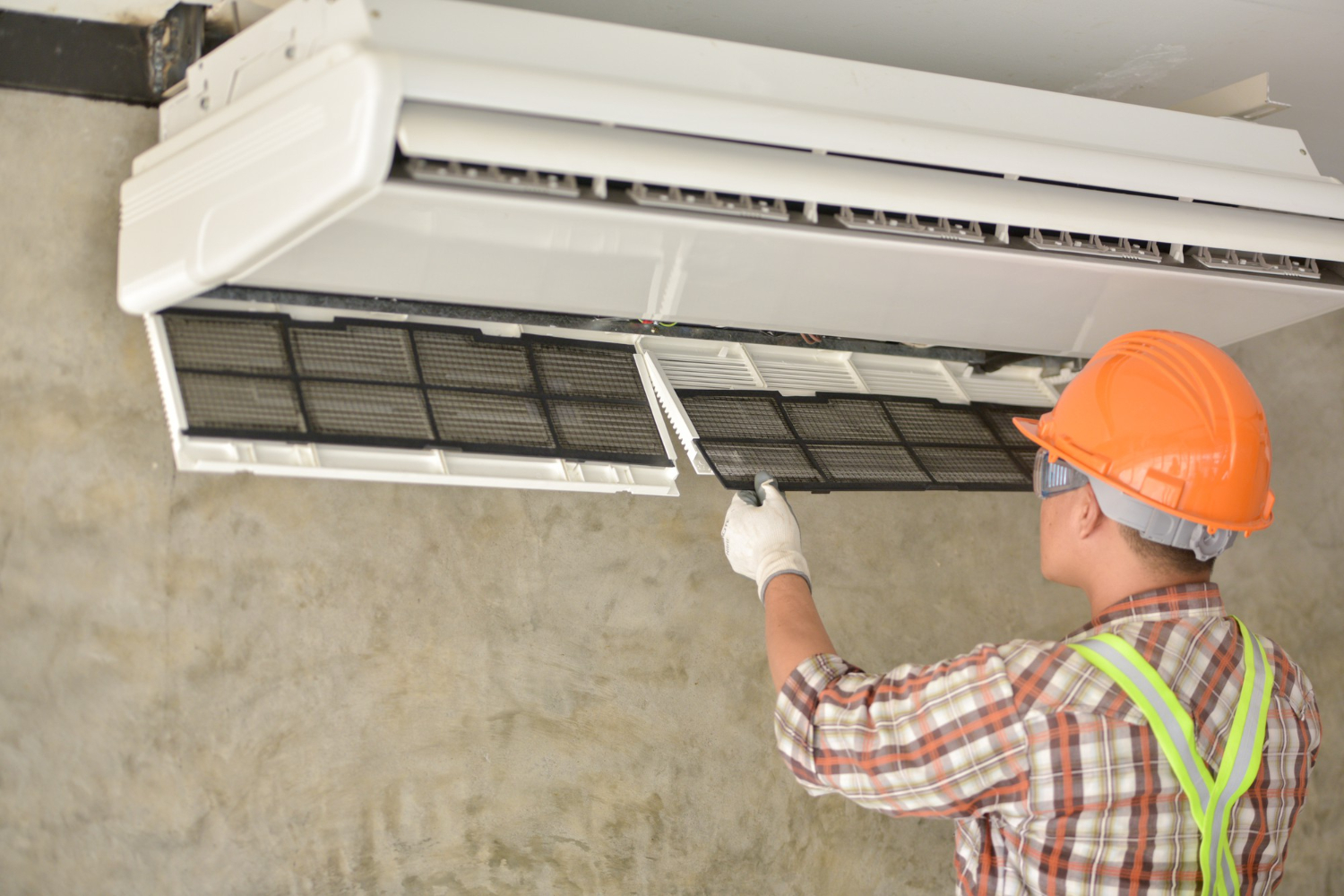
An HVAC system is not a plug-and-play appliance. It’s a complex network that needs to be precisely integrated into your home. A professional installation ensures every component works together seamlessly, from the refrigerant lines to the electrical connections. This is what guarantees your system will run at the efficiency levels promised on the box and keep your family comfortable for years to come. At Cooley's, our technicians are highly trained to install systems to exact manufacturer specifications, which is why we’re proud to be a trusted Daikin dealer. Choosing a skilled installer isn’t just about getting the job done; it’s about protecting your investment and giving you peace of mind.
The 80/20 Rule of HVAC Performance
There’s a well-known guideline in the HVAC world called the 80/20 rule. It states that about 80% of your system's long-term performance and reliability depends on the quality of the installation, while only 20% is related to the equipment brand itself. This might sound surprising, but it makes perfect sense when you think about it. A top-tier unit installed incorrectly will struggle from day one, leading to poor performance and early failure. On the other hand, a standard, reliable unit installed by a meticulous professional will run efficiently and last for its full expected lifespan. This rule really shifts the focus from "what brand should I buy?" to "who should I trust to install it?"
How a Bad Installation Can Ruin a Great System
Even the most advanced HVAC system can be ruined by a poor installation. Common mistakes like an incorrect refrigerant charge, leaky duct connections, or improper wiring can cause a cascade of problems. These issues often lead to reduced efficiency, meaning you’ll pay more on your energy bills every month. They also put extra strain on the system's components, which can cause frequent breakdowns and shorten its lifespan dramatically. A professional installer follows a detailed checklist to prevent these issues, ensuring your system operates safely and effectively. The Department of Energy even provides guidelines on the importance of a proper installation for achieving optimal performance.
Why Proper Sizing Is So Important
One of the most critical steps in any HVAC installation is making sure the unit is the right size for your home. This doesn't mean its physical dimensions, but its heating and cooling capacity (measured in tons or BTUs). A system that’s too small will run constantly without ever reaching the set temperature, while a system that’s too large will turn on and off frequently. This rapid cycling, known as short-cycling, prevents the unit from properly dehumidifying your home and causes excessive wear and tear. A professional contractor performs a detailed load calculation that considers your home’s square footage, insulation, window types, and local climate to determine the perfect size for your needs.
The Role Your Ductwork Plays
Your ductwork is the delivery system for all that comfortable air, and it plays a huge role in your HVAC system’s overall performance. If your ducts are leaky, poorly designed, or improperly sealed, a significant portion of the heated or cooled air can escape into your attic, crawlspace, or walls before it ever reaches your rooms. This forces your system to work much harder to keep you comfortable, wasting energy and money. A thorough contractor will always inspect your existing ductwork as part of a new HVAC installation. They’ll identify any issues and recommend repairs to ensure your new, high-efficiency system can perform at its best.
How Do You Choose the Right HVAC System?
Now that you understand why the right installer is your most important partner, you can focus on the next step: selecting the perfect system. It’s not about finding a single “best” brand, but about finding the right fit for your home, your climate, and your budget. Taking the time to work through these steps with a trusted professional will ensure you get a system that keeps you comfortable for years to come.
Assess Your Home's Unique Needs
Every home has its own personality and its own heating and cooling requirements. A system that works perfectly for your neighbor might be completely wrong for you. The right HVAC system needs to be matched to your home’s specific characteristics, including its square footage, insulation levels, window quality, and the condition of your existing ductwork. A professional technician performs a detailed analysis, often called a load calculation, to determine the precise size and capacity you need. This prevents you from getting a system that’s too small and struggles to keep up, or one that’s too large and wastes energy through constant cycling.
Consider Our Colorado Climate
Living on the Western Slope means dealing with a climate of extremes. We have hot, dry summers and winters that can bring significant snowfall and freezing temperatures. Your HVAC system needs to be tough enough to handle it all. This is where features like variable-speed technology and high-efficiency ratings really shine, providing consistent comfort without sending your utility bills through the roof. More importantly, the system must be installed by a team that understands our local climate. Proper HVAC installation ensures your equipment can perform reliably, whether it’s battling a summer heatwave or a winter cold snap.
Get a Few Professional Quotes
Once you have a good idea of your needs, it’s time to gather quotes. It’s a good practice to get proposals from a few different reputable contractors. A professional quote is much more than just a price; it’s a detailed plan. It should clearly outline the specific equipment being recommended, a breakdown of labor costs, warranty information, and any available rebates. When you compare these quotes, look beyond the final number. Consider the contractor’s experience, read their customer reviews, and ask questions. A trustworthy partner will be happy to explain their recommendations and help you feel confident in your decision.
Where Can You Find Reliable HVAC Information?
When you’re making a big investment in your home, you want to get it right. But with so much information out there, it can be hard to separate fact from marketing fluff. The truth is, what works for a homeowner in a different climate might not be the best fit for your home here on the Western Slope. The key is to gather information from a few different places to get a well-rounded picture.
Start with unbiased, data-driven sources that test and compare products systematically. Then, look at what real homeowners and technicians are saying about their long-term experiences. Remember that everyone’s situation is unique, so one person's rave review doesn't guarantee the same result for you. The goal isn't to find a single "perfect" brand, but to understand the landscape so you can have an informed conversation with a professional. A little research arms you with the right questions and helps you feel confident in your final decision.
Trusted Places for Reviews and Research
To get a balanced view, look for information from a mix of experts and actual users. Organizations like Consumer Reports and the government's Energy Star program provide objective data based on extensive testing and clear standards. They focus on performance metrics and efficiency without brand bias. Online forums like Reddit can also offer valuable real-world feedback from homeowners and technicians, but remember that these are individual opinions. What you're looking for are patterns. If many people mention the same strength or weakness about a brand, it’s worth paying attention to.
How to Read Professional Ratings
When you see ratings for HVAC systems, they often focus on a few key areas. Energy efficiency, measured by SEER2 for cooling and HSPF2 for heating, tells you how much performance you get for the energy you use. Also, look at the average installed cost, warranty terms, and the brand’s reputation for reliability. A great warranty is only useful if the company stands behind it and parts are readily available. Don’t just focus on the sticker price; consider the total picture, including long-term operating costs and the durability of the equipment.
Questions You Should Ask Your HVAC Contractor
Even the highest-rated equipment will fail if it’s not installed correctly. Your conversation with a potential contractor is one of the most important parts of the process. Come prepared with questions that go beyond the price. Ask them how they determined the right size system for your home (a process called a load calculation). Inquire about their installation process and what’s included in their quote. It’s always a good idea to get a few quotes to compare, but make sure you’re comparing the same quality of HVAC services and equipment.
Frequently Asked Questions
With so many options, is there really one "best" HVAC brand? That’s the most common question, but the truth is, there isn't a single "best" brand for every home. The ideal brand for you depends on your specific priorities. Some brands are known for their exceptional energy efficiency, while others have built a reputation on rugged durability. The best approach is to focus on what matters most to you, whether that's quiet operation, smart home features, or a great warranty, and then find the brand that aligns with those needs.
How do I know if a high-efficiency system is worth the higher upfront cost? A high-efficiency system is an investment in your home's long-term comfort and operational costs. While the initial price is higher, these units use significantly less energy, which can lead to noticeable reductions in your monthly utility bills. For homeowners who plan to stay in their homes for many years, the accumulated operational cost reductions often make the initial investment a very smart financial choice.
What's more important: the brand of the unit or who installs it? This is an easy one: the installer is far more important. Even the most expensive, top-rated HVAC system will perform poorly if it's not installed correctly. A professional installation ensures the unit is sized properly for your home, all connections are secure, and the system is calibrated to run at peak efficiency. The quality of the installation has the biggest impact on your system's performance and lifespan.
How can I tell what size HVAC system my home needs? Determining the right size for your HVAC system requires a professional load calculation. A technician will analyze several factors, including your home's square footage, insulation, window quality, and local climate. This detailed assessment ensures you get a system that isn't too small, which would struggle to keep you comfortable, or too large, which would waste energy by constantly turning on and off.
Besides the brand and price, what other features should I pay attention to? Two features that make a big difference in your daily comfort are variable-speed technology and the system's noise level. Variable-speed systems run continuously at a low level, providing more consistent temperatures and better humidity control. It's also wise to check the decibel rating of a unit. A quieter system creates a much more peaceful environment, both inside and outside your home.