.png)





.png)

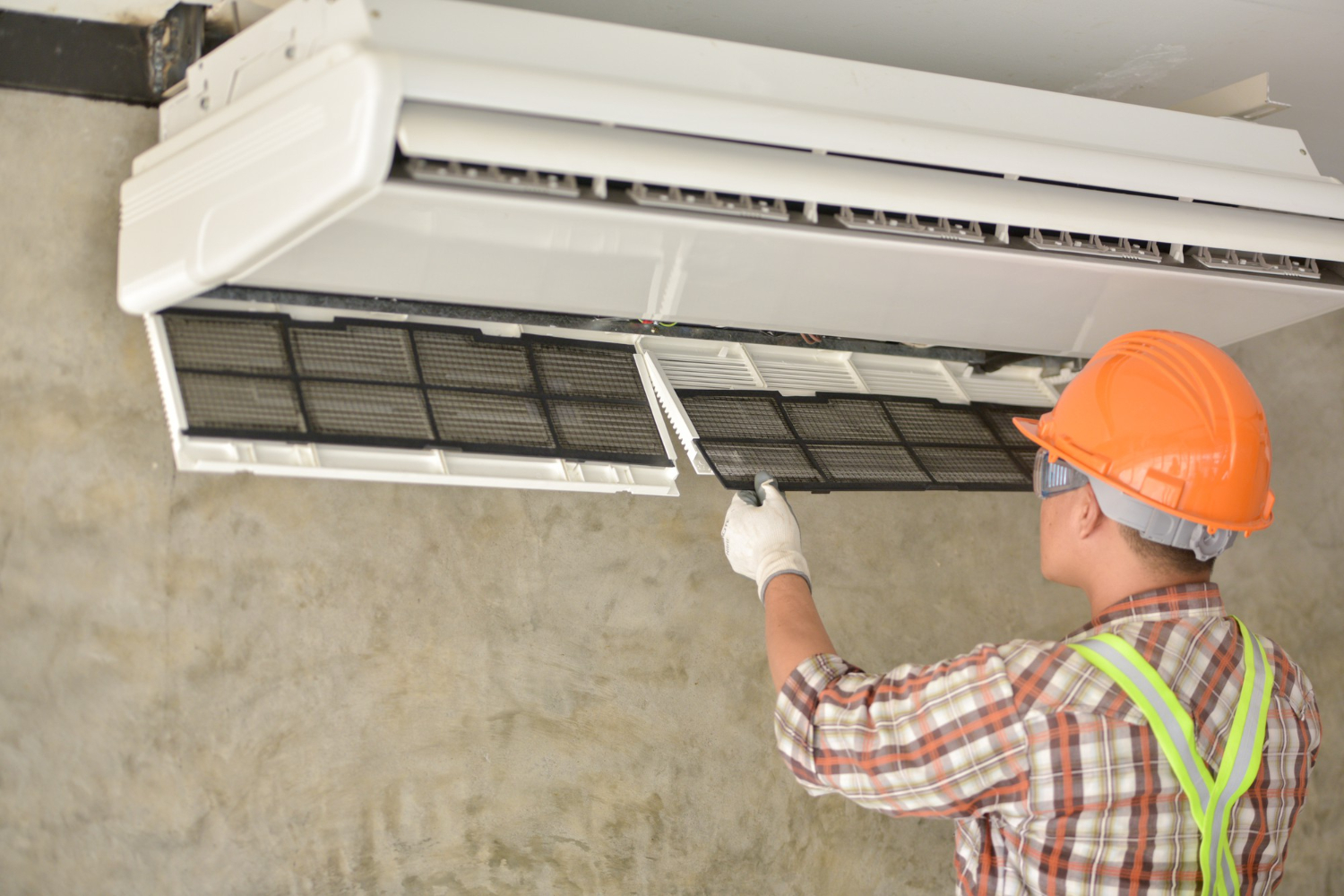

When your summer energy bill arrives, it’s a direct reflection of how hard your air conditioner has been working. An inefficient system can have a surprising impact on your monthly budget. One of the biggest factors in your AC’s efficiency is the health of its evaporator coil. If the coil is dirty or frozen, it can’t absorb heat properly, forcing your entire system to run longer and harder to cool your home. This wastes energy and drives up your costs. A little knowledge can go a long way, and it starts with knowing where is ac evaporator coil located so you can understand how to keep it in top shape.
Key Takeaways
- The evaporator coil is your AC's cooling engine: Located inside your indoor unit, this is the part that actually absorbs heat and humidity from your air. Knowing what it is and where to find it helps you understand your system better.
- Consistent filter changes are non-negotiable: The easiest and most effective way to protect your evaporator coil is to change your air filter regularly. This prevents dirt buildup and restricted airflow, which are the main causes of a frozen or inefficient coil.
- Leave complex repairs to the experts: While you can check your filter, symptoms like ice on the coil, water leaks, or hissing sounds signal a problem that needs a professional. Calling a technician is the safest way to handle refrigerant issues and protect your system's warranty.
What Is an AC Evaporator Coil?
Think of your air conditioner as a team, with each part playing a vital role in keeping your home comfortable. The evaporator coil is one of the star players. Tucked away inside your indoor AC unit, this component is where the real cooling magic happens. It’s a network of tubes, usually made of copper or aluminum, that looks a bit like a car’s radiator. Because of its common V-shape, many technicians simply call it the “A coil.”
The evaporator coil is a fundamental part of your home's air conditioning system. Its primary job isn't to create cold air, but to pull heat and humidity out of the air that's already inside your house. As your system pulls warm indoor air across the coil's chilly surface, the coil absorbs the thermal energy, leaving behind cooler, more comfortable air to be circulated back into your rooms.
Without a functioning evaporator coil, your AC simply can't cool your home. It’s the component responsible for the heat exchange process that is central to how air conditioning works. Understanding its role can help you spot potential issues early and appreciate why keeping it clean and well-maintained is so important for your system’s efficiency and longevity.
How It Cools Your Home
The evaporator coil acts like a powerful sponge for heat and moisture. As your AC’s blower fan pulls warm, humid air from your living spaces, it directs it through the fins and tubes of the coil. The coil contains a very cold refrigerant that absorbs the heat from the air passing over it. At the same time, moisture in the air condenses on the coil’s cold surface, much like how water droplets form on a cold glass of iced tea. This process of removing both heat and humidity is what makes the air feel so refreshingly cool and crisp.
How It Works with Your AC System
So, how does the coil get so cold? It’s all about the refrigerant. Your AC is a closed-loop system that continuously circulates this special chemical compound. The refrigerant arrives at the evaporator coil as a cold, low-pressure liquid. As it flows through the coil's tubes, it absorbs heat from your indoor air and begins to boil, turning into a gas. This process is similar to how boiling water absorbs heat from a stovetop. This gas, now carrying the heat from your home, travels to the outdoor unit to release it. This is the core principle of how air conditioners work to move heat from inside to outside.
Where to Find Your Evaporator Coil
Figuring out where your evaporator coil is hiding is the first step to understanding your AC system. The location isn't a universal secret; it simply depends on the type of air conditioner you have in your home or business. Most systems fall into one of a few common categories, and once you know which one you have, finding the coil is pretty straightforward. Whether you have a traditional setup, an all-in-one unit, or a modern ductless system, I’ll walk you through where to look. Knowing your way around your equipment can help you spot potential issues before they become big headaches. If you're ever unsure about your system type or what you're looking at, our team is always ready to help with professional HVAC services.
In a Split System
If you have a split system, which is the most common type in homes, you have an outdoor unit and an indoor unit. The evaporator coil is located in the indoor unit. This part of your AC is called the air handler, and it’s usually tucked away in a closet, the attic, or your basement. Sometimes, the air handler is connected directly to your furnace. In that case, the evaporator coil sits inside the ductwork right next to the furnace. You’ll need to open an access panel on the air handler or the connected ductwork to see it.
In a Packaged Unit
Packaged units are convenient all-in-one solutions, often used for homes without basements or for commercial buildings. If you have one of these, your search is much simpler. All the main components of the AC, including the condenser, compressor, and the evaporator coil, are housed together in one large metal cabinet outside. You’ll typically find this unit sitting on a concrete slab next to your foundation or, for many businesses, on the roof. The cool air is generated in this single unit and then pushed into your home through ducts.
In a Ductless Mini-Split
Ductless mini-split systems are fantastic for cooling specific rooms or zones in your house. These systems have an outdoor unit connected to one or more indoor units mounted on the walls. For this type of system, each indoor wall unit has its own small evaporator coil built right inside it. There’s no central unit to hunt down inside your home. If you have multiple indoor units, you have multiple evaporator coils, each working to cool its designated space. These systems are a great, efficient option when considering new installations.
In Window and Portable Units
For smaller, self-contained units like window ACs or portable models, finding the evaporator coil is incredibly easy. The coil is the part that gets cold and pulls humidity from the air, and it’s located on the front of the unit, facing into the room. To see it, you just need to pop off the front grille and remove the air filter. The evaporator coil will be right behind it. Just be sure to unplug the unit from the wall before you start poking around for safety.
A Step-by-Step Guide to Safely Locating Your Coil
Knowing your way around your HVAC system can help you spot potential issues early. If you’re curious about where your evaporator coil is, you can usually find it with a few simple steps. Think of this as a discovery mission, not a repair job. While locating the coil is straightforward, any hands-on cleaning or repairs should be left to a trained technician to avoid damaging your system or, more importantly, injuring yourself. Following these steps will help you safely find this key component of your air conditioner.
Step 1: Turn Off the Power
Your safety is the top priority, so this first step is non-negotiable. Before you even think about touching your HVAC unit, you must cut the power. Head to your home’s main electrical panel and find the circuit breaker that controls your furnace or air handler. Flip it to the “OFF” position. For extra safety, look for a power switch located on or near the indoor unit itself and turn that off, too. This double-check ensures there’s no electricity running to the system, protecting you from the risk of electrical shock.
Step 2: Find and Open the Access Panel
With the power safely off, it’s time to find the indoor unit, which is either the air handler or the furnace cabinet. It’s typically tucked away in a basement, attic, or utility closet. On this cabinet, you’ll see one or more removable panels. The one covering the evaporator coil is usually held in place by a few screws or clips. Using a screwdriver, carefully remove the screws and set them aside somewhere safe (a small cup or magnetic tray works wonders). Gently pull the panel off and set it aside.
Step 3: Identify the Coil
Once the panel is off, look inside the cabinet. You should see the evaporator coil. It generally looks like a set of metallic fins arranged in an A-frame tent shape or as a flat slab. You’ll also see copper tubing weaving its way through these fins. This is where the magic of cooling happens; refrigerant runs through the tubes, absorbing heat from your home’s air as it passes over the fins. If you notice the coil is covered in a thick layer of dust or a sheet of ice, it’s a clear sign you need professional HVAC services.
Telltale Signs of an Evaporator Coil Problem
Your air conditioner is pretty good at letting you know when something is off; you just have to know which signals to look for. A problem with the evaporator coil can show up in several ways, from strange sounds to a lack of cool air. Catching these signs early can help you address the issue before it turns into a bigger, more expensive headache. Here are five key indicators that your evaporator coil needs attention.
Weak or Warm Airflow
If the air coming from your vents feels more like a weak suggestion than a cool breeze, your evaporator coil might be the culprit. A dirty, frozen, or malfunctioning coil can restrict airflow, preventing your system from pushing out the cold air your home needs. When the airflow is weak or the air feels lukewarm, it’s a clear sign that the coil isn’t absorbing heat effectively from your indoor air. Ignoring this common symptom can strain your entire AC system, forcing it to work harder and leading to more significant problems down the road.
Ice Buildup
Finding a layer of frost or ice on your evaporator coil is a definite red flag. While it might seem counterintuitive, ice forms when the coil gets too cold, which can happen due to issues like a clogged air filter or low refrigerant levels. This ice acts as an insulator, blocking the coil from absorbing heat and severely limiting your AC's cooling ability. You might notice this in conjunction with weak airflow. Regular professional maintenance can help prevent the underlying issues that cause your coil to freeze over in the first place.
Water Leaks or Puddles
Discovering a puddle of water near your indoor AC unit should never be ignored. As the evaporator coil cools your air, it also removes humidity, which normally drains away through a condensate line. If that line is clogged or if a frozen coil starts to melt, the excess water can overflow and leak onto your floor. This not only points to a problem with your AC but also creates a serious risk of water damage to your home’s floors, walls, and foundation. It’s important to investigate the source of any leak right away.
Hissing or Bubbling Sounds
Your AC system should operate with a consistent, low hum, not with strange or sudden noises. If you hear a distinct hissing or a bubbling sound coming from your indoor unit, it often indicates a refrigerant leak in the evaporator coil. Refrigerant is a chemical essential for the cooling process, and a leak is a serious issue that impacts your system’s performance and can be harmful. This kind of problem requires immediate professional repair to safely handle the refrigerant, find the source, and fix the leak properly.
Your AC Runs Nonstop
Does your air conditioner seem to be running a marathon with no finish line? If your system runs constantly but your home never quite reaches the temperature set on the thermostat, a faulty evaporator coil could be to blame. When the coil can't absorb heat properly, your AC has to work overtime trying to cool the space. This not only causes excessive wear and tear on your system's components but also leads to a noticeable and unwelcome increase in your monthly energy bills. It's a clear sign your AC is struggling.
Common Hurdles When Accessing Your Coil
Finding your evaporator coil can feel like a bit of a treasure hunt. It’s tucked away for a reason, but knowing what challenges you might face can make the process smoother and safer. From tight spaces to telling different components apart, a little knowledge goes a long way in helping you understand your AC system. Here are a few common hurdles you might encounter when trying to locate your coil.
Tight Spaces and Hidden Panels
Your evaporator coil isn't sitting out in the open. It’s housed inside your indoor unit, which is called the air handler or furnace cabinet. This large metal box is often located in an out-of-the-way spot like a utility closet, the attic, or your garage. The coil is hidden behind an access panel to protect it from dust and damage. So, if you're having trouble finding it, don't worry. It’s designed to be concealed within your home's ductwork, which is why it often requires a bit of searching to locate.
How to Avoid Damage and Stay Safe
Before you even think about opening an access panel, your first and most important step is to turn off the power. Head to your home's main electrical panel and flip the circuit breaker for your air handler or furnace to the 'OFF' position. This is a non-negotiable safety measure. While it’s fine to visually inspect your coil, any hands-on cleaning or repairs should be handled by a trained expert. Attempting a DIY fix can lead to expensive damage or serious personal injury. If you suspect a problem, the safest move is to schedule a professional service call.
Telling the Coil Apart from Other Parts
Once you have the access panel open, how do you know you're looking at the right thing? The evaporator coil has a distinct appearance. It often looks like a set of metallic fins arranged in a tent or 'A' shape, which is why it's sometimes called an 'A-coil.' Another key identifier is the two copper pipes, known as refrigerant lines, that run into the unit. These lines carry the refrigerant to and from the coil. Spotting this A-frame of fins with the connected copper lines is the surest way to know you've found your evaporator coil.
Simple Troubleshooting Steps You Can Take
Before you pick up the phone, there are a few simple checks you can perform that might solve the problem or at least help diagnose it. These steps are straightforward and can often point to common issues with your evaporator coil and overall AC system. Taking a few minutes to look things over can give you peace of mind and help you provide clear information if you do need to call for a professional repair.
Check for a Clogged Air Filter
This is always the first place to look. A dirty air filter is one of the most common culprits behind AC problems. When your filter is clogged with dust, dirt, and pet hair, it severely restricts airflow. This lack of air moving over the evaporator coil can cause it to get too cold and freeze up, which stops it from cooling your home effectively. It also makes your entire system work much harder, stressing its components and leading to potential breakdowns. Pull out your air filter and hold it up to a light. If you can't see light through it, it's time for a change.
Look for Signs of a Refrigerant Leak
If your filter is clean but your AC is still struggling, you might be dealing with a refrigerant leak. Refrigerant is the substance that absorbs heat from your home's air, and without enough of it, your system can't cool properly. Listen closely to your indoor unit. A distinct hissing or bubbling sound often points to a leak in the refrigerant lines. You might also notice ice forming on the coil itself, even with good airflow. Refrigerant is a hazardous material, so this is not a DIY fix. If you suspect a leak, it's crucial to call a certified technician to handle the AC repair safely.
Clear the Condensate Drain Line
As your evaporator coil pulls humidity from the air, it creates condensation, which is supposed to flow outside through a drain line. Over time, this line can get clogged with algae, mold, and sludge. When that happens, water backs up, potentially overflowing the drain pan and causing water damage around your indoor unit. You might see puddles of water or notice your system shutting off automatically if it has a safety float switch. While some handy homeowners clear these lines themselves, it can be a messy job. If you're not comfortable, our team is always ready to help as part of a routine maintenance check.
How to Keep Your Evaporator Coil in Great Shape
A little preventative care for your AC system can make a huge difference in its performance and lifespan. Keeping your evaporator coil clean and functioning properly is key to staying cool and avoiding surprise repair bills. The best part is that some of the most effective maintenance tasks are simple things you can do yourself to support the health of your entire system.
Stick to a Regular Filter-Changing Schedule
This is the single most important thing you can do for your HVAC system. Your air filter’s job is to trap dust, pollen, and other particles before they can get into your air handler. When the filter gets clogged, airflow is restricted, and that dust has to go somewhere, often ending up on your evaporator coil. A dirty coil can’t absorb heat effectively, which can lead to freezing and poor cooling. Make it a habit to check your air filter every month and change it at least every three months to keep air flowing freely and your coil clean.
Why You Need Professional Coil Cleaning
While changing the filter is a great DIY task, cleaning the evaporator coil itself is a job best left to a professional. The coil is made of delicate aluminum fins that can be easily bent or damaged, and trying to clean it yourself can lead to costly mistakes. A trained technician has the right tools and specialized cleaning solutions to do the job safely and thoroughly without risking damage. If you notice your coil is dirty, scheduling a professional tune-up ensures it gets cleaned correctly, protecting your system and keeping it running efficiently.
Keep the Surrounding Area Clear of Debris
Your indoor evaporator coil works in tandem with your outdoor condenser unit. For your AC to cool your home effectively, the outdoor unit needs to be able to release heat, which requires plenty of airflow. Take a walk outside and check the area around your condenser. Make sure to clear away any leaves, grass clippings, or branches. It’s also a good idea to trim back shrubs or other plants to maintain at least two feet of clear space on all sides. This simple step helps your entire system work more efficiently and reduces unnecessary strain.
When It's Time to Call a Professional
While it’s great to understand your AC system, some jobs are best left to the experts. The evaporator coil is a sensitive and critical part of your air conditioner, and trying to fix it yourself can quickly turn a small problem into a major, expensive one. If you’ve done some basic troubleshooting and the issue persists, or if you suspect the problem is with the coil itself, it’s time to put down the tools and pick up the phone. A professional technician has the right equipment and training to diagnose and fix the problem safely and correctly, ensuring your system runs efficiently for years to come.
For Refrigerant Issues and Complex Fixes
If you suspect a refrigerant leak, this is a definite sign to call for help. Low refrigerant doesn't just mean your system needs a top-off; it means there’s a leak somewhere that needs to be found and sealed. This isn't a DIY task. Handling refrigerant requires special certification and tools to manage the pressurized chemicals safely. A professional technician can accurately locate the source of the leak, repair it properly, and recharge your system to the manufacturer’s exact specifications. This ensures your evaporator coil can do its job effectively and cool your home as it should.
To Protect Your Warranty and Your Safety
Attempting a complex repair on your evaporator coil can be risky. First, you could accidentally cause more damage to your AC unit, leading to even costlier repairs. Second, and more importantly, you could put your safety at risk. AC systems involve high-voltage electricity and chemical refrigerants, both of which can be hazardous without proper training. Furthermore, most manufacturer warranties specify that repairs must be performed by a licensed professional. A DIY fix could void your warranty, leaving you to pay the full cost for any future breakdowns. Calling a qualified HVAC technician protects both your system and your well-being.
The Perks of a Professional Tune-Up
The best way to deal with evaporator coil problems is to prevent them from happening in the first place. Regular professional maintenance is key to keeping your entire HVAC system in top shape. During a tune-up, a technician will inspect and clean the evaporator coil, check refrigerant levels, clear the condensate drain, and identify any potential issues before they become serious problems. This proactive care helps your AC run more efficiently, extends its lifespan, and gives you peace of mind knowing your system is ready to handle the summer heat. Investing in routine HVAC solutions keeps your home comfortable and your system reliable.
Related Articles
Frequently Asked Questions
Why is my evaporator coil covered in ice? Ice on your coil is a definite warning sign. It typically means that either airflow is being blocked or your system is low on refrigerant. A severely clogged air filter is the most common reason, as it stops enough warm air from passing over the coil to keep it from getting too cold. A refrigerant leak can also cause the coil’s temperature to drop below freezing. It's best to turn off your AC to let the ice melt and have a technician find the root cause.
Can I clean the evaporator coil myself? While it might seem like a straightforward task, cleaning the coil is a job best left to a professional. The coil is made of thin, delicate aluminum fins that can be bent or damaged with very little pressure, which would hurt your AC's performance. Technicians have the right tools and cleaning solutions to do the job safely. The best thing you can do yourself is to change your air filter regularly, as this is the first line of defense against a dirty coil.
What's the difference between the indoor evaporator coil and the outdoor condenser coil? It's easy to get these two mixed up. Think of them as partners in a heat-transfer team. The indoor evaporator coil is the part that absorbs heat from the air inside your house, which is what makes the air feel cool. The outdoor condenser coil then takes that collected heat and releases it outside. So, the evaporator coil handles the cooling, and the condenser coil handles the heat disposal.
Is a hissing sound from my AC unit really that serious? Yes, you should take any hissing or bubbling noises very seriously. These sounds are classic signs of a refrigerant leak. Refrigerant is the chemical compound that makes cooling possible, and a leak not only prevents your system from working correctly but can also be hazardous. This isn't an issue to put off, so you should turn off your system and call for professional repair right away to have it handled safely.
How often does my evaporator coil need professional attention? Your evaporator coil should be inspected and cleaned as part of an annual professional AC tune-up. This yearly maintenance ensures the coil stays clean and allows a technician to spot any potential problems, like small leaks or drainage issues, before they turn into major headaches. An annual checkup is the best way to keep your entire system running efficiently and reliably, especially before the summer heat sets in.