.png)




.png)

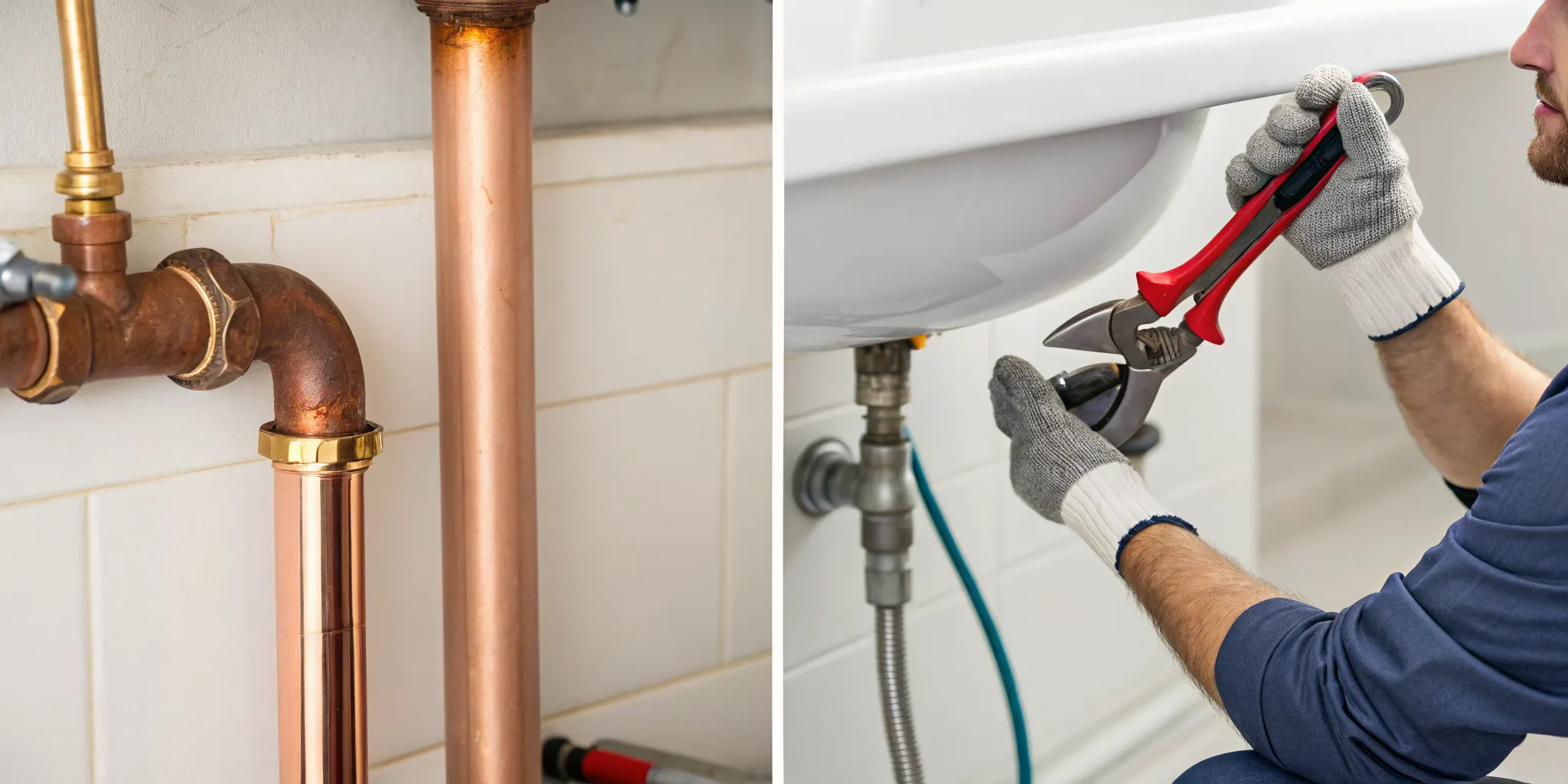
A burst pipe doesn't always mean a waterfall in your basement. More often, it starts with a quiet warning: a faint hissing in the walls, a mysterious damp spot on the ceiling, or a sudden drop in water pressure. These subtle clues are your home’s way of telling you something is wrong. Ignoring them won’t make the problem disappear; it just gives it time to become a full-blown disaster. This guide will teach you how to spot these early signs and understand what they mean. We’ll also cover the immediate steps to take in an emergency and explain why a professional burst pipe repair is crucial for a long-term solution.
Key Takeaways
- Act quickly to minimize damage: When a pipe bursts, your first moves matter most. Immediately turn off the main water supply to your house, shut off electricity to the affected areas to prevent shock, and take photos of everything for your insurance claim.
- A little prevention saves a lot of stress: You can avoid most burst pipes by taking a few proactive steps. Insulate pipes in cold spaces like basements and attics, check that your home's water pressure is at a safe level, and prepare your outdoor plumbing for winter.
- Recognize when to call a professional: While temporary patches can be helpful, they aren't a permanent solution. If a pipe is severely cracked or corroded, if water is near electrical wiring, or if you need documentation for an insurance claim, it's time to call for professional help.
How to Tell If You Have a Burst Pipe
A burst pipe doesn't always announce itself with a flood in your living room. Often, the initial signs are much more subtle, and catching them early can make all the difference. If you suspect something is wrong with your plumbing, paying attention to what your house is telling you is the first step toward preventing a major disaster. Here’s what you should look and listen for.
Look for These Warning Signs
Your home has ways of letting you know when a pipe has failed. Keep an eye (and an ear) out for these common red flags. You might hear strange hissing or banging noises coming from inside your walls, which can indicate water escaping under pressure. Look for new, unexplained water stains on ceilings or walls, or damp spots on your floors. Another big clue is a sudden drop in water pressure throughout your home. If you hear the sound of running water when all your faucets are turned off, that’s a clear signal that water is flowing somewhere it shouldn't be. These are all key signs of a burst water pipe that need your immediate attention.
Is It a Burst Pipe or Something Else?
It’s easy to dismiss a small water stain or a faint noise, but these symptoms often point to a serious issue. A burst pipe is one of the most destructive plumbing emergencies you can face, leading to extensive and costly water damage if it isn't handled right away. While you might associate water damage with major events like storms, a hidden leak from a corroded or frozen pipe can be just as damaging over time. Whether it’s a slow leak or a full-blown burst, any of the warning signs above mean it’s time to investigate further. Ignoring them won't make the problem go away; it will only give it more time to get worse.
A Pipe Just Burst: What to Do Right Now
Seeing water gushing from a burst pipe is enough to make anyone panic. But taking a deep breath and acting quickly can make a huge difference in the amount of damage your home sustains. Before you even think about repairs, your immediate goal is to control the situation and ensure everyone is safe. Follow these four steps right away to manage the emergency and set the stage for a smooth recovery. Acting methodically now will save you a lot of headaches later.
Turn Off the Main Water Supply
This is your absolute first move. Every second that water continues to flow adds to the damage, so you need to stop it at the source. Find your home's main water shut-off valve, which is typically in the basement, a crawl space, or a utility closet near your water heater. The valve will have either a wheel-style handle you turn clockwise or a lever-style handle you turn a quarter-turn. Once the main supply is off, open the faucets in your house, starting with the highest floor, to drain any water left in the pipes and relieve pressure.
Cut Power to the Affected Area
Water and electricity are a dangerous combination. To prevent the risk of electric shock, you need to shut off the power to any rooms with water damage. Go to your home's main electrical panel and flip the breakers for the affected areas to the "Off" position. If you have to stand in water to get to the panel, do not touch it. Your safety is the priority. In that case, leave the house and call a professional electrician or your utility company for help. It's always better to be cautious when dealing with potential electrical hazards.
Document Everything for Insurance
Before you move anything or start cleaning up, grab your phone and take plenty of photos and videos. You'll want to document the source of the leak, the standing water, and any damage to your floors, walls, furniture, and personal belongings. This evidence is crucial for your insurance claim. Once you have your photos, contact your insurance company as soon as possible to report what happened. Starting the claims process quickly can help you get the support you need for repairs and restoration without unnecessary delays.
Put Safety First
After you've shut off the water and power, take a moment to assess the overall safety of the area. Is the ceiling bulging from the weight of the water? Do you see any sparks or hear crackling sounds? If the damage is extensive or you feel the structural integrity of your home is compromised, it's time to leave. Your safety is more important than any property. Once you and your family are out of harm's way, you can call for professional help. Our team is ready to handle these emergencies and can provide the expert plumbing services you need to make your home safe again.
Why Do Pipes Burst in Colorado?
Here in Colorado, we're no strangers to extreme weather. Those plunging temperatures can be tough on our homes, especially the plumbing. A burst pipe is one of the most common and damaging issues a homeowner can face, often stemming from a few key problems. Understanding what causes pipes to fail is the first step in preventing a watery disaster. The main culprits are freezing temperatures, excessive water pressure, and the natural aging of your plumbing system.
Freezing Temperatures and Ice
It’s simple science: when water freezes, it expands. This expansion is the number one cause of burst pipes in our state. When water inside a pipe freezes, the ice puts immense pressure on the pipe walls. The failure often happens between the ice blockage and the faucet, where trapped water pressure builds to a breaking point. Pipes made of rigid materials like copper are particularly vulnerable because they can't stretch. This is why pipes in unheated areas like crawl spaces and attics are at the highest risk. You can learn more about how to prevent frozen pipes to protect your home.
Excessive Water Pressure
Think of your plumbing like your circulatory system; it’s designed to handle a certain amount of pressure. When water pressure is too high, it puts constant stress on your pipes, fittings, and joints. This strain can weaken the system over time, turning tiny cracks into catastrophic failures. Sudden pressure surges, caused by issues at the municipal supply or a faulty pressure regulator, can also cause a burst. It’s a good idea to have your home’s water pressure checked. Ideally, it should be between 40 and 80 psi. Anything higher puts you at risk for leaks and shortens the lifespan of your appliances.
Corrosion and Old Pipes
Like everything else, your pipes have a lifespan. Over the years, materials like galvanized steel and copper can corrode from the inside out. Rust and mineral buildup restrict water flow and weaken the pipe's structure. An old, corroded pipe is far more likely to fail under the stress of freezing or high water pressure. If you live in an older home on the Western Slope, your plumbing may have seen better days. It’s important to know the signs of corroded pipes, such as discolored water or frequent clogs. A professional inspection can save you from costly water damage.
DIY Fixes for a Burst Pipe
If you’re dealing with a minor leak or a small split in a pipe, a temporary DIY fix can be a lifesaver. These solutions can stop the water flow and prevent further damage while you wait for a professional to arrive. Think of them as first aid for your plumbing—they aren't permanent, but they buy you crucial time. Before you start any repair, your first steps are always the same: shut off your main water supply and cut the power to the affected area.
Use Pipe Repair Clamps
Pipe repair clamps are one of the simplest and most effective temporary fixes. These devices have a rubber gasket inside a metal sleeve that you wrap around the damaged pipe section. Once in place, you just tighten the screws to create a strong seal that stops the leak. They come in various sizes, so keeping a few common ones in your home emergency kit is a smart move. This is a great go-to solution because it’s quick, requires minimal tools, and can be a real stress-reducer in an emergency.
Apply Epoxy Putty and Repair Tape
Another great option for a temporary patch is using epoxy putty with repair tape. Epoxy putty is a moldable substance you knead to activate. Once it's ready, you press it firmly over the crack or hole in the pipe, where it hardens to form a waterproof seal. For extra security, especially on pipes with higher pressure, wrap the area with silicone repair tape after applying the putty. This combination creates a strong patch that can hold until you can get a professional repair scheduled.
Try Push-to-Connect Fittings
For those with a bit more plumbing experience, a push-to-connect fitting can be a more durable temporary repair, especially for a clean break in a copper or PEX pipe. These fittings, like those from the SharkBite brand, let you join two pieces of pipe without soldering. You just cut out the damaged section, clean the ends, and push the fitting on for a secure, watertight connection. While it’s a more involved fix, it’s a fantastic skill to have for handling small pipe repairs.
Gather Your Tools and Materials
Before you can tackle any repair, you need the right gear. A well-stocked plumbing emergency kit makes all the difference. Make sure you have pipe cutters for your type of piping, a pipe repair clamp, epoxy putty, and silicone repair tape. It’s also wise to have a bucket and old towels ready to manage any water. Most importantly, before touching the pipe, locate and shut off your main water supply. If the burst pipe is near electrical wiring, cut the power to that area at the breaker box.
Common DIY Repair Mistakes to Avoid
When a pipe bursts, your first instinct might be to roll up your sleeves and tackle the repair yourself. While that can-do spirit is admirable, some DIY attempts can accidentally make a bad situation much worse. A burst pipe isn't just a simple leak; it can involve high water pressure, hidden damage, and serious safety risks. Before you grab your toolbox, it's important to understand the common mistakes that can turn a manageable problem into a major disaster. Knowing what not to do is just as crucial as knowing what to do. Let's walk through a few key pitfalls to help you handle the situation safely and effectively.
Making the Problem Worse
In the panic of a water emergency, it's easy to make a critical error that increases the damage. The single biggest mistake is not shutting off the water supply right away. Every moment the water continues to flow adds to the mess and potential for structural harm. If you can, try to quickly find the source of the leak before turning off the main valve. However, if water is gushing out and you can't find the source, don't hesitate. Go straight for your home's main water shut-off valve to stop the flow immediately.
Overlooking Major Safety Hazards
Water and electricity are a dangerous combination. When you're focused on stopping a leak, it's easy to forget about the serious safety hazards around you. Standing water can conceal live electrical currents from submerged outlets, appliances, or wiring, creating a risk of electrocution. You should also be aware of potential structural damage. Water can weaken drywall, ceilings, and floors, making the area unstable. Before you start any cleanup or repair, take a moment to assess the area and make sure it's safe to enter. If you have any doubts, stay out and call a professional.
Taking On a Repair That's Too Complex
While temporary fixes like clamps or epoxy putty can be helpful in a pinch, they aren't permanent solutions. Many homeowners underestimate the complexity of a proper pipe repair, which often requires specialized tools and expertise. A poorly executed DIY fix can fail under pressure, leading to another flood down the road. A permanent burst pipe repair requires a licensed professional to ensure the pipe is secure, properly sealed, and up to code. Trying to handle a complex replacement yourself can lead to more leaks, wasted materials, and a much bigger headache than you started with.
When Is It Time to Call a Professional?
While a quick DIY patch can be a lifesaver in the first few minutes of a plumbing emergency, it’s rarely a permanent solution. Knowing your limits is the most important part of any home repair project. Some situations are too complex or dangerous to handle on your own, and pushing forward can lead to more damage and higher costs. If you find yourself questioning whether you can handle the repair, that’s your cue to pick up the phone. A professional has the right tools, training, and experience to fix the problem correctly and safely the first time.
When the Pipe Needs to Be Replaced
A temporary clamp or putty can stop a leak, but it can’t fix a pipe that’s failing. If you see large cracks, significant bulging, or widespread corrosion, the pipe itself is compromised and needs to be replaced. While DIY fixes are temporary, a permanent burst pipe repair requires the expertise and tools of a licensed professional. A plumber can not only replace the damaged section but also assess the condition of your surrounding pipes to catch other potential problems. This is especially important in older homes where plumbing systems may be nearing the end of their lifespan. For a lasting solution, you’ll need a professional plumbing service.
If There Are Electrical or Safety Risks
This is non-negotiable: if water is anywhere near your electrical system, stop what you’re doing and call for help immediately. Water spraying near outlets, light fixtures, or your breaker box creates a serious risk of electrocution. According to safety experts, if there's significant water damage or if electrical systems are at risk, you should not attempt a repair. Another major red flag is structural damage, like a sagging, water-stained ceiling. This indicates a large amount of water has accumulated, and the weight could cause a collapse. In these scenarios, your safety is the top priority.
To Comply with Insurance or Warranties
After a pipe bursts, one of your first calls will likely be to your insurance agent. Most homeowners insurance policies cover sudden and accidental water damage, but they often have specific requirements for claims. Many insurers require that repairs be completed by a licensed and insured professional to ensure the work is up to code. Attempting a DIY repair could potentially void your coverage, leaving you responsible for the full cost of the damages. A professional plumber provides the necessary documentation, like detailed invoices and reports, that your insurance company will need to process your claim smoothly.
How to Prevent Future Burst Pipes
A burst pipe is a mess no one wants to deal with. The good news is that you can take simple, proactive steps to protect your home’s plumbing, especially with Colorado's freezing winters in mind. A little prevention goes a long way in avoiding the stress and expense of a major water damage repair. By focusing on insulation, water pressure, and seasonal prep, you can keep your pipes safe and your home dry all year round.
Insulate Exposed Pipes
One of the most effective ways to prevent frozen pipes is to insulate them. Pay close attention to any pipes located in unheated areas of your home, like the basement, crawl space, attic, or garage. These spots are the most vulnerable to cold snaps. You can find foam pipe sleeves or heat tape at most hardware stores, and they are fairly easy to install yourself. This simple step creates a thermal barrier, keeping the water inside from freezing when the temperature plummets. Think of it as a winter coat for your plumbing system.
Maintain a Healthy Water Pressure
Your home’s water pressure plays a big role in the health of your pipes. When the pressure is too high, it puts constant strain on your entire plumbing system, increasing the risk of a burst. You can buy a simple water pressure gauge to test it yourself; most homes should be between 40 and 80 psi. Also, keep an eye out for warning signs like sputtering faucets or a sudden drop in pressure, as these can signal an underlying issue. If you’re concerned about your water pressure, our team can perform a full plumbing inspection to make sure everything is working correctly.
Prepare Your Plumbing for Winter
Getting your plumbing ready for winter is a crucial annual task. Before the first freeze, disconnect and drain all your garden hoses and shut off the water to your outdoor spigots. If you plan to be away from home for an extended period during the winter, it’s a smart idea to turn off your main water supply and drain the water from your pipes. Inside, always keep your thermostat set to at least 55°F, even when you're not home. This ensures that enough ambient heat reaches the pipes running through your walls, preventing them from freezing.
Related Articles
- Plumbing Repair Delta County | Fast Leak & Drain Fix | Cooleys
- Plumbing Repair Montrose County | Fix Leaks & Clogs Fast | Cooleys
- Delta County Plumbing Services | Fast Repairs by Cooleys
- Plumbing Services | Cooleys Heating, Cooling & Plumbing
- Furnace Not Working? Here’s What to Do First
Frequently Asked Questions
What's the difference between a leak and a burst pipe? Think of it in terms of speed and volume. A leak is typically a slow, steady drip that might come from a loose fitting or a pinhole in a pipe. A burst, on the other hand, is a catastrophic failure where the pipe splits open, releasing a large amount of water very quickly. While any water damage is bad, a burst pipe is a true emergency that requires immediate action to prevent widespread flooding.
How can I tell if a pipe is frozen before it actually bursts? A frozen pipe often gives you a warning sign before it fails. The most common clue is a faucet that won't work or only produces a tiny trickle of water when you turn it on. You might also see frost on the outside of an exposed pipe. If you suspect a pipe is frozen, it's critical to act carefully. Never use an open flame to thaw it; instead, you can use a hairdryer on a low setting or wrap the pipe in warm towels.
Are temporary DIY fixes, like repair tape, a reliable long-term solution? While temporary patches are fantastic for stopping the water flow in an emergency, they are not permanent solutions. These fixes are designed to buy you time, not to hold up against constant water pressure for weeks or months. A proper, lasting repair involves replacing the damaged section of pipe to ensure it's secure and up to code, which is a job best left to a professional.
I can't find my main water shut-off valve. What should I do in an emergency? Not knowing where your shut-off valve is can be stressful in a crisis. First, take a moment to look in common places: the basement, a crawl space, a utility closet, or near your water heater. If you still can't find it and water is actively flooding your home, your next best step is to call a professional plumber immediately. They can guide you over the phone or send a technician to shut it off for you.
My house is fairly new. Should I still be concerned about my pipes bursting? Yes, you should. While old, corroded pipes are a common cause of bursts, they aren't the only one. Here in Colorado, freezing temperatures are a major threat to pipes in any home, regardless of its age. High water pressure from the municipal supply can also put stress on new plumbing systems. Regular maintenance and proper winter preparation are important for every homeowner.