.png)





.png)

There’s a unique satisfaction that comes from fixing something in your own home. When it comes to a leaky faucet, what seems like a complex plumbing issue is often a perfect weekend project for a confident DIY-er. This guide breaks down the entire process into simple, actionable steps. We’ll help you figure out what kind of faucet you have, what parts you’ll need, and how to put it all back together without any leftover pieces. Think of this as your roadmap to a successful faucet repair, saving you the cost of a service call and giving you the pride of a job well done.
Key Takeaways
- Know your faucet before you start: Identifying your faucet type, whether it's a compression, cartridge, ball, or ceramic disc model, is the most important first step. This determines which replacement parts you need and the correct repair process to follow.
- Preparation prevents bigger problems: Always shut off the water supply completely before you begin. To ensure you buy the right components, take the old, worn-out parts with you to the hardware store for a perfect match.
- Recognize when to call a professional: If a leak persists after your repair, you discover unexpected corrosion or damage, or you simply feel overwhelmed, it's time to call for help. A professional can solve complex issues and prevent a small drip from becoming a major problem.
Why Is Your Faucet Leaking?
That constant drip, drip, drip is more than just a minor annoyance. It’s a clear signal that something inside your faucet has worn out or failed. While it might seem like a complex problem, most leaks come down to just a few common culprits. Understanding what’s happening inside the faucet is the first step to fixing it for good. From tiny rubber rings to mineral buildup, let's look at the most frequent reasons your faucet won't stop dripping.
Worn-Out Washers and O-Rings
If you have an older faucet with two separate handles for hot and cold, there’s a good chance a worn-out washer is the problem. This is especially true for compression faucets, which rely on a small rubber washer to create a watertight seal. Over time, the constant pressure and friction cause this washer to harden, crack, or tear, letting water seep through. Similarly, the O-rings, which are small rubber rings that seal the area around the faucet's handle, can also fail. When an O-ring wears out, you’ll usually notice a leak at the base of the handle every time you turn the water on.
A Corroded Valve Seat
The valve seat is the connection point between the faucet and the spout in the compression chamber. As water flows, it passes over this small part, and over years of use, mineral deposits from the water can build up and cause corrosion. This creates a pitted, uneven surface that prevents the washer from forming a proper seal, leading to a persistent drip from the spout. If you’ve already replaced the washers and the leak continues, a corroded valve seat is the likely suspect. Inspecting this area is key, as significant corrosion often means it’s time for a replacement part.
Faulty Internal Cartridges
Many modern faucets, especially single-handle models, don’t use washers at all. Instead, they operate with a movable cartridge that controls the flow and temperature of the water. These cartridges are durable, but they aren’t invincible. When a leak comes from a cartridge faucet, it’s usually because the cartridge itself has cracked or the seals inside it have worn out. Unlike replacing a simple washer, fixing this issue typically involves replacing the entire cartridge. You’ll need to find the exact replacement cartridge for your faucet model to get the job done right.
High Water Pressure
While less common, sometimes the problem isn’t the faucet itself but the water pressure in your home’s plumbing system. Excessively high water pressure puts a huge amount of strain on your pipes, fixtures, and appliances. It can force water past even the strongest seals and cause faucet components to wear out much faster than they should. If you notice that your faucets drip mainly at night or you hear banging sounds in your pipes, high water pressure could be the underlying issue. This is a broader plumbing problem that often requires professional attention to diagnose and correct.
First, Identify Your Faucet Type
Before you can even think about grabbing a wrench, you need to play detective and figure out what kind of faucet you’re working with. Knowing your faucet type is the most important first step because it determines which replacement parts you’ll need and what your repair process will look like. Most household faucets fall into one of four main categories: compression, cartridge, ball, or ceramic disc.
Each one operates a little differently and has its own common culprits when it comes to leaks. Don't worry, you don't need to be a plumbing expert to tell them apart. Usually, a quick look at the handles and how they operate is all it takes. Is it an older model with two separate handles for hot and cold? Or a modern, single-handle design that pivots and lifts? Answering these simple questions will point you in the right direction and set you up for a successful repair. Taking a moment to identify your faucet now will save you from buying the wrong parts and making a second trip to the hardware store.
Compression Faucets
If your faucet has two separate handles for hot and cold that you tighten down to shut off the water, you likely have a compression faucet. These are one of the older styles but are still quite common. They work by using a rubber washer at the end of a stem to press against a valve seat, stopping the water flow. Over time, the constant friction and pressure wear down this washer, which is the number one cause of that annoying drip. Fixing a compression faucet usually means taking the handle off, getting to the valve assembly, and simply replacing the washer.
Cartridge Faucets
Cartridge faucets can have either one or two handles and are known for their smooth, easy operation. You don't have to tighten them down; a simple half-turn is usually all it takes. Inside, a movable cartridge controls the water flow. When these faucets start to leak, the problem is almost always the cartridge itself. The fix involves pulling out the old cartridge and popping in a new one. It’s a straightforward swap that often requires just a few basic tools. These are very common in modern kitchens and bathrooms, so finding a replacement cartridge is typically pretty easy.
Ball Faucets
A single handle that moves over a rounded, ball-shaped cap at the base of the faucet spout is the tell-tale sign of a ball faucet. This was the first type of washerless faucet, and it’s controlled by a special plastic or metal ball inside the faucet body. This ball has chambers and slots that align with hot and cold water inlets. Leaks usually happen when the small rubber seals and springs inside wear out. Repairing a ball faucet can be a bit more involved because there are several small parts, but it’s often sold as an all-in-one faucet repair kit to make the job simpler.
Ceramic Disc Faucets
Recognized by their single lever over a wide, cylindrical body, ceramic disc faucets are a more recent and very durable innovation. They control water flow with two highly polished ceramic discs that move against each other. One disc is stationary, while the other rotates with the handle. Leaks are rare because the ceramic is incredibly tough, but when they do happen, it's usually because the neoprene seals at the inlet have worn out. The fix typically involves disassembling the faucet to clean the discs and replace the seals. In some cases, the entire disc cartridge needs to be replaced.
Quick Identification Tips
Feeling a little unsure? Here are a few quick ways to identify your faucet. First, check the handles. Two handles that you have to crank down suggest a compression faucet. A single handle that moves side-to-side and up-and-down is often a ball or ceramic disc type. A cartridge faucet can have one or two handles, but they’ll feel smooth and won’t require much force. If you’re still stuck, try looking for a brand name or model number on the faucet body or under the sink. A quick online search for that information can give you a definitive answer and even lead you to the right plumbing schematics.
Gather Your Tools and Materials
Before you get started, gathering all your tools and materials in one place will make the repair process much smoother. There’s nothing more frustrating than having to stop mid-project to run to the hardware store for a single part. A little preparation now will help you get the job done efficiently and correctly. Think of it as setting up your command center. Clear the area under your sink, lay down an old towel to catch any water drips, and arrange your tools so everything is within easy reach. This simple step can turn a potentially messy job into a straightforward fix.
Essential Repair Tools
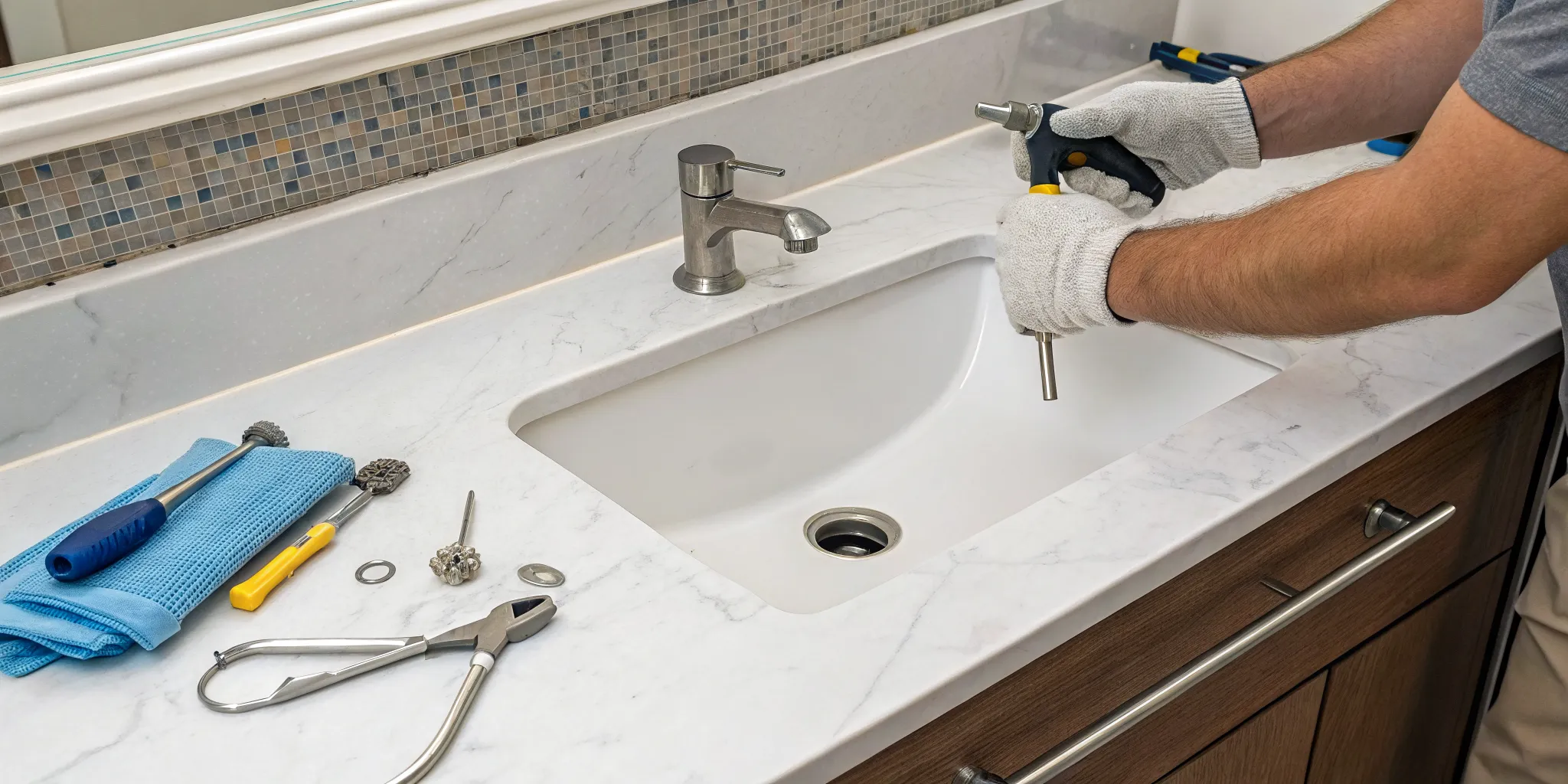
You don’t need a massive toolbox to fix a leaky faucet, but having the right tools is crucial. For most repairs, you’ll want an adjustable wrench, a set of screwdrivers (both Phillips and flat-head), and a pair of pliers. These will handle most of the disassembly and reassembly. One specialty tool that can be a real lifesaver is a basin wrench, which is designed to reach the nuts that hold the faucet in place in that tight space behind the sink. Having these essentials on hand will help you work confidently and avoid damaging your faucet or plumbing.
Common Replacement Parts
Most faucet leaks are caused by small, worn-out internal parts. The most common culprits are O-rings, washers, and seals. These tiny rubber or silicone components create watertight seals but can degrade over time, leading to that annoying drip. If you have a cartridge-style faucet, the entire cartridge might need to be replaced. While you have the faucet apart, it’s also a good idea to inspect the valve seat for any corrosion or mineral buildup. If you see significant pitting or damage, that part may also need replacing to ensure a lasting repair.
Where to Find the Right Components
To guarantee you buy the correct replacement parts, you first need to know your faucet's make and model. If you can’t find it printed on the faucet itself, check for any manuals you might have saved. The absolute best way to avoid a return trip to the store is to take the old, worn-out part with you. Whether it’s a washer, an O-ring, or a cartridge, having the original piece in hand allows you to match it up perfectly. You can find most of these plumbing parts at any local hardware or home improvement store.
How to Prep for Your Faucet Repair
A successful DIY faucet repair starts long before you pick up a wrench. Taking the time to properly prepare your workspace can be the difference between a quick fix and a frustrating, messy afternoon. Proper prep helps you stay organized, work safely, and avoid turning a small drip into a much bigger problem. Think of it as creating a roadmap for your repair. By following these simple setup steps, you’ll have everything you need in place for a smooth and stress-free process. This preparation ensures you can focus on the task at hand without any last-minute scrambling or preventable mistakes.
Shut Off the Water Supply
Before you do anything else, you must turn off the water to the faucet. This is the most critical step to prevent an indoor flood. Look for two small handles, called shutoff valves, in the cabinet directly beneath the sink. One controls the hot water and the other controls the cold. Turn both handles clockwise until they are fully closed. If you don’t see any valves under the sink, you’ll need to find your home’s main water shutoff valve and turn it off instead. Once the valves are closed, turn the faucet handles on to drain any remaining water from the lines and to double-check that the water is completely off.
Remove Faucet Handles and Parts
With the water off, you can start taking the faucet apart. Most faucet handles have a small decorative cap on top or at the front that you can gently pry off with a flathead screwdriver. Underneath, you’ll find a screw holding the handle in place. Use a Phillips screwdriver or an Allen wrench to remove it, then lift the handle straight off. As you disassemble the faucet, place every screw, cap, and small component in a container or on a towel. This simple habit keeps tiny parts from getting lost or accidentally rolling down the drain, which is a common and frustrating DIY mishap.
Set Up a Safe Workspace
A clean and organized workspace makes any repair easier and safer. Start by clearing everything out from under the sink to give yourself plenty of room to work. Lay down an old towel inside the cabinet to soak up any residual drips and protect the surface from scratches. Since under-sink areas are usually dark, bring in a flashlight or wear a headlamp for better visibility. Doing your own plumbing repairs can feel empowering, but a cluttered or poorly lit space can lead to simple mistakes that end up costing you more time and money than you planned.
Take Photos as You Go
Here’s a tip that will save you a lot of headaches: use your phone to take pictures at every stage of the disassembly process. It’s easy to think you’ll remember how everything goes back together, but a visual reference is invaluable, especially if your faucet has several small, intricate parts. A quick photo before you remove each component creates a step-by-step guide for reassembly. This ensures every washer, O-ring, and screw goes back exactly where it belongs, helping you avoid common mistakes like over-tightening connections or putting parts back in the wrong order.
How to Fix a Leaking Compression Faucet
So, you’ve identified your leaky culprit as a compression faucet. That’s great news! This is one of the most straightforward types to repair because the design is simple and has been around for ages. The fix usually comes down to replacing a few small, inexpensive rubber parts that have worn out over time. With a little patience and the right tools, you can get that drip to stop for good. Let's walk through the process together so you can feel confident tackling this repair.
Follow These Repair Steps
The basic process for fixing a compression faucet is pretty consistent. You'll start by removing the decorative cap on the handle, unscrewing the handle, and lifting it off. Next, you'll use a wrench to loosen and remove the packing nut, which will let you pull out the entire valve stem. At the bottom of the stem, you'll find a small rubber washer held in place by a screw. This little washer is almost always the source of the leak. The whole repair involves disassembling the faucet this way, swapping out the old parts, and putting it all back together.
Replace Worn Washers and Packing
A compression faucet works by pressing a rubber washer against a valve seat to stop the flow of water. Over years of use, this washer can harden, crack, or tear, which lets water seep through and cause that annoying drip from the spout. When you have the valve stem out, unscrew the old washer and replace it with an identical new one. While you're at it, check the packing, which is a string-like material or a series of O-rings wrapped around the valve stem. Worn packing is what causes leaks around the handle, so it’s a good idea to replace these worn seals at the same time.
Address Corroded Components
If you've replaced the washer and packing but the faucet still drips, the problem might be the valve seat itself. This is the metal opening that the washer presses against. Over time, water can wear it down, creating corrosion or pitting that prevents the new washer from forming a tight seal. You can inspect it with a flashlight. If it feels rough or looks damaged, you might need a special tool to fix it. If the corrosion is significant, it might be a sign of a bigger issue, and that's when a simple DIY fix can get complicated. If you suspect deeper damage, our team is always ready to provide professional plumbing services.
How to Repair Cartridge and Ball Faucets
Cartridge and ball faucets are two of the most common types you’ll find in modern kitchens and bathrooms. They both typically use a single handle to control water flow and temperature, but their internal mechanics are quite different. A cartridge faucet relies on a movable stem cartridge, while a ball faucet uses a slotted metal or plastic ball. Don’t worry, you don’t need to be a master plumber to fix them. With the right replacement parts and a little patience, you can tackle these common leaks yourself. Let’s walk through how to get each type working like new again.
Fixing a Cartridge Faucet
Cartridge faucets are known for their simple, reliable design, which makes them one of the easier types to repair. The fix usually involves removing the handle, taking out the valve assembly, and replacing the cartridge inside. Start by prying off the decorative cap on the handle and removing the screw underneath. Once the handle is off, you’ll see the cartridge, which is often held in place by a retaining clip or nut. You may need to use pliers to gently pull the old cartridge straight out. Take it with you to the hardware store to find an exact match, then simply pop the new one in, secure it, and reassemble the handle.
Repairing a Ball Faucet
Ball faucets are a bit more complex and often require a special tool to disassemble, but a repair kit will usually include everything you need. These faucets have several parts that can wear out, so when you’re making a repair, be sure to replace all the O-rings and seals to prevent future leaks. After removing the handle, you’ll need to take off the cap to access the cam, ball, and packing. Carefully lift these out and use a small screwdriver to remove the old inlet seals and springs inside the faucet body. Your faucet repair kit will have fresh replacements for all these components.
Ensure a Proper Seal
Sometimes, a leak continues even after you’ve replaced all the seals. If this happens, the problem might be the valve chamber itself. If the leak persists despite new seals, take the cartridge back out to inspect the chamber for corrosion or pitting that prevents a proper seal. Mineral buildup from hard water can create a rough surface where the seals can’t sit flush. You can try cleaning it with a cloth, but significant corrosion often requires a professional repair. If you see pitting or damage to the metal, it might be time to call in an expert for a closer look at your plumbing system.
How to Fix a Ceramic Disc Faucet
Ceramic disc faucets are modern and durable, using two polished ceramic discs to control water flow. They're built to last, but leaks can still happen, usually from worn-out rubber seals or hard water mineral buildup inside the cartridge. The good news is that fixing them is often a straightforward process. Follow these steps carefully, and you can get your faucet working like new again.
Clean the Disc Components
First, turn off the water supply using the shutoff valves under the sink. Once the water is off, take apart the faucet to get to the cartridge. After removing the handle, you should see the cartridge assembly. Carefully pull it out. The main cause of leaks is often mineral buildup on the ceramic discs and in the inlet ports, especially with the hard water we have here on the Western Slope. You can gently clean these components with a soft cloth or a non-abrasive brush dipped in white vinegar to dissolve any residue. This simple cleaning can sometimes be all it takes to stop a drip.
Replace Damaged Seals
While the cartridge is out, take a close look at the small rubber seals at its base. Over time, these seals can become brittle, cracked, or compressed, which prevents them from creating a watertight barrier. If you notice any signs of wear, it’s time to replace them. Carefully pry off the old seals with a small flathead screwdriver. I recommend taking the old seals with you to the hardware store to find exact matches. Getting the right size is critical for a successful repair. Replacing these inexpensive parts is one of the most effective ways to fix a leaky ceramic disc faucet for good.
Reassemble with Care
Once your components are clean and you have new seals in place, you can start putting the faucet back together. Reassemble everything in the reverse order you took it apart, referencing any photos you took. Make sure all the parts are aligned correctly and fit snugly. Tighten any screws securely, but be careful not to overtighten, as this can crack the ceramic discs or damage the faucet body. After everything is back in place, turn the water supply back on slowly and check for leaks. If the drip is gone, you’ve done it! If it’s still leaking, it might be time to give our team a call for a professional look.
Common DIY Mistakes to Avoid
Even the most confident DIY-er can hit a snag. When it comes to plumbing, a small mistake can quickly turn into a much bigger, wetter problem. To help your faucet repair go as smoothly as possible, let's walk through some of the most common missteps people make. Knowing what to watch out for is half the battle, and avoiding these pitfalls will save you time, frustration, and maybe even a call for an emergency repair. Think of this as your friendly guide to getting the job done right the first time.
Using the Wrong Replacement Parts
It’s so easy to do. You run to the hardware store, grab a part that looks about right, and head home, only to find it doesn’t fit. One of the most frequent errors is buying the wrong replacement part, like a generic washer or cartridge that isn't an exact match for your faucet model. To avoid a second trip to the store, I always recommend taking the old, worn-out part with you. You can also take a clear photo of it and any faucet model numbers you can find. Getting an identical replacement is crucial for a secure, leak-free fit.
Over-Tightening Connections
It feels like the right thing to do, doesn't it? Give that nut one extra turn with the wrench just to be sure it's sealed. But over-tightening is a classic DIY mistake that can cause serious damage. Applying too much force can crack the fittings, strip the threads, or even break off a bolt. This can turn a simple drip into a much more destructive leak. The best approach is to tighten connections until they are snug, then give them a gentle quarter-turn with a wrench. The goal is a firm seal, not a crushed one.
Forgetting Plumber's Tape
This small, inexpensive roll of tape is one of your best friends in a plumbing project, but it's surprisingly easy to forget. Plumber's tape, also called Teflon tape, is designed to seal the threads on pipe connections to prevent subtle leaks. If you're connecting any threaded pipes, like the supply lines, you should wrap the male threads with the tape a few times in a clockwise direction before screwing them together. Forgetting to seal the threads is a simple oversight that can lead to a frustrating, slow drip you might not notice right away.
Reusing Old, Worn-Out Parts
When you have your faucet taken apart, it can be tempting to reuse some of the old components, especially if they don't look that bad. But reusing old supply lines, O-rings, or washers is usually a bad idea. These parts are often made of rubber or flexible materials that degrade over time, and the old part is likely the reason your faucet was leaking in the first place. It’s always a better investment to spend a few extra dollars on a complete repair kit or new individual parts. This ensures all the key components are fresh and ready to create a lasting seal.
Misdiagnosing the Problem
You might be certain the leak is coming from a worn-out washer, only to replace it and find the drip is still there. Misdiagnosing the root cause of the leak is a common source of DIY frustration. The issue could be a corroded valve seat or a cracked cartridge, which won't be fixed by simply swapping out a seal. This is why it’s so important to carefully inspect every component as you disassemble the faucet. A wrong diagnosis can lead to wasted time and money, and small mistakes can sometimes cause big leaks.
How to Prevent Future Leaks
Now that you’ve fixed your leaky faucet, let’s talk about how to keep it from happening again. A little proactive care can prevent future drips and protect your plumbing for the long haul. By building a few simple habits, you can extend the life of your faucets and avoid another weekend spent under the sink. These small steps ensure your plumbing system runs smoothly and efficiently, saving you from the hassle of unexpected repairs down the road.
Perform Regular Maintenance
Think of this as a quick health check-up for your plumbing. Once every few months, take a moment to look under your sinks for any signs of moisture or slow drips. It’s also a good idea to address other leaky fixtures, like showerheads, as soon as you notice them. Before the Colorado winter sets in, make sure any exposed pipes are properly insulated to prevent freezing and cracking. For a more thorough inspection, our team offers professional maintenance plans to catch potential problems before they turn into major headaches, giving you complete peace of mind.
Manage Your Water Pressure
Your home's water pressure acts a lot like blood pressure; if it’s too high, it puts a constant strain on your entire system, including pipes, appliances, and faucet seals. This stress can cause parts to wear out prematurely and lead to leaks. You can easily check your water pressure with an inexpensive gauge from a local hardware store. Ideally, it should be between 40 and 60 PSI. If you find that your pressure is consistently too high, a pressure-reducing valve may be the solution. Installing one is a job for a professional, but it’s a worthwhile investment to protect your plumbing.
Clean Your Faucets Correctly
It might be tempting to scrub away hard water spots with a harsh chemical cleaner, but this can do more harm than good. Abrasive cleaners and scouring pads can damage the faucet’s protective finish, leading to corrosion. More importantly, they can degrade the delicate rubber seals and O-rings inside the faucet, causing them to fail and leak. The best approach is simple: clean your faucet with a damp cloth and a mild cleanser. Afterward, dry it with a soft cloth to prevent water spots. This gentle method keeps your faucet looking great and functioning properly without causing unnecessary wear and tear.
When Is It Time to Call a Plumber?
There’s a special kind of pride that comes from fixing something yourself. But when it comes to plumbing, there’s also a fine line between a successful DIY repair and an accidental indoor water feature. Knowing when to put down the wrench and pick up the phone is just as important as knowing how to replace a washer. While tackling a simple drip can be empowering, some jobs are better left to the experts.
Pushing through a repair you’re not equipped for can turn a small leak into a much bigger, more expensive problem. If you find yourself feeling uncertain or if the issue seems more complicated than you first thought, it’s always the smarter choice to call for professional help. Our team has seen it all and can provide the right plumbing services to get your home back in working order without the extra stress. Think of it as a strategic retreat that protects your home and your peace of mind.
You Suspect Complex Internal Damage
Sometimes, a persistent drip is just the tip of the iceberg. If you have a gut feeling that something more serious is going on inside your pipes, it’s wise to trust that instinct. What appears to be a simple leak could be a sign of hidden corrosion, a hairline crack in the fixture, or other internal damage that isn’t visible from the outside.
Even small mistakes during a repair can lead to significant leaks and damage if the underlying problem is complex. If you’ve taken the faucet apart and can’t pinpoint the source of the issue, or if things just don’t look right, it’s time to call a professional. We can accurately diagnose those tricky internal problems and fix them correctly the first time.
You're Facing Multiple Plumbing Issues
Did you fix the leaky sink only to find that the water pressure in your shower has suddenly dropped? Or maybe you’ve noticed a gurgling drain and a dripping faucet at the same time. When you’re dealing with more than one plumbing problem at once, it can be a sign of a larger, more systemic issue that a simple spot-fix won’t solve.
While many homeowners feel confident tackling one repair, the complexity increases when multiple issues arise. These interconnected problems often require a professional eye to understand how they relate and to identify the root cause. Instead of playing a frustrating game of whack-a-mole with your home’s plumbing, let an expert take a comprehensive look.
The Drip Persists After Your Repair
You’ve followed the instructions, replaced the parts, and put everything back together, but that annoying drip is still there. It’s a frustrating moment, but it’s also a clear signal that the problem is more stubborn than you anticipated. Don’t keep taking it apart and putting it back together hoping for a different result.
If a leak continues after your repair attempt, it often points to a deeper issue, like a corroded valve seat that needs professional attention or a specialized part replacement. This is a common scenario, and it’s the perfect time to hand the job over to a plumber. We have the tools and expertise to find out why it’s still leaking and provide a lasting solution.
Signs the Job Is Beyond a DIY Fix
It’s easy to get in over your head with a plumbing project. One of the most common DIY repair mistakes is not recognizing when a job is too big to handle. If you’ve stripped a screw, cracked a component, or suddenly have water spraying from a place it shouldn’t, put your tools down immediately. These are all clear signs that it’s time to call for backup.
There’s no shame in asking for help. A quick call to a professional can prevent a small mishap from turning into a full-blown emergency. If you feel overwhelmed or the project is causing more stress than satisfaction, let our team at Cooley's take it from here. We’re ready to step in and get the job done right.
Related Articles
- Plumbing Repair Delta County | Fast Leak & Drain Fix | Cooleys
- Plumbing Repair Montrose County | Fix Leaks & Clogs Fast | Cooleys
- Water Heater Repair Montrose County | No Hot Water Fix | Cooleys
- Water Heater Repair Delta County | Restore Hot Water Fast | Cooleys
- Where Is AC Evaporator Coil Located? 3 Easy Steps
Frequently Asked Questions
Is it better to just repair my faucet or replace the whole thing? That’s a great question, and it really depends on the situation. If your faucet is relatively new and the repair involves simple, inexpensive parts like a washer or an O-ring, a repair is definitely the most cost-effective choice. However, if the faucet is old, shows significant corrosion, or you’ve had to fix it multiple times already, replacing it is probably a better long-term investment. A new faucet can also update the look of your space and often comes with more efficient, modern technology.
What if I can't turn the water off using the valves under my sink? This is a common problem, especially with older shutoff valves that haven't been turned in years. First, try to gently turn the handle with a pair of pliers, but be careful not to apply too much force. If it won't budge or it just keeps spinning, you'll need to shut off the main water supply to your entire house to proceed with the repair. A stuck valve is a clear sign that it needs to be replaced, which is a good job to hand over to a professional plumber.
I took the old part to the store, but I still can't find an exact match. What should I do? It can be really frustrating when you can't find the right component. If you’ve already checked the major home improvement stores, try looking for a dedicated plumbing supply house in your area; they often carry a much wider variety of parts for older or less common faucet models. You can also try searching online using the faucet’s brand and any model numbers you can find. If you’re still coming up empty, it might be a sign that the part is discontinued, and it could be time to consider replacing the faucet.
I fixed the drip, but now the water flow is weak. What happened? This usually means some sediment or mineral buildup got knocked loose during the repair and is now clogging the aerator, which is the small screen on the very tip of your faucet spout. Luckily, this is a very easy fix. Simply unscrew the aerator by hand (or with pliers wrapped in a cloth to prevent scratching), take it apart, and rinse the screen clean. Once you screw it back on, your water flow should return to normal.
How do I know if my water pressure is too high? High water pressure can cause all sorts of plumbing problems, including recurring leaks. The easiest way to check it is with a water pressure gauge, which you can find at most hardware stores. It screws directly onto an outdoor hose spigot. For the most accurate reading, make sure no other water is running in your house. Your home’s pressure should ideally be between 40 and 60 PSI. If it’s consistently higher than 80 PSI, you should call a professional to discuss installing a pressure-reducing valve to protect your entire plumbing system.