.png)




.png)

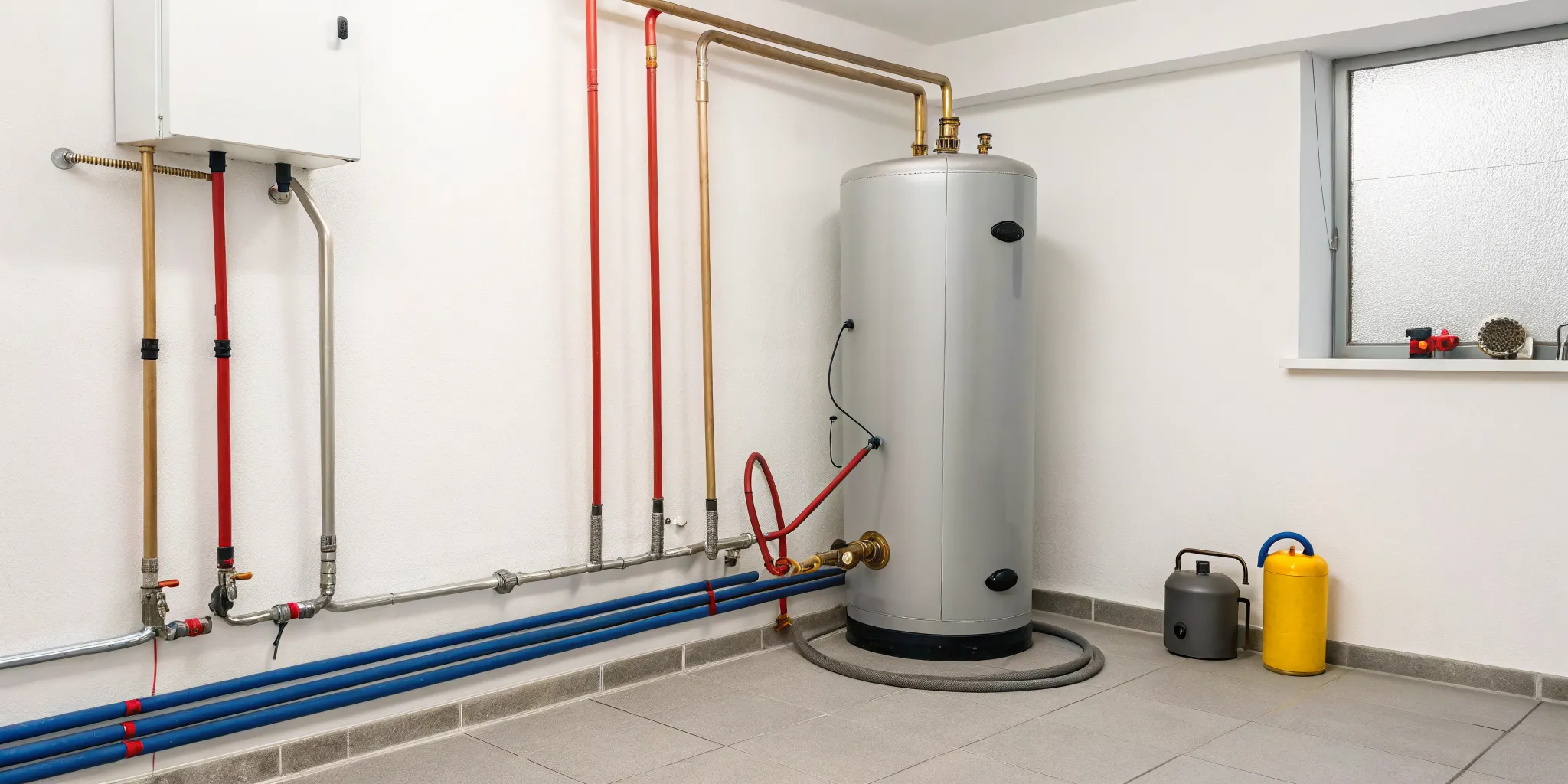
The rumbling, inefficient water heater in your basement is a relic of the past. Technology has transformed how we heat our water, offering solutions that are smarter, smaller, and far more energy-efficient. From tankless models that provide an endless supply of hot water on demand to hybrid units that pull heat from the surrounding air, you have more choices than ever before. A water heater replacement is no longer just about replacing an old appliance; it’s an opportunity to upgrade your home’s comfort and reduce your energy consumption. We’ll explore the latest innovations and help you decide which modern system is the perfect fit for your lifestyle and budget.
Key Takeaways
- Look beyond the sticker price: A high-efficiency water heater may have a higher upfront cost, but its lower monthly operating expenses can make it a more economical choice over the life of the unit.
- Choose the right size and fuel type: Select a water heater that matches your family’s daily hot water needs and is compatible with your home’s existing gas or electric connections to ensure reliable performance and avoid expensive modifications.
- Prioritize professional installation: The performance and longevity of your new water heater depend on a correct installation. Hiring a qualified professional protects your investment, ensures your system operates safely, and keeps your warranty intact.
What Are My Water Heater Options?
Choosing a new water heater can feel overwhelming, but it really comes down to understanding your household’s needs and your long-term goals. Are you looking for a simple, budget-friendly replacement, or are you interested in a more energy-efficient model that will lower your utility bills over time? The right choice depends on factors like your family size, how much hot water you use, and your budget. It's a significant investment in your home's comfort, so it pays to know what's available.
The technology behind water heaters has come a long way. You're no longer limited to the big, rumbling tank in the basement. Today, you can find units that heat water instantly, pull heat from the air, or even use the power of the sun. Each approach offers a different balance of upfront cost, long-term operating expense, and performance. To help you make an informed choice, we'll walk through the four main types of water heaters on the market. We'll break down how they work, who they're best for, and what you can expect from each one. This will give you a clear picture of your options and help you find the perfect fit for your home.
Conventional Storage Water Heaters
This is the type of water heater most of us are familiar with. As the U.S. Department of Energy explains when selecting a new water heater, "Conventional storage water heaters have a tank that holds hot water. They work well for everyday use but can run out of hot water if many people use it at once." These units keep a reservoir of water hot and ready for when you need it. Their main advantage is a lower upfront cost and straightforward installation. The downside is that they constantly use energy to keep the stored water heated (called standby heat loss), and a busy morning of showers could leave the last person with a cold surprise.
Tankless Water Heaters
If you’re tired of running out of hot water, a tankless model might be the perfect fit. "Tankless (demand-type) water heaters heat water only when you need it, so they don't have a tank. If you get the right size, you won't run out of hot water," according to energy experts. Because they only heat water on demand, they are highly efficient and can significantly reduce your monthly energy costs. They also take up much less space than a bulky tank. The initial investment is higher, but for many families, the endless supply of hot water and long-term energy efficiency make it a worthwhile upgrade. Our team at Cooley's offers professional installation for these modern systems.
Heat Pump (Hybrid) Water Heaters
Think of a heat pump water heater as a refrigerator working in reverse. Instead of pushing heat out, it pulls heat from the surrounding air and transfers it to the water inside the tank. This process is incredibly efficient. "Heat pump water heaters move heat from one place to another instead of making it. This makes them very energy efficient and can save you a lot of money," notes the Department of Energy. While the upfront cost is higher than a conventional unit, their efficiency can cut your water heating costs by more than half. They do require some clearance for airflow, making them ideal for a garage or basement.
Solar Water Heaters
For homeowners looking to maximize their home's efficiency and use renewable energy, a solar water heater is an excellent choice. These systems use the abundant Colorado sunshine to do the heavy lifting. As the Department of Energy points out, "Solar water heaters use the sun's energy to heat water, which also helps save money on energy bills," and it’s a great way to reduce your carbon footprint. A solar collector on your roof absorbs the sun's thermal energy, which then heats the water in your tank. The initial cost is the highest of all the options, and you’ll likely need a backup system for cloudy days, but it offers the lowest operating cost over its lifespan.
What Determines the Cost of a New Water Heater?
Figuring out the budget for a new water heater involves more than just the price of the unit itself. Several key factors influence the final cost of the installation. Understanding these variables will help you see exactly what you’re paying for and ensure you get a fair price for a high-quality, professional installation. From the type of heater you choose to the specific needs of your home’s plumbing, each element plays a part in the total investment.
Unit Type and Size
The biggest factor in your total cost is the water heater itself. A conventional storage tank heater is typically the most affordable option upfront, while tankless and heat pump (hybrid) models have a higher initial price. The size of the unit also matters. For storage tanks, this is measured in gallons; for tankless models, it’s the flow rate. It’s important to find the right balance. A unit that’s too small will leave you with cold showers, while an oversized one will increase your utility bills. Properly selecting a new water heater for your family’s needs is the first step toward a smart purchase.
Installation Complexity
A straightforward replacement, where you swap an old unit for a similar new one in the same spot, is the simplest and most affordable installation. However, the cost can go up if the job is more complex. For example, switching from a conventional tank to a tankless model often requires rerouting plumbing lines and upgrading your ventilation system. Changing fuel sources, like from gas to an electric heat pump, adds another layer of work, as it may require a dedicated electrical circuit. These kinds of changes add to the labor time and material costs of your water heater replacement.
Necessary Plumbing Modifications
Sometimes, a new water heater installation requires bringing your home’s plumbing up to current safety codes. This is especially common in older homes. Your technician might find that you need a new thermal expansion tank, updated shut-off valves, or improved venting to ensure your system runs safely and efficiently. These modifications aren't optional upsells; they are essential for a compliant and safe installation. A professional plumber can identify what your system needs to meet modern standards, ensuring your family’s safety and protecting your home. Our team is equipped to handle all necessary plumbing services for a complete installation.
Local Labor Costs
The cost of labor is another significant part of your final bill, and it varies depending on where you live. Rates for skilled plumbers on the Western Slope will differ from those in a large metropolitan area. While it might be tempting to find the cheapest option, quality installation is critical for the performance and longevity of your new water heater. Hiring an experienced, licensed, and insured professional protects your investment and gives you peace of mind. For an accurate estimate based on our local rates, it’s always best to get a direct quote for our professional services.
How to Choose the Right Water Heater Brand
Walking down the aisle of a big-box store or browsing online, you’ll see dozens of water heater brands. It can feel overwhelming, but the truth is, you don’t need to research every single one. Over time, a few brands have consistently proven their worth through solid performance, durability, and smart design. The key isn't just picking a good brand; it's about pairing that quality unit with a professional installation. A top-of-the-line water heater won't perform well if it's installed incorrectly.
That’s why we focus on brands that not only have a great track record but are also trusted by professionals. When you combine a reliable brand with expert HVAC solutions, you get a water heater that delivers consistent hot water, runs efficiently, and lasts for years. Think of the brand as the starting point and the installation as the finish line. You need both to win. Below, we’ll walk you through the brands we trust and frequently recommend to homeowners right here on the Western Slope, based on years of hands-on experience.
Our Expert Recommendations
With over 20 years of experience in homes and businesses across Colorado, we’ve seen which water heaters hold up and which ones cause headaches. Our recommendations aren’t based on lab tests or marketing hype; they’re based on real-world performance. We look for brands that are built to last, are straightforward to service, and provide excellent value. When we suggest a brand, it’s because we’re confident it will serve your family well. We stand behind our work, so we only install equipment we can trust. Let’s take a closer look at three of the best in the business: Rheem, A.O. Smith, and Bradford White.
Rheem Water Heaters
Rheem has built a solid reputation as one of the most dependable and service-friendly brands on the market. They are true workhorses, designed to perform well day in and day out. With proper installation and routine maintenance, most Rheem heaters can be expected to last between 10 and 15 years. While the majority of customer feedback is positive, highlighting their efficiency and reliability, it's always wise to discuss specific models with a professional. We can help you select a Rheem unit that is perfectly matched to your home’s needs, ensuring you get the performance the brand is known for.
A.O. Smith Water Heaters
A.O. Smith is a brand that’s often associated with quality and innovation. They are known for incorporating advanced technology into their products, offering a wide range of options from high-efficiency tankless models to hybrid heat pump water heaters. If you’re looking for a unit that prioritizes energy efficiency to help manage your utility bills, A.O. Smith is an excellent choice. Their commitment to engineering durable and forward-thinking water heaters has made them a popular and trusted name among homeowners who want the latest features and reliable performance.
Bradford White Water Heaters
Bradford White is a brand you won’t find at your local home improvement store, and that’s by design. They are sold exclusively through plumbing and HVAC professionals because the company believes that a professional installation is critical to the unit's performance and longevity. This focus on quality control makes them a favorite among technicians. Bradford White water heaters are known for their durability and robust construction, delivering reliable hot water for years. Choosing this brand means you’re not just getting a great product; you’re also ensuring it’s installed correctly from the start.
Key Energy Efficiency Features to Look For
When you're shopping for a new water heater, the price tag is just one part of the story. The real cost of a water heater includes what you pay for it month after month on your utility bills. That’s where energy efficiency comes in. A more efficient unit does the same job using less energy, which is better for your wallet and the environment. Understanding a few key ratings will help you compare models and choose a water heater that works best for your home’s needs and your budget. Think of it as looking under the hood before you buy. Two of the most important indicators to check are the Energy Star label and the Uniform Energy Factor (UEF) rating.
What Are Energy Star Ratings?
You’ve probably seen the little blue Energy Star label on appliances like refrigerators or washing machines. This same label is a helpful guide for water heaters. When a product earns this certification, it means it meets strict energy efficiency guidelines set by the U.S. Environmental Protection Agency. It’s a quick, reliable way to identify models that are designed to use less energy than standard units. Choosing an Energy Star certified water heater is a straightforward step toward reducing your home's overall energy consumption without sacrificing performance or comfort. It’s a seal of approval that makes comparison shopping a little bit easier.
What is the Uniform Energy Factor (UEF)?
The Uniform Energy Factor, or UEF, is a specific rating that tells you how efficient a water heater is. Think of it like the MPG rating for a car. The higher the UEF number, the more efficiently the water heater converts energy into hot water. This rating is super helpful because it considers a typical day of water use, making it a realistic measure of performance. When you're comparing different models, looking at the UEF gives you a direct way to see which one will give you more hot water for every dollar you spend on energy. You can find more details on the science behind it on the Department of Energy's water heating page.
How Efficiency Impacts Your Utility Bills
Choosing a water heater with a high UEF and an Energy Star certification can make a noticeable difference in your monthly energy expenses. While a high-efficiency model might have a higher initial purchase price, it’s an investment that pays off over time. By using less gas or electricity to heat your water day in and day out, the unit effectively lowers its own operating cost. Over the 10- to 15-year lifespan of a typical water heater, the accumulated reduction in energy use can more than make up for the higher upfront cost. When you select a new water heater, you're also choosing the utility bills that come with it for years to come.
Is It Time to Replace Your Water Heater?
Deciding when to replace your water heater can feel like a guessing game. Do you wait until you’re stuck with a cold shower, or is there a better way to plan? The good news is your water heater usually gives you clues that it’s nearing the end of its life. Paying attention to these signs helps you act before a small issue becomes a major, messy emergency. Let’s walk through what to look for so you can make a confident decision.
Signs of Age and Performance Decline
The first thing to consider is your water heater’s age. Most conventional tank models have a lifespan of about 8 to 12 years. If yours is in that range or older, it’s time to start thinking about a replacement, even if it hasn't failed yet. An older unit is not just at a higher risk of leaking; it's also far less efficient than modern ones. You might notice it takes longer to heat water or that you run out of hot water faster than you used to. These are clear signs the unit is struggling to keep up with your household’s needs and is likely costing you more on your energy bills.
Warning Signs You Shouldn't Ignore
Beyond its age, your water heater will often show physical signs of trouble. Keep an eye out for rusty or discolored hot water, which suggests the inside of the tank is corroding. Listen for loud popping or banging noises, which are usually caused by a buildup of sediment at the bottom of the tank. This layer of mineral deposits forces the unit to work harder to heat the water, leading to damage over time. The most urgent red flag is any water pooling around the base of the unit. A leak, no matter how small, is a sign of impending failure and requires immediate attention.
Repair or Replace: Making the Call
So, how do you decide between a repair and a full replacement? If your water heater is only a few years old and has a minor, fixable issue, a repair might be the right call. However, if the unit is approaching the end of its typical lifespan or the repair cost is high, investing that money in a new, more efficient model is a smarter long-term choice. A leaking tank, for example, almost always means a replacement is necessary. A professional can help you weigh the options and ensure the job is done safely. A new water heater installation is a quick process for an expert, often taking just a couple of hours to complete.
What to Know About Financing and Warranties
A new water heater is a significant investment in your home’s comfort, but the price tag doesn’t have to be a barrier. Understanding your options for financing, warranties, and maintenance can make the entire process feel much more manageable. These tools are designed to protect your purchase and give you peace of mind, ensuring you get the most value out of your new unit for years to come. By exploring these aspects before you buy, you can make a confident decision that fits your budget and protects your home.
Available Financing Plans
If you’re facing an unexpected replacement, financing can make a new water heater much more affordable. Many professional HVAC and plumbing companies offer flexible payment plans that spread the cost over time, so you don’t have to handle it all at once. These plans often feature manageable monthly payments, allowing you to get the reliable hot water you need without disrupting your budget. When you get an in-home estimate, always ask about the available financing options. A good provider will walk you through the process and help you find a solution that works for you. You can contact our team to discuss the different plans we offer.
What Your Warranty Actually Covers
It’s easy to assume a warranty covers everything, but the details really matter. Most new water heaters come with two types of coverage: a manufacturer’s warranty for parts and an installer’s warranty for labor. The manufacturer’s warranty typically covers the cost of replacement parts if something fails within a certain period, but it usually doesn’t cover the labor costs to install them. That’s where the labor warranty from your installer comes in, which often covers service calls for the first year. Be sure to read the fine print on both to understand the length of coverage and any exclusions. Knowing these warranty details upfront helps you avoid surprise expenses down the road.
The Benefits of a Maintenance Plan
The best way to protect your new water heater is with regular, professional maintenance. A maintenance plan is like a check-up for your system, designed to keep it running efficiently and extend its lifespan. During a tune-up, a technician will inspect key components, like the anode rod, which prevents corrosion and is crucial for the tank’s health. They’ll also flush the tank to remove sediment buildup that can reduce efficiency and cause damage over time. Signing up for one of our maintenance plans ensures your water heater gets the consistent care it needs to perform at its best, helping you avoid premature replacements and unexpected breakdowns.
Common Replacement Mistakes to Avoid
Replacing your water heater is a significant home investment, and with so many options, it's easy to feel a little lost. The right choice can bring you years of reliable hot water and predictable energy bills, but a simple oversight can lead to daily frustrations and unexpected costs. To help you feel confident in your decision, let's walk through a few common slip-ups homeowners often make. Getting these key details right from the start ensures your new unit operates efficiently and safely for its entire lifespan. We'll cover why picking the perfect size is so critical, what you need to know about the physical installation requirements, and how to select the correct fuel source for your home's setup. Thinking through these points ahead of time will make the entire process smoother and help you get the best performance from your new water heater.
Choose the Right Size for Your Home
It’s tempting to just buy the same size unit you had before, but your family’s needs might have changed. A water heater that’s too small will leave you with cold showers, while one that’s too large will waste energy heating water you don’t use. To find the right fit, look at the Uniform Energy Factor (UEF) rating on the unit. This number helps you understand the water heater's efficiency and output. A professional plumber can help you calculate your household's peak hot water demand to ensure your new heater can keep up, whether it’s for a tankless model or a traditional storage tank.
Understand the Installation Requirements
Where your water heater goes is just as important as which one you buy. Every unit needs proper clearance for airflow and future maintenance. Installing it too close to a wall or other appliances can cause it to run inefficiently and make repairs a real headache down the road. Gas models also require specific ventilation to safely release exhaust fumes. Local building codes have strict rules about water heater installation to ensure safety and proper function. This is why having a licensed professional handle the job is so important; we know the requirements for a safe, compliant, and effective installation.
Select the Correct Fuel Type
Your home’s existing infrastructure is the biggest factor in determining your water heater’s fuel type. Most homes are set up for either natural gas, propane, or electricity. While it’s possible to switch, doing so often requires a major project, like running new gas lines or upgrading your electrical panel. The location of your water heater can also limit your options. For example, a gas unit needs a clear path for ventilation that might not be available in a small closet. It's best to understand what fuel source your home is equipped for and choose a compatible model to avoid unexpected and costly modifications during installation.
Related Articles
- The 7 Top HVAC Brands: An Expert's Guide
- Water Heater Repair Delta County | Restore Hot Water Fast | Cooleys
- Labor Cost to Install a Furnace: What to Expect
Frequently Asked Questions
How do I figure out the right size water heater for my family? Choosing the right size is about matching the unit's capacity to your household's peak demand for hot water. For a traditional tank, we consider how many people live in your home and the number of bathrooms. For a tankless model, we calculate the flow rate needed to run multiple fixtures at once, like a shower and a dishwasher. A professional can assess your specific usage patterns to recommend a size that provides plenty of hot water without wasting energy.
Is a tankless water heater really worth the higher upfront cost? For many households, the answer is yes. While the initial investment is greater, a tankless water heater provides an endless supply of hot water and operates much more efficiently because it only heats water when you need it. Over the unit's long lifespan, the reduction in your monthly utility bills can offset the initial price. It's a great choice if you have a busy family and value both convenience and long-term energy efficiency.
How long does a typical water heater installation take? A straightforward replacement of a similar unit usually takes just a few hours from start to finish. If the job is more complex, such as switching from a tank to a tankless model or changing fuel sources, it may take longer due to the need for new plumbing, venting, or electrical work. We can give you a precise time estimate when we assess your home's specific setup.
Why is professional installation so important? Can't I just do it myself? A water heater connects to your home's plumbing, electrical or gas lines, and ventilation systems, making proper installation critical for safety and performance. A professional ensures all connections are secure, the unit is vented correctly to prevent carbon monoxide risks, and everything is up to local building codes. An incorrect installation can lead to leaks, poor efficiency, a voided warranty, or even dangerous situations.
How often does my new water heater need maintenance? We recommend having your water heater professionally inspected and serviced once a year. During a maintenance visit, a technician will flush sediment from the tank, check the anode rod for corrosion, and test safety features. This simple annual check-up keeps your unit running efficiently, helps prevent unexpected breakdowns, and can significantly extend its lifespan.