.png)





.png)

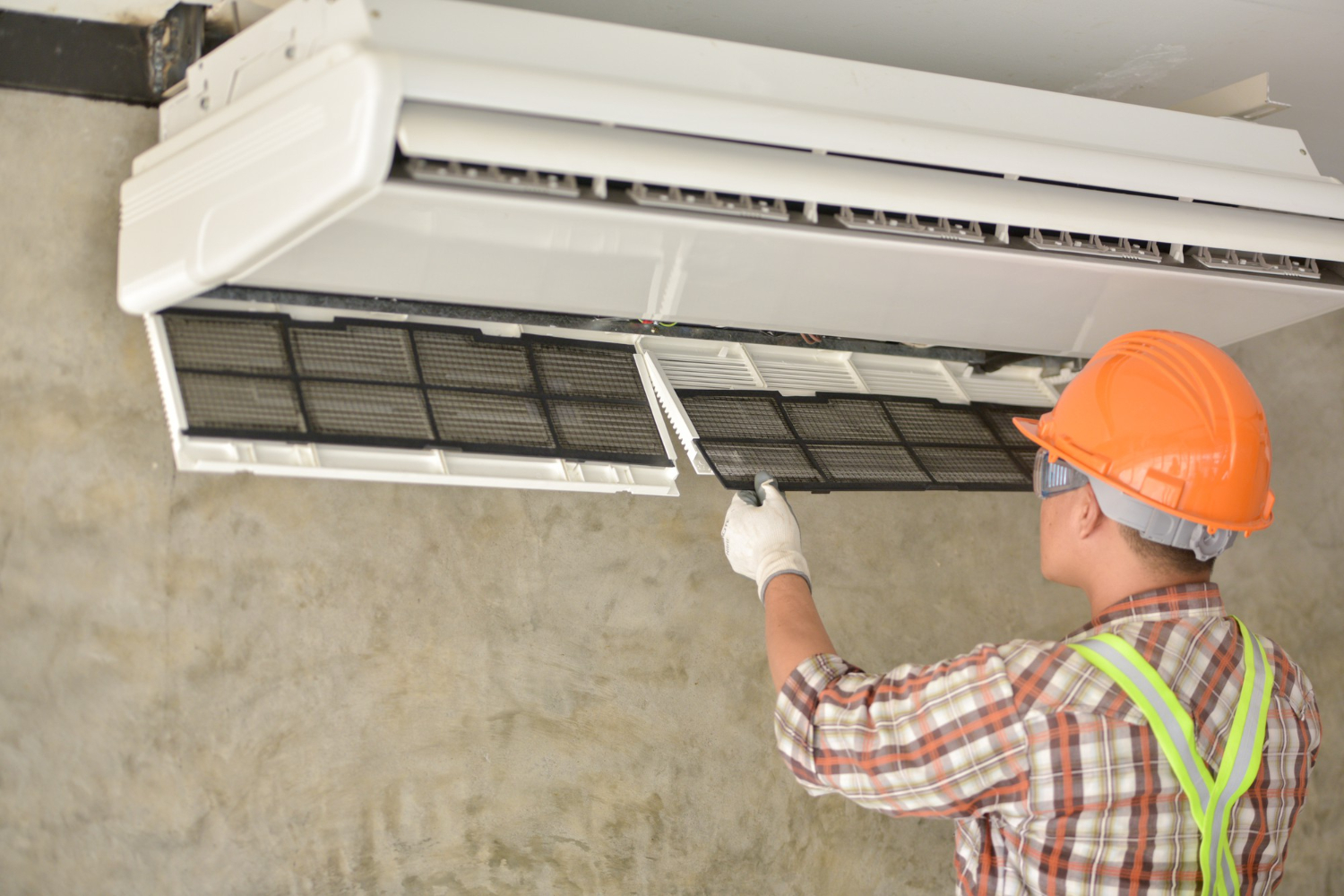

Your air conditioner is trying to tell you something. That stubborn gap between your set temperature and the actual room temperature is a clear signal. When your ac set to 68 but reads 75, it’s not a random fluke; it’s a clue that something in the system is off. Is it a simple case of a blocked vent, or something more complex like a refrigerant leak? Think of this guide as your detective’s manual. We’ll investigate the most common culprits behind this cooling mystery, helping you decode the signs and figure out the next steps.
Key Takeaways
- Check the Basics First: Before assuming a major failure, check for simple fixes. A dirty air filter, incorrect thermostat settings, or blocked vents are common culprits you can address yourself in just a few minutes.
- Your Thermostat's Location Matters: A thermostat getting hit by direct sunlight or placed near a heat source will get false readings. This causes your AC to run poorly and struggle to cool your home evenly, so ensure it's in a central, neutral spot.
- Recognize Serious Red Flags: Some issues require an expert. Constant running with no cooling, recurring ice on the coils, or hissing sounds indicating a refrigerant leak are clear signs it's time to call a professional for a diagnosis.
Why Is My AC Set to 68°F But Reads 75°F?
It’s one of the most frustrating feelings on a hot summer day: you set your air conditioner to a cool 68 degrees, but the thermostat stubbornly reads 75°F. You’re not just imagining things, and that seven-degree gap is more than a minor annoyance. It’s your home’s way of telling you that something isn’t quite right with your cooling system. Before you start cranking the temperature down even lower (which likely won’t help), let’s figure out what’s really going on.
Understanding the Temperature Discrepancy
First, let's be clear: seeing a seven-degree difference between your set temperature and the actual room temperature is not normal. Your thermostat is designed to have a small "temperature swing," usually just two or three degrees. This means it allows the room to warm up slightly before kicking the AC back on to avoid constant cycling. However, when the gap is as large as seven degrees, it points to an underlying problem. It could be something simple, like a dirty air filter or a thermostat placed in a sunny spot. Other times, it’s a sign that your HVAC system needs a little professional attention to get back on track.
What's a Normal Temperature Difference?
So, what is a normal difference? On a scorching Western Slope afternoon, your AC will work hard, and it might struggle to maintain the exact temperature you’ve set. A difference of a degree or two is usually nothing to worry about. However, if your system consistently stays three or more degrees above your setting, or if it can't cool your home below 80 degrees on a hot day, it's a red flag. This indicates your AC is losing its cooling power or efficiency. Addressing these small gaps early with regular maintenance can prevent them from turning into bigger, more expensive problems when you need your AC the most.
Common Reasons Your AC Can't Keep Up
When your AC struggles to hit the temperature you’ve set, it’s trying to tell you something is wrong. It’s frustrating to feel warm and sticky inside your own home, especially when you know the air conditioner is running. The good news is that the cause is often a simple issue you can identify and fix on your own. From a dirty filter to a blocked vent, a few quick checks can sometimes make all the difference.
However, some problems are more complex and point to a deeper issue within your HVAC system. Things like refrigerant leaks or an aging unit require a professional eye. Let's walk through the most common reasons your AC can't keep up, starting with the easiest fixes. Understanding these potential culprits will help you know whether to grab a new filter or your phone to call for professional HVAC services. Either way, you’ll be one step closer to a cool, comfortable home.
Dirty or Clogged Air Filters
Your first and easiest check should always be the air filter. Think of it as the lungs of your HVAC system. If the filter is clogged with dust, pet dander, and other debris, your AC unit can't "breathe" properly. This restricted airflow forces the system to work much harder to pull in air, significantly reducing its cooling power and efficiency. A dirty filter can be the sole reason your home feels 10 degrees warmer than the thermostat setting. Check your filter once a month and replace it as needed, typically every 1-3 months, to keep air moving freely.
Blocked or Closed Vents
Here’s another simple fix that’s easy to overlook. If the cool air can't get into your rooms, your AC’s hard work is all for nothing. Take a quick walk through your house and check that all your supply vents are open and uncovered. It’s common for furniture, rugs, or even curtains to accidentally block them, trapping the cold air. Ensuring every vent has a clear path allows for proper air circulation, helping your system cool your home evenly and efficiently. It’s a small step that can make a big impact on your overall comfort.
Poor Thermostat Placement
Your thermostat is the brain of your AC system, but it can be easily fooled. If it’s located in a bad spot, it won’t get an accurate read of your home's actual temperature. For example, a thermostat placed in direct sunlight, near a hot lamp, or next to a heat-generating appliance like a TV will think the room is hotter than it is, causing the AC to run longer than necessary. Conversely, if it’s too close to a supply vent, it might shut off too soon. This misreading is a common cause for a temperature discrepancy.
Refrigerant Leaks
Refrigerant is the lifeblood of your air conditioner; it’s the chemical compound that absorbs heat from your home and releases it outside. If your system develops a leak, it won't have enough refrigerant to cool the air effectively. Signs of a leak include a hissing sound near your unit, ice forming on the refrigerant lines, or an AC that runs constantly but only blows lukewarm air. Since handling refrigerant requires special certification and tools, this is a job for the pros. If you suspect a leak, it’s important to schedule a professional repair right away.
Frozen Evaporator Coils
Seeing ice on your indoor AC unit might seem counterintuitive, but it’s a clear sign of trouble. The evaporator coil is the part inside your home that gets cold and cools the air blown over it. When something disrupts the system, like poor airflow from a dirty filter or low refrigerant levels, the coil can get too cold and freeze over. This layer of ice acts as an insulator, preventing the coil from absorbing heat and cooling your home. If you see ice, turn your AC off to let it thaw completely, and then call a technician to diagnose the underlying cause.
An Aging or Undersized AC System
Sometimes, the problem is the AC unit itself. Air conditioners have a finite lifespan, typically 15-20 years. As they age, they become less efficient and struggle to keep up, especially during the peak heat of a Colorado summer. It’s also possible the unit was never the right size for your home to begin with. An undersized AC will run constantly without ever reaching the target temperature. If your system is getting old or has always had trouble cooling your space, it might be time to consider a new, high-efficiency installation that’s properly sized for your home.
How Thermostat Placement Affects Temperature Readings
Think of your thermostat as the brain of your HVAC system. It reads the temperature in your home and tells your air conditioner when to turn on and off. If its location gives it a skewed sense of reality, it can’t do its job correctly. This is often why your home feels warm even when the AC is running. A thermostat placed in a poor spot will get a false reading, causing it to either run constantly or shut off too soon. Let’s walk through the common placement problems that might be throwing your system off.
Nearby Heat Sources and Direct Sunlight
Is your thermostat basking in a sunbeam for a few hours every afternoon? Or is it located right next to a heat-generating lamp or television? These nearby heat sources can trick your thermostat into thinking the room is much warmer than it actually is. When this happens, it will signal your AC to run nonstop in a futile attempt to cool down an isolated hot spot. This not only makes other parts of your home feel like an icebox but also drives up your energy bills. The ideal spot is away from any direct sunlight and appliances that give off heat.
Drafts, Vents, and Exterior Walls
Just as heat can fool your thermostat, so can a cold draft. Placing a thermostat directly across from or below an air vent is a common mistake. The sensor gets hit with a direct blast of cold air and thinks the room has cooled down, shutting the system off before the rest of the space has reached the set temperature. The same issue can happen if the thermostat is near a drafty door or window. It’s also best to avoid placing it on an exterior wall, which can be warmer or cooler than the indoor air, leading to inaccurate readings all day long.
Dust on the Sensor
Sometimes the problem isn’t the thermostat’s location, but what’s on the inside. Over time, dust and debris can settle on the internal sensors. This layer of grime acts like a tiny blanket, insulating the sensor and preventing it from getting an accurate reading of the room’s air temperature. The fix can be simple: carefully remove the thermostat’s cover and gently clean the inside with a soft brush or a can of compressed air. This small bit of maintenance can make a surprising difference in its performance and help your system run more accurately.
Finding the Best Spot for Your Thermostat
So, where should your thermostat live? The best location is on an interior wall in a central, high-traffic area of your home, like a hallway or living room. This allows it to read the average temperature of your living space. It should be mounted about five feet from the floor, away from the issues we’ve discussed: direct sun, drafts, doorways, and heat sources. If you suspect your thermostat is in a bad spot, moving it can make a world of difference. Since this involves wiring, it’s a job best left to a professional to ensure it’s done safely and correctly. Our HVAC solutions team can help you find the perfect location and get your system running efficiently.
A DIY Checklist for When Your AC Isn't Cooling
When your AC can’t keep up with the Colorado summer heat, it’s easy to assume the worst. But before you schedule a service call, there are several simple troubleshooting steps you can take on your own. More often than not, the problem is a minor one that you can fix in just a few minutes. This checklist will guide you through the most common culprits, from simple setting errors to basic maintenance tasks. Working through these steps can help you restore your cool air quickly. Even if you do end up needing a professional, you’ll have a much better idea of what’s going on with your system.
Step 1: Check Your Thermostat Settings
This might sound obvious, but it’s the first place you should always look. It’s surprisingly easy for settings to get changed by accident. Make sure your thermostat is set to "Cool" and not "Fan" or "Heat." The "Fan" setting will only circulate the air that’s already in your home, which won’t do much to lower the temperature on a hot day. Also, confirm that the set temperature is lower than the current room temperature. If you have it set to 68°F and the room is already at that temperature, your AC won’t turn on.
Step 2: Test Your Thermostat's Accuracy
If your settings are correct, the next step is to see if your thermostat is reading the room temperature accurately. You can easily test this by placing a simple room thermometer next to your thermostat on the wall. Leave it there for about 15 minutes to get a stable reading. If the temperature on the room thermometer is more than a few degrees different from what your thermostat displays, the sensor may be miscalibrated or failing. This can cause your AC to shut off prematurely, long before the room has reached your desired temperature.
Step 3: Clean or Replace Your Air Filter
A dirty air filter is one of the most frequent causes of cooling problems. Your AC system needs a steady supply of air to function, and a filter clogged with dust, pet dander, and other particles severely restricts that airflow. This forces your system to work much harder to cool your home, reducing its efficiency and putting a strain on its components. Pull out your filter and hold it up to a light. If you can't see the light through it, it's definitely time for a replacement. Most filters should be changed every 1-3 months.
Step 4: Inspect and Open All Vents
Your air conditioner could be working perfectly, but if the cool air has nowhere to go, you won’t feel it. Take a walk through your home and do a quick visual inspection of all the air vents. Make sure they are open and that nothing is blocking them, like furniture, drapes, or rugs. It might seem logical to close vents in rooms you don’t use, but this can throw off the air pressure balance in your ductwork. This actually reduces your system's overall efficiency and can cause problems down the line. For best results, keep all your vents open and clear.
Step 5: Check the Circuit Breaker
Your air conditioner is a two-part system, with an indoor unit and an outdoor unit, both of which need electricity. If your system isn't running at all, a tripped circuit breaker could be the reason. Go to your home's main electrical panel and find the breaker that controls your air conditioner (it’s often a double breaker labeled "AC" or "HVAC"). If the switch is in the middle or "off" position, you have a tripped breaker. To reset it, push it firmly to the "off" position and then back to "on." If it trips again immediately, leave it off and call for professional service, as this indicates a more serious electrical issue.
Step 6: Clear Debris from the Outdoor Unit
The outdoor component of your AC, called the condenser, gets rid of the heat it pulls from your home. It can't do this job effectively if it's surrounded by dirt and debris. Head outside and take a look at the unit. Clear away any leaves, grass clippings, weeds, or branches that have accumulated on or around it. It’s a good practice to maintain at least two feet of clear space on all sides. If the metal fins look caked with dirt, you can gently rinse them with a garden hose. Just be sure to shut off the power to the unit at the breaker box before you start spraying.
Step 7: Look for Ice on the Indoor Unit
Finding ice on your air conditioner is a clear sign that something is wrong. It may seem strange, but ice buildup is a symptom of a system that isn't cooling efficiently. It’s typically caused by poor airflow (like a clogged filter) or a low refrigerant level, which could mean you have a leak. Check the indoor evaporator coil, which is usually located inside the furnace or air handler cabinet. If you see a layer of frost or solid ice, it’s a problem. A frozen coil can’t transfer heat, which is why your home isn’t getting cool.
Step 8: Clean the Thermostat Sensor
Over time, dust and grime can build up inside your thermostat's casing and coat the temperature sensor. This layer of dust acts as an insulator, preventing the sensor from getting an accurate reading of the room's air temperature. To clean it, you can usually remove the thermostat's cover (it often just snaps off). Once it's open, use a small, soft brush or a can of compressed air to gently clean away any dust you see on the internal components. This simple cleaning can sometimes restore your thermostat's accuracy and get your system running correctly again.
When to Call an HVAC Professional
While the DIY checklist can solve many common AC issues, some problems are signs of a bigger issue that requires an expert touch. Trying to fix these yourself can often lead to more damage or even safety hazards. If you’ve worked through the checklist and are still sweating, or if you notice any of the following signs, it’s time to put down the tools and call a qualified HVAC technician.
The AC Runs Constantly but Doesn't Cool
If your air conditioner seems to be running a marathon without ever crossing the finish line, it’s a major red flag. When the system runs constantly but the temperature in your home doesn't drop, it points to a significant problem. This could be anything from a refrigerant leak to a failing compressor or a serious ductwork issue. Letting it run like this not only racks up your energy bill but also puts extreme strain on the system, potentially leading to a complete breakdown. An HVAC professional can diagnose the root cause and prevent a minor issue from becoming a costly replacement.
The Temperature Gap Is Large and Consistent
It’s normal for your thermostat reading to be a degree or two off from your set temperature as the AC cycles. However, if there’s a consistent and large gap, say you set it to 68°F but it never drops below 75°F, your system is struggling. A healthy AC should be able to reach and maintain the temperature you set. A persistent difference of more than a few degrees indicates that your unit can’t keep up with the cooling demand. This could be due to low refrigerant, a dirty evaporator coil, or an aging system that’s simply lost its power.
You Suspect a Refrigerant Leak
Refrigerant is the lifeblood of your air conditioner, and a leak is a serious problem. Signs of a leak include hissing or bubbling sounds near the unit, ice forming on the copper refrigerant lines, or a system that blows warm air. Refrigerant, often known by the brand name Freon, is a chemical that requires certified handling. Topping it off isn't a solution; the leak must be found and repaired by a licensed technician. If you suspect a leak, it’s best to turn off your AC and call for professional service right away to prevent further damage.
Frozen Coils Keep Coming Back
Finding your evaporator coils covered in ice is always a sign of trouble. While you can turn off the system and let it thaw, the key question is: why did it freeze in the first place? Freezing is usually caused by poor airflow (like a very dirty filter) or low refrigerant. If you’ve already changed your filter and the coils freeze again, it’s not a problem that will fix itself. A technician needs to inspect the system to find the underlying cause, whether it’s a refrigerant leak or a blockage deep within the system, to stop the cycle for good.
You Hear Strange Noises or Smell Odd Odors
Your air conditioner should operate with a gentle hum, not a symphony of strange sounds. Grinding, squealing, or clanking noises often indicate a mechanical problem, like a failing motor or a loose part, that could cause significant damage if ignored. Similarly, odd smells are a cause for concern. A burning smell could signal an electrical issue, while a musty odor might mean there’s mold or mildew growing in your ductwork or unit. Don’t ignore these sensory warnings; turn the system off and have it inspected.
Water Is Leaking from the Indoor Unit
The only place you should see water is from the outdoor unit’s condensation drain line. If you see water pooling around your indoor air handler, you likely have a problem. This is often caused by a clogged condensate drain line, which is supposed to carry moisture safely outside. When it gets blocked with algae, dirt, or debris, the water backs up and overflows. This can lead to serious water damage to your floors, walls, and ceilings, and create a perfect environment for mold growth. An expert can quickly and safely clear the blockage.
Keep Your AC Running Smoothly All Summer
Why Regular Maintenance Matters
Think of regular AC maintenance like a check-up for your car; it’s the best way to keep things running reliably. If it’s been a couple of years since your system was last inspected, it’s a good idea to have it looked at. This proactive step allows a technician to spot and fix small issues before they turn into major, costly breakdowns on the hottest day of the year. If you notice your AC is struggling to keep up and it’s not an unusually hot day, that’s a clear signal it needs professional attention. A technician can diagnose the underlying problem and get your system back on track. A well-maintained unit not only cools more effectively but also operates more efficiently, which helps manage your energy bills and extend the life of your system.
Schedule a Tune-Up with Cooley's Heating, Cooling & Plumbing
If you’ve worked through the DIY checklist and your AC still isn’t cooling your home to the set temperature, it’s time to call in a professional. When you’re not sure about complex issues like wiring or whether your system is the right size for your home, it’s always best to get an expert opinion. By scheduling a professional tune-up, you can have one of our qualified technicians perform a thorough inspection. We’ll clean critical components, check refrigerant levels, and make sure everything is working correctly to prevent future issues. This gives you peace of mind knowing your system is ready to handle the Western Slope summer heat, keeping your home comfortable all season long.
Related Articles
- What Is Included in an AC Tune-Up? Explained
- Heat Pump Not Cooling & Unit Not Running? What to Check
- Where Is AC Evaporator Coil Located? 3 Easy Steps
- AC Repair Delta County | Fast & Reliable Cooling Repair | Cooleys
Frequently Asked Questions
My AC is blowing air, but it doesn't feel cold. What's the problem? When your AC circulates room-temperature air instead of cold air, it usually means something is preventing the cooling process. The most common culprits are a refrigerant leak, which robs the system of its ability to remove heat, or a frozen evaporator coil inside the unit. A frozen coil can block airflow and stop the cooling transfer. Both of these issues require a professional technician to properly diagnose and fix the underlying cause.
Will setting my thermostat to a super low temperature cool my house down faster? It’s a tempting strategy, but it doesn't work that way. Your air conditioner cools at a steady, single pace, so setting it to 60 degrees won't cool your home any faster than setting it to 72. All this does is make your system run much longer to reach that very low temperature, which wastes energy and puts extra strain on the equipment. It's always best to set the thermostat to the actual temperature you find comfortable.
I've tried the simple DIY fixes, but my house still won't cool down. What should I do now? If you've already replaced the air filter, confirmed your thermostat settings are correct, and checked that all your vents are open, you've done your part. When the simple solutions don't work, it's a clear sign that the problem is more complex and likely internal to the AC unit itself. This is the perfect time to call a professional, as continuing to run a struggling system can cause more significant damage.
How do I know if my AC unit is just old or if it's the wrong size for my home? An undersized unit has likely struggled to cool your home from day one, running almost constantly on hot days without ever quite reaching the set temperature. An aging system, however, is one that used to work well but has gradually lost its cooling power over the years. If your unit is over 15 years old and you're noticing higher energy bills and less effective cooling, its age is probably the main issue.
Is it really necessary to have my AC professionally maintained every year? Yes, it's one of the best things you can do for your system. Annual maintenance is preventative care that allows a technician to clean critical components and catch small issues, like a worn part or a minor clog, before they cause a major breakdown. A well-maintained unit runs more efficiently, which helps manage your energy bills, and it can significantly extend the lifespan of your air conditioner, saving you from a premature replacement.