.png)





.png)

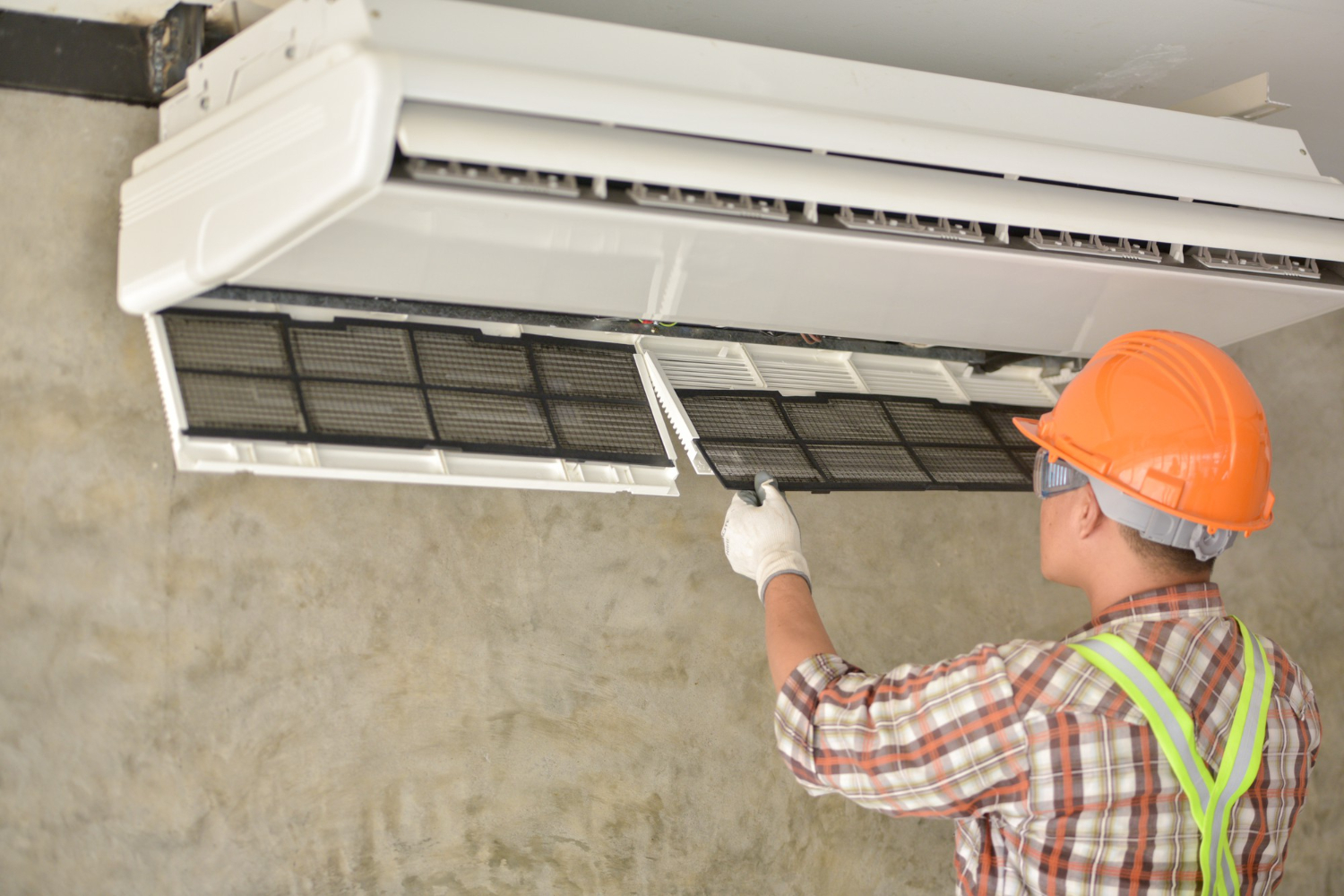
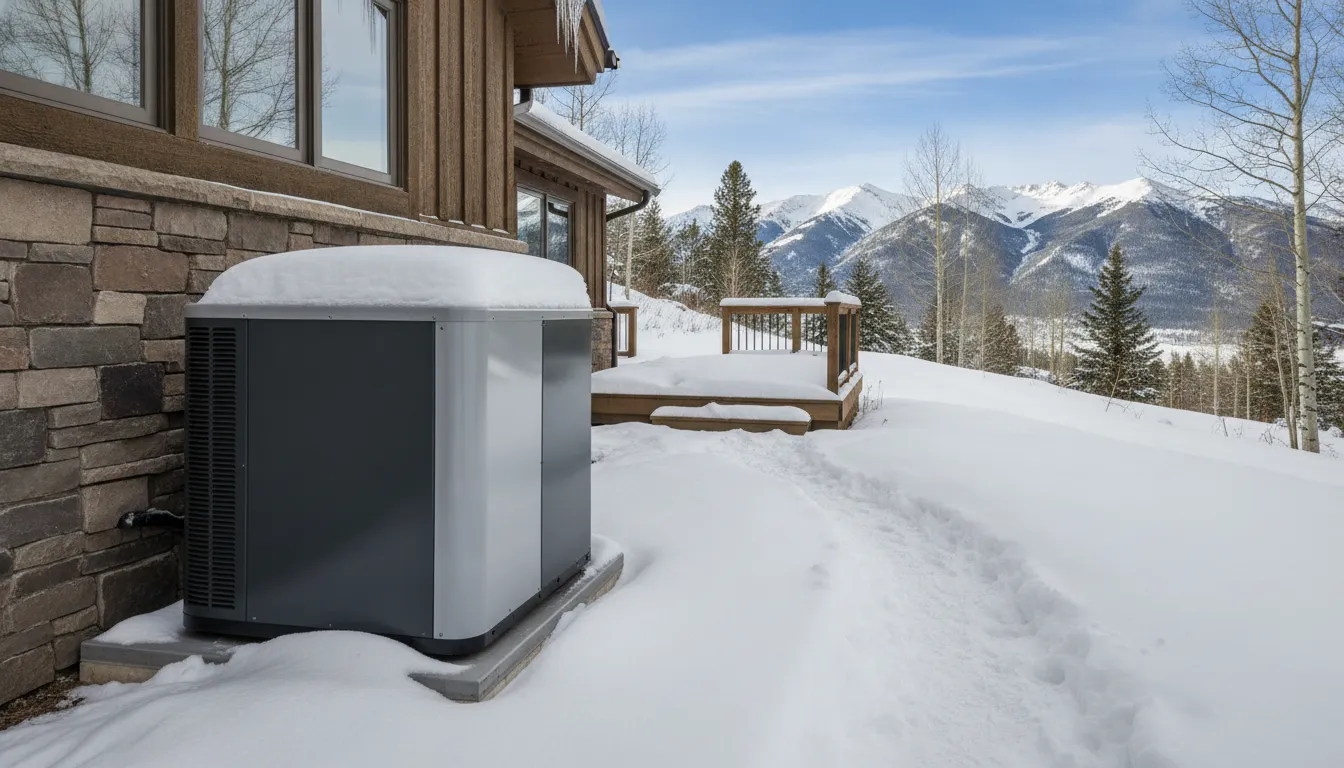
A cold climate heat pump is a special system built to work well in very low temperatures. These units use smart compressors that adjust their speed to match the heating needs of a home during the winter. Unlike older models that fail in the cold, these modern systems keep homes warm even when it is 5 degrees Fahrenheit outside. According to the U.S. Department of Energy, these units are now built to handle the hard winter months without using too much power. They provide a clean way to stay cozy while cutting energy costs and avoiding the need for fuels like propane. This makes them a great choice for Western Colorado families who want steady heat.
What is a cold climate heat pump?
A cold climate heat pump is a system built to warm your home when it is very cold outside. Most old heat pumps lose their power when it gets below freezing. They often need a backup heat source like a furnace to keep up. But a cold climate model is different. It can pull heat from the air even when it is 5 degrees Fahrenheit or lower. This makes it a great choice for folks on the Western Slope who want high-efficiency heating and cooling options.
These systems work by moving heat instead of making it. Even in the dead of winter, there is still some heat in the air outside. The heat pump grabs that heat and brings it inside. Because they are so good at this, they can help lower your power bills. The U.S. Department of Energy notes that these units are built to work well in cold zones. They help homes stay warm while using less energy than old electric heaters.
How the inverter motor works
The secret to this tool is the inverter motor. Most old units only have two modes: on and off. They blast hot air at full power and then shut down. This uses a lot of power and can leave cold spots in your house. An inverter-driven system is much smarter. It can speed up or slow down to match the exact heat your home needs. It is like a car that can drive at any speed rather than just stop or go.
This motor keeps the unit running at a steady pace. It does not have to restart as often, which saves wear and tear. It also keeps the heat in your home more even. You won't feel a big gust of hot air and then a chill. Instead, you get a soft, steady flow of warm air. This is one reason why many people choose ductless mini split heat pumps for their homes.
Managing ice and frost
When it is cold and wet, ice can build up on the outside part of the pump. This ice can block the air and stop the system from working. Standard units might take a long time to melt this ice. Cold climate pumps have smart ways to fix this. They use a defrost cycle that clears the ice fast. This keeps the unit clear so it can keep your home cozy all night long.
These units also use special fluids and parts that do not freeze up. This allows them to stay in top shape during a Colorado winter. They are tough, reliable, and built for the high peaks and cold valleys of our area. If you want a system that won't quit when the snow starts to fall, this is the one to pick.
How does a cold climate heat pump perform in Western Colorado?
Homeowners on the Western Slope often ask if electric heating can handle our winter nights. In places like Hotchkiss and Delta County, temps can drop fast once the sun sets. A modern cold climate heat pump is built for these exact needs. These systems use smart tools to pull heat from the air even when it is very cold outside. This helps your home stay warm without using too much power.
Steady heat in freezing weather
Most standard units lose strength as the air gets colder. But a cold climate system is different. These units are made to work well at 5 degrees Fahrenheit and below. They do this by using a motor with many speeds. This part lets the system change how fast it runs to match what your home needs. It does not just turn on and off. Instead, it runs at the right level to keep your rooms at a steady heat. You can also troubleshoot your heat pump performance if you ever feel the air is not warm enough.
Efficiency when it counts
Heating costs are a big deal for people in our rural towns. An inverter-driven heat pump can save money because it does not waste power. When it is only a bit cold outside, the unit runs slow. When a deep freeze hits, it speeds up to keep you warm. This smart use of power makes these units a top choice for high-efficiency heating and cooling options in our area. These systems also run much quieter than old models because the motor does not clatter each time it starts up.
Managing frost and snow
Our winters bring snow and ice that can build up on an outdoor unit. A good system has a built-in plan to handle this. It will run a quick cycle to melt ice off the coils. This keeps the air moving so the unit can do its job. To get the best results, a pro must pick the right size for your home. This ensures the unit can handle the coldest days without having to use a backup heater too often. If you have questions about how these units fit your home, give Cooley's a call at (970) 778-8326.
How to tell whether your home is a good fit
Most homes on the Western Slope can use a cold climate heat pump. These modern systems work well in our local air. But you must check a few things first. Your home needs to be ready for the new tech to work at its best. We help local owners find high-efficiency heating and cooling options to save on fuel costs.
Home insulation check
The first step is to look at your walls and attic. A cold climate heat pump moves heat instead of making it. This means your home needs to hold onto that heat well. Check for gaps around windows and doors. Seal any leaks with caulk or foam. Good sealing helps the system keep you warm even when it is 5 degrees Fahrenheit or lower outside.
Modern units use inverter-driven tech to match your home's need for heat. This helps keep your rooms at a steady feel. If your home leaks too much air, the unit will work harder. This can lower your energy savings. Proper sealing ensures you get the full gain from this smart tech.
Power and site needs
You also need to think about your electrical panel. These systems run on power, so your home must have the right service. Most newer homes are ready. But older homes may need an upgrade to handle the load. We can help you find out if your panel is large enough for a new install.
Next, look at where the unit will sit. The outdoor unit needs a clear space. It should stay away from areas where snow falls off the roof. You also want it to be easy to reach for service. Our team of dual-certified experts can help you pick the best spot. We make sure your unit stays safe and runs quiet all year long.
Air flow and ductwork
Your home's ductwork is also vital. The air needs to move freely through every room. If your vents are too small, the system will not work as well. If you do not have ducts, you can look at ductless mini split heat pumps. These units mount on the wall and do not need any vents at all.
- Get a load check. An expert uses industry-standard tools to find your home's heat needs. This step is the only way to pick the right size.
- Review your ducts. Your current vents must be the right size for the new air flow. Small vents can cause noise and lower your comfort.
- Check the power panel. Ensure your home has enough power for the outdoor unit. You may need a 200-amp service for some larger homes.
- Find a clear outdoor spot. Place the unit where it has good air flow. It needs to be on a stand to stay above the snow line in our winter.
- Seal air leaks. Use foam or caulk to close gaps in your walls and attic. This keeps the warm air inside and helps the system run less often.
- Talk to a local expert. An expert install is key to reaching the rated performance of your new system. We know the Western Slope climate and what your home needs.
Every home is unique, so we treat each job with care. We HEAR, UNDERSTAND, AND APPRECIATE our customers. This is why we offer a Triple Guarantee on all our work. If you have questions about your home's fit, give us a call at (970) 778-8326. We are happy to walk you through the steps to a more cozy and efficient home.
All-electric, dual-fuel, and backup heat options
A cold climate heat pump can be configured in more than one way. The right arrangement depends on the home's heating load, existing equipment, electrical capacity, comfort expectations, and the outdoor conditions the system must handle. A professional assessment is the best way to compare options using model-specific performance data rather than a broad rule of thumb.
| Configuration | How it works | What to evaluate |
|---|---|---|
| All-electric heat pump | The heat pump supplies the home's primary heating and cooling, with appropriately designed supplemental electric heat if needed. | Cold-weather capacity, electrical service, controls, ductwork, and the home's design heating load. |
| Dual-fuel or hybrid | A heat pump handles heating during many conditions, while an existing or new furnace takes over according to the control strategy. | Fuel availability, equipment compatibility, controls, changeover settings, and long-term maintenance needs. |
| Heat pump with separate backup | The heat pump remains the primary system while another approved heat source is available for unusual conditions or outages. | How backup heat is activated, whether it can cover the required load, and how the household will operate it safely. |
Why the balance point matters
As outdoor temperature falls, a home's heating demand generally rises while heat-pump capacity and efficiency can change. The temperature at which the system needs help depends on both the building and the selected equipment. That is why a contractor should review the home's load calculation alongside the manufacturer's capacity data at relevant outdoor temperatures.
Do not treat backup heat as a shortcut for poor sizing
Backup heat can be a useful part of a thoughtful design, but it should not replace careful equipment selection, duct evaluation, and commissioning. Ask the contractor to explain when supplemental or alternate heat is expected to operate. How the controls decide to use it, and what the experience will be during the coldest weather. Homeowners comparing broader upgrade choices can also review Cooley's guide to high-efficiency heating and cooling options before requesting a detailed quote.
What to evaluate before choosing a system
You need to know how much heat your home loses during the cold months. A good team will do the math to find the right size for your system. They use rules like Manual J to look at your windows, walls, and attic. This math is vital for a cold climate heat pump to work its best. If the system is too small, your home will stay cold on the worst days. If it is too big, it will waste power and feel damp because it cycles too fast. Pros use load checks to find the best fit for your home. This step saves you money and keeps you warm all winter.
Check cold weather work
Not all heat pumps work well in the snow. A unit's work in the deep cold is key for life on the Western Slope. You should check the ratings for the unit you want before you buy. Look for systems that use inverter tech. These units can change their speed to match what your home needs at any time. This helps them save power at 5 degrees Fahrenheit and even lower. It also makes them much quieter than old models that just turn on and off. Ask your pro to show you how the unit will handle the cold nights in Hotchkiss. Modern tech lets units keep their heat even when the air is cold.
Look at the full set up plan
A new system is a big change for your home. Ask your pro about the duct work and the electric panel. Some homes need more power to run a new unit than they have now. You should also ask about the high-efficiency heating and cooling options that fit your budget. Make sure the quote includes all parts like new controls and a plan for upkeep. A clear plan shows the team is ready to do the job right. Ask about how the crew will test the system once it is in place. This testing ensures the unit runs at its peak from day one.
Check the ducts and controls
Ducts that are too small or leak air will make the unit work harder. This raises your bills and can lead to more wear on the parts. Your pro should test for leaks and clogs before they put in the new pump. This helps you get the most out of your new system. Modern systems also use smart stats that can learn your habits. Some can even tell you when it is time to change a filter. Ask which stats work best with your unit and if you can use them from an app. This makes it easy to save power when you are away from home. At Cooley's, our crew handles both the heat and the pipes to give you a full fix. Regular care is key to keeping your unit in top shape for years.
How to get dependable winter performance
Modern cold climate heat pump units use variable speed parts to stay warm when it gets cold. These systems work well at 5 degrees Fahrenheit and below because they match their heat output to your home's needs. To get the best results in the North Fork Valley, you should keep your thermostat at one steady setting. This helps the unit run at a low, even speed to keep you cozy without big swings in heat.
Protect your outdoor unit
Your unit needs clear air flow to pull heat from the winter air. You should check the area near your heat pump often to clear away snow, ice, or fallen leaves. Keeping the space near the unit clear is key for long-term performance and good use of power. If you find heavy ice on the coils, do not try to chip it away with sharp tools. This can hurt the fins or lines and lead to high repair costs.
You may see your system stop for a few minutes and blow steam from the outdoor fan. This is a normal part of the cycle that keeps the unit from freezing up. But if you see thick ice that stays on the unit for hours, you might need to troubleshoot your heat pump performance with a pro. Our team at Cooley's can help you find the cause of any heating issues during the cold months.
Maintain your system for the cold
Clean filters are one of the best ways to keep your home warm. A dirty filter blocks air, which makes your heat pump work much harder than it needs to. You should check your filters once a month and change them if they look dusty or grey. This easy step keeps your air clean and helps ductless mini split heat pumps or central units run as they should.
Pro care is also vital for winter success. Regular checks from a tech ensure that every part of your system is clean and working right. If you want to know more about high-efficiency heating and cooling options, we can give you a custom quote for your home. You can reach real people at our Hotchkiss office by calling 970-778-8326 to book a visit from our team today.
Is a cold climate heat pump right for you?
Choosing a cold climate heat pump for your home depends on a few key points. These systems work well for many Western Slope homes, but they are not the best choice for every case. You should look at your current heater, your comfort needs, and how well your home keeps out the cold before you make a plan.
Check your home's insulation
A heat pump works best in a home that holds air in place. If your home has old windows or thin walls, the system has to run more to keep you warm. Before you buy, it helps to find and fix any air leaks. This makes sure your high-efficiency heating and cooling options can do their job. A tight home helps the unit last longer and use less power.
Look at your current fuel source
If you now use propane or wood, a heat pump can be a smart choice. These units use power to move heat rather than burn fuel to make it. Modern cold climate heat pump models stay strong even when it is 5 degrees Fahrenheit outside. For very cold nights, some people keep their old furnace as a back up. This setup gives you peace of mind when the frost is deep.
Get a professional assessment
The best way to know if this tech is right for you is to talk to a pro. A tech will check your home to find the right size unit for your space. This step is vital because a unit that is too small will not keep up, and one that is too large will turn on and off too much. You can troubleshoot your heat pump performance goals with a local expert. If you need help, you can call us at (970) 778-8326 to learn more about a plan for your home.
Frequently Asked Questions
How cold can a cold climate heat pump handle?
Modern cold climate heat pumps are built to work well in very cold weather. According to the U.S. Department of Energy, these systems can heat a home even when it is 5 degrees Fahrenheit or lower outside. They use advanced parts called inverters to keep the air warm and steady. This makes them a great choice for winter on the Western Slope.
Are heat pumps quiet when they are running?
Yes, newer heat pump systems are much quieter than older units. They use inverter technology to change their speed as needed. This allows the system to run for a long time at a lower, softer level instead of turning on and off with a loud bang. This process helps your home stay at a steady temperature without the noise of a traditional furnace or air conditioner.
Do I need a backup heater with a heat pump?
In very cold areas like Colorado, some homes keep a small backup heater for the coldest days. However, a well-sized system often handles the load on its own. It is vital to have a pro find the right size for your house. Professionals use special math to check your home's insulation and local weather. This ensures your heat pump provides enough warmth for your specific needs all winter long.
How do I know what size heat pump I need?
Finding the right size for your home is key to saving power. Local pros use a set of rules called the Manual J load calculation. This check looks at your windows, walls, and local climate to see how much heat you need. Getting the size right helps the system run at its best. You can call Cooley's Heating & Cooling at (970) 778-8326 to get a custom quote for your home.
Ready to upgrade your home heating results and save money?
Waiting until your current furnace fails during a cold snap could lead to long wait times and high urgent repair costs for your Western Slope home. You can avoid this stress and the risk of a cold home today. Acting now allows you to beat the yearly rush and help your family stay warm no matter how low the local temps drop this coming year.
Ready to request a quote? Call (970) 778-8326 to request a quote and book your system check today to help your home stay cozy and very warm. Our expert team is here to help you find the best unit for your exact needs so you can save money on your monthly power bills.