.png)





.png)

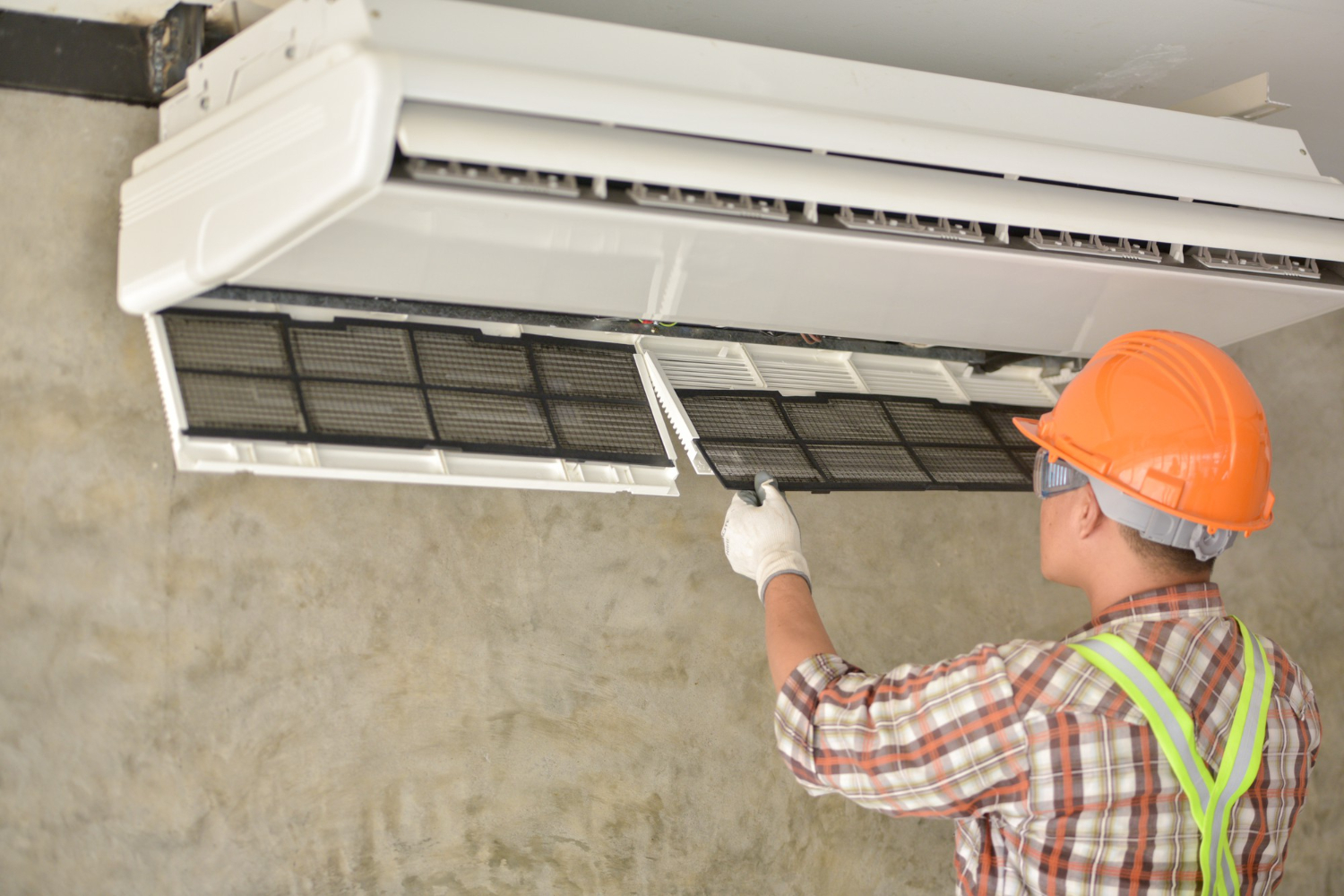

When you start researching online, you’ll find a lot of conflicting information about mini-split pricing. Some sources might suggest it’s a cheap DIY project, while others quote intimidatingly high numbers, leaving you confused about what to believe. We want to clear the air and provide a straightforward, realistic answer to the question: how much does a ductless mini split cost to install? In this guide, we’ll debunk common cost myths and explain what truly goes into a professional installation, empowering you to read estimates with confidence and make a smart, informed decision for your home.
Key Takeaways
- Your Final Cost is Unique to Your Home: A mini-split's price isn't one-size-fits-all; it's tailored to your specific needs. The final cost depends on the system's power, the number of rooms you want to condition, and the overall complexity of the installation job.
- Professional Installation is Non-Negotiable: Hiring a licensed and insured professional is essential for ensuring your system runs safely and efficiently. A quality installation protects your manufacturer's warranty and is the best way to make sure you get the performance you're paying for, so always ask for an itemized quote.
- Consider the Long-Term Value: While the initial investment can seem high, a ductless system's incredible energy efficiency often leads to lower monthly utility bills. For homes without existing ductwork, they are also a practical and cost-effective alternative to installing a traditional central air system from scratch.
What Exactly Is a Ductless Mini-Split?
If you’ve ever wished you could control the temperature in just one room without affecting the whole house, you’ve been dreaming of a ductless mini-split. These systems are a flexible and efficient way to heat and cool your home without needing a network of ducts hidden in your walls and ceilings. A mini-split has two main parts: an outdoor compressor unit and one or more indoor air-handling units. The indoor units are typically mounted high on a wall and are connected to the outdoor unit through a small conduit. This simple setup allows for targeted temperature control, making them a fantastic solution for everything from a single stuffy room to an entire home.
How Ductless Systems Work
A mini-split acts like a heat shuttle, moving heat from one place to another using a refrigerant line. During the summer, the indoor unit pulls heat and humidity from the air inside your room. The refrigerant then carries that heat to the outdoor unit, where it’s released. In the winter, the process reverses. The system can extract heat from the outside air (even on cold Colorado days) and transfer it inside to warm your space. Because you’re only heating or cooling the specific areas you’re using, you avoid the energy loss that can happen with traditional ducted systems. The U.S. Department of Energy provides a great overview of how ductless mini-split systems work in more detail.
Single-Zone vs. Multi-Zone: What's the Difference?
The main distinction between single-zone and multi-zone systems is how many indoor units they support. A single-zone system is a one-to-one setup, with one outdoor unit connected to one indoor unit. This is the perfect solution for conditioning a single space, like a new home addition, a converted garage, or a primary bedroom that’s always too hot or cold. A multi-zone system, on the other hand, connects one powerful outdoor unit to several indoor units. This allows you to create different temperature “zones” throughout your house, so you can keep the living room comfortable and the unused guest room off, all at the same time.
The Big Question: What Does a Ductless Mini-Split Cost?
Alright, let's talk numbers. When you’re considering a major home upgrade, the cost is always a top-of-mind question. The truth is, there isn't a single price tag for a ductless mini-split system. The final cost is a lot like buying a car; it depends on the model, the features you choose, and the specifics of your home. Think of it as a personalized investment in your comfort.
The total price includes the equipment itself (the outdoor and indoor units) and the professional installation. While it’s tempting to look for a simple answer, the cost varies widely based on whether you need to cool a single room or your entire house. We’ll break down the typical price ranges for both single-zone and multi-zone systems to give you a clearer picture of what to expect for your home here on the Western Slope.
A Look at Single-Zone Installation Costs
A single-zone system is the perfect solution for controlling the temperature in one specific area, like a new addition, a primary bedroom, or a garage workshop. This setup includes one outdoor condenser connected to one indoor air-handling unit. For a professional installation of a typical single-zone system, you can generally expect the cost to be between $2,000 and $6,000. The final price within this range depends on factors like the brand, the system's efficiency rating, and how complex the installation is. For example, running lines through a difficult wall will require more labor than a straightforward setup. These systems are a fantastic way to add targeted heating and cooling without needing to extend your existing ductwork.
Understanding Multi-Zone Installation Costs
If you want to bring zoned comfort to your whole home, a multi-zone system is the way to go. This involves one powerful outdoor unit connected to several indoor units (usually between two and five), allowing you to set different temperatures in different rooms. The cost for a multi-zone installation is typically priced per zone, often ranging from $2,000 to $7,000 for each indoor unit installed. The total investment will depend on how many zones you need and the size of the areas you want to condition. While the upfront cost is higher than a single-zone system, the ability to customize your comfort room by room can lead to incredible energy efficiency because you aren't paying to heat or cool rooms you aren’t using.
Key Factors That Affect Your Installation Cost
When you get a quote for a ductless mini-split, you'll notice the final price is more than just the cost of the unit itself. Several key factors come together to determine your total investment. Understanding these elements will help you read your estimate with confidence and see exactly where your money is going. Let's break down what influences the cost of a professional mini-split installation.
System Size and Power
The first thing to consider is the size and power of the system you need. A mini-split for a small home office won't require the same power as one for a large, open-concept living room. The cooling power of these systems is measured in BTUs (British Thermal Units), often grouped into "tons" (one ton equals 12,000 BTUs). The larger the space you need to heat or cool, the more powerful your system will need to be, which generally means a higher price tag for the unit. Getting this right is crucial; an undersized unit will struggle to keep you comfortable, while an oversized one can lead to inefficiency.
The Number of Zones You Need
Ductless systems are famous for their zoning capabilities. A "zone" is simply an area or room that has its own indoor unit and thermostat. You can opt for a single-zone system, which includes one outdoor unit connected to one indoor unit, perfect for a single room or addition. Or, you can choose a multi-zone system where one outdoor unit supports two to five indoor units. While a multi-zone setup costs more upfront than a single-zone one, it allows you to create customized comfort levels throughout your home, which can be a game-changer for families with different temperature preferences.
Style and Placement of Indoor Units
You have a few options for what the indoor units look like and where they go, and your choice will affect the final cost. The most common and typically most affordable option is a high-wall unit. These are the sleek, rectangular units you often see mounted near the ceiling. Other styles, like ceiling cassettes that sit flush with your ceiling or concealed-duct units that hide in the attic, require more intensive labor and materials to install. Because of the extra work involved, these less-visible options usually come with a higher installation price.
The Complexity of the Job
Not all installations are created equal. The complexity of your specific project plays a big role in the labor cost. For example, if the indoor unit is on the second floor and the outdoor condenser is on the ground on the opposite side of the house, the job gets more complicated. This setup requires longer lines of copper tubing and more time for the technicians to run them properly and discreetly. The longer the distance and the more obstacles in the way, the more you can expect the labor and material costs to increase.
Efficiency Ratings and Special Features
Mini-split systems come with various efficiency ratings and features that can influence the price. You'll see ratings like SEER2 (Seasonal Energy Efficiency Ratio 2) and HSPF2 (Heating Seasonal Performance Factor 2). Systems with higher energy efficiency ratings typically have a higher initial cost but can lead to significant reductions in your monthly utility bills over the life of the unit. Additional features like Wi-Fi connectivity, advanced filtration systems, or motion sensors also add to the upfront price but can greatly improve your comfort and convenience.
The Cost of Professional Installation
Finally, the cost of professional labor is a major part of your total investment. While it might be tempting to find the cheapest quote, quality installation is essential for the performance and longevity of your system. A typical professional installation can range from $2,000 to $7,000 per zone, depending on the factors we've already covered. This cost covers the expertise of licensed technicians who will ensure your system is installed safely, correctly, and according to manufacturer specifications. Investing in a quality HVAC installation from a trusted team protects your warranty and ensures your new system runs efficiently from day one.
Ductless vs. Traditional HVAC: A Cost Comparison
When you’re weighing your home comfort options, the conversation often comes down to ductless mini-splits versus traditional central HVAC systems. Both have their place, but understanding the cost differences, both upfront and over the long haul, is key to making the right choice for your home and budget. It’s not just about the price tag on day one; it’s about the total cost of ownership and what makes the most sense for your specific living situation here on the Western Slope.
Upfront Investment vs. Long-Term Value
Let's talk numbers. The initial cost to install a ductless mini-split system can feel higher than replacing a traditional unit if you already have ductwork. A professional mini-split installation typically ranges from about $2,000 to $10,500, depending on the system's size and complexity. While a new central AC unit might seem less expensive at first glance, the long-term value of a mini-split is where it truly shines. Ductless systems are incredibly efficient, which translates to lower monthly energy bills. Over the life of the system, these operational cost reductions can easily make up for a higher initial investment.
The Perfect Solution for Homes Without Ducts
Here’s where ductless systems really pull ahead. If your home doesn't have existing ductwork, installing a traditional central HVAC system is a massive and expensive project. It involves cutting into walls and ceilings to run the ducts, which is disruptive and adds significantly to the final bill. In this scenario, a mini-split is often the more affordable and practical choice. Because they don't require ducts, they are perfect for older homes, new home additions, or converted spaces like garages and basements. A ductless system offers a straightforward way to add powerful heating and cooling without needing a major renovation.
Are Mini-Splits a Good Fit for Colorado Homes?
Living on the Western Slope means dealing with a climate that keeps us on our toes. We get beautiful, hot summers and crisp, cold winters, and our homes need to handle it all. If you're looking for a flexible and efficient way to stay comfortable year-round, a ductless mini-split system is an excellent option to consider. They are particularly well-suited for the types of homes we have here, from historic houses in town to modern builds in the mountains.
Mini-splits, also known as ductless systems, offer a unique combination of powerful heating and cooling without the need for extensive ductwork. This makes them a practical solution for many Colorado homeowners. Let's look at a couple of the biggest reasons why these systems are gaining so much popularity across our communities, from Grand Junction to Montrose. They provide targeted comfort that can adapt to our changing seasons and unique home layouts, giving you more control over your indoor environment.
Handling Our Western Slope Weather
One of the biggest challenges in Colorado is finding a system that can efficiently heat and cool. Modern mini-splits are fantastic at both. They operate as high-efficiency heat pumps, moving heat inside during the winter and outside during the summer. This makes them an all-in-one solution for year-round comfort. For many older homes on the Western Slope that were built without ductwork, installing a traditional central air system can be an expensive and invasive project. Ductless mini-splits are often a better value because you avoid the high cost of installing a whole new network of ducts. They offer a streamlined way to add modern climate control to any space.
The Advantage of Room-by-Room Zoning
Have you ever wished you could just cool the living room without freezing the empty guest bedroom? That’s the magic of zoning. Mini-splits let you control the temperature in different rooms, or "zones," independently. Each indoor unit has its own thermostat, so you can set the upstairs to be cooler for sleeping while keeping the downstairs comfortable. This is a game-changer for reducing energy use, since you’re only heating or cooling the areas you’re actually using. It’s perfect for home offices, sunrooms that get extra warm, or finished basements. This targeted approach not only feels more comfortable but also makes mini-splits a very practical investment, especially when compared to the cost of installing central air from scratch.
Clearing Up Common Mini-Split Cost Myths
When you're researching a big home improvement project, it's easy to run into conflicting information, especially about cost. Mini-split systems are no exception. Let's clear the air and tackle some of the most common myths about the price of installing a ductless system. Understanding the truth behind these ideas will help you make a confident and informed decision for your home.
Myth: "It's an easy DIY project."
The internet is full of tutorials for just about everything, and mini-split installations are no different. While the idea of saving on labor costs is tempting, this is one project best left to the professionals. A proper installation involves handling refrigerant lines, complex electrical wiring, and ensuring the unit is perfectly sealed and calibrated for maximum efficiency. A mistake can lead to poor performance, higher energy bills, or even a damaged unit, which often voids the manufacturer's warranty. Hiring a professional installer ensures the job is done safely and correctly, giving you peace of mind and a system that runs as efficiently as it was designed to.
Myth: "The upfront cost isn't worth it."
Yes, the initial investment for a professionally installed ductless system, which can range from $2,000 to over $10,000, can feel like a lot. However, it's important to look beyond that initial number. Mini-splits are incredibly energy-efficient, which means you'll see a difference in your monthly utility bills. For homes without existing ductwork, installing a mini-split is often significantly more affordable than the massive project of retrofitting a central air system. Think of it as an investment in your home's long-term comfort and value. Plus, high-efficiency models may qualify for tax credits and rebates, further offsetting the initial price.
Myth: "Any installation quote will do."
When you start collecting quotes, you might be tempted to just pick the lowest number. This can be a costly mistake. A suspiciously low bid could signal an inexperienced installer, low-quality equipment, or hidden costs that will appear on the final bill. A trustworthy contractor will provide a detailed, itemized quote and be happy to explain exactly what is included. When you compare quotes, make sure you're comparing apples to apples. Does the price include the unit, all necessary materials, labor, and any required electrical work? Don't be afraid to ask questions to understand the full scope of the project before you sign anything.
How to Compare Installation Quotes Like a Pro
Getting a few different quotes is a smart first step, but comparing them can feel like you're looking at apples and oranges. A low price doesn't always mean the best value, especially when it comes to a major home system. To make sure you’re making a solid investment in your home's comfort, you need to know how to read between the lines of each proposal. Focusing on a few key details will help you choose a trusted partner for your project.
Insist on Itemized Estimates and Load Calculations
A vague quote is a red flag. You should always receive an itemized estimate that clearly breaks down all the costs. This includes the specific model numbers for the indoor and outdoor units, the price of the equipment, and the cost of labor and other materials like refrigerant lines. This transparency ensures you know exactly what you're paying for.
Equally important is a proper load calculation. This isn't a guess; it's a technical assessment that determines the precise heating and cooling power (measured in BTUs) your space needs. An installer who skips this step might recommend a system that’s too big or too small, leading to inefficiency and discomfort. A professional load calculation ensures your new mini-split is perfectly tailored to your home.
Verify Credentials, Licensing, and Insurance
Before you let a team start working in your home, it’s essential to do a quick background check on the company. A professional contractor will be able to readily provide proof of their state licensing and insurance, including both general liability and worker's compensation. Don't be shy about asking for this information.
This step is about protecting yourself. Proper licensing confirms the technicians have met state requirements for performing the work safely and correctly. Insurance protects you from any liability in the rare event of an accident or property damage during the installation. Working with a fully vetted company like Cooley's gives you peace of mind that you're in capable and responsible hands from start to finish.
Review Warranties and Maintenance Plans
The upfront installation cost is only one part of the equation. A great mini-split system is a long-term investment, so you’ll want to understand how it’s protected. Your quote should clearly outline the warranties included. Typically, there are two: a manufacturer's warranty that covers the equipment itself and a labor warranty from the installer that covers their workmanship.
Ask about the length of each warranty and what exactly is covered. Beyond the warranty, consider how you’ll care for your system long-term. Many installers offer preventative maintenance plans to keep your mini-split running at peak efficiency, which can prevent costly repairs down the road. A good contractor is interested in the performance of your system for years to come, not just on installation day.
Making a Smart Investment in Your Mini-Split System
Installing a new mini-split system is more than just a purchase; it's an investment in your home's comfort and efficiency. Like any smart investment, a little planning goes a long way. By focusing on a few key areas, you can make sure you're getting the best possible value not just on installation day, but for many years to come. It’s about looking beyond the initial price tag to see the bigger picture of long-term performance and reliability. Let's walk through how you can make a confident and informed decision.
Explore Available Tax Credits and Rebates
High-efficiency mini-splits are great for the planet and your wallet, and the government often agrees. Federal and state programs frequently offer incentives for homeowners who install energy-efficient systems. These can make a real dent in the upfront cost, making a top-tier system more accessible. It’s definitely worth spending a little time researching what’s available through resources like the ENERGY STAR rebate finder. A qualified installer can also help you identify which systems meet the requirements for these programs, so you don't miss out on potential financial perks.
Get the Right-Sized System from Day One
When it comes to HVAC, bigger isn't always better. Getting the right-sized mini-split is crucial for both comfort and efficiency. A system that's too large will cycle on and off frequently, wasting energy and failing to properly dehumidify your space. One that's too small will run constantly trying to keep up, leading to premature wear and tear. A professional installer will perform a proper load calculation to determine the exact size you need based on your home's layout, insulation, and window placement. This step ensures your system works perfectly from the start.
Ask About Maintenance Plan Options
Once your new system is installed, you'll want to keep it running in peak condition. Think of regular maintenance as preventative care for your HVAC. Before you sign on the dotted line, ask your installer about their maintenance plan options. A good plan helps you avoid unexpected repair bills and ensures your system operates as efficiently as possible, keeping your energy bills low. Understanding what’s included in our maintenance services can give you peace of mind and protect your investment for the long haul. It’s a simple way to ensure your mini-split delivers reliable comfort year after year.
Your Local Daikin Experts on the Western Slope
Choosing the right system is just the first step; finding the right team to install it is just as important. As the Western Slope’s exclusive Daikin dealer, we’re deeply familiar with what makes these systems a fantastic choice for Colorado homeowners. Ductless mini-splits are an excellent way to heat and cool your home without needing air ducts. This makes them a perfect fit for home additions, detached garages, or older homes that were built before central air was common. Instead of a major renovation to add ductwork, a mini-split offers a streamlined and efficient alternative.
Our team at Cooley's has over 20 years of experience providing professional HVAC services across Delta, Mesa, Montrose, and surrounding counties. We don’t just install equipment; we provide comprehensive solutions tailored to your home’s specific needs. From the initial consultation to the final walkthrough, our focus is on ensuring your new system performs perfectly from day one. We understand the unique challenges of our local climate and can help you determine if a Daikin ductless system is the right investment for your property, ensuring year-round comfort and performance you can count on.
The Daikin Difference: Efficiency and Reliability
When you invest in a new HVAC system, you want equipment that is built to last. That’s why we partner with Daikin, a brand known worldwide for its innovation, efficiency, and reliability. Daikin systems are engineered for quiet operation and exceptional performance, giving you precise temperature control without the noise of traditional units. While systems with higher energy efficiency ratings like SEER2 and HSPF2 can have a higher upfront cost, they often result in lower monthly energy bills over the life of the unit. This makes a high-quality system a smart choice for your home’s long-term comfort and value.
Why Partner with Cooley's for Your Installation
A great HVAC system is only as good as its installation. An improper setup can lead to poor performance and a shorter lifespan for your equipment, which is why you should always talk to a qualified professional to get an accurate assessment for your home. Our technicians are not just installers; they are career professionals dedicated to their craft. We take pride in our meticulous work, ensuring every connection is secure, every unit is placed for optimal airflow, and the entire system is calibrated to meet the manufacturer’s exact specifications.
When you’re ready to explore your options, it’s a good idea to get multiple quotes and compare them carefully. We encourage this because we’re confident in the value and transparency we provide. We’ll give you a detailed, itemized estimate that explains exactly what you’re paying for, from the equipment to the labor. As a company that is deeply invested in our community, our reputation is built on trust and quality workmanship. When you partner with Cooley’s, you’re choosing a team that stands behind its work and is committed to your complete satisfaction.
Related Articles
- Mini Split Cost for 1000 sq ft: A Full Breakdown
- Daikin Installation Manual R32 Split Series: A Guide
- Labor Cost to Install a Furnace: What to Expect
Frequently Asked Questions
Are mini-splits actually good for heating during a cold Colorado winter? Absolutely. Modern ductless systems, especially the high-efficiency heat pump models, are designed to work very well even on cold days. They are incredibly effective at extracting heat from the outside air and transferring it into your home to keep you warm. This makes them a fantastic all-in-one solution for handling both our hot summers and chilly winters on the Western Slope.
Why is professional installation so important if I can buy a kit online? While it might seem like a way to cut costs, installing a mini-split is a complex job that involves handling high-pressure refrigerant lines and electrical connections. A professional installation ensures the system is sized correctly for your space, installed safely, and calibrated for peak performance. An improper installation can lead to inefficiency, damage the unit, and almost always voids the manufacturer's warranty, so investing in a pro protects your new equipment from day one.
Will a ductless system really lower my energy bills? In many cases, yes. Ductless systems are highly efficient, so they use less energy to heat and cool your home compared to older, traditional systems. The biggest impact often comes from zoning. Since you can control the temperature in each room individually, you stop paying to heat or cool empty spaces. This targeted approach means you're only using energy where you need it, which can lead to a noticeable reduction in your monthly utility costs.
How do I know if I need a single-zone or multi-zone system? It really comes down to what you want to accomplish. If you have one specific area that needs climate control, like a home office, a new addition, or a primary bedroom that's always too hot, a single-zone system is the perfect fit. If you're looking to bring customized comfort to several rooms or your entire home, a multi-zone system is the way to go, as it allows you to create different temperature settings throughout the house.
What's the most important thing to look for in an installation quote? Beyond the final number, look for complete transparency. A trustworthy quote will be itemized, clearly listing the costs for the specific equipment, labor, and all materials. It should also be based on a proper load calculation for your home. Make sure the contractor can provide proof of their license and insurance. A detailed proposal shows that the company is professional and gives you the information you need to compare different offers fairly.