.png)




.png)


Your commercial heater communicates in its own language. A sudden bang, a persistent rattle, or a drafty corner are all ways it tells you something is wrong. Learning to interpret these signals is crucial for catching problems before they escalate into a full-blown crisis that shuts down your business. This article serves as your translator. We’ll break down the common sounds, smells, and performance issues that point to a need for commercial heating repair. Understanding these warnings allows you to act decisively, find a qualified technician, and get your system fixed before a minor issue becomes a major operational headache.
Key Takeaways
- Stay ahead of repairs with routine maintenance: Scheduling professional tune-ups and consistently changing filters is the best strategy to prevent sudden breakdowns, manage energy expenses, and get the most out of your equipment.
- Recognize the signs of a failing heater: Uneven heating, unusual noises, and unexplained increases in your energy bills are clear signals that your system needs a professional diagnosis before a minor issue becomes a major disruption.
- Partner with a qualified professional: When choosing an HVAC company, confirm they are licensed and insured, ask about their service guarantees, and check customer reviews to find a reliable partner you can trust for timely and effective repairs.
Is Your Commercial Heater Telling You It's Time for a Repair?
Your commercial heating system works hard to keep your employees and customers comfortable, but it can’t always tell you directly when something is wrong. Instead, it sends out subtle (and sometimes not-so-subtle) clues that it needs attention. Learning to spot these warning signs is key to catching minor issues before they escalate into major, business-disrupting problems. A complete system failure in the middle of a Colorado winter isn't just an inconvenience; it can shut down your operations entirely.
Paying attention to how your system performs, sounds, and affects your utility bills can save you from an emergency call. If you notice inconsistent temperatures, hear strange noises, or see a sudden jump in your energy costs, your heater is likely asking for help. Let's break down these common signs so you know exactly what to look for.
Uneven Heating or Cold Spots
One of the first signs of trouble is inconsistent heating. Are your employees constantly adjusting thermostats or complaining about drafty corners? Do customers seem to avoid certain tables or areas of your store? These cold spots are a clear indicator that your heating system isn't distributing air properly. This could be caused by anything from leaky ductwork and clogged filters to a struggling blower motor.
Ignoring these temperature fluctuations won't make them go away. In fact, the underlying problem will likely worsen, forcing your system to work harder and driving up your energy consumption. Addressing uneven heating not only restores comfort but also prevents more significant damage. A professional can diagnose the root cause and ensure your entire space is consistently warm.
Strange Noises and Unusual Smells
Your commercial heater should be a quiet workhorse, operating mostly in the background. If it suddenly starts making a racket, it’s time to listen closely. Loud banging, grinding, squealing, or rattling sounds often point to mechanical problems. A banging noise could mean an issue with the ignition, while squealing often signals a problem with a belt or motor bearing. These aren't sounds you should get used to; they're warnings of failing components.
Unusual smells are another serious red flag. A dusty, burning odor when you first turn the heat on for the season can be normal, but if it persists, it could indicate an electrical issue or an overheating motor. A musty smell might point to mold in your ductwork. Most importantly, if you ever detect a rotten egg smell, you could have a gas leak, which requires immediate action. Shut down your system and call a professional right away.
Higher Energy Bills and Poor Performance
Your monthly utility bill is a great tool for monitoring your HVAC system's health. If you notice a sudden and significant increase in your energy costs without a corresponding change in your usage, your heater is likely the culprit. This happens when the system loses efficiency and has to run longer or work harder to maintain the set temperature. It's a clear sign that a component is failing or the system is overdue for service.
This drop in performance can also show up in other ways. Maybe the heater runs constantly without ever reaching the target temperature, or perhaps it starts and stops frequently in a pattern known as short-cycling. These issues not only waste energy but also put excessive strain on the entire system. Investing in timely commercial HVAC service can restore efficiency, prevent a complete breakdown, and keep your operational costs in check.
Common Commercial Heaters and Their Typical Problems
Commercial heating systems are the unsung heroes of a comfortable business, but they aren't all built the same. Each type of heater has its own set of common quirks and potential problems. Understanding what kind of system you have is the first step in diagnosing an issue and knowing when to call for a professional repair. From gas furnaces to rooftop units, let's look at some of the most common commercial heaters and the typical issues they face. This knowledge can help you spot trouble early and keep your operations running smoothly through the coldest Colorado months.
Gas Furnaces and Boiler Systems
Gas furnaces and boilers are workhorses in many commercial buildings, known for their powerful heating capabilities. However, their reliability depends on several key components working in harmony. A pilot light that won't stay lit or a faulty thermostat can bring your heating to a halt, leaving your employees and customers in the cold. Another frequent culprit is a clogged filter, which restricts airflow and forces the system to work harder, driving up your energy bills and risking damage to the furnace itself. Regular professional maintenance can catch these small issues before they turn into a major, business-disrupting breakdown.
Heat Pumps and Rooftop Units
Heat pumps and rooftop units are popular for their all-in-one heating and cooling functions, making them a versatile choice for businesses. When problems arise, they often trace back to a few common areas. Refrigerant leaks can significantly reduce heating capacity, while electrical issues, like a worn-out capacitor, can prevent the unit from starting at all. One of the most significant issues is poor airflow, usually caused by dirty filters or blocked ducts. This not only creates uncomfortable cold spots but also puts a major strain on the system's components, leading to premature wear and more expensive repairs down the line.
Radiant Heating Systems
Radiant heating systems offer a unique kind of warmth, often from heated floors or panels that distribute heat evenly. While effective, they can develop specific problems. You might notice uneven heating, where some areas are toasty and others remain cold. This can be caused by air in the system's tubing or by a thermostat that isn't calibrated correctly. Leaks in the tubing are a more serious concern that requires immediate attention to prevent water damage. Consistent check-ups are the best way to ensure your radiant heating system operates efficiently and keeps every corner of your space comfortable.
What Goes Into a Commercial Heating Repair Quote?
When you get a quote for a commercial heating repair, it can feel like the number comes out of thin air. But there’s a lot of thought that goes into it. A professional quote is a careful calculation based on several key factors that determine the time, parts, and expertise needed to get your business warm and running again. Understanding these elements helps you see exactly what you’re paying for and why the costs can vary.
The main components that shape your repair quote are the specifics of your heating system, the nature of the problem, and how quickly you need the work done. Each piece of the puzzle plays a role in the final price, ensuring the quote accurately reflects the job at hand.
Your System's Type and Age
Not all heating systems are created equal, and the type of unit your business uses is a primary factor in your repair quote. A simple furnace in a small retail space has different needs than a complex boiler system heating a large office building or a modern rooftop unit with advanced controls. Some systems require specialized tools or knowledge to diagnose and repair, which influences the labor involved.
The age of your system also matters. Parts for older units can sometimes be harder to source, potentially increasing their cost and the time it takes to get them. On the other hand, a brand-new system might still be under warranty, which could affect the final price. A technician will assess your specific commercial HVAC system to determine the best approach for a lasting repair.
The Extent of Damage and Parts Needed
The specific problem with your heater is the biggest variable in any repair quote. A minor issue, like replacing a faulty thermostat or cleaning a clogged filter, is a relatively quick and inexpensive fix. However, a major component failure, such as a cracked heat exchanger or a malfunctioning blower motor, requires more intensive labor and more expensive parts.
As one industry expert notes, "The price of a service call can change a lot based on different things, like the type of repair and how the company charges." We always start with a thorough diagnosis to pinpoint the exact cause of the problem. This allows us to give you a clear breakdown of the necessary parts and labor, so you know precisely what the repair entails before we begin any work.
Emergency vs. Scheduled Service
Timing is everything, especially when your business’s heat goes out unexpectedly. A scheduled service call during regular business hours will almost always be more budget-friendly than an emergency call in the middle of the night or on a holiday weekend. Emergency services require our technicians to be available 24/7, and the premium rate reflects that immediate, after-hours response.
While emergency repairs can prevent costly downtime for your business, the best strategy is to avoid them altogether. Investing in a routine maintenance plan helps our technicians spot small issues before they become major problems that demand an urgent fix. Regular service not only keeps your system running efficiently but also gives you peace of mind, knowing you’ve taken steps to prevent a sudden shutdown.
How to Choose the Right Commercial HVAC Pro
When your commercial heater fails, the last thing you want is the added stress of finding a reliable technician. The right HVAC professional does more than just fix the problem; they become a trusted partner in keeping your business running smoothly. Making a smart choice means looking beyond a quick fix and focusing on a company's qualifications, responsiveness, and reputation. Taking a few extra steps to vet your options will protect your investment and ensure your employees and customers stay comfortable. Here’s what to focus on when making your decision.
Look for Licensing, Insurance, and Experience
First things first, check the credentials. A qualified commercial HVAC company must be fully licensed and insured. Licensing confirms they meet local and state requirements, while insurance protects your business from any liability if an accident happens on your property. Don't hesitate to ask for proof. Beyond the paperwork, consider their experience. A team that has been servicing commercial systems for years brings a level of expertise that newer companies can't match. They understand the complexities of different systems and have a proven history of solving problems efficiently. With our team's experience spanning over two decades, we've handled just about every heating issue a business can face.
Ask About Response Times and Guarantees
When your heat goes out, every minute of downtime can affect your operations. Before you commit to a company, ask about their typical response times, especially for emergency calls. You need a team that can get to you quickly and get your system back online. It’s also important to understand what kind of guarantees they offer. A confident and reputable contractor will stand behind their work with clear warranties on both parts and labor. This assurance means you won’t be left in the cold if the same issue pops up again, giving you peace of mind that the repair is done right the first time.
Check for Clear Pricing and Good Reviews
No business owner likes financial surprises. A trustworthy HVAC contractor will provide a clear, detailed estimate before any work begins, so you know exactly what you’re paying for. Vague quotes can hide unexpected charges, so look for transparency. Finally, take a moment to see what other local businesses are saying. Online reviews and testimonials are a great way to gauge a company’s reliability and customer service. Consistent positive feedback is a strong indicator that you’re choosing a partner who values quality work and customer satisfaction, which is central to our commercial HVAC solutions.
What Qualifies as a Heating Emergency?
Knowing when a heating problem is an inconvenience versus an emergency is key for any business owner. A heating failure isn't just about comfort; it can impact safety, operations, and your bottom line. An emergency is any situation that poses an immediate threat to people, property, or your ability to stay open for business. Some issues can wait for a scheduled appointment, but others demand an immediate call. Here are the three situations that absolutely qualify as a heating emergency.
Safety Risks Like Gas Leaks
Your team's and customers' safety always comes first, and some heating problems create serious hazards. The most critical is a suspected gas leak. If you or anyone in your building smells rotten eggs, that's a major red flag. This is an immediate "drop everything" situation. You need to evacuate the building right away, without turning any lights or electronics on or off. Once everyone is safely outside, call 911 and your gas company. After that, you'll need a certified HVAC professional to find and fix the source of the leak before it's safe to return. This isn't something to wait on.
A Complete System Shutdown
When your commercial heater stops working entirely, your business can come to a grinding halt, especially during a cold Colorado winter. A complete system shutdown isn't just an annoyance; it's an operational crisis. It can make your workspace unusable for employees and unwelcoming for customers, forcing you to close your doors. Every hour of downtime can mean lost revenue. This is a key moment where having a plan for business emergencies really matters. If your system has failed, call for emergency repair to get your business back up and running as quickly as possible.
When Cold Weather Halts Your Business
Even if your heater hasn't shut down completely, a system that can't keep up with freezing temperatures is a serious problem. When a cold snap hits the Western Slope, a failing heater can lead to dangerously cold indoor conditions. This not only impacts your team's morale and ability to work but also puts your property at risk. The biggest threat is frozen pipes, which can burst and cause extensive water damage. If your heater is struggling and the forecast shows dropping temperatures, treating it as an emergency can save you from a much bigger disaster.
How to Prevent Future Repairs with Maintenance
As a business owner, the last thing you need is an unexpected heating failure disrupting your operations, especially during a Colorado winter. The best way to handle commercial heating repairs is to prevent them from happening in the first place. Proactive maintenance isn't just another task on your to-do list; it's a strategic investment in your business's continuity and comfort. A well-cared-for system runs more efficiently, lasts longer, and is far less likely to break down at a critical moment.
Think of it like the regular upkeep you do for any other essential piece of equipment. By dedicating a little attention to your heater throughout the year, you can catch small issues before they escalate into costly emergencies. This approach keeps your employees productive, your customers comfortable, and your budget predictable. Setting up a regular maintenance schedule with a trusted professional ensures your system is always ready to perform when you need it most.
Change Filters and Clean the System Regularly
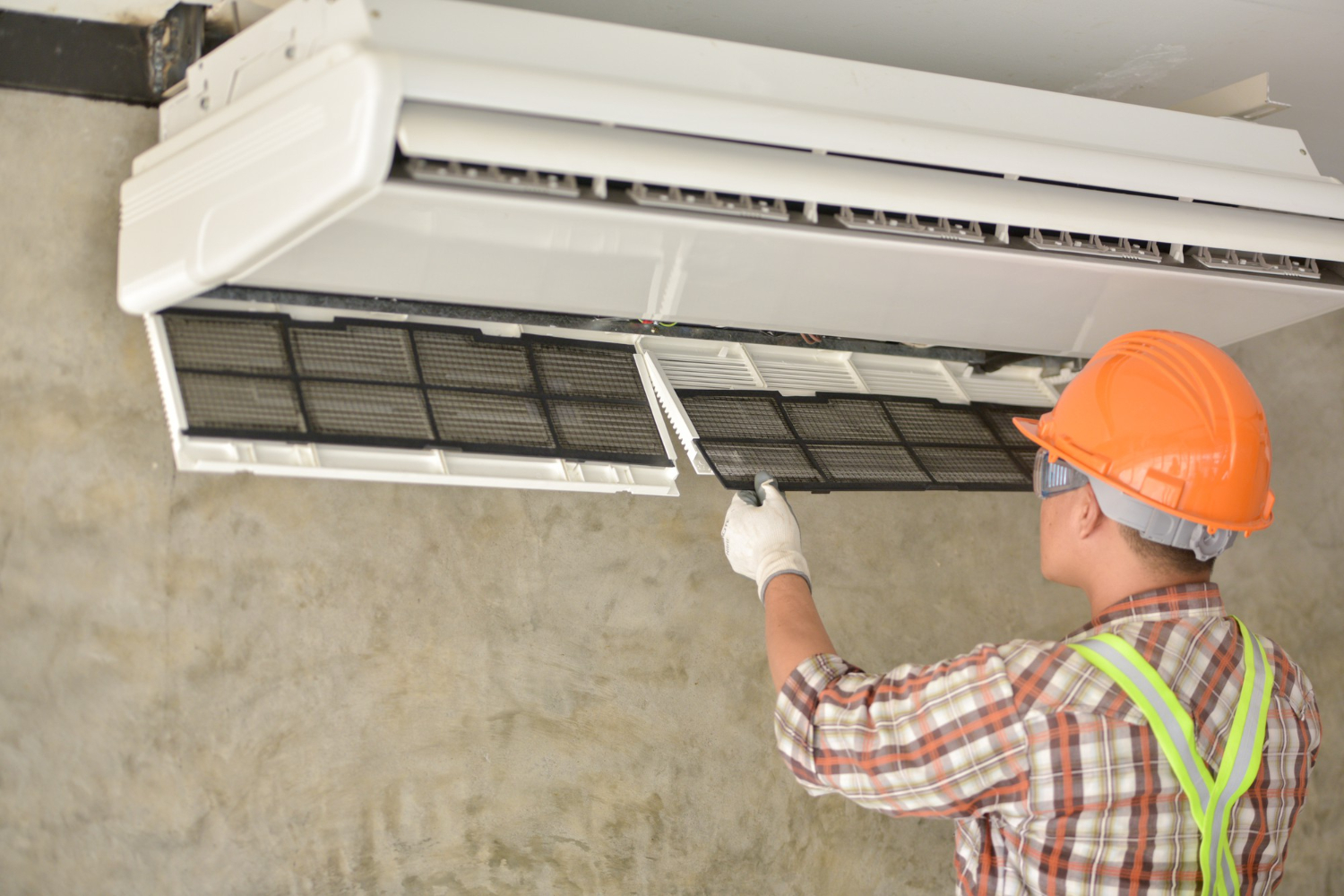
One of the simplest yet most effective maintenance tasks is regularly changing your system's air filters. A dirty or clogged filter is a common culprit behind heating problems. It restricts airflow, forcing your heater to work much harder to warm your space. This extra strain not only drives up your energy bills but also puts unnecessary wear and tear on critical components, leading to premature breakdowns.
Keeping the filters clean also significantly improves your building's indoor air quality, creating a healthier environment for everyone inside. Check your system’s manual for the recommended filter type and replacement schedule, and make it a routine task. A clean system is an efficient and reliable one.
Schedule Professional Inspections and Tune-Ups
While changing filters is a great start, some tasks are best left to the experts. Scheduling annual professional inspections is crucial for the long-term health of your commercial heating system. During a tune-up, a certified technician can identify and address minor issues that might otherwise go unnoticed, like frayed wires or small leaks. This proactive approach is key to preventing major, business-halting failures down the road.
A professional tune-up ensures your system is running at peak efficiency, which helps manage energy costs. Technicians will clean internal components, check safety controls, and make sure everything is in top working order. Consider it a yearly health check-up for one of your business’s most valuable assets.
Calibrate Thermostats and Lubricate Components
For your heating system to work correctly, all its parts need to communicate and move smoothly. That’s where calibration and lubrication come in. An improperly calibrated thermostat can lead to uneven heating, wasted energy, and uncomfortable temperature swings. During a maintenance visit, a technician can ensure your thermostat is reading the temperature accurately and signaling the heating unit correctly.
They will also lubricate moving parts, like motors and bearings, to reduce friction. This simple step prevents the grinding and strain that can lead to component failure. These small adjustments are part of a comprehensive HVAC tune-up and make a significant difference in your system's performance and lifespan.
What to Know About Repair Warranties and Guarantees
A heating repair is an investment in your business's comfort and continuity. Just like any other investment, you want to protect it. Understanding the warranties and guarantees that come with your repair work is key to managing future costs and ensuring you get the quality service you paid for. A reputable HVAC company will be transparent about what they cover, giving you confidence that the job is done right. It’s not just about fixing the immediate problem; it’s about securing a reliable heating solution for the long haul. When a technician leaves, you should feel certain that the repair will last and that you have a clear plan if something goes wrong. This is where a solid warranty makes all the difference. It separates a quick fix from a lasting solution and shows that a company stands behind its technicians and their work. For a business, this isn't just about convenience; it's about budget predictability and operational stability. An unexpected follow-up repair can disrupt your workflow and your finances. That's why it's so important to clarify the terms of any guarantee before the work begins. Let’s break down what you should look for in parts and labor coverage and how a service agreement can offer even greater peace of mind.
Parts and Labor Coverage
When you get a repair, it’s important to know exactly what’s covered. Most manufacturer warranties will cover the cost of replacement parts for a set period, but they often don't cover the technician's time to install them. This distinction between parts and labor coverage is critical. You could have a brand-new part ready to go, but you'd still be on the hook for the labor bill. Always ask your HVAC professional about their labor warranty. A trustworthy company stands by their work and will offer a guarantee on their repairs, ensuring you aren't left with unexpected expenses if an issue persists.
The Benefits of a Service Agreement
If you want to move from a reactive to a proactive approach, a service agreement is your best bet. Think of it as a comprehensive care plan for your heating system. These agreements often include extended warranties that cover both parts and labor, taking the guesswork out of repair costs. More importantly, they include the regular, professional maintenance your system needs to run efficiently and reliably. By signing up for one of our essential maintenance plans, you can prevent many common problems from happening in the first place, extend the life of your equipment, and keep your business running smoothly without interruption.
How to Prepare Your Business for a Service Call
When your commercial heater acts up, you want a fix, and you want it fast. A little prep work before your technician arrives can make a huge difference. Taking a few minutes to get organized helps our team diagnose the problem quickly and accurately, which means we can get your business back to comfortable temperatures without delay. Think of it as setting the stage for a successful repair. It ensures the service call is as efficient as possible, helping us pinpoint the exact solution you need. By following a couple of simple steps, you can help us get right to the heart of the issue.
Have Your System's History Ready
Before we arrive, take a moment to gather any information you have about your heating system. This includes maintenance records, notes on past repairs, and the system's make and model if you have it handy. It’s also helpful to jot down a timeline of the current problem. When did you first notice the issue? Does it happen at specific times of the day? This background information acts as a roadmap for our technicians, helping them understand your system's unique quirks and history. Having these details ready allows us to move past the initial discovery phase and get straight to finding a solution, ensuring our commercial HVAC services are as effective as possible.
Ensure Safe Access and Clear Communication
For a smooth and safe repair, please make sure the area around your heating unit is clear of clutter, equipment, or inventory. This gives our technicians the space they need to work safely and efficiently without any obstacles. Just as important is clear communication. Be ready to describe the symptoms your system is showing. Are you hearing strange noises, noticing odd smells, or dealing with cold spots? The more specific you can be, the better. This detailed feedback is crucial for effective troubleshooting and helps us diagnose the root cause of the problem much faster, so we can get your heat back on and your business running smoothly.
Related Articles
- Furnace Not Working? Here’s What to Do First
- Is an HVAC Tune-Up Worth It? A Pro Explains
- HVAC Repair Delta County | Fast & Reliable Service | Cooleys
- Furnace Repair Delta County | Fast & Reliable Heating Service | Cooleys
Frequently Asked Questions
How often should my commercial heating system be professionally serviced? For most commercial systems, scheduling a professional tune-up once a year is the best practice. An annual visit, ideally in the fall before you rely on the heat daily, gives a technician time to clean the unit, inspect for wear and tear, and fix small issues before they can cause a mid-winter shutdown. This regular check-up is the most effective way to ensure efficiency and prevent unexpected, costly repairs.
Is it more cost-effective to repair my old heater or replace it? This is a great question that depends on a few key factors: the age of your system, the cost of the repair, and your unit's overall efficiency. If your heater is older and requires frequent, expensive repairs, a replacement is often the smarter long-term investment. A new, more efficient system can significantly lower your monthly energy bills. We can help you weigh the costs and benefits to make the best decision for your business's budget and operational needs.
What's the difference between commercial and residential HVAC service? Commercial HVAC systems are much larger and more complex than the units in our homes. They have to heat bigger, often more open spaces and are subject to much heavier use. Commercial service requires specialized tools, training, and an understanding of how heating failures can impact business operations. A technician experienced in commercial systems knows how to work efficiently to minimize downtime and handle the intricate components unique to these powerful units.
How long does a typical commercial heating repair take? The timeline for a repair can vary quite a bit. A simple fix, like replacing a thermostat or a filter, might only take an hour or two. However, a more complex problem that requires sourcing a specific part could take longer. Our goal is always to diagnose the issue quickly and give you a clear, realistic timeline so you can plan accordingly and get your business back to normal as soon as possible.
Can regular maintenance really help lower my energy bills? Absolutely. Think of it this way: a system that is dirty or has worn parts has to work much harder to produce the same amount of heat. That extra effort consumes more energy, which shows up directly on your utility bill. During a maintenance visit, a technician cleans components, lubricates moving parts, and ensures everything is calibrated correctly, allowing your system to run at its most efficient level.