.png)





.png)

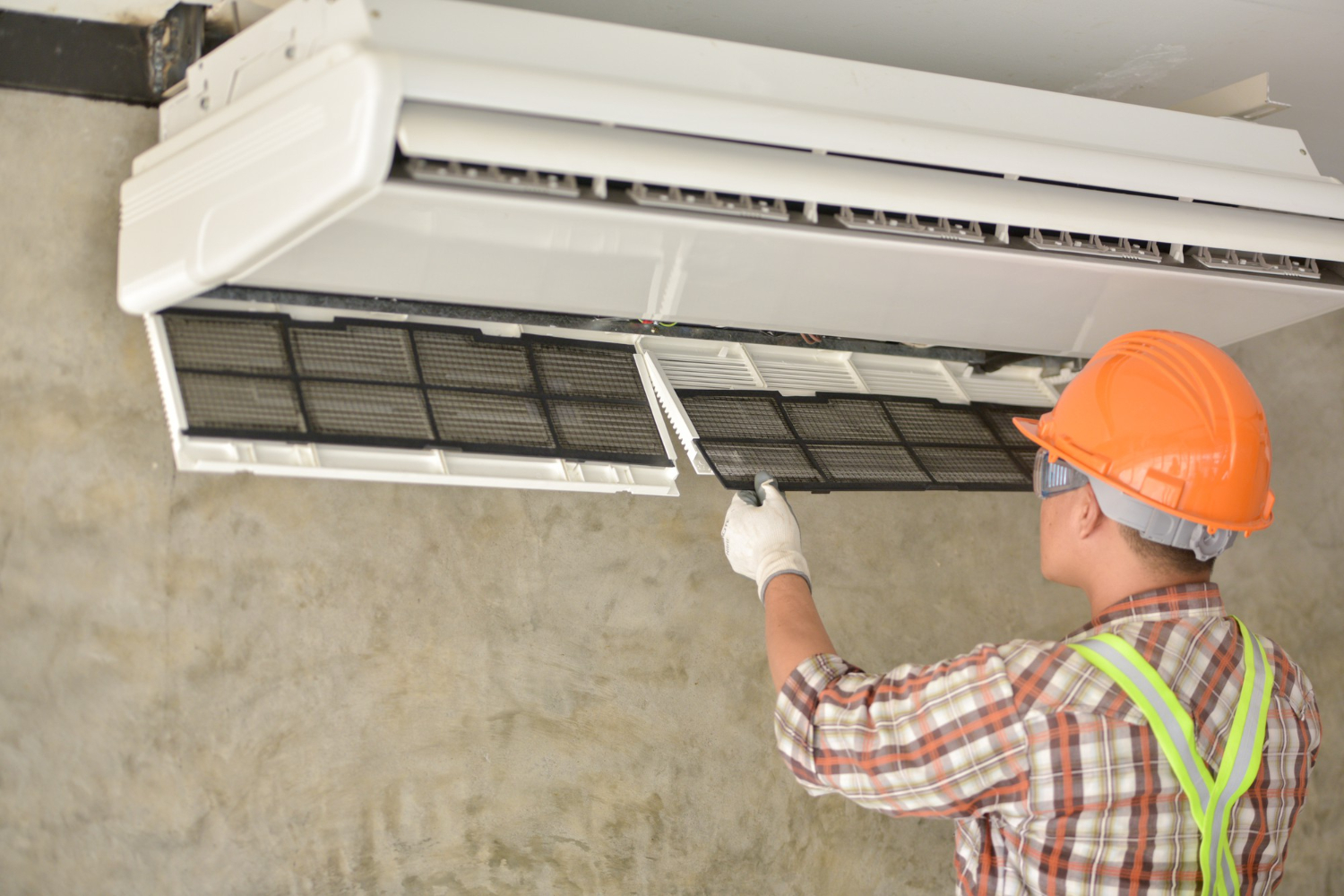

Your heat pump and auxiliary heat are supposed to work as a team. The heat pump is the efficient, everyday player, while the aux heat is the powerful backup that only comes in during the toughest conditions. If you notice the backup is constantly on the field, it means your main system is struggling. This not only runs up your energy costs but also indicates a deeper problem that needs attention. We’ll help you diagnose the issue, starting with the easiest checks. You’ll learn how to fix aux heat on thermostat settings and identify the warning signs that your heat pump itself needs a professional diagnosis from our team.
Key Takeaways
- Understand when aux heat is normal: Your auxiliary heat is designed to help when temperatures drop below 40°F or during a defrost cycle. If it runs for more than 30 minutes at a time or turns on during mild weather, it’s a sign your main heat pump may be struggling.
- Check the simple solutions first: Before calling for help, make sure your thermostat isn't set to "Emergency Heat," change your air filter if it's dirty, and clear any snow or ice from your outdoor unit. These simple steps often solve the problem.
- Recognize the signs you need an expert: If you've tried the basic fixes and your aux heat is still running constantly, it's time to call a professional. This indicates a deeper issue with your heat pump, like low refrigerant or a failing part, that requires an expert diagnosis.
What Is Auxiliary Heat?
If you have a heat pump, you’ve probably seen “Aux Heat” pop up on your thermostat during a cold Colorado winter. It might seem alarming, but it’s usually just your system doing its job. Think of auxiliary heat as a backup heater for your heat pump. It’s designed to provide extra warmth when your primary system struggles to keep up on its own. Understanding how it works is the first step to figuring out if it’s running correctly or if there’s a problem that needs a closer look.
How Aux Heat Supports Your System
Your heat pump is fantastic at moving heat from the outside air into your home, but it becomes less efficient as the temperature drops. When it gets really cold outside, typically below 35°F or 40°F, your heat pump can’t pull enough warmth from the air to maintain your set temperature. That’s where auxiliary heat steps in. It provides that extra power needed to keep your home comfortable. It’s a built-in safety net, ensuring you stay warm even when the weather on the Western Slope is at its coldest. This feature is essential for maintaining consistent comfort and preventing your home’s temperature from dropping.
How Your Thermostat Activates Aux Heat
Your thermostat is the brain of the operation, and it automatically decides when to call for backup. It typically activates auxiliary heat under two conditions. First, if your heat pump is running but can’t reach the temperature you’ve set within a reasonable time (often 10 to 20 minutes), the aux heat will turn on to help. Second, making a sudden, large change to your thermostat setting can also trigger it. If you raise the temperature by three degrees or more at once, your system interprets this as a demand for rapid heating and engages the auxiliary heat to warm your home up faster.
Clearing Up Common Aux Heat Myths
It’s easy to assume something is wrong the moment you see the “Aux Heat” indicator, but that’s not always the case. It’s perfectly normal for auxiliary heat to run during very cold weather or when your outdoor unit is in its defrost cycle. The real cause for concern is when it stays on for long periods, like more than an hour or two, especially when the outside temperature is above 40°F. Many people also mistakenly think the backup heat itself is faulty. More often, a constantly running aux heat system points to an issue with the main heat pump, which is why regular HVAC maintenance is so important.
Is Your Aux Heat Stuck On? Key Warning Signs
Your heat pump’s auxiliary heat is a normal and necessary feature, designed to give your system an extra hand on the coldest Colorado days. Think of it as a backup heater that kicks in when your primary heat pump can’t keep up on its own. Seeing it turn on briefly is usually no cause for concern. However, when it gets stuck in the "on" position, it can lead to uncomfortable temperatures and surprisingly high energy bills. Because auxiliary heat uses electric resistance strips, it consumes significantly more electricity than your heat pump. Leaving it running unchecked is like leaving a powerful space heater on all day.
The key is knowing how to spot the difference between normal operation and a cry for help. Catching the issue early not only keeps your home comfortable but also prevents unnecessary strain on your HVAC system and your wallet. If you’re worried your aux heat is stuck, there are a few clear warning signs you can look for right from the comfort of your home. Paying attention to how your house feels, what your thermostat says, and how long the system runs will tell you everything you need to know before a small issue becomes a bigger problem.
Your Home Feels Too Warm
One of the first clues that your auxiliary heat is overstaying its welcome is the overall feel of your home. Auxiliary heat typically uses electric resistance coils, which generate intense heat quickly. This feature is great for helping your heat pump during a sudden cold snap, especially when outdoor temperatures drop below 35°F. But if those coils stay on, they can easily overshoot your thermostat’s set temperature, making rooms feel stuffy and uncomfortably warm. If you find yourself turning the thermostat down because your home feels hotter than it should, it might be because the powerful auxiliary heat is stuck in the "on" position and working when it doesn't need to be.
What Your Thermostat Display Is Telling You
Your thermostat is your system's communication hub, and it will tell you directly when the auxiliary heat is running. Most digital thermostats will display the word “AUX” or “AUXILIARY HEAT” on the screen when this mode is active. Seeing this light up for a few minutes during a defrost cycle or on a frigid morning is perfectly normal. The problem arises when that indicator never seems to turn off. If you see the “AUX” light on during a mild day or notice that it’s illuminated every time your heat runs, your thermostat is giving you a clear signal that something isn’t right. It’s the most straightforward sign that your system is relying on its backup heat far too much.
It's Running Too Long or Too Often
Duration is another critical warning sign. Auxiliary heat should only run in short, intermittent bursts to supplement your heat pump. If you notice it’s running for more than 30 minutes at a time or seems to be on all day, it’s a definite red flag. This indicates your heat pump is struggling to heat your home on its own, forcing the less efficient backup system to do all the work. This constant operation often points to an underlying problem with your heat pump, such as low refrigerant or a malfunctioning part. If the aux heat is running every time your system kicks on, it’s time to investigate further.
Why Won't My Auxiliary Heat Turn Off?
Seeing the "aux heat" light stay on can be worrying, but don't panic just yet. The reason is often simpler than you might think. It could be anything from an incorrect thermostat setting to your system working hard against the Colorado cold. Let's walk through the most common reasons your auxiliary heat won't turn off, so you can figure out what's happening with your system.
Incorrect Thermostat Settings
Sometimes, the culprit is right at your fingertips. Your thermostat is smart, but it follows your commands. If you ask for a big temperature change, like bumping it up three or more degrees at once, the system assumes you need heat fast. To meet that demand, it calls on the auxiliary heat for an assist. This isn't a malfunction; it's just the system trying to warm your home quickly. If you notice the aux heat comes on after a big adjustment, this is likely the cause. Making small, gradual temperature changes is often more efficient.
Heat Pump or Defrost Cycle Problems
If your auxiliary heat runs for more than 30 minutes at a time or seems to be on constantly, it might signal a deeper issue with your heat pump. When the main heat pump can't do its job, the aux heat takes over as a backup. This could happen for several reasons: a broken fan motor, low refrigerant from a leak, or a problem with the compressor. These are not DIY fixes. A system that constantly relies on aux heat needs a professional diagnosis, and our team is always ready to provide expert HVAC services.
Extreme Cold and Your System
Here on the Western Slope, we know cold weather. Your heat pump is designed to pull warmth from the outside air, but its efficiency drops as the temperature plummets. It's completely normal for your auxiliary heat to turn on when it gets below 40 degrees Fahrenheit. When temperatures dip toward freezing, your heat pump simply can't keep up on its own. In these cases, the auxiliary heat isn't stuck; it's doing exactly what it's supposed to do. It’s ensuring your home stays warm and comfortable, no matter how cold it gets outside.
Start Here: Check Your Thermostat Settings
Before you start worrying about complex mechanical issues, let’s begin with the simplest and most common culprit: your thermostat. Think of it as the brain of your HVAC system. Sometimes, a simple settings adjustment is all it takes to get your auxiliary heat back under control. Taking a few minutes to check your thermostat can save you a lot of time and frustration. We’ll walk through the three most important settings to review, which can often solve the problem without you having to touch a single tool.
Make Sure You're Not in "Emergency Heat" Mode
First things first, check if your thermostat has been accidentally switched to "Emergency Heat." This setting is different from auxiliary heat. Emergency heat is a manual override that forces your system to use only its secondary heating source, which is typically much less efficient. It’s designed for situations where your primary heat pump has failed completely. If this mode is on, your system won't even try to use the more efficient heat pump. Take a look at your thermostat’s display or physical switches. Make sure it’s set to "Heat," not "Emergency Heat" or "Em Heat." This simple switch could be the fix you’re looking for.
Review Your Temperature Schedule
If you use a programmable thermostat, your schedule might be the reason your aux heat is working overtime. A common mistake is setting a schedule with dramatic temperature swings. For example, letting your home’s temperature drop significantly overnight and then programming it to warm up quickly right before you wake up. When your thermostat has to raise the temperature by more than a few degrees, it often calls on the auxiliary heat for extra power to meet that demand quickly. Review your settings and aim for more gradual temperature changes to keep the aux heat from kicking on unnecessarily.
Avoid Making Big Temperature Jumps
Similar to a demanding schedule, making large manual adjustments to the temperature can also trigger your auxiliary heat. It’s tempting to crank the thermostat up by five or ten degrees when you feel a chill, but this signals a major heating demand to your system. To compensate, it will likely activate the aux heat strips to warm your home faster. Instead, try to get in the habit of adjusting the temperature by just one or two degrees at a time. This patient approach gives your heat pump a chance to do its job efficiently without relying on the backup system, especially on those cold Colorado mornings.
Simple DIY Troubleshooting Steps
Before you pick up the phone, there are a few simple checks you can perform that might solve your auxiliary heat issue right away. These steps are easy for any homeowner to handle and address the most common culprits behind an overactive aux heat system. Let’s walk through them one by one.
Change the Air Filter and Clear Vents
One of the most frequent causes of heating issues is also the easiest to fix: a dirty air filter. When your filter gets clogged with dust and debris, it restricts airflow to your system. This forces your heat pump to work much harder and can cause it to switch over to auxiliary heat to keep up. Check your air filter and replace it if it’s dirty. While you’re at it, do a quick walk-through of your home and make sure all your supply and return vents are open and not blocked by furniture, rugs, or drapes. Proper airflow is essential for your system to run efficiently.
Reset the Thermostat and Check Its Batteries
Sometimes, the problem isn’t with your heating system at all, but with the device that controls it. A thermostat can experience a simple computer glitch or have low batteries, causing it to send incorrect signals. First, check if your thermostat has batteries and replace them if they’re low. If that doesn’t solve the problem, try resetting it. The reset process can vary depending on your model, so you may need to consult your owner’s manual. A quick reset can often clear up any internal errors and get your system back to its normal operation without needing a service call.
Check the Circuit Breaker
If your outdoor heat pump isn’t getting power, your system will rely entirely on the auxiliary heat strips to warm your home. This can happen if a circuit breaker has tripped. Head to your home’s main electrical panel and look for the breakers labeled for your HVAC system, furnace, or air handler. There are usually two: one for the indoor unit and one for the outdoor unit. If either breaker is in the "off" position or in the middle, flip it completely off and then back on again. This simple step can restore power and get your heat pump running.
Clear Snow and Ice from Your Outdoor Unit
Here on the Western Slope, we’re no strangers to snow. Heavy snowfall can bury your outdoor heat pump unit, preventing it from functioning correctly. Your heat pump needs to pull air through its coils to work, and a blanket of snow or a thick layer of ice will block it completely. Gently brush away any snow from the top and sides of the unit. If you see ice, you can pour lukewarm water over it to melt it. Just be careful not to damage the delicate metal fins. Keeping your unit clear is a key part of winter HVAC care and ensures your heat pump can do its job.
More Advanced System Checks
If you’ve worked through the simple DIY steps and your auxiliary heat is still acting up, it’s time to look a little deeper. These next checks involve inspecting the main components of your HVAC system. While some of these steps are straightforward observations you can make, remember that working with indoor and outdoor HVAC units can be complex. Always prioritize your safety. If you feel unsure about any of these checks or spot a problem that seems serious, it’s the perfect time to step back and call a professional. These inspections are more about diagnosing the problem than fixing it yourself.
Inspect the Outdoor Heat Pump
Take a walk outside and have a look at your heat pump, which is the large outdoor unit. If your auxiliary heat is running constantly, even on a relatively mild day, you want to confirm the heat pump itself is working. Can you hear it running? Is the fan spinning? You should also check for any obstructions, like heavy snow or ice buildup that could be blocking airflow. While it’s normal for a heat pump to get a little frosty, if the entire unit stays encased in ice for several hours, it could signal a problem with the defrost cycle. This function is supposed to melt ice automatically, and when it fails, the heat pump can’t do its job effectively, forcing your aux heat to take over.
Look at Your Indoor Unit
If the outdoor unit seems to be running properly, the issue might be with one of its internal components. An auxiliary heat system that runs for more than 30 minutes at a time, or switches on every single time your heat kicks in, often points to an underlying problem with the heat pump. This could be anything from low refrigerant levels (which typically indicates a leak) to a malfunctioning compressor or a broken fan motor. While you won't be able to fix these issues yourself, recognizing that the problem is more than a simple thermostat setting is a huge step. These are definite signs that your system needs an expert diagnosis to prevent further damage and restore its efficiency.
Assess Wiring and Connections
Sometimes, the problem can be a faulty connection between your thermostat and the heat pump. If your thermostat is frequently switching to aux heat, it might be receiving incorrect signals. You can start by gently checking your thermostat to make sure it’s sitting securely on its wall plate. A loose connection could be the culprit. You can also try lowering the temperature setting by a few degrees to see if the "AUX HEAT" indicator turns off. However, you should avoid pulling the thermostat off the wall and messing with the wires yourself unless you have experience. Electrical wiring can be tricky, and a mistake could damage your entire system.
How to Use Your Thermostat to Prevent Aux Heat Issues
Your thermostat is the command center for your heating system, and using it thoughtfully is one of the best ways to keep your auxiliary heat from running when it doesn’t need to. A few simple adjustments to your daily habits can make a big difference in how efficiently your heat pump operates. Instead of making your system work overtime, you can guide it to use the most efficient heating method possible. Let’s walk through some practical thermostat strategies that will help you stay comfortable without over-relying on that secondary heat source.
Keep Your Heat Set Between 60-68°F
Finding a comfortable and consistent temperature for your home is key. Try to keep your thermostat set between 60 and 68 degrees during the colder months. This moderate range allows your heat pump to maintain the temperature without needing to call for backup from the auxiliary heat strips. When you set the temperature too high, the system might struggle to reach it using the heat pump alone, especially on a chilly day. A steady, reasonable setting prevents those sudden demands for more power, helping your system run more smoothly and efficiently.
Let Your Smart Thermostat Do the Work
If you have a newer smart thermostat, you’re already a step ahead. These devices are designed to learn your home’s heating needs and optimize your system’s performance. A smart thermostat can often hold off on activating the auxiliary heat longer than a traditional model because it uses advanced algorithms to heat your home more efficiently. It understands how long it takes to warm a room and will rely on the primary heat pump for as long as possible. By letting your smart thermostat manage the schedule, you can sit back and trust it’s making the right calls to keep you warm.
Adjust the Temperature One Degree at a Time
It can be tempting to crank up the heat when you feel a chill, but making large jumps in temperature is a fast track to activating your auxiliary heat. If you raise the setpoint by three or more degrees at once, your system will likely interpret this as an urgent request and turn on the aux heat to warm the house faster. Instead, get into the habit of making small, gradual adjustments. Increasing the temperature one degree at a time gives your heat pump a chance to catch up on its own, avoiding the need for that extra, less efficient power.
Know the Best Times to Adjust the Heat
It’s also helpful to understand when auxiliary heat is actually supposed to run. When outside temperatures dip below 40 degrees, heat pumps naturally become less efficient at pulling warmth from the air. During these cold snaps, it’s completely normal for your auxiliary heat to kick on to help your system meet your heating needs. Understanding this helps you distinguish between normal operation and a potential problem. If the aux heat is running on a mild day, it’s worth investigating. But if it’s on during a frosty Colorado morning, your system is likely just doing its job.
Common Troubleshooting Mistakes to Avoid
When your auxiliary heat acts up, it’s easy to make a few common missteps while trying to fix it. Knowing what not to do is just as important as knowing what to do. By avoiding these simple mistakes, you can prevent unnecessary strain on your system and get to the root of the problem much faster. Let's walk through a few things you'll want to steer clear of.
Setting the Thermostat Too High
When you’re feeling chilly, it’s tempting to crank the thermostat way up. However, making a big jump in temperature, like going from 65°F to 75°F all at once, can actually backfire. This sudden demand for heat tells your system it needs to warm the house fast, which immediately triggers the less efficient auxiliary heat. Instead of helping, this puts extra stress on your unit and your energy bill. A better approach is to raise the temperature gradually, just one or two degrees at a time, giving your heat pump a chance to do its job properly.
Forgetting About Regular Maintenance
Your heating system works hard, especially during our Colorado winters, and it needs regular care to perform its best. Skipping annual check-ups is one of the biggest reasons homeowners run into problems, including over-reliance on auxiliary heat. During a tune-up, a technician inspects, cleans, and adjusts all the essential parts of your heat pump. This preventative care keeps everything running efficiently and helps catch small issues before they become major headaches. Having one of our essential maintenance plans is the easiest way to keep your system in top shape and your home comfortable all year.
Thinking It's Only a Thermostat Problem
While a faulty thermostat can cause issues, it’s a mistake to assume it’s the only possible culprit. If your auxiliary heat runs for more than 30 minutes at a time or turns on every single cycle, it’s often a sign of a deeper problem with your heat pump. The issue could be anything from a broken fan motor or low refrigerant to a failing compressor. These aren't problems a simple thermostat reset can fix. When your aux heat is working overtime, it’s your system’s way of telling you it needs a professional diagnosis to address the real issue.
When Is It Time to Call a Professional?
You’ve done your due diligence: you checked the thermostat settings, changed the air filter, and even reset the breaker. But if your auxiliary heat is still acting up, it might be time to put down the toolkit and pick up the phone. While tackling home maintenance yourself is empowering, some jobs are best left to those with the right training and tools. Knowing when to call for backup can save you time, prevent further damage to your system, and ensure your home stays comfortable and safe. Here are a few clear signs that it’s time to let an expert take over.
For Electrical Issues and Safety Concerns
Your HVAC system is a complex piece of machinery with intricate electrical components. If you suspect an electrical problem, your safety should be the top priority. For instance, if your heat pump isn't turning on at all, it could point to a faulty electrical connection or a broken motor. Other red flags include burning smells near your vents or indoor unit, or a circuit breaker that repeatedly trips. These aren't issues to experiment with. Working with electrical wiring without professional training is incredibly risky. A licensed technician can safely diagnose and repair these problems, ensuring your system runs correctly without putting you or your home in danger.
When You Need an Expert Diagnosis
Sometimes, the problem isn't obvious. If your auxiliary heat runs for an unusually long time, like for more than 30 minutes every time your system kicks on, it’s a strong indicator that your heat pump has a deeper issue. This isn't a simple settings glitch; it means the primary heating function isn't working efficiently, forcing the backup system to work overtime. A professional technician has specialized diagnostic tools to pinpoint the exact cause, whether it's a refrigerant leak, a compressor failure, or a problem with the defrost cycle. Getting an expert diagnosis ensures you’re fixing the root cause instead of just treating a symptom, which is key for your system's long-term health.
If DIY Fixes Don't Solve the Problem
You’ve followed all the troubleshooting steps, but the auxiliary heat is still running when it shouldn't. If you’ve confirmed you’re not in emergency mode, your filters are clean, and your thermostat has fresh batteries, it’s time to call in a professional. Continuing to run your system with an unresolved issue can lead to higher energy bills and potentially cause more significant damage. There’s no shame in handing the problem over to an expert. A qualified technician can provide reliable HVAC services to get your system back on track quickly and efficiently, giving you peace of mind that the job is done right.
Related Articles
Frequently Asked Questions
Is it normal for my auxiliary heat to turn on? Yes, it's perfectly normal. Think of it as your heat pump’s built-in helper for those extra cold Colorado days. It’s designed to kick on when the outdoor temperature drops below 40°F or when your system runs a defrost cycle. The time for concern is not when it turns on, but when it refuses to turn off.
How can I tell if my aux heat is running too long? A good rule of thumb is to pay attention to duration. If you notice the "AUX" indicator on your thermostat is on for more than 30 minutes at a time, or if it seems to be on every single time your heat runs (especially on a milder day), that’s a sign your system is relying on it too much.
Why is using auxiliary heat more expensive? Your heat pump is efficient because it moves existing heat from the outside air into your home. Auxiliary heat, on the other hand, creates heat from scratch using electric resistance coils, which works a lot like a giant toaster. This process consumes significantly more electricity, so if it runs constantly, you'll likely see a spike in your energy bill.
What's the difference between "Aux Heat" and "Emergency Heat"? Auxiliary heat is an automatic function where your backup heat assists your heat pump. Emergency heat is a manual setting you have to select on your thermostat. It completely shuts off your heat pump and relies only on the less efficient backup system. You should only use the emergency setting if your main heat pump has failed.
I've tried the simple fixes, but the aux heat is still on. What's next? If you’ve already checked your thermostat settings, replaced the air filter, and cleared your outdoor unit of any snow or ice, it’s time to call a professional. When the simple solutions don't work, it usually means there's a deeper issue with the heat pump itself, such as a refrigerant leak or a mechanical problem that requires an expert diagnosis.