.png)





.png)

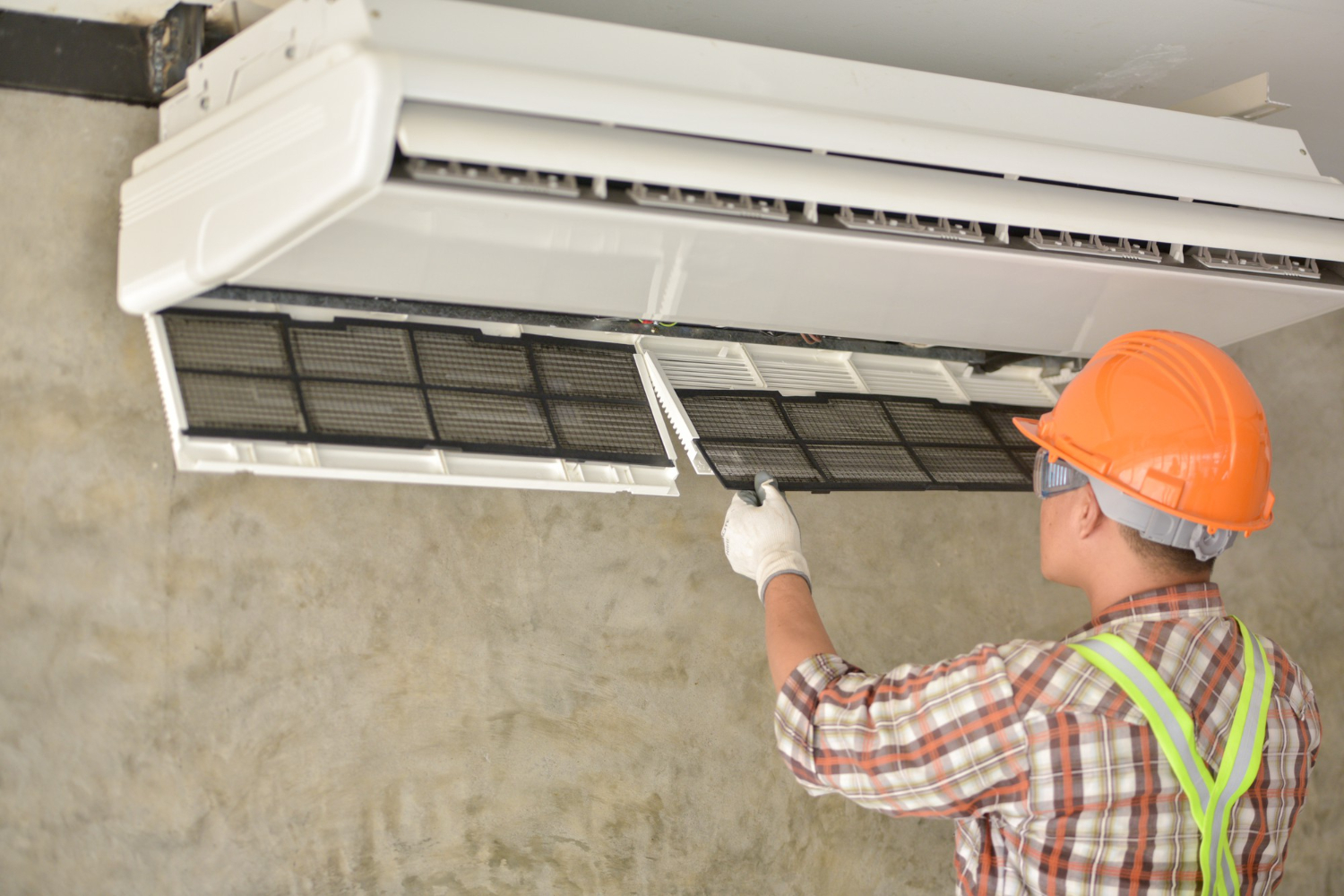

Sub-zero temperatures in Delta County test every home's heating system. Choosing between a furnace and a heat pump affects comfort, energy use, and how your home handles a Western Slope winter. Each technology responds differently to deep cold and high elevation.
Not sure which system fits your home? Call Cooley's Heating & Cooling at (970) 778-8326 to request a quote and discuss your options with a local HVAC professional.
The choice of a heat pump vs furnace depends on your home's fuel source, local climate, and long-term goals. A furnace burns gas or propane to create intense heat. This makes it a reliable choice for the coldest nights on the Western Slope. In contrast, a heat pump uses electricity to move heat into your home. This process allows it to provide both heating and cooling in one system. According to Energy.gov, these systems can deliver up to four times more energy than they use. While furnaces often have lower upfront costs, modern heat pumps offer higher efficiency for most Colorado homeowners. Finding the right fit requires looking at how each system handles our high altitude.
Heat pump vs furnace: the practical difference
A furnace creates heat by burning fuel, while a heat pump uses electricity to transfer existing heat. A heat pump can also cool the home in summer; a furnace needs a separate cooling system.
Choosing between a heat pump and a furnace is a big step for your home comfort. Both systems keep you warm, but they use very different ways to do the job. A furnace burns fuel to make heat. A heat pump moves heat from one place to another. Knowing these facts helps you explore energy-efficient heating solutions and find the best fit for your life on the Western Slope.
How each system works
A furnace makes heat by burning gas or propane. This process warms a part called a heat exchanger. Then, a fan pushes that warm air through your home ducts. Per the U.S. Department of Energy, furnaces have a rating called AFUE. This rating shows how much fuel turns into real heat. High-efficiency units can reach 90% or more. But, heat loss in ducts can lower the real-world heat you get.
Heat pumps transfer heat from outdoor air into the home, even in cold conditions. Modern cold-climate units can deliver two to four times as much heat energy as the electricity they use, according to Energy.gov. That efficiency makes them worth considering when lower energy use is a priority.
Choosing for the Western Slope
Local weather and height play a role in your choice. In places like Hotchkiss or Delta County, we see cold winters and high ground. Air is thinner at 6,000 feet. This affects how systems move heat. A furnace gives steady, hot air no matter the outdoor temp. A heat pump is very efficient, but it may need a back-up heat source if the air gets too cold. Getting a prepare your heating system for winter ensures your unit is set up right for our local air.
| Feature | Furnace | Heat Pump |
|---|---|---|
| How it heats | Burns gas or propane | Moves heat with power |
| Summer cooling | Needs a separate AC | Heats and cools in one |
| Efficiency | Up to 98% AFUE | 200% to 400% |
| Typical life | 15 to 20 years | About 15 years |
| Best climate | Very cold or high area | Mild to moderate cold |
Comparing the key trade-offs
One big plus for the heat pump is that it does two jobs. It handles both heating and cooling. You do not need to buy a separate air unit. But, a furnace often lasts a few more years. Most furnaces stay in good shape for 15 to 20 years. A heat pump often lasts about 15 years. Your choice may come down to what you have now and your goals for energy use. Both systems can keep a Colorado home cozy when they have the right care.
Which system handles Western Slope winters better?
A properly sized furnace delivers dependable heat through severe cold snaps. A cold-climate heat pump can handle much of a Western Slope winter, but some homes benefit from backup heat when temperatures fall sharply.
Winters in Hotchkiss and Delta County bring more than just snow. The high altitude changes how your home stays warm. When you weigh a heat pump vs furnace, you must think about how each unit handles our thin air and deep cold snaps. Our local climate gives unique hurdles that systems built for sea level often fail to meet. Choosing the right path needs looking at how heat is made and how it moves through your house.
How high altitude impacts your heat
Living at 6,000 feet above sea level means the air is less dense than at the coast. In fact, air density is about 20% lower here than at sea level. This thin air makes it harder for a normal heater to move warm air into your rooms. You need a system that is set up for high altitudes to keep your home cozy. A understand common heat pump problems ensures your unit is tuned for these local needs. Without this tuning, a unit may work too hard, wear out fast, and leave you with high bills.
The thin mountain air also affects how gas burners work in a furnace. Fuel needs oxygen to burn well. Because there is less oxygen in our air, furnaces need exact settings to burn gas or propane safely. Heat pumps do not burn fuel, so they do not have this same oxygen need. But they still rely on fans to move air. We check these factors during a local site visit to find the best match for your property.
Work in deep freeze events
A gas or propane furnace makes heat by burning fuel. This makes it a strong choice when the cold drops below zero. It gives a blast of very hot air that can warm up a cold house in a hurry. But modern technology has changed the options for electric units. High-efficiency cold-climate heat pumps can now give heat even when it is as cold as -22 degrees Fahrenheit. These units are built to find heat in the outside air even when it feels freezing to us.
If you want to save money, a heat pump is a smart pick. The U.S. Department of Energy says these systems can give you up to four times more heat energy than the power they use. This helps many people lower their monthly power costs. At our altitude, these units can often keep a home warm down to about 10 degrees without using a backup heater. For the coldest nights on the Western Slope, many locals choose a dual-fuel system. This setup uses a heat pump for most days but turns on a gas furnace when a deep freeze hits.
Why home insulation matters most
No matter which system you pick, your home's insulation is vital. A know what to do when a furnace stops working guide can help you budget for new gear. But fixing air leaks is the first step to staying warm. Heat loss through leaky ducts or old windows can waste up to 35% of your heating energy. This waste makes your system work longer and harder than it should. It also puts more stress on your unit, which can lead to more repairs over time.
Before we install a new unit, we perform a load check. This check looks at your home's size, its windows, and how well it keeps heat in. It ensures we find the exact size of system for your space. A unit that is too big will cycle too often. One that is too small will never reach your goal heat. By checking your home first, we make sure your new heater is ready for whatever the Western Slope winter throws at it.
How efficiency and operating costs compare
Heat pumps often use less energy because they move heat instead of creating it. Actual operating cost depends on local electricity and fuel prices, system efficiency, outdoor temperature, and the home's insulation and ductwork.
Comparing a heat pump vs furnace involves looking at how each system uses power. A gas or propane furnace creates heat by burning fuel (F004). This process is measured by an AFUE rating. It shows how much fuel becomes heat for your home (F006). In contrast, an air-source heat pump uses power to move heat from the outside air into your house (F012). Because it moves heat rather than making it, a heat pump can be 250 to 300 percent efficient (F020). This means it can give off more heat than the power it uses to run (F030).
Energy use and fuel types
Your monthly costs depend on local fuel rates and how much heat your home needs. Furnaces use gas or propane, while heat pumps run on power. High-efficiency heat pumps can cut power use for heating by up to 75 percent compared to baseboard heaters (F002). For homes in Delta County, the choice often comes down to the price of gas versus the price of power. You can compare heating and cooling system costs to see which setup fits your budget best. Our team can help you look at these facts to find the right fit for your home.
Impact of thin mountain air
The thin air on the Western Slope affects how both systems work. At high spots like Hotchkiss, thin air has less oxygen for a furnace to burn (F021). This often needs part changes to keep the unit running well. Heat pumps also face tests because thin air makes it harder to pull heat from the outside (F026). Modern cold-climate units are built to provide heat in extreme cold down to -22 degrees (F001). But when it gets very cold, they may need help from backup heat coils to keep you warm (F019).
System care and life spans
Keeping your gear in good shape helps keep costs low over time. A furnace usually lasts about 15 to 20 years with good care (F003). Heat pumps often last about 15 years because they run all year for both heating and cooling (F003, F012). Regular professional HVAC installation and service help your system stay efficient. Simple steps like cleaning filters or fixing leaky ducts can save much energy. Since AFUE ratings do not count heat lost through leaky ducts, keeping your ducts in top shape is key to saving money (F007, F015).
What will each option feel like in your home?
Heat pumps usually run longer and deliver steady, moderate-temperature air. Furnaces typically deliver hotter air in shorter cycles. The better feel depends on your comfort preference and how evenly your ducts serve the home.
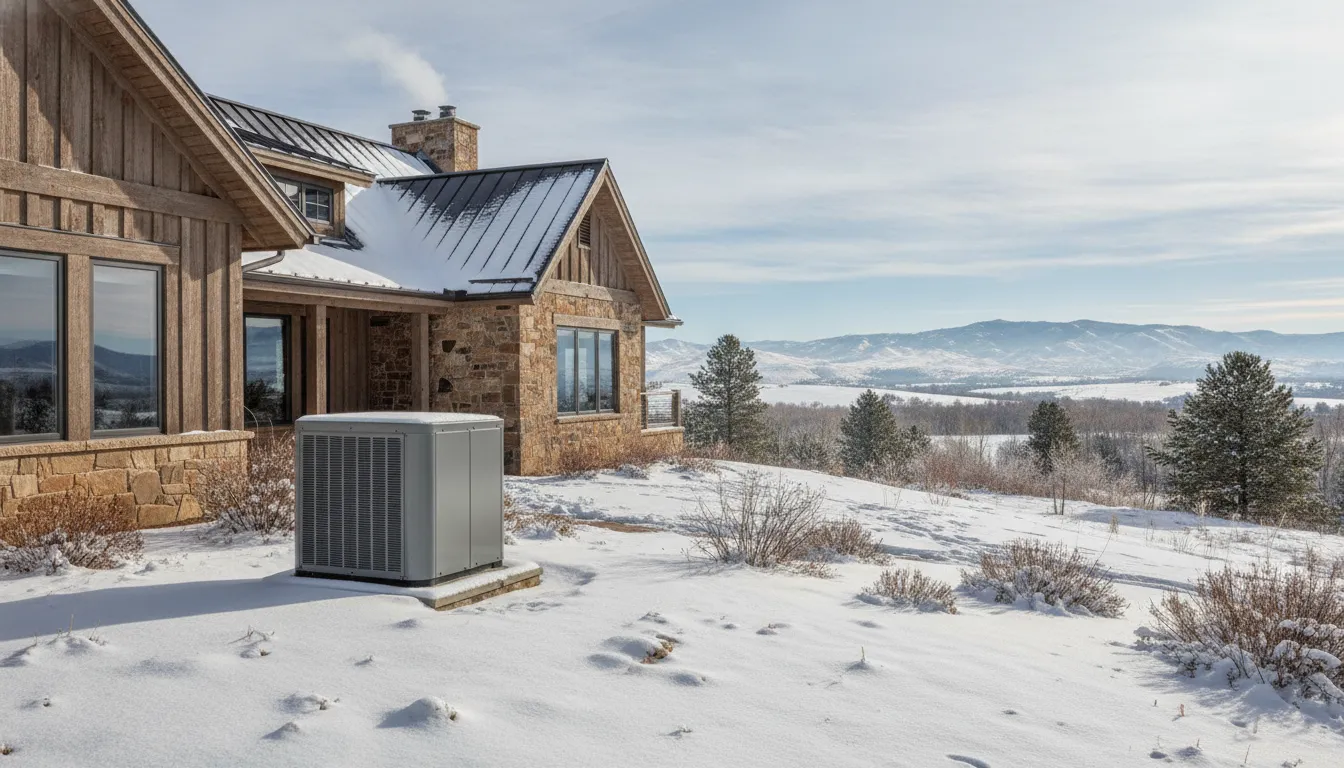
Steady heat or hot blasts?
A furnace burns fuel like gas or oil to make heat. This makes very hot air that blows through your vents in short bursts. You might feel a quick wave of heat followed by a cool-down time as the unit shuts off. Because of this, rooms can sometimes have warm and cold spots between cycles. These sudden shifts in air flow can feel jarring to some homeowners.
Modern heat pumps work in other ways. They do not make heat but instead move it from the outside air into your home. These systems often use inverter-driven pumps to change their speed. This lets the unit run for longer times at a lower speed. The result is a steady flow of air that keeps the heat level even. It feels less like a sudden blast and more like a constant, gentle warmth that fills the space.
Cooling and air quality
One big plus for heat pumps is that they do two jobs. They can warm your home in the winter and cool it down in the summer. A furnace only gives heat, so you would need a separate cooling unit for the hot months in Delta County. Choosing one system that does both can make expert HVAC setup easier for your home. This dual role saves space and simplifies your yearly maintenance schedule.
Indoor air also feels different with a heat pump. High-tech units offer better control over moisture. They can pull more moisture from the air when it is hot outside. This helps your home feel less sticky in the summer. Furnaces can sometimes make the air feel very dry during a cold winter. You may need to add a tool to keep the air moist when using a gas furnace to avoid dry skin or sore throats.
Adapting to mountain air
Living on the Western Slope means dealing with high heights. Thin air affects how both systems work. At high heights, there is less oxygen for a furnace to burn fuel. A worker must change the gas flow to keep the fire safe and strong. For heat pumps, thin air can change how well the coils move heat. This is why proper sizing is key for systems in our area.
Modern cold-climate units are built to handle these tasks. They can keep your home cozy even when it is very cold outside. If you want to compare heating and cooling system costs, think about how each unit handles our local air. A well-set system will feel great no matter the height of your home. A pro from Cooley's can help you find the right fit for your specific site.
Could a dual-fuel system be the right fit?
A dual-fuel system combines an electric heat pump with a gas or propane furnace. It can use the heat pump in moderate weather and switch to the furnace during colder conditions, based on professional system controls and setup.
A dual-fuel system pairs an electric heat pump with a gas or propane furnace. This setup lets your home switch between energy sources based on the outdoor weather. In a cold place like Delta County, this is a great way to settle the heat pump vs furnace choice. It uses the low cost of electricity when it is mild but uses the power of fuel when it gets very cold.
How the two units work together
Most of the year, the air-source heat pump handles both heating and cooling. Modern units work well and can give up to four times more energy than the power they use. But heat pumps can lose some heating power in thin mountain air. When the air gets too cold, the system shuts off the heat pump and starts the furnace. This keeps you warm even during the coldest winter nights on the Western Slope.
Benefits for cold areas
The main gain of a dual-fuel setup is that it is reliable. A cold-climate heat pump can work in deep cold, but a furnace backup gives peace of mind. Furnaces make heat by burning fuel like natural gas or propane to give a hot, steady flow of air. This mix can help you save on energy bills by using the best heat source for the day. It also helps your units last longer by not working one system too hard.
Is it right for your home?
Picking this system depends on your fuel access and your current setup. If you have a gas line, adding a heat pump to your furnace can be a smart move. Our team offers professional HVAC installation to help you find the best fit for your house. We look at things like your home's insulation and local altitude to make sure the system works right. For a quote on a dual-fuel system in Hotchkiss or Delta County, call us at (970) 778-8326.
How to choose between a heat pump and furnace
Choose by comparing your current fuel source, electrical capacity, insulation, ductwork, comfort preferences, and need for cooling. A local load calculation and equipment assessment provide a better answer than climate alone.
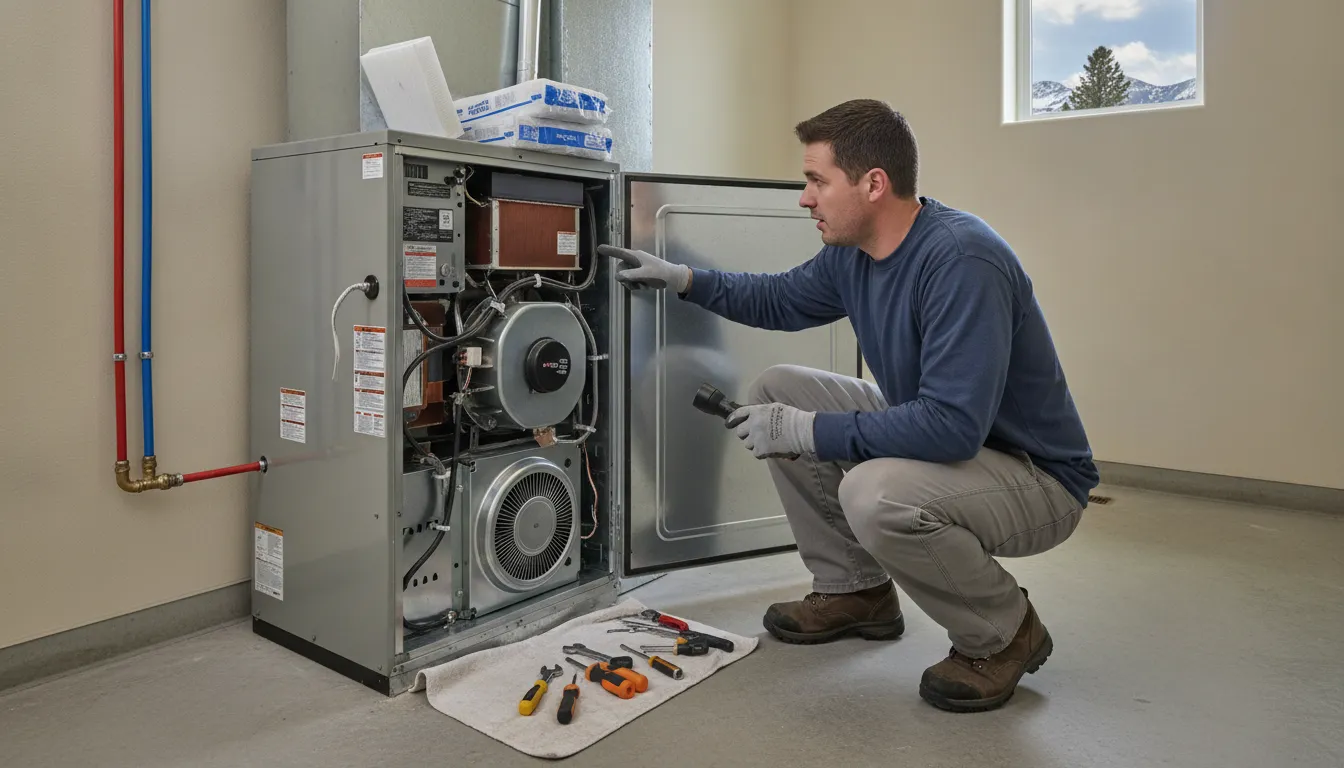
Picking the right system for your home in Hotchkiss or Delta County takes a clear plan. You need to look at your house, your power setup, and your comfort goals. A professional HVAC installation starts with a full look at your property to see what fits best. Use the steps below to find the right path for your next upgrade.
Check your energy source
First, see what fuel you have now. If you use natural gas, a furnace is a common choice. But if you rely on propane or wood, a heat pump might save you more money over time. You should also check your electrical panel. Modern heat pumps need enough power to run well. If your home has an older panel, you might need an upgrade before you can switch to a high efficiency heat pump.
Assess your home air seal
The state of your house matters just as much as the machine. A heat pump works best in a home that holds heat well. Check your attic insulation and look for air leaks around windows. If your home loses too much air, a furnace can often keep up more easily. Also, look at your ducts. Since leaky ducts can waste up to 35% of your furnace energy output, fixing them is a smart first step regardless of which unit you pick.
Plan your path to comfort
Following a set list of steps helps you make a confident choice. This process ensures you do not miss small details that could cost you later.
- Start with a load calculation to find the exact size your home needs.
- Check your current cooling needs to see if a system that does both heating and cooling adds more value.
- Get a quote that compares the upfront price with long-term energy use.
- Look for local utility rebates that can lower the cost of a new Daikin system.
- Decide if you want a hybrid setup that uses both a furnace and a heat pump for the best results.
Frequently Asked Questions
These answers address common homeowner questions about efficiency, cold-weather performance, dual-fuel systems, and equipment life. The right recommendation still depends on the conditions in your home.
Which is more energy-efficient, a heat pump or a furnace?
Heat pumps are usually better for saving energy because they move heat instead of making it. The U.S. Department of Energy says these systems can give up to four times more heat than the power they use. This helps many people lower their bills. A gas furnace works well, but it cannot reach the same high level of output for each unit of power.
Can I use both a heat pump and a furnace together?
Yes, you can use both systems at once in a hybrid setup. The heat pump runs on mild days to keep costs low. When the air gets very cold, the gas furnace turns on to help. This plan works great for homes in Colorado. It keeps you warm when it is freezing but cuts your power use when the weather is not as bad. It is a smart way to stay comfortable all year.
Is a heat pump better for cold climates?
New models for cold areas work well even in the frost. Some can provide heat when it is 22 degrees below zero outside. In areas like Delta County, a good system can keep a home warm down to about 10 degrees without a backup heater. Buying a unit made for the cold will keep your house warm during the long winter months.
How long does a heat pump last compared to a furnace?
A furnace often lasts 15 to 20 years if you take good care of it. According to EnergySage, heat pumps usually last about 15 years because they run all year for both heat and cool air. Getting help from a local pro for a tune-up can make either system last longer. Since a heat pump does the work of two units, it faces more wear over time than a furnace.
Ready to request a quote for your Western Slope home?
Cooley's Heating & Cooling can assess your home, explain the available heating options, and prepare a quote based on your property's needs.
Waiting too long to pick between a heat pump and a furnace can lead to high fuel costs and sudden system breaks during our cold winters. If you do not act now, you might face a heating crisis when the snow starts to fall here on the Western Slope. Starting your work today helps your home stay warm and low cost through every cold month. You can compare heating and cooling system costs to help your budget. You can avoid the stress of a cold month break by getting the right unit for your space now. Our local team will help you find the best way to keep your folks cozy while keeping your heat bills low. We know how the local weather impacts your comfort and we are ready to help you make the right choice for your house.
Ready to request a quote? Call (970) 778-8326 to request a quote.