.png)





.png)

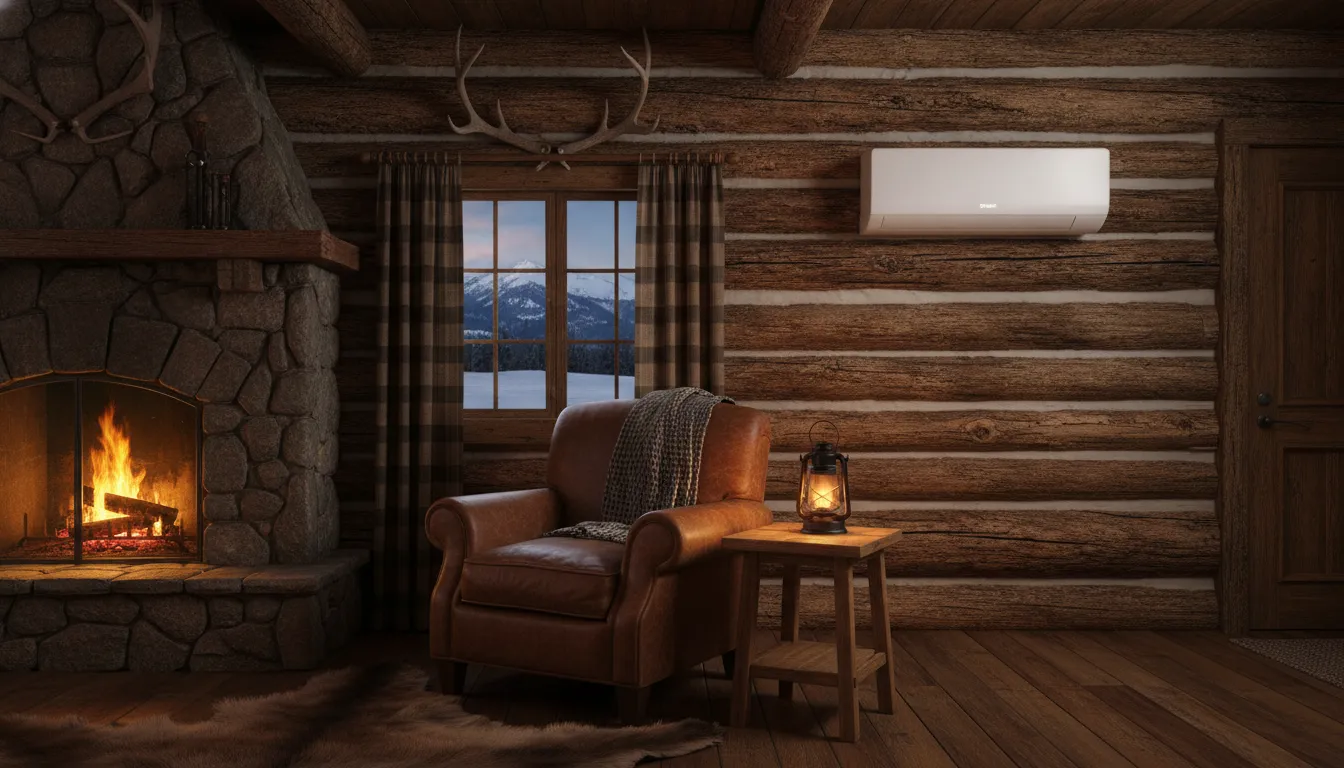
Most older homes in the Delta County area lack the vents and pipes required for modern central air conditioning systems.
A mini split old house retrofit project is often the absolute best solution for homeowners who want modern comfort without the mess and expense of installing bulky central ductwork. These compact ductless heat pumps are an excellent option for upgrading properties that currently rely on non-ducted heating systems like hydronic boilers. Radiant panels, or wood space heaters, according to the U.S. Department of Energy.
By utilizing small indoor air-handling units connected via a small conduit to an outdoor compressor. You can bring highly efficient zoned cooling and heating to every single room without destroying your historic walls. These systems respect the original craftsmanship and structure of your building while dramatically lowering monthly utility bills. Offering a far more reliable alternative to standard electric baseboard or propane space heaters.
Many homeowners across the North Fork Valley face steep. Unpredictable energy bills during our extreme seasons because vintage properties simply were not constructed with modern insulation, airtight seals, or active ventilation in mind. Before selecting an HVAC upgrade, understanding the specific architectural barriers of local historic design is the first step toward finding a permanent, cost-effective solution.
Why Do Older Colorado Homes Face Unique Heating and Cooling Challenges?
Drafty historic properties on the Western Slope of Colorado require highly specialized climate solutions due to unique building designs. Vintage homes typically feature compartmentalized floor plans, completely lack central ductwork, and suffer from poor insulation, which creates massive indoor temperature swings between rooms.
Older homes across Colorado, from Hotchkiss to Delta, hold incredible charm and architectural craftsmanship. However, maintaining a consistent, comfortable temperature throughout these properties is a notorious challenge. A historic home might have a kitchen that feels roasting during summer cooking, while the living room remains chilly and drafty. These comfort disparities are not just minor inconveniences. They represent severe HVAC inefficiencies that drive up utility costs and put undue stress on homeowners trying to keep their families cozy.
Lack of Existing Ductwork
Most classic Colorado homes were constructed long before central heating and air conditioning became standard. Consequently, they utilize radiant heating, wood stoves, or hot water baseboard heaters rather than a network of vents. Forcing a traditional central furnace or heat pump into these buildings is an invasive, messy process. It requires cutting through historic plaster walls, dropping ceiling heights to hide metal ducts, and sacrificing valuable square footage in closets and bedrooms just to run lines. In many compact historic floor plans, installing central ductwork is physically impossible without completely altering the interior architecture.
Structural Limits and Attic Drafts
Vintage homes are celebrated for their thick plaster walls and original woodwork, but these very features make standard renovations difficult. Additionally, structures built in the late 19th or early 20th centuries typically contain minimal insulation. Drafty single-pane wood windows, uninsulated attics, and settling foundations allow outdoor air to penetrate freely. In these drafty spaces, a standard ducted HVAC system works twice as hard to maintain set temperatures. Resulting in extreme wear-and-tear and sky-high utility bills during freezing Western Slope winters.
The High Renovation Cost of Ducted Retrofits
Beyond structural headaches, the financial cost of retrofitting a central system into an older home is incredibly high. Homeowners must pay not only for the HVAC equipment but also for extensive carpentry, drywall repair, plaster restoration, and painting to hide the ductwork. When you weigh the total investment, choosing a ductless alternative becomes the most financially sensible decision. Understanding these cost factors for older homes helps property owners invest their hard-earned money where it delivers the highest return.
Why Is a Mini Split Old House Retrofit Perfect for Colorado Homeowners?
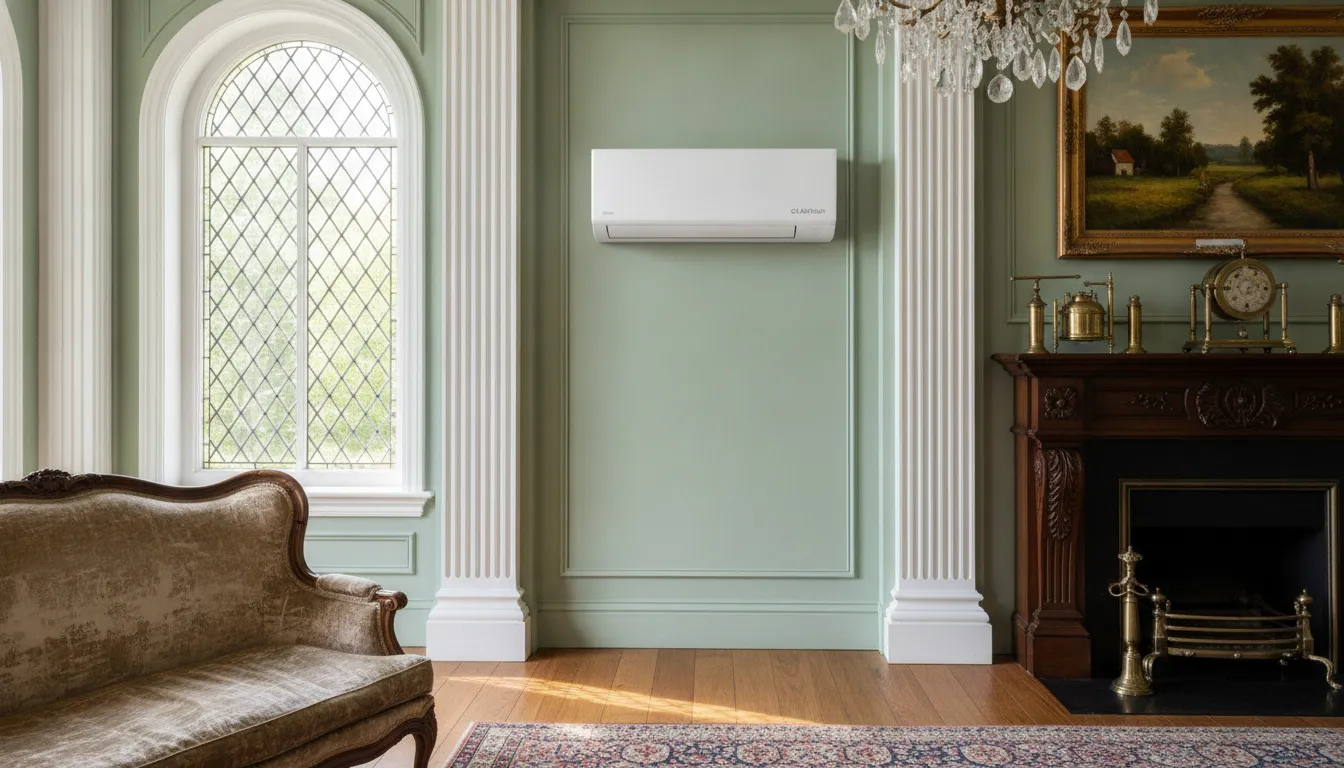
A ductless mini-split system provides an efficient, low-impact heating and cooling upgrade for historic homes without disrupting their classic architecture. By utilizing individual wall-mounted heads connected to an outdoor unit via a small conduit, homeowners gain precise zone control while keeping original plaster walls intact.
For Western Slope properties, a ductless mini split old house project provides modern luxury without compromising historic integrity. Rather than moving massive volumes of air through leaky, dirty metal ducts, mini-splits deliver treated air directly into specific living spaces. This localized approach is perfectly suited for older homes, resolving temperature imbalances while introducing state-of-the-art energy-saving technology.
Low-Impact Installation Preserving Original Craftsmanship
Unlike invasive ducted systems, a ductless mini-split installation requires zero structural demolition. The outdoor compressor connects to indoor wall, ceiling, or floor units through a thin conduit containing refrigerant lines, electrical wires, and a drain pipe. This entire assembly passes through a single three-inch hole drilled through the exterior wall. Our professional installation team can routinely complete a multi-zone setup in just one to two days, leaving your historic plaster walls, high ceilings, and beautiful trim completely untouched. Homeowners can review our detailed professional mini split installation process to see how clean and straightforward the job is.
Customized Comfort with Precise Room-by-Room Zoning
One of the greatest advantages of mini-split technology is independent zoning. Each indoor head unit operates on its own thermostat, allowing you to customize the temperature of individual rooms. You can keep your active living spaces cool and refreshing during the day while turning off the climate control in unused guest bedrooms. This flexibility solves the classic drafty historic home problem: you no longer have to overheat or overcool the entire house just to make one room comfortable. Zoning optimizes comfort while significantly reducing monthly energy waste.
High-Performance Efficiency in Colorado Cold Weather
Modern mini-split systems utilize advanced inverter technology, which allows the compressor to adjust its speed continuously to match the heating or cooling load. Instead of turning on and off at full blast, which wastes huge amounts of energy, the system modulates its output to maintain a highly consistent temperature. Cooley's is proud to be an elite dealer of Daikin ductless systems. Giving Western Slope residents access to high-efficiency equipment engineered to deliver reliable heating even during sub-zero Colorado winters. These systems operate quietly and efficiently, delivering comfort regardless of the weather outside.
Comparison: Traditional Central HVAC vs. Ductless Mini-Splits
Ductless mini-splits outperform traditional central HVAC systems in vintage homes by eliminating duct-loss and bypassing invasive wall reconstruction. While central HVAC requires massive duct networks that degrade historic walls, ductless units install with minimal disruption and deliver superior energy savings.
Choosing the right HVAC upgrade requires a side-by-side comparison of how each system performs in an older structure. Traditional central systems rely on a single central thermostat and extensive sheet-metal ductwork, whereas mini-splits utilize direct, localized air distribution. For most historic properties on the Western Slope, the advantages of ductless systems are clear when looking at installation complexity, energy use, and aesthetic preservation.
| Feature | Traditional Central HVAC | Ductless Mini-Split System |
|---|---|---|
| Ductwork Requirements | Requires extensive, invasive sheet-metal duct networks. | Zero ductwork needed; connects via thin conduit lines. |
| Installation Impact | Major carpentry, demolition of plaster, and drywall repairs. | Minimal impact; requires only a small three-inch wall hole. |
| Zone Control | Single-zone control; cools or heats the entire home at once. | Multi-zone control; heats or cools rooms independently. |
| Aesthetic Preservation | Lowers ceiling heights, occupies closets, and alters historic trim. | Preserves high ceilings, original plaster, and historic character. |
| Energy Efficiency | Prone to significant energy loss through leaky air ducts. | No duct-loss; utilizes high-efficiency inverter compressors. |
For vintage homes that lack existing infrastructure, the choice is clear. Ductless mini-splits provide superior zoning, simple installation, and excellent year-round performance. They are the ideal retrofit solution, saving both the structure of your home and your monthly budget. Our team can help you understand the full range of options during a site visit, ensuring your home receives a tailored solution.
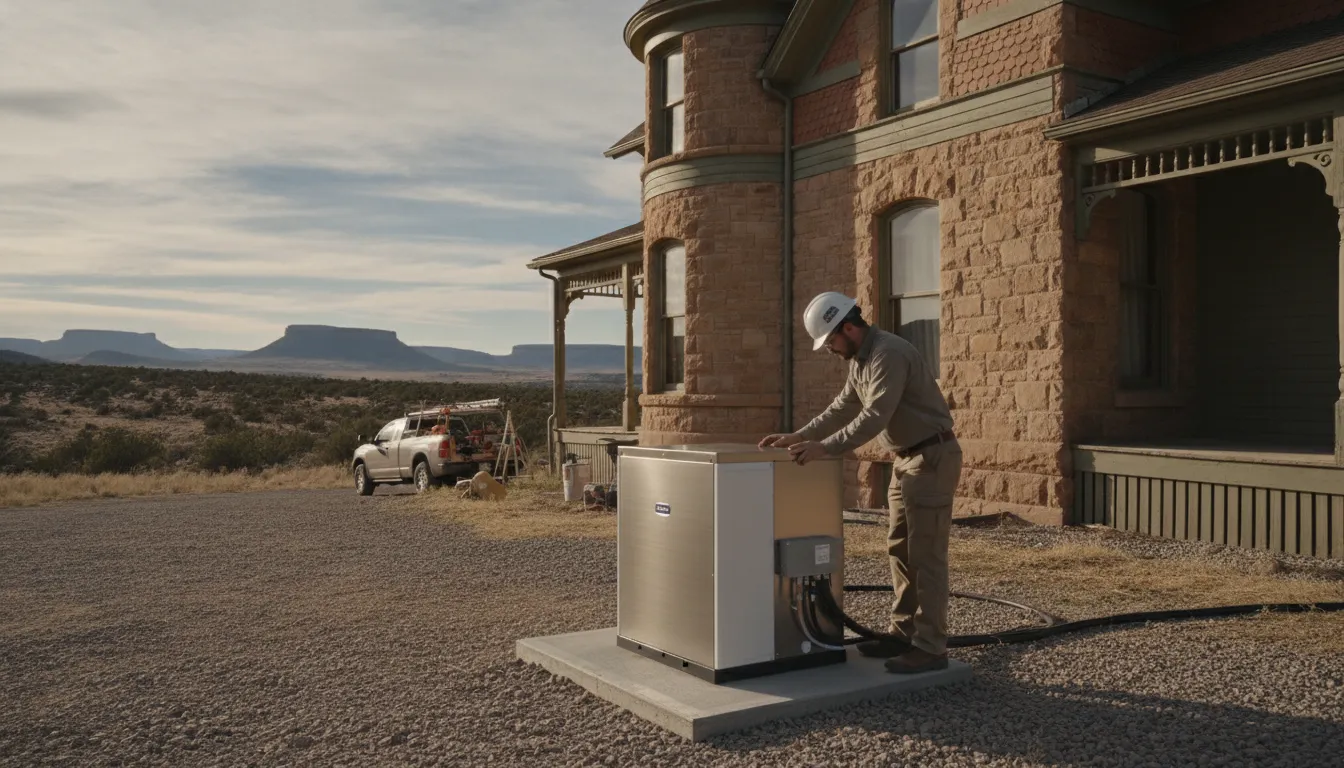
Step-by-Step: How a Professional Mini-Split Installation Works
A professional mini-split installation is a clean, non-invasive process completed in just one or two days by expert HVAC technicians. The process involves mounting indoor air handlers, setting the outdoor compressor, routing a slim refrigerant conduit through a tiny hole, and performing rigorous pressure tests.
While ductless systems are far simpler to install than traditional central HVAC systems. A professional setup is required to protect the manufacturer's warranty, ensure optimal electrical safety, and prevent refrigerant leaks. Our certified technicians follow a precise, structured installation protocol designed to minimize disruption to your daily life and keep your home tidy.
- Perform a Detailed Site Assessment: We analyze the layout and thermal efficiency of each room to calculate the exact BTUs required. This step ensures we size the equipment correctly for your historic home's specific heating and cooling load.
- Select Optimal Mount Locations: We position the indoor air handlers to maximize airflow while ensuring they blend seamlessly into your home's decor. The outdoor compressor is set on a stable, level pad in a location with ample clearance.
- Drill the Access Hole Carefully: We drill a single, precise three-inch hole through the exterior wall. This small opening is fully sealed and insulated to prevent drafts or pests from entering.
- Mount the Indoor Air Handlers: We securely attach the heavy-duty mounting plates to your interior walls and hang the indoor units, making sure they are perfectly level for proper condensate drainage.
- Route and Connect Conduit Lines: We pass the copper refrigerant lines, electrical control wires, and drainage tubing through the access hole, connecting the indoor units to the outdoor compressor.
- Evacuate and Pressure-Test the System: We perform a nitrogen pressure test and pull a deep vacuum on the refrigerant lines. This critical step verifies that the closed-loop system has zero leaks and is free of moisture.
- Charge, Power, and Test: We release the environmentally friendly refrigerant, power up the system, and run it through a complete heating and cooling cycle, testing individual zone remotes and smart app controls.
Once the installation is complete, our technicians walk you through how to use your new remote control or smart app. Showing you how to set schedules and change modes. We leave our workspace spotless, taking all packaging and debris with us. It is a seamless process designed to bring you instant, worry-free comfort.
Maximizing the Efficiency of Your New Mini-Split System
Homeowners can maximize ductless mini-split efficiency by pairing constant temperature set-points with home weatherization. Because mini-splits utilize smart inverters to adjust speed in real-time, leaving them at a stable temperature and sealing drafts ensures the lowest possible heating and cooling bills.
Investing in a high-efficiency Daikin mini-split system is a massive step forward for your comfort and budget. However, how you operate the system and care for your home plays a major role in its long-term performance. By adopting a few simple habits, you can extend the lifespan of your equipment and keep your utility bills as low as possible.
Use Constant Temperature Set Points
Traditional forced-air furnaces are designed to turn on at full power, heat the house rapidly, and then shut off completely. Because of this, homeowners are accustomed to setting back their thermostats when they leave for work. Mini-splits operate on a completely different principle. Their inverter compressors run most efficiently when they run continuously at a low speed. Setting a stable, comfortable temperature and leaving it alone allows the system to modulate its output naturally. This "set it and forget it" approach delivers the highest energy efficiency and keeps your indoor climate perfectly stable.
Seal Air Leaks and Weatherize Your Home
Ductless mini-splits are incredibly powerful, but they shouldn't have to fight constant outdoor drafts. To maximize your energy savings, pair your HVAC upgrade with basic weatherization. Apply fresh weatherstripping around historic wood doors, use caulk to seal gaps around window frames, and add blown-in insulation to your attic. By creating a tighter thermal envelope, you keep the conditioned air inside, allowing your mini-split to run at its lowest, most efficient speed. Combining weatherization with a ductless upgrade is the ultimate way to lower heating and cooling costs.
Maintain Clean Air Filters Regularly
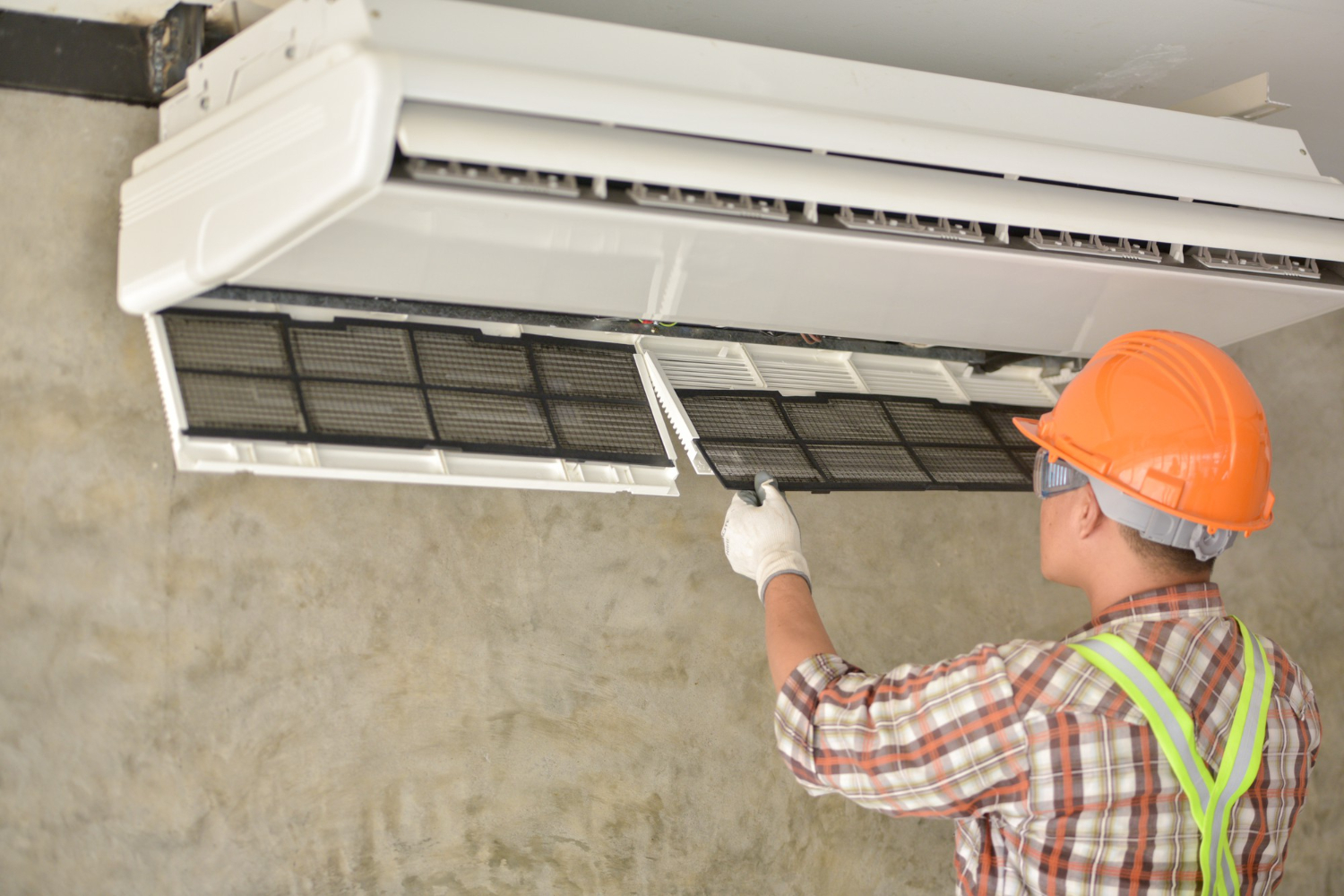
Because mini-splits recirculate air directly within individual rooms, their filters catch household dust, pet dander, and pollen. When these filters become clogged, airflow is restricted, forcing the blower motor to work harder and consume more electricity. We recommend checking your indoor unit filters every two to four weeks. Simply lift the front panel, slide the plastic mesh filters out. Rinse them with warm water and mild soap, let them air dry completely, and slide them back in. Keeping your filters clean ensures healthy indoor air quality and peak system efficiency.
Frequently Asked Questions
Ductless mini-splits are a highly practical upgrade for historic houses, offering answers to common questions about insulation, historic preservation, and installation.
Can you install a mini split in an old house?
Yes, ductless mini-splits are the ideal heating and cooling solution for older Colorado homes. They completely eliminate the need for bulky, invasive sheet-metal ductwork, allowing you to preserve historic plaster, high ceilings, and original woodwork. The entire installation requires only a small three-inch hole through the exterior wall to link the indoor air handlers with the outdoor compressor.
Do mini splits work in older homes with limited insulation?
While mini-splits can successfully heat and cool homes with poor insulation, they perform far more efficiently when drafty doors and windows are sealed. Weatherizing your attic and sealing prominent air leaks helps the mini-split maintain a stable temperature easily. Preventing the system from having to run at peak capacity and ensuring you receive the full energy-saving benefits of inverter technology.
Are ductless mini splits energy efficient for older homes?
Yes, ductless mini-splits are exceptionally energy efficient. Traditional central systems can lose up to 30% of their energy through leaky or uninsulated ductwork in attics and crawl spaces. Because mini-splits do not use ducts, they eliminate this energy waste entirely. Additionally, their variable-speed inverter compressors consume significantly less electricity than traditional on/off HVAC equipment.
How are refrigerant lines hidden in older historic homes?
Refrigerant lines are typically routed discreetly on the exterior of the house inside slim, durable line-set covers. These protective covers come in multiple colors and can be easily painted to match your home's historic siding or trim, making them virtually invisible. Inside, our technicians can route piping through closets, attics, or crawl spaces to keep the indoor installation completely clean.
Ready to schedule a free consultation for your older home?
Living in a historic Colorado home should not mean enduring uncomfortable drafts, uneven room temperatures, or sky-high utility bills. Our team at Cooley's Heating & Cooling is here to help you enjoy modern, zoned comfort while fully preserving the unique character of your property. As local heating and cooling experts serving Hotchkiss, Delta County, and the Western Slope, we provide professional. Site-specific assessments to find the perfect ductless solution for your home's specific layout and needs.
Ready to schedule a free consultation? Call (970) 778-8326 to talk to a local pro and book your free home visit today.