.png)




.png)


SEER ratings, BTUs, Manual J calculations—shopping for a new HVAC system can feel like learning a new language. When all you want is a straightforward answer to the new hvac system cost 1500 sq ft, the technical jargon can be overwhelming. We get it. That’s why we created this guide. We’re going to translate the technical details into plain English and give you a clear picture of what to expect. We’ll explore the different system options, explain what really matters when it comes to efficiency, and show you how factors like your home’s layout and insulation play a role in the final price.
Key Takeaways
- Budget for a Range, Not a Single Price: For a 1,500 sq. ft. home, expect to invest between $5,500 and $14,500 for a new HVAC system. The final cost depends on the unit's energy efficiency (SEER rating), the type of system you select, and your home's specific layout and ductwork.
- Prioritize a Quality Installation: The performance of your new system relies heavily on the skill of the installer, not just the brand name. A professional contractor will perform a "Manual J load calculation" to ensure the unit is perfectly sized for your home, which is critical for efficiency and comfort.
- Vet Your Contractor and Look for Rebates: Make your investment more manageable by exploring federal tax credits, local utility rebates, and manufacturer financing. When choosing a contractor, get multiple detailed quotes, confirm they are licensed and insured, and be wary of anyone who gives a price without a thorough home inspection.
How Much Does an HVAC System Cost for a 1500 Sq. Ft. Home?
Let's get straight to it: you want to know how much to budget for a new HVAC system. While there isn't a single price tag that fits every home, we can give you a solid idea of what to expect. The final cost for a home around 1,500 square feet depends on several factors, including the type of system you choose, its energy efficiency, and the specifics of your home's layout. Understanding these components will help you make a confident and informed decision for your home on the Western Slope.
Breaking Down Installation Costs
For a typical 1,500-square-foot home, the average cost for a new HVAC system installation is around $8,180. However, that number can shift quite a bit. According to recent cost analyses, you might pay as little as $5,500 for a basic, standard-efficiency model. If you opt for a premium, high-efficiency system with more features, the price could be closer to $14,500. This range reflects the wide variety of technology and performance levels available. A more efficient unit costs more upfront but can lead to lower energy bills over time.
Labor vs. Equipment: What's the Difference?
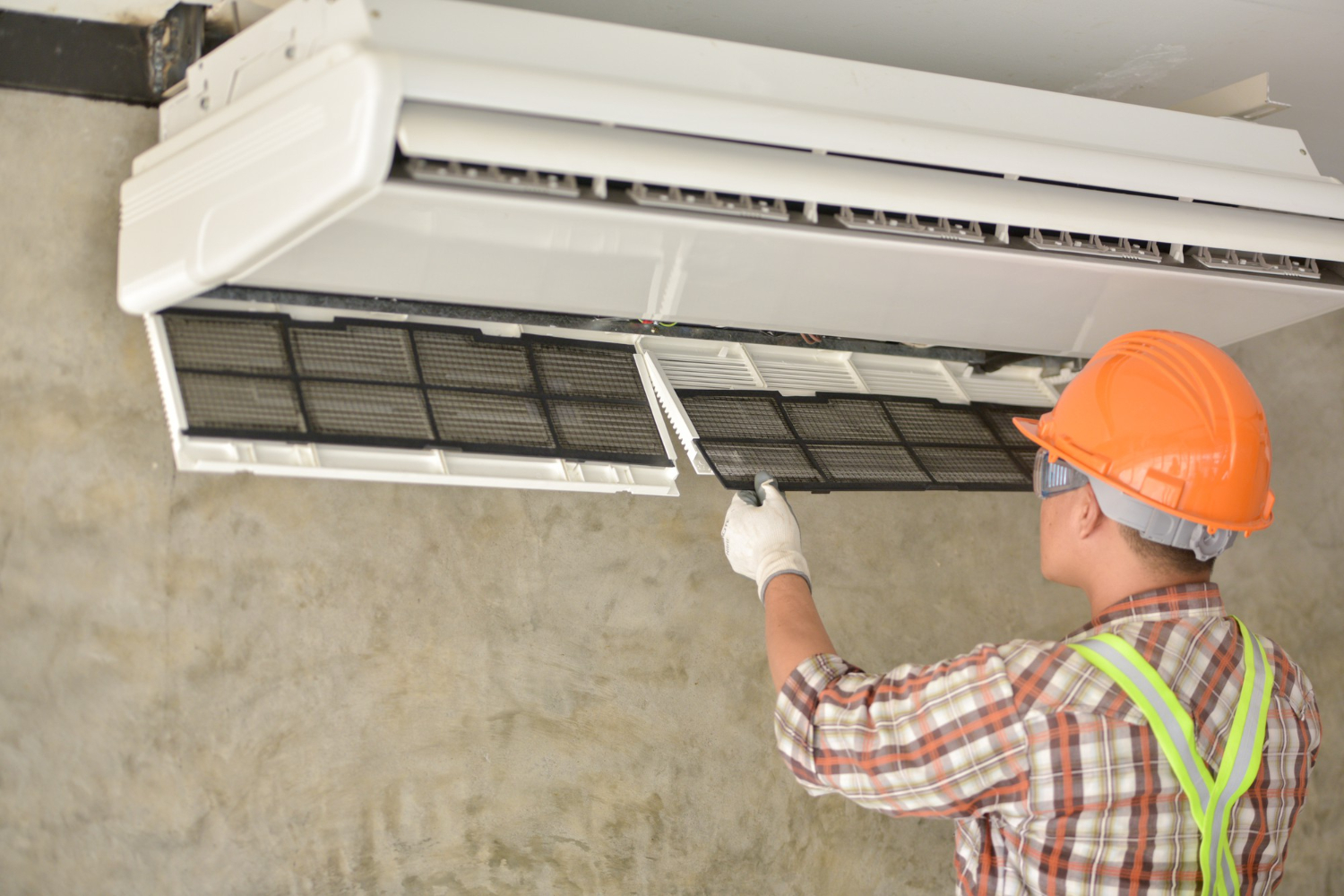
When you receive a quote for a new system, it’s helpful to understand where the money is going. Generally, the physical equipment (the furnace, air conditioner, etc.) makes up about 70% to 80% of the total cost. The remaining 20% to 30% covers professional labor. This portion is critical, as it pays for the technical expertise required to install your system safely, correctly, and in a way that maximizes its performance and lifespan. Proper installation from a certified technician ensures your new system runs as efficiently as promised, making professional HVAC services a crucial part of your investment.
What Are My HVAC System Options?
Choosing the right HVAC system for your home depends on several factors, including your budget, your home’s existing infrastructure (like ductwork), and your heating and cooling priorities. There isn't a single "best" option for everyone, but understanding the most common types of systems is the perfect place to start. From traditional central air to more flexible modern solutions, each has its own set of benefits. Let's look at the most popular choices for a home around 1,500 square feet so you can find the right fit for your needs on the Western Slope.
Central Air Conditioning
If your home already has ductwork, a central air conditioning system is often the most straightforward and popular choice for whole-home cooling. These systems use a network of ducts to distribute cool air evenly throughout your house. For a typical 1,500-square-foot home, the cost of replacing an air conditioner paired with a gas furnace averages around $8,180. Depending on the unit's efficiency rating and features, that price can range from about $5,500 for a basic model to over $14,000 for a high-performance system. It’s a reliable solution that provides consistent comfort in every room.
Ductless Mini-Splits
What if your home doesn't have ductwork? Ductless mini-split systems are an excellent and highly efficient alternative. These systems consist of an outdoor compressor connected to one or more indoor air-handling units, allowing you to create different temperature zones in your home. This is perfect for additions, older homes, or specific rooms that need extra cooling. The installation cost for a ductless split AC typically falls between $2,100 and $4,000. Their flexibility and efficiency make them a fantastic option for customized comfort without the need for major renovations.
Heat Pumps
Heat pumps are incredibly versatile systems that provide both heating and cooling from a single unit. In the summer, they work like an air conditioner, moving heat from inside your home to the outside. In the winter, they reverse the process, extracting heat from the outside air to warm your home. This two-in-one functionality makes them very energy-efficient. The price for installing a heat pump generally ranges from $2,900 to $7,500. Upgrading to a modern heat pump can make a big difference on your utility bills, especially if you're replacing an older, less efficient unit.
Gas Furnace and AC Combos
For a complete, year-round climate solution, many homeowners choose a traditional gas furnace and air conditioner combination. This setup provides powerful heating during our cold Colorado winters and reliable cooling for the summer months. The total cost for a new HVAC system that includes both components usually ranges from $10,000 to $20,000. Most homeowners find that a system costing around $14,000 effectively meets their needs. This comprehensive approach ensures you’re prepared for any weather the Western Slope throws your way, keeping your home comfortable all year long.
What Factors Influence Your HVAC Installation Cost?
When you get a quote for a new HVAC system, you're looking at more than just the price of the unit. The final cost is a complete package that includes the equipment, the complexity of the job, and the expertise required to get it done right. Several key factors can influence your total installation cost, and understanding them will help you make a more informed decision for your home. From the efficiency of the system you choose to the unique layout of your house, each element plays a part in the final number.
System Efficiency Ratings
One of the first things you'll notice when comparing HVAC systems is their efficiency rating. For air conditioners, this is the SEER (Seasonal Energy Efficiency Ratio) rating. In simple terms, a higher SEER rating means the unit uses less energy to cool your home. While a high-efficiency system might have a higher upfront cost, it can lead to lower monthly utility bills over its lifespan. It’s a balancing act between your initial budget and your long-term operating expenses. We can help you compare different models to find the sweet spot that works for your home and your wallet.
Your Home's Layout and Existing Ductwork
Every home is different, and the size, shape, and layout of your house directly affect the installation. A larger, more complex home may require more labor and materials than a smaller, simpler one. Your existing ductwork is another major factor. If your ducts are old, leaky, or improperly sized, they can’t effectively deliver conditioned air where it needs to go. In some cases, repairing or replacing sections of your home's air ducts is necessary for the new system to perform correctly, which can add to the overall project cost. A thorough inspection is the only way to know for sure.
Local Climate and Home Insulation
Here on the Western Slope, our climate demands a lot from an HVAC system. We have hot summers and cold winters, so you need a unit that can handle both extremes without working overtime. The quality of your home's insulation also plays a huge role. A well-insulated house holds onto heated or cooled air more effectively, which means your HVAC system doesn't have to run as often. If your home has older windows or poor attic insulation, you might need a more powerful system to keep things comfortable, which can influence the price.
Labor Rates and Local Permits
The cost of professional labor is a significant part of any HVAC installation. This covers the expertise, training, and time of the certified technicians who will be installing your system safely and correctly. Additionally, most municipalities require permits for HVAC replacement to ensure the work meets local building codes. The cost of these permits and the time it takes to secure them are factored into the project total. A professional contractor will handle all the necessary permits for you, ensuring your installation is compliant and safe from start to finish.
What Size HVAC System Does My Home Need?
When you’re looking for a new HVAC system, it’s easy to think that a bigger, more powerful unit is always the better choice. But that’s a common myth that can lead to an uncomfortable home and wasted energy. Finding the system that is perfectly sized for your space is the real key to efficient, year-round comfort. This isn’t about guesswork; it’s about a precise calculation that takes your home’s specific characteristics into account. A professional assessment ensures you get exactly what you need, no more and no less.
Understanding Load Calculations and BTUs
To find the perfect HVAC size, a technician performs a detailed analysis known as a Manual J load calculation. This isn't just about square footage. The calculation considers dozens of factors, including your home's layout, the number and quality of your windows, insulation levels, local climate, and even how much sun your home gets. The result of this calculation determines your home's heating and cooling needs, which are measured in BTUs (British Thermal Units). A BTU is simply a unit of heat, so the more BTUs a system has, the more heating or cooling power it provides. The load calculation tells us exactly how many BTUs are needed to keep your home comfortable.
Why Proper Sizing Matters
Choosing the right size is critical for both your comfort and your wallet. An HVAC system that’s too large will turn on and off frequently, a process called short cycling. This not only wastes a tremendous amount of energy but also fails to properly dehumidify your home, leaving the air feeling clammy. An oversized unit also experiences more wear and tear. Conversely, a system that’s too small will run constantly on extreme weather days, struggling to keep up. This constant operation strains the components and drives up your energy bills. Properly sizing your system ensures it runs efficiently, maintains a consistent temperature, and lasts as long as it should.
Finding the Best HVAC Brand for Your Home
Choosing an HVAC brand can feel like a huge decision. With so many names on the market, how do you know which one is right for you? While the brand name on the unit is important, it’s only one part of the puzzle. The quality of the installation is just as critical to your system’s performance and lifespan. A top-of-the-line unit installed incorrectly will never work as well as a mid-range unit installed by a skilled professional.
After more than 20 years in the business, we’ve seen it all. We’ve worked with countless systems and have a clear understanding of which brands deliver consistent, reliable performance for homes here on the Western Slope. We believe in being transparent, so while we have our top pick, we also want to give you a fair look at other leading brands. This way, you can feel confident you’re making an informed choice for your home and family.
Why We Recommend Daikin Systems
As an exclusive Daikin dealer, we stand behind their products because we’ve seen them perform time and time again. Daikin is a global leader known for its advanced technology and incredibly energy-efficient models. Their systems provide superior comfort and are famous for their quiet operation, so you’ll barely even notice they’re running. We recommend Daikin because their commitment to innovation and quality aligns with our own promise to provide the best possible HVAC solutions to our customers. When we install a Daikin system, we’re confident it will deliver reliable comfort and long-term value for your home.
Comparing Other Top Brands: Carrier, Trane, and Rheem
Of course, Daikin isn't the only reputable brand out there. You’ve likely heard of names like Carrier, Trane, and Rheem, and for good reason. These brands have built strong reputations over decades. Carrier and Rheem are trusted names known for their reliability and are widely available. Trane is another industry heavyweight, recognized for its durable engineering, which is often shared with its sister brand, American Standard. While these are all solid choices, the best fit often depends on the specific model and, most importantly, the quality of the installation team handling the job.
Exploring Alternatives: American Standard and Lennox
Two other brands that consistently rank high are American Standard and Lennox. American Standard is often praised by contractors for its consistent parts support and durable design, with some models featuring anti-corrosion cabinets that stand up well to the elements. It’s a great choice for homeowners looking for high-quality performance at a mid-range price. Lennox is another strong contender, particularly known for its focus on creating some of the most energy-efficient systems available. Ultimately, while these are all excellent brands, the best system for you will match your home’s specific needs, your budget, and the expertise of your chosen contractor.
What Energy-Efficient Features Should I Look For?
When you’re looking at the price of a new HVAC system, it’s easy to focus on the initial number. But the true cost of your system includes what you’ll pay to run it month after month. Choosing an energy-efficient model is one of the smartest long-term investments you can make for your home. These systems are designed to provide consistent comfort using less power, which is great for your wallet and the environment. An efficient system doesn't just keep your home at the right temperature; it works smarter, not harder, to get there, reducing greenhouse gas emissions and lowering your carbon footprint.
Energy-efficient features aren't just about complicated technology; they're about smart design that works for you. From advanced compressors that adjust their output to smart thermostats that learn your schedule, modern HVAC systems offer more control and better performance than ever before. Think of it as the difference between an old flip phone and a new smartphone. Both make calls, but one does it much more efficiently and comes with features that make your life easier. By prioritizing these features, you can ensure your new system keeps your home comfortable and your utility bills manageable for years to come. It's about finding the right balance between upfront cost and long-term operational expenses.
High SEER Ratings and Modern Technology
One of the first things you'll see when comparing air conditioners is the SEER, or Seasonal Energy Efficiency Ratio. Think of it like the MPG rating for your car: the higher the number, the more efficient the unit is. A higher SEER rating means the system uses less electricity to cool your home. Modern systems also feature incredible advancements like inverter technology, which allows the compressor to adjust its speed instead of just turning on and off. This makes the system more responsive to your home's needs, providing steady comfort with minimal energy use and avoiding those jarring, noisy startups.
Smart Thermostats and Humidity Control
A great HVAC system gets even better with the right controls. Smart or programmable thermostats let you set a schedule for your heating and cooling, so you aren’t wasting energy when you’re away or asleep. Many can even be controlled from your phone, giving you total command over your home's climate. Another key feature is humidity control. An efficient HVAC system helps manage the moisture levels in your home, which can make a huge difference in how comfortable you feel. When the humidity is right, you can often set your thermostat a few degrees higher in the summer and still feel perfectly cool.
Considering Long-Term Energy Use
Investing in an energy-efficient HVAC system is a forward-thinking move. While a high-efficiency unit might have a higher initial cost, it pays you back over time. A new, more efficient system can significantly lower your utility bills and make your home a more pleasant place to be. Plus, choosing these advanced systems helps reduce your home's carbon footprint. By focusing on long-term performance instead of just the upfront price, you’re choosing a solution that provides lasting comfort and value for your family and your finances.
Are Rebates and Financing Available?
A new HVAC system is a significant investment in your home’s comfort, but the initial cost doesn't have to be a barrier. Several programs and offers are available to help you manage the expense of a high-efficiency system. From federal tax credits to local utility rebates, you have options that can make your upgrade more affordable. The key is knowing where to look and what to ask for. Exploring these avenues can make a big difference in your budget, allowing you to get a better, more efficient system for your home. Let’s walk through the main types of financial assistance you can find.
Federal Tax Credits and State Rebates
Government programs are a great starting point for reducing the cost of a new HVAC system. The federal government often provides energy tax credits for homeowners who install high-efficiency heating and cooling equipment. These credits can directly reduce the amount of tax you owe. On top of that, many states have their own programs. Here in Colorado, you can check for home energy rebates that might apply to your specific project. These programs are designed to encourage energy efficiency, so they typically reward you for choosing systems that use less power.
Manufacturer Incentives and Financing Programs
HVAC manufacturers want to make their systems as accessible as possible, so they frequently offer their own promotions. Brands like Daikin often provide seasonal rebates or special financing options to qualified buyers. These deals can include low-interest or even 0% APR financing for a set period, which spreads the cost out over time without extra fees. When you get a quote from a contractor, always ask if there are any current manufacturer incentives available for the systems you’re considering. As a Daikin dealer, we stay up-to-date on the latest offers to help you get the best value.
Local Utility Company Offers
Don’t forget to check with your local utility provider. Companies that supply your electricity or natural gas are also interested in helping you reduce energy consumption. Many offer their own rebate programs for customers who upgrade to energy-efficient appliances, including new HVAC systems. For example, providers like Xcel Energy have straightforward rebate applications for installing qualifying air conditioners, furnaces, and heat pumps. A quick visit to your utility company’s website or a phone call can uncover opportunities to lower the final price of your installation.
What to Expect on Installation Day
Getting a new HVAC system is a big step, and it’s natural to wonder what the installation day will actually look like. Knowing what’s coming can make the entire process feel much smoother and less disruptive. Our team at Cooley's is committed to making your installation experience as seamless as possible, with clear communication and respect for your home from start to finish. We handle all the heavy lifting, but a little preparation on your end can help ensure everything goes off without a hitch.
The Installation Timeline and Process
A standard HVAC installation typically takes our team about one to two days to complete. This timeline covers removing your old system and getting the new one up and running. However, if your project is more complex, like if it requires installing brand-new ductwork or making significant modifications to your home, the process might extend to three to five days. We’ll always give you a clear and accurate timeline before we begin so you know exactly what to expect.
On the day of the installation, our professional technicians will arrive on time, ready to work. We start by carefully prepping the work area, using drop cloths and other protective gear to keep your home clean. After we safely remove your old equipment, we’ll begin installing the new unit, making all the necessary connections. Once everything is in place, we’ll thoroughly test the system to ensure it’s running perfectly and efficiently. We won’t leave until we’ve walked you through your new system and answered all your questions.
How to Prepare Your Home for Installation
A little prep work can make a big difference on installation day. Before our team arrives, take a moment to clear a path to your indoor and outdoor units. This includes moving any furniture, decorations, or outdoor equipment that might be in the way. It’s also a good idea to keep pets and small children safely away from the work area.
If you're still in the planning phase, one of the best things you can do is get multiple quotes to compare your options. When you do, make sure each estimate details the same specifications, like the equipment brand, SEER rating, and whether the existing ductwork will be used or replaced. This helps you make a true apples-to-apples comparison. If your ducts are over 20 years old or you’ve noticed leaks, this is the perfect time to discuss replacing them to get the most efficiency out of your new system.
How to Choose the Right HVAC Contractor
Choosing the right HVAC system is only half the battle; finding the right person to install it is just as critical. A great contractor ensures your new system runs efficiently and safely for years to come. Think of it as finding a long-term partner for your home's comfort. A rushed decision can lead to improper installation, voided warranties, and years of headaches. The quality of the installation directly impacts your system's performance and lifespan, so this isn't a step to take lightly.
On the Western Slope, you have options, but not all contractors are created equal. You want a team that is not only technically skilled but also trustworthy and committed to your satisfaction. This means looking beyond the price tag and evaluating a company's reputation, experience, and process. A professional contractor will guide you through the options, perform a thorough assessment of your home, and provide a clear, detailed proposal without any high-pressure sales tactics. They should be able to explain why they recommend a certain size or type of unit and how it will meet your specific needs. Taking the time to vet your options will pay off with a reliable system that keeps your family comfortable through every Colorado season. To help you find a reliable professional, focus on these key steps.
Get and Compare Multiple Quotes
It’s always a good idea to get at least two or three written quotes before making a decision. This isn't just about finding the lowest price. It's about understanding what you're paying for. A good quote is detailed, breaking down the costs for equipment, labor, and any additional materials. Make sure each contractor is quoting the same type of system with a similar SEER2 rating so you can make a fair comparison. If one quote is significantly lower than the others, ask why. It could be a sign of lower-quality equipment or an inexperienced installer.
Check for Licenses, Insurance, and Experience
Never hire a contractor who can't provide proof of proper licensing and insurance. This protects you from liability if an accident happens on your property. Beyond the basics, look for a team with proven experience. A true professional won't just guess what size system you need based on square footage. They will perform a detailed "Manual J Load Calculation" to assess your home's unique layout, insulation, and window placement. This calculation is the only way to guarantee your new system is sized perfectly for maximum comfort and efficiency. Our team at Cooley's has been serving this community for over 20 years, and we always start with a thorough home evaluation.
Contractor Red Flags to Watch For
Trust your instincts during the quoting process. If a contractor seems unprofessional or makes you feel uncomfortable, it’s best to walk away. Be cautious of anyone who gives you a quote over the phone without seeing your home, pressures you into an immediate decision, or asks for a large cash payment upfront. A major red flag is a contractor who dismisses the need for a Manual J calculation or suggests cutting corners, like installing too few return air vents. A reputable company will be transparent, answer all your questions, and provide a clear breakdown of their HVAC services and installation process.
Related Articles
Frequently Asked Questions
Why is there such a big price difference for HVAC systems? The wide price range, from about $5,500 to over $14,000, comes down to technology and features. A basic, standard-efficiency system will fall on the lower end of that spectrum. A premium, high-efficiency model with advanced components like a variable-speed compressor will have a higher upfront cost. The final price also depends on the unique needs of your home, such as the condition of your ductwork and the complexity of the installation itself.
Is a high-efficiency system really worth the extra cost? In most cases, yes. While a high-efficiency unit requires a larger initial investment, it uses significantly less energy to keep your home comfortable. This can lead to lower monthly utility bills for the entire life of the system. It's helpful to think of it as a long-term investment that pays you back over time through reduced operating expenses.
My house doesn't have ductwork. What are my options? If your home doesn't have existing ducts, a ductless mini-split system is a fantastic solution. These systems use an outdoor unit connected to one or more indoor air handlers, which are typically mounted on a wall. This allows you to cool (and often heat) specific rooms or zones without the major renovation project of installing a full duct system.
How do I know what size HVAC system my home needs? The only truly accurate way to determine the right size is with a professional load calculation, also known as a Manual J. This detailed analysis considers much more than just square footage; it accounts for your home's insulation, window quality, layout, and even sun exposure. This calculation ensures your system isn't too large or too small, which is critical for it to run efficiently and effectively.
Besides the brand, what's the most important thing to consider? The quality of the installation is just as crucial as the brand of equipment you choose. Even the best system on the market will fail to perform well if it's installed improperly. Selecting a licensed, experienced, and reputable contractor who performs a thorough home assessment is the best way to protect your investment and ensure your new system provides reliable comfort for years to come.