.png)





.png)

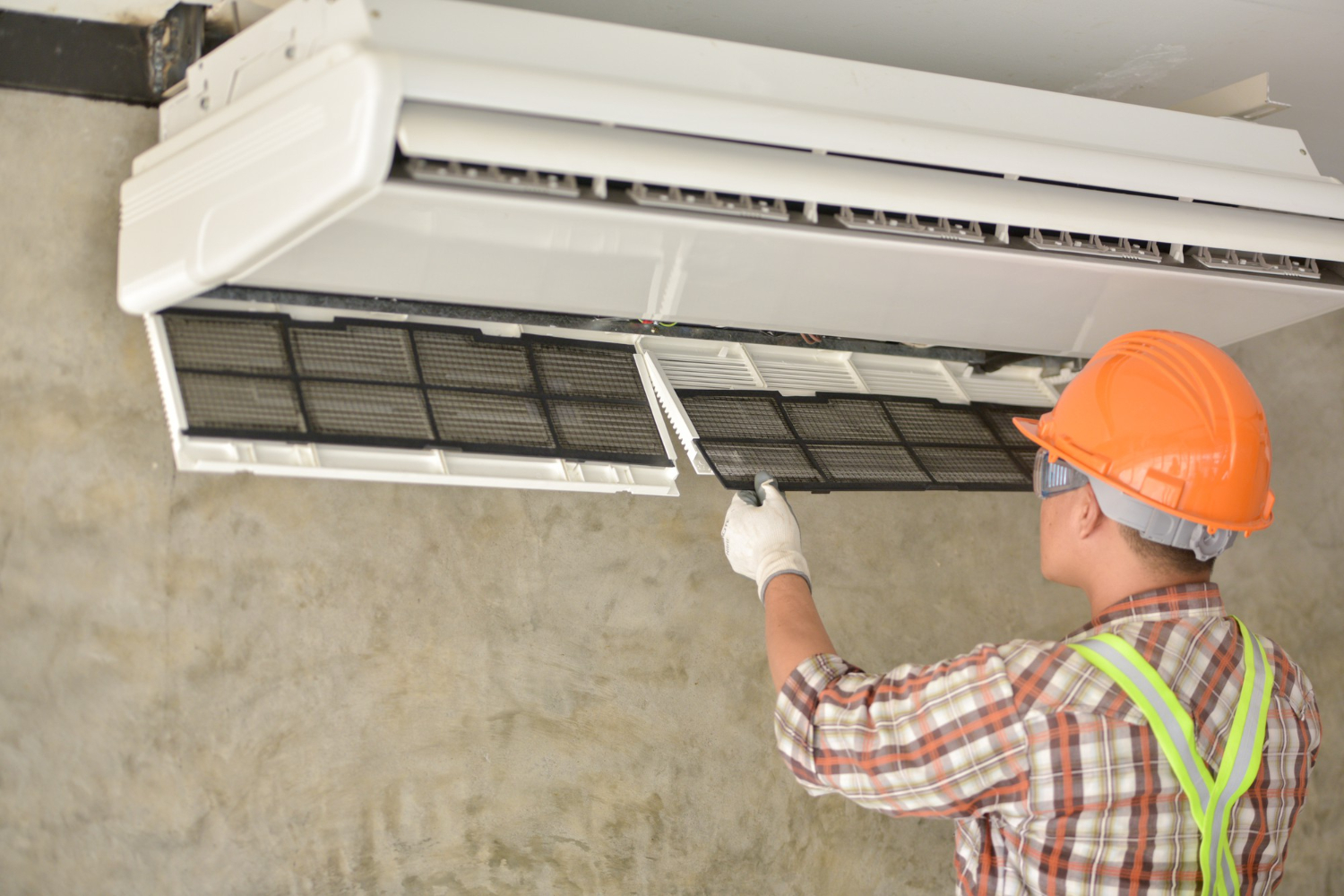
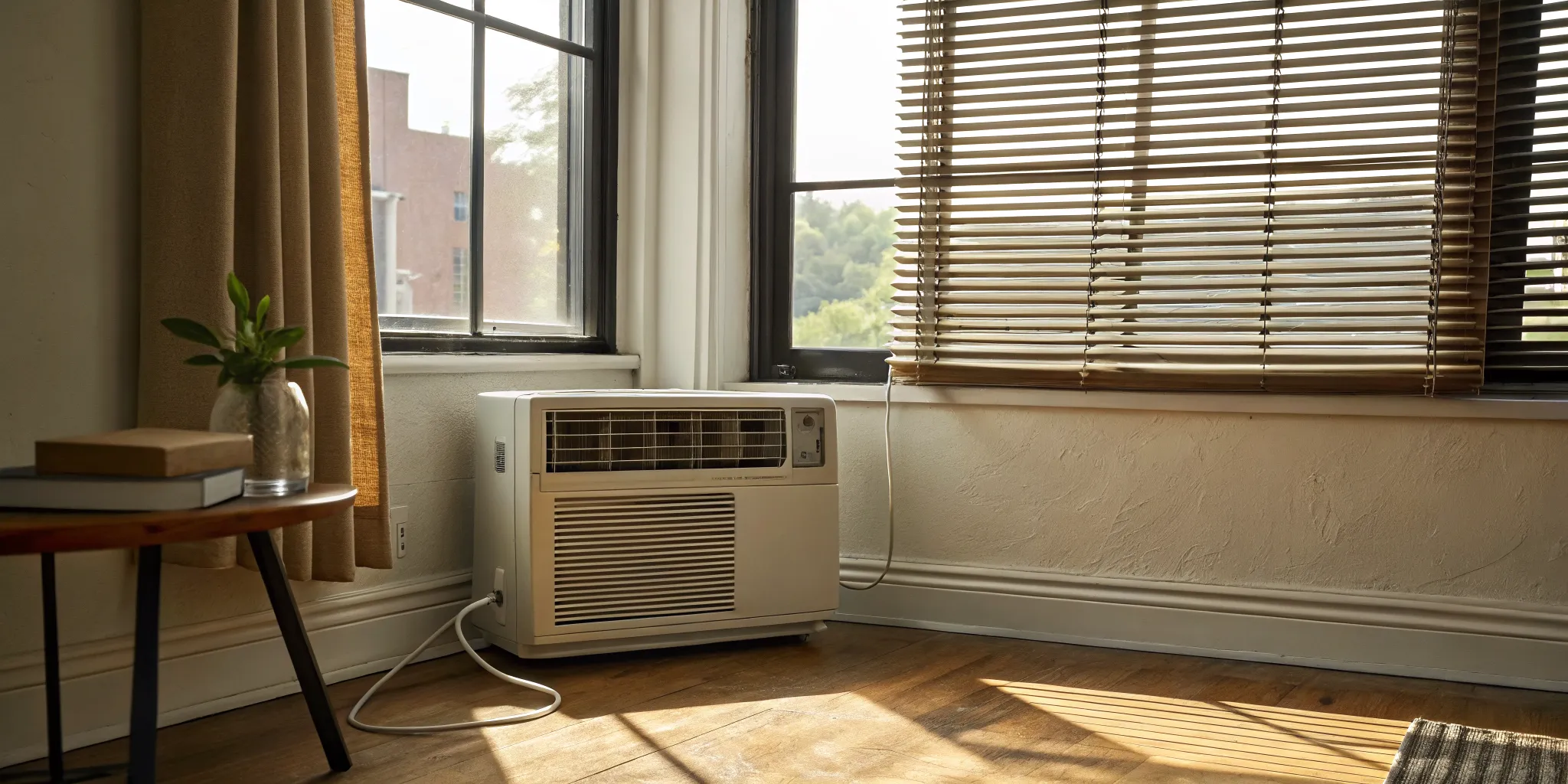
If you’ve spent another summer shuffling fans and dealing with noisy, dripping window AC units, you’re probably wondering if there’s a better way. The constant hum, the uneven cooling, and the hassle of installing and removing them every year can wear you down. For many homeowners on the Western Slope, the idea of whole-home comfort feels like a distant dream. This is where the conversation about replacing window ac with central air truly begins. It’s a significant upgrade, but it promises a level of consistent, quiet cooling that window units simply can’t match. This guide will walk you through the real differences, helping you decide if it’s the right time to make the switch.
Key Takeaways
- Match the system to your space: Central air is designed for consistent, whole-home comfort, making it the best choice for most houses. Window units are a practical and affordable solution for cooling single rooms, small apartments, or for renters.
- Weigh the upfront cost against long-term value: While window units are much cheaper to buy, a central air system is a home investment that can increase property value, provide better energy efficiency, and last significantly longer.
- Preparation and maintenance are essential: Before upgrading to central air, have a professional assess your home's insulation, ductwork, and electrical panel. Once installed, simple upkeep like changing filters and scheduling annual tune-ups is crucial for performance.
Window AC vs. Central Air: What's the Real Difference?
When the Colorado sun starts beating down, you want a reliable way to cool your home. For many, the choice comes down to window air conditioners or a central air system. While both get the job done, they work very differently and offer distinct experiences. Understanding these differences is the first step in deciding which cooling solution is right for your home, your family, and your budget. Let's walk through how each system operates and what you can expect from them in terms of comfort and convenience.
How a Window AC Unit Works
A window AC unit is a self-contained cooling box designed to cool a single room. It works by pulling warm air from the room, running it over refrigerated coils to cool it down, and then blowing the newly chilled air back into the space. The heat and condensation it collects are vented out the back of the unit, which sits outside your window. These units are a straightforward, short-term solution for beating the heat in a specific area, like a bedroom or a small studio apartment. However, they aren't designed for whole-house cooling. Unless your home is very small (think under 500 square feet), you would need multiple units to cool different areas, and even then, the coverage can be inconsistent.
How Central Air Conditioning Works
Central air conditioning is a comprehensive system designed to cool your entire home at once. It uses a split system, with an outdoor unit (the condenser) and an indoor unit (the evaporator coil). The system pulls warm air from inside your house through return vents, cools it by passing it over the evaporator coil, and then distributes the cool air evenly throughout every room using a network of ducts. If your home already has ductwork from a furnace, a central air conditioning system is often the most effective choice. It integrates seamlessly to provide consistent temperatures from room to room, creating a more comfortable and unified living environment without the need for individual units.
Comparing Coverage, Comfort, and Noise
The most significant difference you'll feel is in overall comfort. Central air provides even, consistent cooling everywhere, while window units create cold spots near the unit and leave other areas of the room warm. Central systems are also much quieter since the noisy compressor is located outside your home. A window unit, on the other hand, houses all its working parts right in your living space, creating a constant hum. Beyond temperature, central air offers more benefits for your home's atmosphere. These systems can filter all the air in your home, which is a huge plus for anyone dealing with allergies or asthma. They also help control humidity levels throughout the house, making the air feel more comfortable on those muggy summer days.
Busting Common AC Myths
Many homeowners wonder why they should invest in a central air system when they could buy several window units for a fraction of the upfront cost. While window units are cheaper to purchase, it's important to look at the bigger picture. Central air is a long-term investment that adds to your home's value. It's a hidden system that doesn't block your views or create an eyesore on the side of your house. While modern window units have improved, central systems are generally built to last longer and operate more efficiently over time. Thinking about a whole-house cooling solution means considering not just the initial price but also long-term performance, aesthetics, and the overall comfort of your home.
The Perks of Upgrading to Central Air
If you’ve ever found yourself shuffling window AC units from room to room, you know the struggle is real. While they offer a quick fix for a hot day, they fall short of providing true, whole-home comfort. Upgrading to a central air conditioning system is a significant home improvement, but the benefits often extend far beyond just cooling. From cleaner air to a quieter home and even a bump in property value, making the switch can completely transform your living experience, especially during our warm Western Slope summers.
A central air system is an integrated solution that addresses temperature, air quality, and even home aesthetics in one go. If you’re weighing your options, understanding these perks is the first step toward deciding if this upgrade is the right move for you and your family.
Enjoy Consistent Cooling in Every Room
One of the biggest frustrations with window units is their inability to cool a space evenly. You end up with one room that feels like a walk-in freezer while the hallway remains uncomfortably warm. Central air conditioning solves this problem by distributing cooled air through a network of ducts. As noted by experts at Trane, a central system is designed to cool every room evenly, eliminating those annoying hot and cold spots. This means you can finally enjoy a consistent, comfortable temperature from the living room to the bedrooms without constantly adjusting thermostats or moving fans around.
Breathe Easier with Better Indoor Air Quality
Your home should be a refuge, especially if you or your family members deal with allergies or asthma. Central air systems play a huge role in improving your home’s indoor air quality. Unlike window units that offer minimal filtration, a central HVAC system pulls air from your home and passes it through a high-efficiency filter before recirculating it. This process traps dust, pollen, pet dander, and other airborne irritants. The result is cleaner, healthier air throughout your entire house, helping everyone breathe a little easier. It’s a benefit you can feel with every breath.
Reclaim Your Windows and Improve Your Home's Look
Let’s be honest: window AC units aren’t exactly a design statement. They’re bulky, block your view, and prevent you from opening your windows to enjoy a cool evening breeze. As one Green Building Advisor points out, window units can look messy, while central systems are neatly hidden away. Upgrading to central air allows you to reclaim your windows, letting in more natural light and restoring your home’s curb appeal. Plus, it eliminates a potential security risk, since window units can sometimes offer an easy entry point for intruders. You get a cleaner look and more peace of mind.
Increase Your Home's Value and Long-Term Appeal
Think of central air as an investment in your property. While it requires an upfront cost, it’s a feature that significantly adds to your home’s long-term value. A central air system typically lasts around 15 years or more with proper maintenance, far outliving the 8-to-10-year lifespan of most window units. For potential buyers, central air is often a non-negotiable feature, making your home more competitive and appealing on the market. It’s a durable upgrade that delivers comfort now and a solid return if you ever decide to sell.
Breaking Down the Cost: Window AC vs. Central Air
Let’s get right to it and talk about the budget, because for most of us, it’s the deciding factor. The price difference between window units and central air is substantial, and it’s important to look at the full picture. This isn’t just about the initial purchase price. You also have to weigh the costs of installation, long-term energy use, and how each system will affect your monthly utility bills down the road.
Think of a central air system as a major home improvement, like a kitchen remodel or a new roof. The upfront cost is higher because it’s a permanent, whole-home solution that requires professional installation. On the other hand, window units have a very low barrier to entry. You can pick one up from a store and have it running in an hour. But the "cheaper" option today might not be the most economical choice over the next decade. We’ll break down what you can expect to pay for each, so you can see how the numbers really stack up for your home and your financial plans.
What to Expect for Central Air Installation
Installing a central air conditioning system is a significant investment in your home's comfort and long-term value. On average, a complete system installation can be around $30,000. This price tag covers a comprehensive solution, including the outdoor unit, the indoor air handler, and the professional installation of ductwork throughout your home. While that number can feel like a hurdle, it pays for a permanent upgrade that delivers consistent, quiet cooling to every room. Many homeowners find the lasting comfort and convenience are well worth the initial expense, especially here on the Western Slope where summer heat is no joke.
The Upfront and Ongoing Costs of Window Units
In sharp contrast, window AC units are much more accessible from a cost perspective. You could outfit an entire home with modern, high-quality window units for as little as $2,700. This makes them more than ten times cheaper to purchase and install yourself compared to a central system. The main appeal is the low upfront cost and the flexibility to cool only the rooms you’re currently using. However, it’s important to remember that these units have a much shorter lifespan than central systems, and you may find yourself replacing them every few years, which adds to the total cost over time.
How Energy Efficiency Affects Your Monthly Bills
While a central air system uses more power to cool an entire house, it’s often more energy-efficient at doing its job. Modern central systems have high efficiency ratings (measured as SEER), meaning they use less energy to produce more cool air. For example, a central system might have a SEER of 18, while a good window unit’s efficiency (measured as CEER) might be around 15. A whole-house AC system is designed to bring your home to a set temperature and maintain it by running in longer, more efficient cycles. Window units, however, often turn on and off frequently to manage the temperature in a single room, which can waste energy and lead to higher utility bills.
Is Your Home Ready for Central Air?
Making the switch to central air is a big decision, and it involves more than just picking out a new unit. Your home itself needs to be ready for the upgrade. Think of it as preparing a solid foundation before building the house. If your home has leaky ducts, poor insulation, or an outdated electrical panel, even the most powerful central air system will struggle to keep you comfortable and run efficiently.
Before you call for an installation, it’s smart to walk through a few key checkpoints. Understanding your home’s current setup, from its ductwork to its insulation, will help you get a clearer picture of the full scope of the project. This isn't about finding roadblocks; it's about creating a smooth path to a cooler, more comfortable home. Let’s look at what makes a house a great candidate for a central air system.
Assess Your Home's Size and Existing Ductwork
First, take a look at what you’re already working with. Does your home have an existing duct system for a furnace? If so, you’re already a step ahead. Using that existing ductwork is often the most straightforward way to install a central air system because the pathways for cool air are already in place. This helps keep the installation process simpler and more affordable.
If your home doesn't have ducts, don't worry, it’s not a dealbreaker. Ductwork can be installed, but it will add to the project's timeline and cost. A professional can assess your home’s layout to find the best way to add ducts with minimal disruption. The size of your home also plays a huge role in ensuring the system cools every room evenly without wasting energy.
Check Your Insulation and Electrical Capacity
Imagine trying to fill a leaky bucket with water. That’s what it’s like running an air conditioner in a poorly insulated home. Before you invest in a new AC system, check the state of your insulation in the attic, walls, and crawl spaces. Often, what feels like a struggling AC is actually an issue with poor insulation or leaky ducts letting all that cool air escape. Adding or upgrading insulation can make a massive difference in your system's performance and your energy bills.
You’ll also need to make sure your home's electrical system can handle the new load. Central air conditioners require a dedicated 240-volt circuit, which many older electrical panels may not have. A quick look at your home’s electrical panel by a professional will tell you if an upgrade is needed to safely power your new system.
Factor in Our Western Slope Climate
Living here on the Western Slope means we get to enjoy beautiful scenery, but it also means dealing with intense, dry summer heat. While a window unit might offer a little relief in a single bedroom, it’s generally a short-term fix that can’t effectively cool an entire house. During our summer heat waves, you’re often left shuffling from one cool spot to another, while the rest of the house feels stuffy and warm.
This is where central air truly shines. It’s designed to provide consistent, whole-home comfort, which is a necessity for families in our region. Instead of fighting the heat room by room, you can create a cool, comfortable retreat throughout your entire home. It’s an upgrade that matches the demands of our local climate and improves your quality of life all summer long.
Align the Upgrade with Your Comfort Goals and Budget
Ultimately, the decision comes down to what you want for your home and what fits your budget. The upfront cost of a central air system is higher than buying a few window units. However, it’s important to see it as a long-term investment in your comfort, air quality, and your home’s overall value. Are you tired of the constant noise from window units, the hassle of installing and removing them each year, and losing your window views?
Think about your long-term comfort goals. If you plan to stay in your home for years to come, the consistent cooling and improved air quality from a central system can be invaluable. The best first step is to get a clear idea of the costs for your specific home. A professional assessment from our team can give you a detailed quote and help you weigh the long-term benefits against the initial investment.
What to Expect During a Central Air Installation
Making the switch to central air is an exciting upgrade for your home, but it’s natural to wonder what the installation process actually involves. It’s more than just plugging something in; it’s a professional construction project that our team has perfected. Knowing the steps can make the entire process feel smoother and less disruptive. From the first measurement to the final system check, here’s a clear, step-by-step look at what happens when we install a new central air system in your home.
The Initial Assessment and System Sizing
The first step is a thorough evaluation of your home. One of our technicians will visit to take measurements and assess key factors like your home’s square footage, layout, window quality, and insulation levels. This isn’t just a formality; it’s crucial for sizing your new system. A unit that’s too big will cycle on and off too frequently, wasting energy and failing to remove humidity properly. A unit that’s too small will run constantly without ever making your home comfortable. The U.S. Department of Energy highlights that getting the size just right is one of the most important factors for ensuring your new system provides efficient, effective cooling for years to come.
Installing or Modifying Ductwork
Your central air system needs a network of ducts to deliver cool air throughout your home. If you’re upgrading from window units, you likely won’t have existing ductwork, so our team will design and install a new system. We’ll find the best, least intrusive routes to run the ducts. If you have existing ductwork from a furnace, we’ll inspect it to make sure it’s properly sealed, insulated, and sized for air conditioning. The performance of your new AC is heavily dependent on the quality of your ductwork. As industry experts like ASHRAE confirm, a well-designed duct system is essential for maximizing the efficiency and effectiveness of your entire HVAC setup.
Placing the Outdoor Unit and Handling Permits
A central air system has two main components: the indoor unit (the evaporator coil) and the outdoor unit (the condenser). We’ll find a stable, level spot for the outdoor unit on the side or back of your house where it has plenty of room for airflow. Proper placement is key for both performance and easy maintenance access. Additionally, most installations require local permits to ensure the work meets safety and building codes. Don’t worry about the red tape; as your professional contractor, Cooley’s handles the entire permitting process for you, making sure your installation is done right and fully compliant with all local regulations.
Common Installation Hurdles to Prepare For
Even with the best planning, we can sometimes run into surprises, especially in older homes. It’s helpful to be aware of potential hurdles that might pop up during an installation. For example, we might discover that your home’s electrical panel needs an upgrade to handle the new system’s power requirements. In other cases, existing ductwork might need more extensive repairs than initially thought. While these issues can affect the project timeline and budget, our team is experienced in finding effective solutions. We believe in clear communication, so if we find anything unexpected, we’ll discuss it with you immediately and present all your options before moving forward.
How Long Will the Installation Take?
The big question everyone asks is, "How long will my house be a work zone?" The good news is, it’s usually a pretty quick process. A typical central air installation takes between one and three days. If your home already has suitable ductwork, we can often complete the job in a single day. If we need to install a full duct system from scratch, it will naturally take longer, usually closer to three days. The size of your home and the complexity of the installation are the main factors. We’ll give you a clear and reliable timeline upfront so you know exactly what to expect and can plan accordingly.
When Sticking with Window AC Is the Smart Choice
While a central air system is a fantastic upgrade for many homes on the Western Slope, it’s not the right solution for every situation. Sometimes, the most practical and sensible choice is a trusty window AC unit. If you find yourself in one of the following scenarios, sticking with a window unit might be the smartest move for your home and your budget. It's all about finding the right cooling solution that fits your specific needs right now, and we're here to help you figure that out.
For Cooling a Single Room or Small Home
If your main goal is to cool a specific area rather than your entire house, a window AC is an efficient and effective choice. Think of a home office that gets too warm in the afternoon, a guest room, or a bedroom that needs extra cooling at night. Window units are designed for this exact purpose. They are generally a good fit for very small homes or individual rooms under 500 square feet. For a small apartment or a single room, a window unit provides targeted comfort exactly where you need it, without the expense of cooling unused areas of your home.
If You're Working with a Tight Budget
Let’s be direct: installing a central air system is a major home investment. While it adds long-term value, the upfront cost isn't always feasible. In contrast, window AC units are significantly more affordable to purchase and install. If a full HVAC upgrade isn't in your current home improvement budget, a window unit can provide immediate relief from the summer heat without causing financial strain. It’s a perfectly reasonable way to stay cool while you plan or save for future home projects.
For Renters or Temporary Housing Situations
If you’re renting your home, making a permanent modification like installing central air is usually off the table. Window AC units are the ideal solution for renters because they are temporary and portable. You can install one for the summer and remove it when the weather cools down, all without making permanent changes to the property. This flexibility is perfect for anyone in a temporary living situation who needs reliable cooling without a long-term commitment or a complex installation process that would require a landlord’s approval.
Keep Your Central Air System Running Smoothly
Once your central air conditioning is installed, you’ll want to keep it in top shape. Think of it like a car; a little routine care goes a long way in preventing breakdowns and maintaining performance. Proper maintenance ensures your system runs efficiently, keeps your air clean, and extends its lifespan, protecting your investment for years to come. Thankfully, most of the key tasks are simple and straightforward. By staying on top of a few key areas, you can enjoy reliable, consistent comfort all summer long without worrying about unexpected issues or high energy bills. Here are the four most important habits to adopt.
Change Your Air Filters on Schedule
This is one of the easiest and most important maintenance tasks you can do yourself. A dirty, clogged air filter forces your HVAC system to work much harder to pull in air, which strains the components and drives up your energy bills. Regularly changing your air filters is crucial for keeping your system running efficiently. A clean filter also dramatically improves your home’s indoor air quality by trapping dust, pollen, and other allergens. Check the filter’s packaging for its recommended replacement schedule, which is typically every 30 to 90 days. Set a recurring reminder on your phone so you don’t forget. It’s a five-minute task that makes a world of difference.
Schedule Annual Professional Maintenance
While changing filters is a great DIY task, your central air system needs an annual professional check-up to perform its best. Just like a yearly physical, a tune-up allows a technician to spot and fix small issues before they turn into major, expensive problems. During a maintenance visit, a professional will clean the coils, check refrigerant levels, test electrical connections, and ensure the whole system is operating safely and at peak efficiency. We recommend scheduling professional maintenance each spring to get your system ready for the Western Slope’s summer heat. This proactive step is the best way to ensure your AC is reliable when you need it most.
Keep the Outdoor Unit Clear of Debris
Your central air system has an outdoor unit, called the condenser, that works by releasing heat from your home into the outside air. For it to do its job, it needs plenty of room to breathe. Make sure the unit is free from debris, as obstructions block airflow and reduce efficiency, forcing the system to work harder. Take a walk around the unit every few weeks to clear away leaves, grass clippings, and weeds. It’s especially important to keep an eye out for cottonwood fluff in the spring. Aim to maintain at least two feet of clear space around the entire unit to ensure it has the ventilation it needs to cool your home effectively.
Check and Seal Your Ductwork Periodically
Your ductwork is the circulatory system for your home’s conditioned air, and leaks can cause major problems. Gaps or cracks in the ducts mean you’re paying to send cool air into your attic, crawlspace, or walls instead of your living areas. This can lead to uneven temperatures, dusty rooms, and high utility bills. You can find and seal some minor leaks yourself, but a professional energy audit is the best way to pinpoint exactly where your system is losing air. Properly sealed ductwork can significantly improve your AC’s performance, helping you get the most comfort and efficiency out of your central air system.
Related Articles
- The 7 Top HVAC Brands: An Expert's Guide
- What Is Included in an AC Tune-Up? Explained
- Mini Split Cost for 1000 sq ft: A Full Breakdown
Frequently Asked Questions
My house already has a furnace with ducts. Does that make it easier to install central air? Yes, that gives you a fantastic head start. When your home already has a duct system, the main pathways for distributing cool air are already in place. Our technicians will still need to inspect the ductwork to ensure it’s properly sealed and sized for air conditioning, but using the existing system typically makes the installation process faster and more affordable. It’s one of the biggest factors that can simplify the upgrade.
Is central air really worth the high price when I could just buy a few window units? It’s helpful to think of it as a permanent home improvement rather than just a purchase. While window units are cheaper upfront, central air is a long-term investment that adds to your home's value, provides consistent comfort in every room, and operates more quietly. It also filters the air for your entire house, which is a huge benefit for air quality. Over a decade, the costs of replacing window units and their potentially higher energy use can start to add up, making central air a more valuable choice in the long run.
What if my home doesn't have any ductwork at all? Am I stuck with window units? Not at all. Many homes, especially older ones, were built without ducts, and installing them is a very common part of a central air project. A professional team can design and install a complete duct system that is tailored to your home’s layout, often through attics, crawlspaces, or closets to minimize disruption. While it does add to the overall project cost and timeline, it’s a standard procedure that makes whole-home comfort possible for nearly any house.
How much will a central air installation disrupt my daily life? We work hard to make the process as smooth as possible. For a home with existing ductwork, a typical installation can often be completed in just one day. If we are installing a new duct system from scratch, the project usually takes around two to three days. We will always give you a clear timeline before we begin so you know exactly what to expect and can plan accordingly.
What is the most important maintenance task I can do myself for my central air system? Without a doubt, it’s regularly changing your air filter. A clogged filter makes your system work much harder to circulate air, which wastes energy and can cause unnecessary strain on the equipment. A clean filter keeps your system running efficiently and helps maintain good indoor air quality by trapping dust and allergens. Check your filter every month and change it as recommended, which is usually every 30 to 90 days. It’s a simple five-minute task that protects your investment.