.png)




.png)

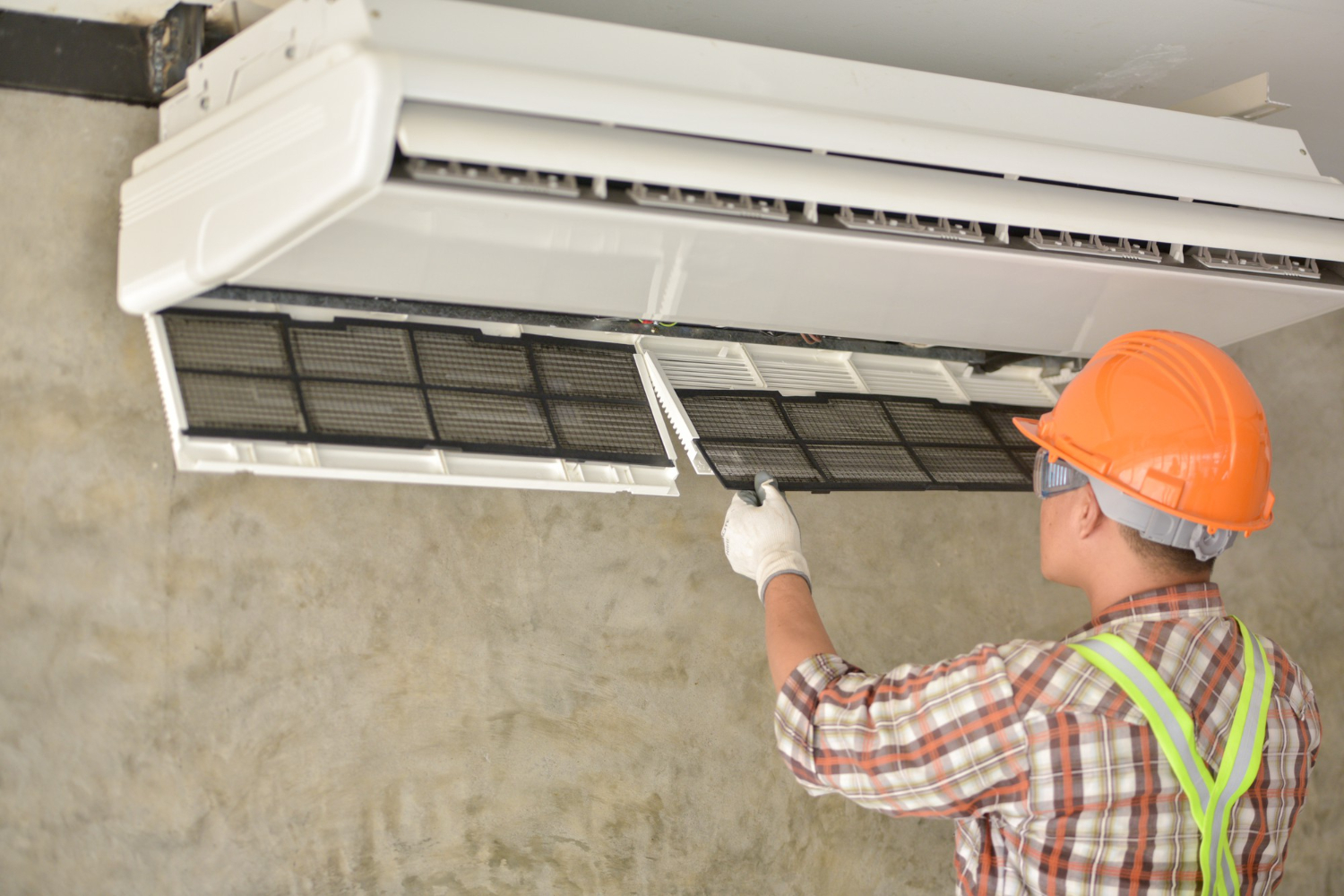
Have you noticed a strange rattling sound from above? Or maybe your energy bills have been slowly creeping up without explanation? These are often the first subtle signs that your rooftop HVAC unit is struggling. These systems usually give you warnings long before a complete failure occurs, but you have to know what to look and listen for. Addressing these small symptoms early can save you from a major breakdown, expensive emergency repairs, and uncomfortable business downtime. We’ve put together a comprehensive rooftop HVAC unit maintenance checklist to help you identify these warning signs and take action before a minor issue becomes a crisis.
Key Takeaways
- Make maintenance a non-negotiable task: Consistent, professional care is the best way to ensure your rooftop unit runs efficiently and lasts longer. This proactive approach prevents expensive breakdowns and keeps your building comfortable.
- Know your role in the maintenance partnership: You can handle simple but vital tasks like changing filters and clearing debris. For anything technical, such as electrical work or refrigerant checks, always call a licensed professional to ensure safety and proper service.
- Listen for what your unit is telling you: Pay close attention to new sounds, visible leaks, inconsistent temperatures, or higher energy bills. These are clear signals that your rooftop unit needs a professional inspection to catch small problems before they get bigger.
What Is a Rooftop HVAC Unit?
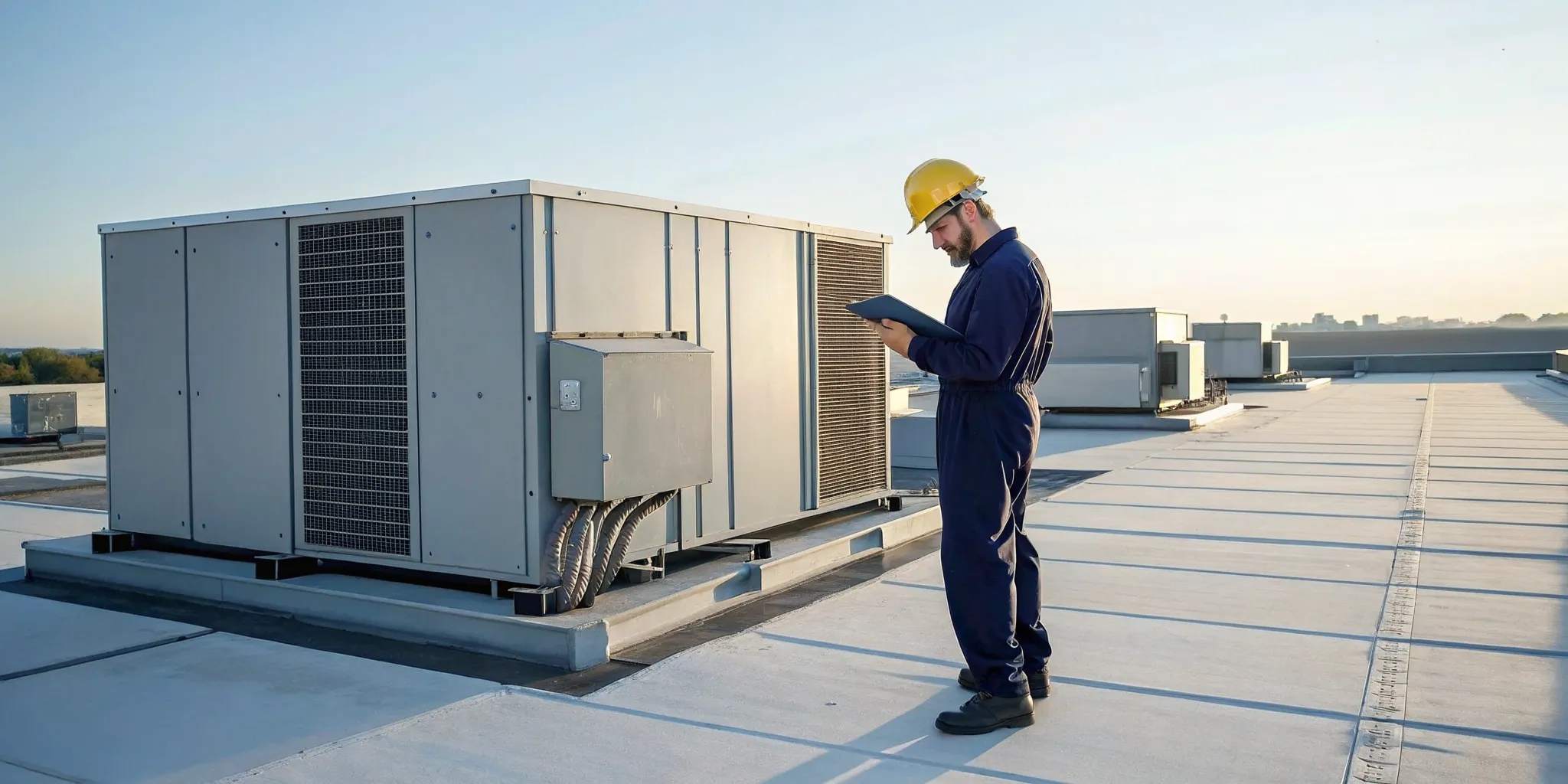
If you manage a commercial building on the Western Slope, chances are you have a rooftop HVAC unit, or RTU, working hard above your head. These are the large, boxy units you see on the roofs of businesses, schools, and warehouses. A rooftop unit is a self-contained system that handles both heating and cooling for a building, all in one convenient package. It pulls in outside air, heats or cools it, and then distributes it throughout the space using a network of ducts.
The main reason they are so popular for commercial spaces is efficiency and space. By consolidating all the components into one unit on the roof, you free up valuable indoor square footage. Installation is also often simpler than with a traditional split system. However, this "out of sight, out of mind" location can be a double-edged sword. Because they are located on the roof, it can be much harder to notice when small problems start to develop. A strange noise or a minor leak can go undetected for weeks, potentially turning into a much bigger, more expensive issue down the line. That’s why understanding your unit and keeping up with our professional HVAC services is so critical for keeping your building comfortable and your operations running smoothly.
Get to Know the Key Components
Think of your RTU as a complex machine with several important parts working together. Inside that metal box, you’ll find many components, including coils, filters, fans, and a compressor. The filters are your first line of defense, cleaning the air before it enters your building. The evaporator and condenser coils are where the heat exchange happens, either absorbing heat to cool the air or releasing it to warm the space. The fan, or blower, is what pushes that conditioned air through the ductwork. Dampers control the flow of fresh and recirculated air, helping to maintain air quality and efficiency. Each part plays a vital role in your building's comfort.
How Rooftop Units Differ from Traditional Systems
The most obvious difference between a rooftop unit and a traditional system is its all-in-one design. A typical residential system is "split," with an outdoor condenser and an indoor air handler or furnace. An RTU combines all of this into a single packaged unit. This design also means your RTU is completely exposed to the elements. It has to endure Colorado's intense sun, heavy snow, high winds, and dust. This constant exposure to harsh weather means RTUs require diligent and regular check-ups to prevent wear and tear from causing a sudden breakdown. Their unique placement and design call for a specific maintenance approach to keep them running reliably year after year.
Why Is Rooftop HVAC Maintenance So Important?
It’s easy to adopt an “out of sight, out of mind” attitude toward your rooftop HVAC unit, but ignoring it is a recipe for trouble. Think of regular maintenance as essential preventative care for one of your building’s most critical assets. It’s not just about fixing things when they break; it’s about keeping the entire system running smoothly to prevent those costly breakdowns from happening in the first place.
Consistent upkeep ensures your unit operates efficiently, lasts longer, and won’t fail you when you need it most. For commercial properties, a sudden breakdown can halt business operations and create an uncomfortable environment for employees and customers. For homeowners, it can mean an unexpectedly frigid house in the middle of a Colorado winter. Investing a little in routine care protects your comfort, your budget, and your peace of mind. Our professional HVAC services are designed to keep your system in top condition year-round.
Maintain Peak Performance and Efficiency
Regular maintenance is the key to keeping your rooftop unit working at its best. Over time, dirt, debris, and normal wear can force your system to work harder to heat or cool your space. This extra strain leads to wasted energy and uneven temperatures. A well-maintained unit, on the other hand, runs as it was designed to.
During a maintenance check, a technician cleans coils, checks components, and makes sure everything is calibrated correctly. This allows the system to perform at peak efficiency, which translates directly to lower energy bills and a more comfortable indoor environment. When your HVAC doesn't have to struggle, it provides consistent, reliable heating and cooling for everyone inside.
Extend Your System's Lifespan
A rooftop HVAC unit is a major investment, and you want it to last as long as possible. Just like regular oil changes help your car’s engine last longer, routine care for your RTU helps extend its operational life. Neglecting your system allows small, fixable issues to snowball into catastrophic failures that can shorten its lifespan by years.
Taking care of your unit regularly helps it last longer by catching potential problems early. A technician can spot a worn belt, a minor refrigerant leak, or a struggling motor before it causes a complete system breakdown. Addressing these small repairs proactively is far more affordable than paying for a premature replacement of the entire unit. This approach maximizes the return on your initial investment and keeps your system running reliably for years to come.
The True Cost of Skipping Maintenance
Putting off maintenance might seem like a way to save money in the short term, but it almost always leads to much higher costs down the road. A poorly maintained system can use up to 20% more energy, causing a noticeable spike in your monthly utility bills. Beyond energy waste, you risk sudden and expensive equipment failure. As any business owner knows, units can fail in winter, stopping business and upsetting tenants.
Think of it this way: fixing a small issue like a worn belt is much cheaper than replacing a broken motor. Unexpected breakdowns also come with the added costs of emergency service fees and potential business downtime. As a company committed to our community, we believe in helping our customers avoid these stressful situations through proactive care. You can learn more about our commitment to service and how we help protect your property.
Is Your Rooftop Unit Trying to Tell You Something?
Your rooftop HVAC unit works hard, but since it’s out of sight, it’s easy to forget it's even there. That is, until something goes wrong. These systems often give subtle hints before a major breakdown occurs. Learning to spot these warning signs can help you address small issues before they become expensive emergencies that disrupt your business or home life. Paying attention to new sounds, performance changes, and how often your system needs a fix will tell you everything you need to know about its health.
Listen for Strange Noises and Look for Leaks
One of the first signs of a problem is often a sound that just isn’t right. If you start hearing grinding, squealing, rattling, or banging noises coming from your rooftop unit, it’s time to pay attention. These sounds can point to anything from a loose part or a worn-out belt to a failing motor. Similarly, any visible leaks or standing water around the unit are a major red flag. This could signal a clogged condensate drain, which can cause water damage and even lead to system failure. A quick professional inspection can diagnose the cause before it gets worse.
Watch for Inconsistent Temperatures and Higher Bills
Is your building experiencing hot and cold spots? Do your employees or tenants complain that it’s never quite comfortable? If your HVAC system is struggling to maintain a consistent temperature, it’s a clear sign that it isn't running efficiently. Another telltale symptom shows up on your utility bill. A sudden, unexplained spike in energy costs often means your unit is working overtime to compensate for an underlying issue. In fact, a poorly maintained system can use significantly more energy, directly impacting your bottom line. Proper equipment maintenance is key to keeping performance up and costs down.
Note Frequent Breakdowns or Reduced Airflow
If you feel like you’re constantly calling for repairs, your system is likely on its last legs or has a chronic problem that needs a real solution. Frequent breakdowns or difficulty starting up, especially at the beginning of a new season, are not normal. You should also take note of the airflow coming from your vents. If it feels weak or you notice a significant reduction in airflow throughout the building, it could be caused by anything from a dirty filter to a failing blower motor. Addressing these recurring problems with a preventative maintenance plan is much better than waiting for a complete system failure.
How Often Should You Service a Rooftop HVAC Unit?
Keeping your rooftop unit in top shape isn't a once-a-year task. A consistent maintenance schedule is the key to preventing unexpected breakdowns and keeping your energy bills in check. Think of it as a series of small check-ins throughout the year, with a couple of deeper inspections mixed in. Breaking it down by month, quarter, and season makes it much more manageable. Here’s a simple timeline to follow to get the most out of your system.
Your Monthly and Quarterly To-Do List
This is where the most frequent, and arguably one of the most important, tasks comes in: checking your air filters. At a minimum, you should plan to replace the air filters every three months. For commercial buildings or spaces with higher foot traffic or dust, you might even want to check them monthly. Clogged filters force your system to work harder, which reduces its efficiency and can lead to poor indoor air quality. This simple, quarterly task is your first line of defense in keeping your unit running smoothly and your air clean. It’s a small step that makes a huge difference in performance and longevity.
Planning for Semi-Annual and Annual Service
While you can handle filter changes, your rooftop unit needs professional attention at least once or twice a year. A full, professional check-up is essential for catching issues before they become expensive problems. During these visits, a technician will work through a detailed checklist, inspecting everything from electrical components to refrigerant levels. This comprehensive inspection ensures your system operates efficiently and helps extend its lifespan. We recommend scheduling these professional HVAC services in the spring and fall to prepare your unit for the extreme temperatures of summer and winter. It’s the best way to ensure reliability when you need it most.
Seasonal Priorities for Colorado's Western Slope
Here on the Western Slope, our distinct seasons demand a strategic approach to HVAC maintenance. Fall is the perfect time for a service appointment. The mild temperatures allow a technician to comfortably and thoroughly test both the heating and cooling functions before winter arrives. A fall check-up helps prevent common problems, like your heating system struggling to start after being dormant all summer. Similarly, a spring inspection ensures your air conditioner is ready for the first heatwave. Seasonal maintenance is all about preparation, giving you peace of mind that your system can handle whatever a Colorado season throws at it.
Your Complete Rooftop HVAC Maintenance Checklist
Keeping your rooftop unit in top shape isn't just about avoiding surprise breakdowns; it's about ensuring consistent comfort and managing your energy bills. A proactive approach to maintenance can make all the difference. This checklist breaks down the essential tasks that keep your system running smoothly, from simple filter changes to more detailed inspections. Some of these steps are straightforward, while others are best left to a professional. By following a regular schedule, you can protect your investment and keep your building comfortable year-round, no matter what the Colorado weather brings. Regular check-ups are the best way to catch small issues before they become expensive problems, ensuring your system operates efficiently for years to come.
1. Clean or Replace the Filters
Think of your HVAC filters as the lungs of your system. When they get clogged with dust, dirt, and debris, your unit has to work much harder to pull in air. This not only strains the equipment but also drives up your energy costs and reduces indoor air quality. A dirty filter can lead to poor heating and cooling, and in some cases, can cause the system to overheat or freeze up.
Make it a habit to replace your air filters at least once every three months. For commercial buildings with higher foot traffic or in areas with more dust, you might need to check them even more frequently. This is one of the simplest and most effective maintenance tasks you can perform to keep your system healthy.
2. Inspect and Clean the Coils
Your rooftop unit has two sets of coils that are critical for heat exchange: the evaporator coil and the condenser coil. Over time, these coils accumulate a layer of dirt and grime, which acts as an insulator and makes it harder for the system to absorb or release heat. A professional cleaning is often needed to get them back to peak condition.
When coils are dirty, your HVAC system has to run longer and harder to cool or heat your space, leading to wasted energy and increased wear on the compressor. During a maintenance visit, a technician will thoroughly clean both coils, which helps restore your unit's efficiency and performance.
3. Check Refrigerant Levels for Leaks
Refrigerant is the lifeblood of your cooling system, absorbing heat from inside your building and releasing it outside. If your unit is low on refrigerant, it’s almost always a sign of a leak. Simply topping off the system without fixing the leak is only a temporary fix and can be harmful to the environment.
A trained technician should handle this task, as they have the tools to accurately measure refrigerant levels and the expertise to find and repair leaks. They will also look for telltale signs like oil stains near refrigerant lines. Proper refrigerant levels are essential for efficient operation, and our team at Cooley's is certified to handle these HVAC services safely and effectively.
4. Examine Electrical Components and Controls
Your rooftop unit contains a complex network of electrical connections, capacitors, and contactors that control its operation. Over time, vibrations can cause electrical connections to loosen, and components can wear out. A loose connection can cause a short circuit, damage major components, or even create a fire hazard.
During a maintenance inspection, a technician will tighten all electrical connections and check for signs of wear or corrosion on starters and contacts. This preventative step is crucial for both the safety and reliability of your system. Given the high voltages involved, this is a job that should always be performed by a qualified professional.
5. Inspect the Motor, Belts, and Bearings
The motor, belts, and bearings are the moving heart of your rooftop unit’s fan system. Belts can crack and wear out over time, while bearings can lose lubrication and fail. A worn-out belt can snap, leaving your system unable to circulate air, and bad bearings can cause the motor to seize.
During a professional tune-up, a technician will check the belts for proper tension and signs of wear, lubricate bearings, and ensure all fan parts are correctly aligned. This helps prevent unexpected failures and keeps the air moving efficiently through your building. Catching a worn belt before it breaks is a simple fix that prevents a much bigger headache.
6. Clear the Condensate Drain System
As your HVAC system cools the air, it removes moisture, which is collected and funneled away through a condensate drain line. If this drain becomes clogged with algae, dirt, or other debris, water can back up and cause significant damage to your roof, ceilings, and the unit itself.
A clear drain line is essential for preventing water damage and potential mold growth. A technician will inspect the drain system and clear any blockages to ensure water can flow freely away from the unit. This simple step is a key part of preventing costly water-related repairs down the road.
7. Test the Economizer and Dampers
Many commercial rooftop units are equipped with an economizer, a clever component that draws in cool outside air instead of running the compressor. This can greatly reduce energy use, especially during the mild spring and fall days we get here on the Western Slope.
For the economizer to work correctly, its dampers and controls must be functioning properly. An annual inspection ensures the dampers open and close as they should, allowing your system to take advantage of "free cooling" whenever possible. A stuck or malfunctioning economizer can waste a surprising amount of energy, so testing it is a must.
8. Calibrate the Thermostat
Your thermostat is the command center for your entire HVAC system. If it isn't calibrated correctly, it can't accurately read the room temperature. This can lead to your system running too often or not enough, creating uncomfortable temperature swings and wasting energy.
During a maintenance visit, a technician can check the thermostat's calibration and ensure it’s communicating properly with the rooftop unit. They will verify that the operating temperatures are accurate and that the system cycles on and off as it should. This simple adjustment ensures you get the comfort you want without unnecessary energy consumption.
9. Inspect Ductwork for Leaks and Blockages
Your ductwork is the delivery system that carries conditioned air from the rooftop unit to your indoor spaces. If the ducts have leaks, gaps, or blockages, a significant amount of that expensive heated or cooled air can be lost before it ever reaches the rooms.
A thorough inspection can identify disconnected joints, holes, or crushed sections of ductwork that compromise performance. Sealing these leaks can dramatically improve your system's efficiency and your building's comfort. Ensuring your ductwork is in good shape is just as important as maintaining the unit itself, as they work together as a complete system.
Common Maintenance Mistakes to Avoid
Keeping your rooftop HVAC unit in top shape involves more than just following a checklist; it also means steering clear of some common slip-ups. Even with the best intentions, small oversights can lead to reduced performance, higher energy bills, and costly repairs down the road. Think of it as preventative care for your building’s most important system. By understanding these frequent mistakes, you can ensure your maintenance efforts are truly effective and help your unit run reliably for years to come. Let’s walk through the most common errors we see and how you can easily avoid them.
Forgetting to Change Filters
This is one of the simplest and most critical maintenance tasks, yet it’s also the most commonly forgotten. Your unit's air filters are the first line of defense, trapping dust, pollen, and other debris. When they get clogged, airflow is restricted, forcing your system to work much harder to heat or cool your space. This not only drives up your energy bills but also puts extra strain on the entire system, which can lead to premature failure. Set a recurring reminder on your calendar to check your filters monthly and be sure to replace air filters at least every three months, or more often if your environment is particularly dusty.
Ignoring Dirty Condenser Coils
The condenser coils, located in the outdoor portion of your unit, have a vital job: they release heat from your building. Over time, they accumulate a layer of dirt, dust, and grime. This buildup acts like an insulating blanket, trapping heat and making it difficult for the system to cool effectively. Your HVAC unit has to run longer and harder to compensate, leading to a noticeable spike in energy consumption and increased wear on the compressor. While you can gently rinse loose debris off the coils yourself, a thorough annual cleaning of the coils by a professional is essential to maintain peak efficiency.
Overlooking Clogged Drain Lines
Your HVAC system doesn't just cool the air; it also removes humidity. This moisture is collected in a drain pan and funneled out through a condensate drain line. Because this line is consistently damp and dark, it’s a prime spot for algae and mold to grow, eventually causing a clog. When the drain is blocked, water has nowhere to go and will back up, potentially overflowing and causing serious water damage to your roof and ceilings. To prevent this messy and expensive problem, you should regularly inspect drain pans and lines for blockages. During a professional tune-up, a technician will flush the line to ensure everything is flowing freely.
Skipping Professional Inspections
While handling some basic tasks yourself is great, nothing replaces the trained eye of an expert. It can be tempting to skip a professional service to cut costs, but this often proves to be a mistake in the long run. A licensed technician does much more than just change a filter; they perform complex diagnostics that require specialized tools and knowledge. They check refrigerant levels, test electrical components, calibrate controls, and identify subtle issues before they escalate into major breakdowns. Scheduling routine professional HVAC services is an investment in reliability and peace of mind, ensuring your system won't fail you when you need it most.
DIY vs. Pro: What Can You Handle?
As a building manager, you’re used to wearing many hats. While it’s tempting to add "HVAC technician" to the list, it’s important to know where to draw the line. Commercial rooftop units are complex, powerful systems, and a small mistake can lead to big problems, from safety hazards to expensive breakdowns. Think of it as a partnership: you handle the routine upkeep, and a professional technician handles the technical work. This approach is the smartest way to manage your building’s assets and ensure your HVAC system runs reliably for years to come.
Knowing what you can safely manage versus when to call for backup is the key to effective maintenance. Some simple, regular tasks are perfect for you or your on-site staff to perform. These actions help maintain day-to-day performance and can alert you to early warning signs. However, anything involving electrical components, refrigerant, or the unit's internal mechanics requires the specialized knowledge and tools of a licensed professional. Trying to tackle these jobs yourself can void warranties, cause further damage, or create unsafe conditions. By working with a trusted partner for your commercial HVAC solutions, you can protect your investment and keep your tenants comfortable.
Simple Tasks for Building Managers
You can play a huge role in your unit's health with just a few routine checks. These simple tasks don't require technical expertise but make a massive difference in performance and longevity. Start by performing regular visual inspections. Walk around the unit and clear away any leaves, trash, or other debris that could obstruct airflow. Listen for any new or unusual sounds, like grinding or rattling, and look for signs of water leaks.
The most important DIY task is to replace air filters regularly. Clogged filters restrict airflow, forcing the system to work harder and reducing indoor air quality. Finally, keep the grilles and dampers clean and free of blockages. These simple steps help your system breathe easier and can prevent minor issues from turning into major repairs.
When to Call a Licensed Technician
While your regular checks are vital, some jobs are strictly for the pros. Any task that involves opening up the unit to access its internal components should be left to a licensed technician. This includes all electrical work, such as checking wiring, contacts, and motor voltage. Handling refrigerant also requires special certification and equipment to be done safely and legally. A professional should also be the one to inspect and adjust motors, belts, and bearings to ensure everything is running correctly.
A trained technician can spot underlying issues that an untrained eye would miss. We recommend scheduling a full professional maintenance check-up at least once a year. This comprehensive service is the best way to ensure your system is safe, efficient, and ready for the season ahead.
Protect Your Investment with a Maintenance Plan
Your rooftop HVAC unit is a major asset for your building, and like any significant investment, it requires care to perform its best. Skipping routine check-ups might seem like a way to trim expenses, but it often leads to much larger, more expensive problems down the line. A maintenance plan is the smartest way to protect your system from unexpected breakdowns and inefficient operation. Think of it as a strategy for ensuring your unit runs reliably for years to come.
Regular, professional tune-ups are essential for keeping your unit working well. A well-maintained system operates at peak efficiency, which means it uses less energy to keep your space comfortable. This helps manage your utility costs and reduces your environmental footprint. Consistent care also helps prevent common issues like poor airflow, strange noises, or trouble starting up after a seasonal break. By catching small problems early, you avoid the disruption and expense of a major failure. While some simple tasks can be handled in-house, many of the most important checks require a trained eye.
A structured maintenance agreement takes the guesswork out of caring for your system. Instead of waiting for something to go wrong, you can have peace of mind knowing your unit is getting the expert attention it needs to last longer and perform better. Our professional maintenance plans are designed to keep your rooftop unit in prime condition, ensuring it provides reliable comfort for your employees and customers. We handle the complex inspections and tune-ups so you can focus on what you do best.
Related Articles
- HVAC Maintenance Service Cost: What to Expect
- Is an HVAC Tune-Up Worth It? A Pro Explains
- What Is Included in an AC Tune-Up? Explained
Frequently Asked Questions
Is a professional maintenance plan really worth the cost? I get this question a lot, and my answer is always a definite yes. Think of it less as an expense and more as a strategy to protect your budget. The cost of a maintenance plan is small compared to the price of an emergency repair, a full system replacement, or the lost business from having an uncomfortable building. A well-maintained unit runs more efficiently, which helps manage your monthly energy bills, and it lasts years longer. It’s proactive care for one of your most important assets.
My unit seems to be working fine. How often do I really need professional service? It’s great that your system is running without any obvious issues, but "working fine" can hide problems like declining efficiency or worn parts. To keep it that way, we recommend professional service twice a year, once in the spring to prepare for summer and once in the fall to get ready for winter. This schedule ensures a technician can catch small issues before they become major breakdowns during extreme weather, which is always when systems seem to fail.
What's the one thing I can do myself that makes the biggest difference? Without a doubt, it's regularly changing your air filters. A clogged filter forces your entire system to work much harder to move air, which wastes energy and puts a huge strain on the components. This simple task, which only takes a few minutes every one to three months, is the single most effective thing you can do to maintain your unit's performance and improve your building's air quality between professional visits.
My unit is making a weird noise. Should I be worried? New or unusual noises are your system’s way of telling you something is wrong, so it’s always best to pay attention. While a minor rattle might just be a loose panel, loud grinding, squealing, or banging sounds often signal a serious mechanical problem, like a failing motor or worn bearings. Ignoring these sounds can lead to a complete and costly system failure. It’s always best to call a professional to diagnose the sound before it gets worse.
Does the Colorado climate really affect my rooftop unit that much? Absolutely. Your rooftop unit is completely exposed to everything the Western Slope weather throws at it, from intense summer sun and heavy snow to high winds and dust. This constant exposure causes wear and tear that systems in milder climates don't face. Regular maintenance is critical to clear away debris, check for damage from snow and ice, and ensure the unit is sealed and running efficiently despite our demanding and beautiful environment.