.png)





.png)

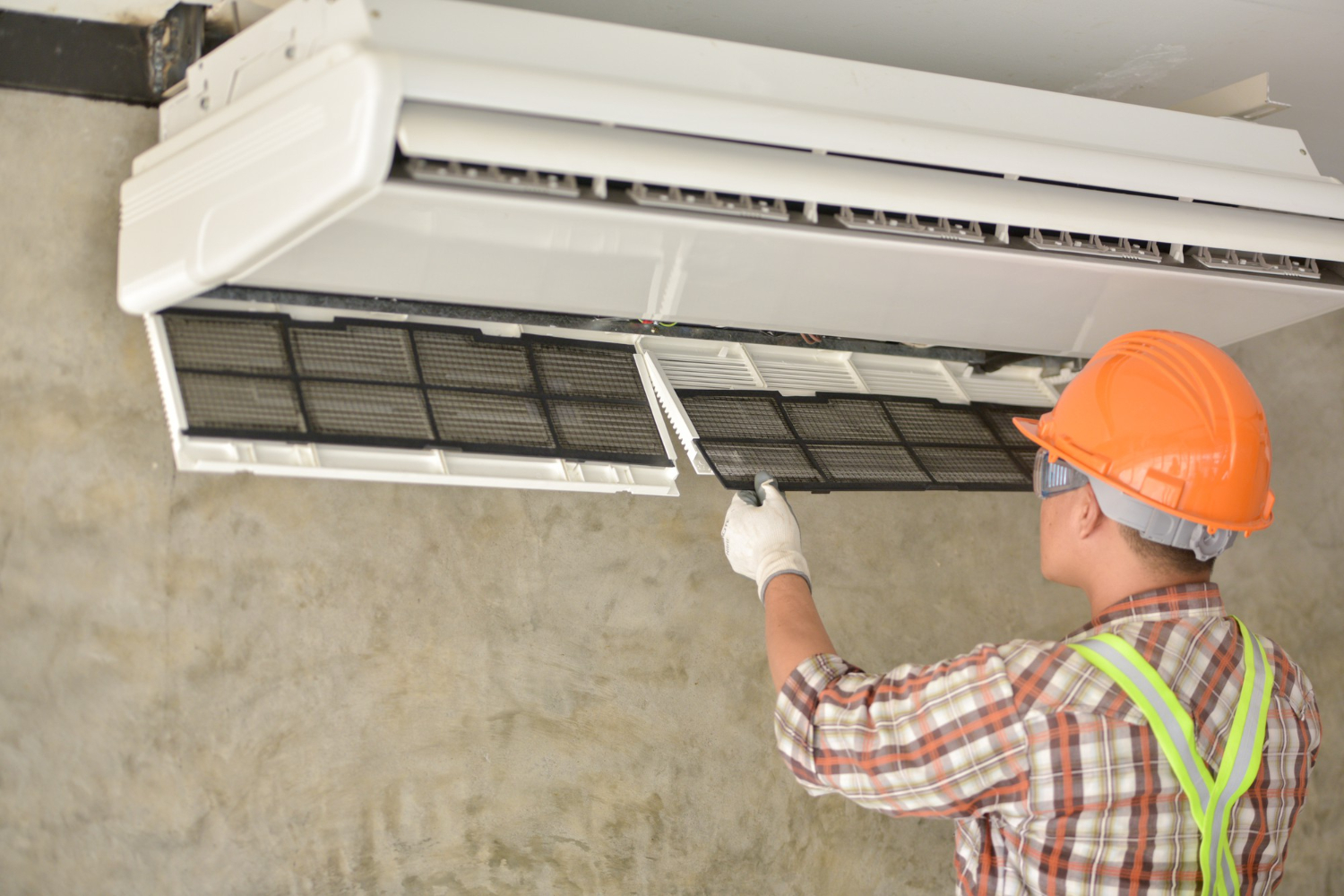

The clearest signs heat pump needs repair are weak airflow, uneven temperatures, unusual sounds or odors, frequent cycling, unexplained energy use, persistent ice, leaks, and a system that will not change modes. Check the thermostat, filter, breaker, and outdoor clearance safely, then call a professional if the problem continues.
Call Cooley's Heating & Cooling at 970-841-2315 for professional heat pump repair.
A heat pump works through both cold Western Slope nights and hot summer afternoons. That year-round workload makes changes in its performance easy to overlook. A slow decline may seem like a weather issue until comfort drops or the system stops. Watching how the equipment sounds, feels, and cycles can help you respond before a small fault becomes a no-heat or no-cooling call.
What are the 7 signs a heat pump needs repair?
The seven most useful warning signs are poor comfort, abnormal cycling, unfamiliar noises, strange odors, unexplained energy increases, ice or water, and failure to switch modes. One symptom may have a simple cause, but a persistent or worsening change deserves professional diagnosis, especially before severe Western Slope weather arrives.
Use the list below to describe what you see and when it happens. Do not remove service panels or handle electrical components or refrigerant lines. A homeowner can make basic observations, but testing and repairs belong to a trained HVAC professional.
1. Weak airflow or uneven temperatures
Start at the vents. Airflow that is noticeably weaker than usual, rooms that no longer reach the thermostat setting, or large temperature differences between rooms can indicate a problem. A dirty filter may restrict airflow, but a blower issue, dirty indoor coil, duct problem, or equipment fault can create similar symptoms.
Replace or clean the filter only according to the system's instructions. Make sure supply and return vents are open and unobstructed. If airflow stays weak after those checks, schedule service rather than running the system harder. If the unit runs but cannot cool, this guide to a heat pump that is not cooling explains additional symptoms to note.
2. Short cycling or running almost constantly
Short cycling means the heat pump starts and stops repeatedly without completing a normal heating or cooling cycle. The opposite problem, a unit that seems to run nearly all the time without reaching the set temperature, can also signal trouble. Either pattern places added strain on components and deserves attention when it continues beyond an extreme weather period.
First, confirm that the thermostat is in the intended mode and that its setting has not changed. Note the outdoor temperature and how long each cycle lasts. A sudden change from the system's normal rhythm gives a technician useful diagnostic information. If the thermostat setting and room reading do not match, review these reasons a home stays warmer than the setting.
3. New grinding, rattling, squealing, or banging sounds
A steady fan and compressor sound is normal. A new metallic rattle, grinding, squealing, buzzing, or banging sound is not. It may point to a loose component, fan obstruction, motor problem, electrical issue, or another fault that cannot be identified by sound alone.
Turn the system off and call for help if the sound is loud, violent, accompanied by a burning smell, or begins after the breaker trips. Continuing to run visibly or audibly distressed equipment may cause additional damage. Record a short video from a safe distance if the noise is intermittent; it can help explain the problem during a service call.
4. Musty, burning, or electrical odors
An unusual odor from the vents or equipment needs a careful response. A musty smell can accompany excess moisture or another air-distribution issue. A burning or sharp electrical smell may indicate an overheating or electrical fault. Odor alone does not identify the cause, so avoid guessing or masking it with fragrance.
If you smell burning, see smoke, or notice sparking, turn the system off if it is safe to do so and seek professional help immediately. For less urgent odors, note whether the smell appears only at startup, in one room, or throughout the home. That detail can narrow the inspection.
Request local HVAC repair help when a warning sign persists.
5. An unexplained rise in electricity use
A bill can change because of weather, utility rates, occupancy, or thermostat habits. However, a sharp increase that does not match those factors may mean the heat pump is working longer or harder than usual. Compare similar billing periods and pair the increase with observable symptoms such as nonstop operation, weak airflow, or poor comfort.
Do not treat a high bill as proof that one specific part has failed. Share recent usage patterns and any changes you noticed with the technician. A professional can test system operation and determine whether the equipment, controls, airflow, or another condition is contributing.
6. Persistent ice or water around the equipment
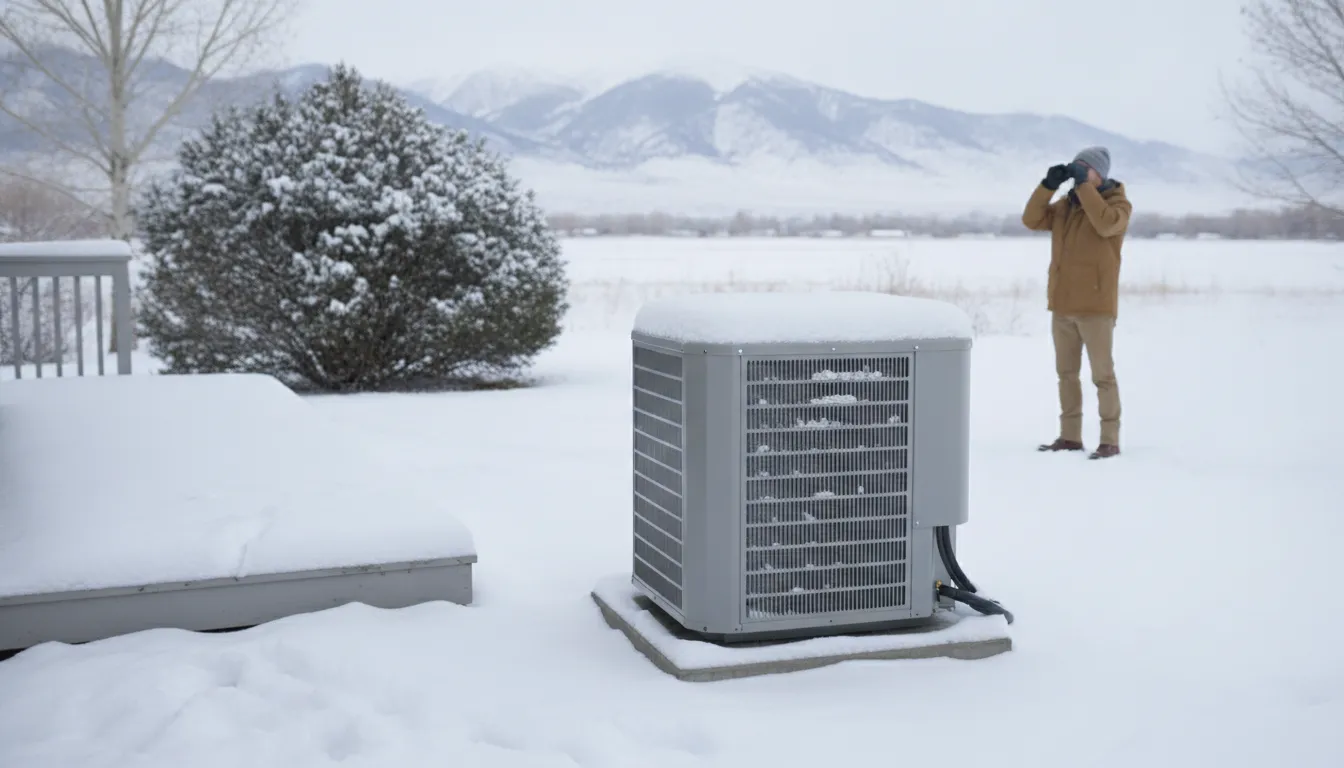
A light frost on an outdoor heat pump during cold weather can be normal, and the system should periodically defrost itself. Thick ice that remains, returns quickly, or covers much of the coil is different. Water pooling near indoor equipment also needs attention because it may indicate a drainage or moisture-management problem.
Keep snow, leaves, weeds, and other debris from blocking airflow around the outdoor unit, but do not chip ice from the coil or pour hot water on it. Those actions can damage equipment. If ice persists or water threatens nearby finishes, turn the system off and arrange an inspection. Learn more about troubleshooting lost heat pump performance without opening the unit.
7. The heat pump will not switch between heating and cooling
A heat pump should respond when the thermostat changes from heating to cooling or back again. If it continues blowing air at the wrong temperature, does not respond, or works in one mode only, confirm the thermostat setting and allow a few minutes for the change. Avoid switching modes repeatedly.
A mode problem may involve controls or equipment that require testing. Write down what the thermostat displays, what the outdoor unit does, and whether air is moving at the vents. If the room temperature still drifts away from the setting, Cooley's temperature-setting troubleshooting guide can help you organize the symptoms.
Which heat pump symptoms need urgent attention?
Turn the heat pump off and seek prompt help for smoke, sparking, a burning electrical odor, repeated breaker trips, violent mechanical noise, or water threatening the home. A total loss of heating or cooling during dangerous weather also calls for a fast response. Do not keep restarting equipment that trips a breaker.
Safety comes before troubleshooting. If smoke or fire is present, leave the area and contact emergency services. If the heat pump is simply underperforming, you can gather information safely while arranging service. Tell the repair team about vulnerable household members, indoor conditions, and any urgent water issue when you call.
Western Slope conditions can change quickly. A struggling system may appear to recover during a mild afternoon, then fall behind again overnight. Do not assume the issue is resolved just because the equipment completed one cycle. A repeated symptom is enough reason to request a professional HVAC repair assessment.
| What you notice | Safe first check | When to call |
|---|---|---|
| Weak or uneven airflow | Check the filter and open vents | Airflow remains weak or rooms stay uncomfortable |
| Repeated starts and stops | Confirm thermostat mode and setting | The pattern continues or comfort declines |
| Thick outdoor ice | Clear nearby snow and debris | Ice remains or quickly returns |
| Water near indoor equipment | Protect nearby belongings | Water continues, spreads, or threatens finishes |
| Burning odor or breaker trip | Turn the system off if safe | Call promptly; do not repeatedly reset the breaker |
What can a homeowner safely check first?
Before scheduling repair, confirm the thermostat mode and setting, inspect the filter, make sure vents are open, check for a single tripped breaker, and clear debris away from the outdoor unit. Stop if the breaker trips again, you smell burning, or the equipment makes a severe noise. Never open service panels.
- Confirm the thermostat. Check that it is set to heat or cool as intended and that the target temperature makes sense. Replace thermostat batteries if the model uses them and the display is weak or blank.
- Inspect the filter. A visibly dirty filter can restrict airflow. Follow the equipment instructions for the correct filter type and replacement procedure.
- Open and uncover vents. Move furniture, rugs, and stored items away from supply and return vents. Do not close many vents in an attempt to redirect air.
- Look around the outdoor unit. Remove loose leaves and maintain open space around the equipment. Do not reach through the guard, bend fins, or remove ice by force.
- Check the breaker once. If a breaker has tripped, reset it only once. If it trips again, leave it off and call a professional because repeated resets can be unsafe.
These checks can identify a simple setting or airflow issue, but they are not a substitute for diagnosis. Never remove a panel, touch wiring, test a capacitor, or work on refrigerant components. If the basic checks do not restore normal operation, contact Cooley's to discuss the symptoms.
What happens during professional heat pump diagnosis?
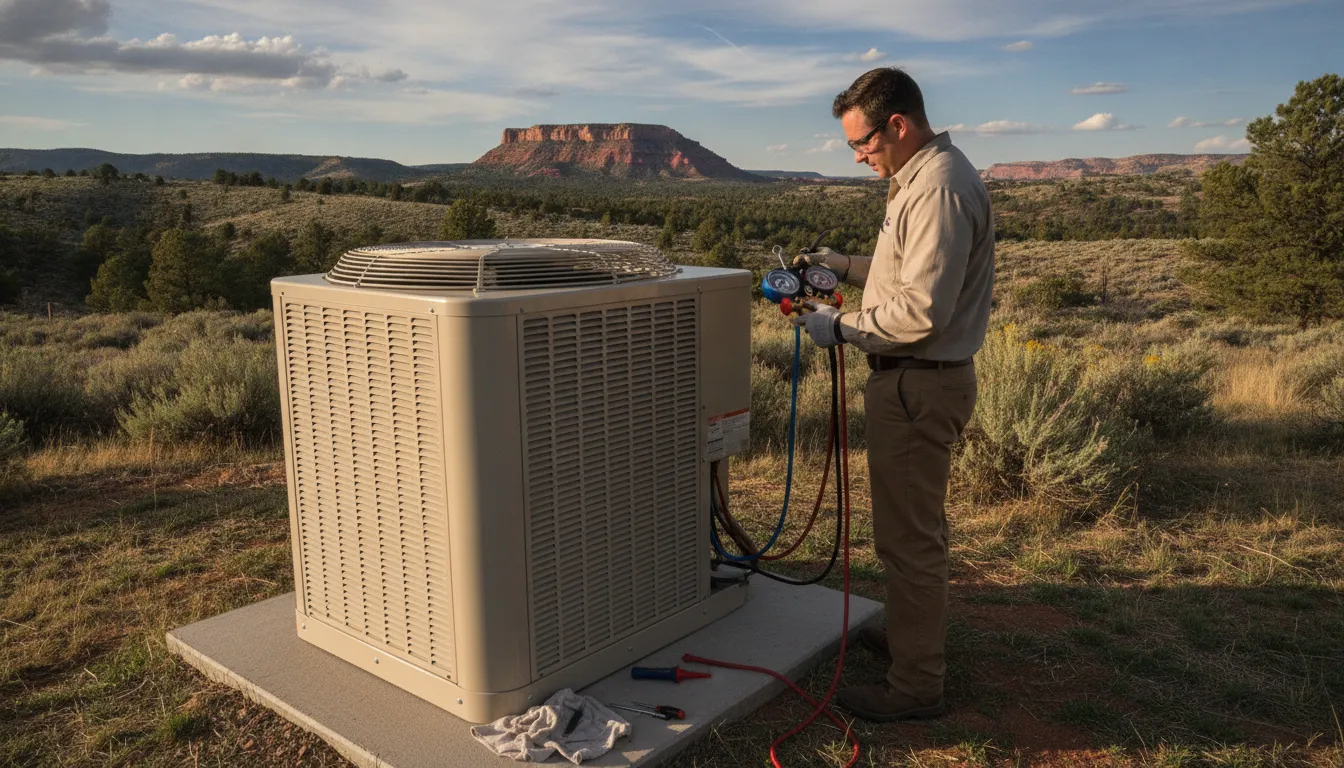
A professional diagnosis connects visible symptoms with measured system performance. The technician reviews what changed, inspects accessible components, checks controls and airflow, and tests relevant electrical and mechanical operation. The result should be a clear explanation of the fault, recommended next steps, and a quote before authorized work begins.
Prepare for the visit by noting when the issue began, which rooms are affected, and whether it changes with outdoor temperature or time of day. Share recent thermostat changes, breaker trips, odors, sounds, ice, leaks, and prior repair history. Photos or videos of intermittent symptoms can also help.
Many problems can produce the same homeowner-visible sign. Weak airflow, for example, does not reveal whether the cause is at the filter, blower, coil, ductwork, control, or elsewhere. Testing avoids guesswork. Cooley's can evaluate the system and explain practical options through its heating and cooling repair service.
Ask what was found, what work is recommended, and what may happen if the repair is delayed. If repair and replacement are both reasonable options, request an explanation based on the diagnosed fault, the equipment's overall condition, repair history, and comfort needs. Prices and recommendations should come from an on-site evaluation, not a generic estimate.
How can you reduce the chance of a sudden heat pump problem?
Consistent observation and routine care make changes easier to catch. Check the filter on the schedule appropriate for your home and equipment, keep the outdoor unit clear, avoid blocking vents, and pay attention to new sounds, odors, cycling patterns, or comfort changes. Address recurring symptoms instead of waiting for complete failure.
Keep a simple record of filter changes and service visits. Before each demanding season, run the system early enough to notice whether it reaches the setting normally. In Delta County and across the Western Slope, that means checking heating before the coldest nights and cooling before sustained summer heat.
- Know the system's normal sounds and cycle pattern.
- Compare energy use with weather and household changes.
- Keep snow, vegetation, and stored items away from outdoor equipment.
- Respond promptly to water, ice, burning odors, and repeated breaker trips.
- Request professional help when a symptom persists after safe basic checks.
Frequently asked questions about heat pump repair signs
Homeowners often want to know whether a symptom is normal, what they can check, and when they should stop the system. The answers below provide a safe starting point. Because several faults can create similar symptoms, an on-site professional diagnosis is the reliable way to identify the cause.
Is frost on an outdoor heat pump always a repair sign?
No. Light frost can form during cold-weather operation, and a working defrost cycle should clear it. Thick ice that remains, rapidly returns, or covers much of the coil is a warning sign. Keep nearby snow and debris clear, do not chip the ice, and arrange service if it persists.
Why does my heat pump run all the time?
A heat pump may run longer during demanding weather, but constant operation paired with poor comfort, weak airflow, or unusual energy use can indicate a problem. Confirm the thermostat and filter, then request diagnosis if the system cannot reach the setting or its run pattern has clearly changed.
Can I reset a tripped heat pump breaker?
You can check and reset a tripped breaker once if it is safe to access. If the breaker trips again, leave it off and call a professional. Repeatedly resetting a breaker can hide an electrical or equipment fault and is not a repair.
Should I repair or replace my heat pump?
Begin with a diagnosis. The decision depends on the specific fault, equipment condition, repair history, comfort performance, and the available options for your home. Ask for a clear explanation and quote before authorizing work; avoid making the decision from age or one symptom alone.
Noticing one of these warning signs? Call Cooley's Heating & Cooling at 970-841-2315 or request heat pump help online.