.png)




.png)

Think of your air conditioner like a car. Hearing the fan run without any cold air is like turning the key and hearing the engine hum, but the car won’t move. Something is disconnected in the process. When your 'split ac not cooling but fan is running', it means one part of the system is working while a more critical part is not. This could be due to a simple airflow restriction or a more complex internal failure. This article will act as your diagnostic guide, helping you investigate the most likely causes so you can make an informed decision about your next steps, whether that’s a simple DIY task or calling for professional service.
Key Takeaways
- Check the Basics First: Many cooling problems stem from simple issues you can fix in minutes. Before calling for help, confirm your thermostat is set to cool, inspect your air filter, and make sure the outdoor unit is clear of debris.
- Recognize Serious Warning Signs: Don't ignore red flags like ice buildup, strange hissing noises, or burning smells. These symptoms point to internal problems, such as refrigerant leaks or electrical faults, that require a professional technician for a safe and effective repair.
- Prioritize Preventative Care: Keep your AC running smoothly with consistent maintenance. Simple habits, like changing your air filter regularly, paired with an annual professional tune-up, will improve efficiency, prevent costly breakdowns, and extend the life of your system.
AC Fan On, But No Cold Air? Here’s Why
It’s one of the most frustrating feelings on a hot day: your AC fan is clearly running, but the air coming out of your vents is lukewarm at best. You know the system has power, so what’s the deal? The good news is that the cause is often a simple fix you can handle yourself. From a misplaced thermostat setting to a clogged filter, a few quick checks can sometimes get the cold air flowing again. When your system isn't working correctly, it's important to figure out the cause quickly to prevent further issues and restore comfort to your home.
However, this issue can also point to a more serious problem, like a refrigerant leak or a failing part that needs a professional’s touch. Understanding the most common culprits will help you figure out your next steps. We’ll walk through the top five reasons your AC might be blowing warm air, starting with the easiest things to check and moving on to the issues that signal it’s time to call for backup. This will help you decide whether it's a quick DIY task or a job for a professional HVAC service. Knowing the difference can save you time, money, and a lot of sweat. Before you panic, let's go through a few troubleshooting steps together.
Is Your Thermostat on the Right Setting?
Before you assume the worst, let’s start with the simplest check: your thermostat. It sounds basic, but it’s a surprisingly common oversight. First, make sure the system is set to “Cool.” If it’s on “Fan Only,” the blower will circulate air, but the cooling components won’t activate. Next, check the temperature setting. For the AC to kick on, the target temperature needs to be set at least a few degrees lower than the current room temperature. If it’s set too high, the system won’t see a reason to start cooling. It’s an easy mistake to make, especially after a cool night or if someone else in the house adjusted it.
A Clogged Air Filter Is Blocking Airflow
Your AC system needs to breathe, and a dirty air filter is like trying to run a marathon with a stuffy nose. A clogged filter chokes the airflow, which severely restricts your system’s ability to cool your home. Over time, this lack of airflow can cause the indoor evaporator coils to get so cold that they freeze over into a solid block of ice, completely stopping any cool air from getting through. You should inspect your air filter monthly and plan to replace it every one to three months, depending on your home’s air quality. It’s one of the most important and effective pieces of DIY maintenance you can do.
Your Outdoor Unit Can't Breathe
Just like the indoor unit needs a clean filter, your outdoor unit (the condenser) needs clear space to work properly. Its job is to release the heat pulled from inside your house, and it can’t do that if it’s covered in dirt and debris. Take a walk outside and check on your unit. Look for grass clippings, leaves, cottonwood fluff, or dirt caked onto the metal fins. If it’s blocked, you can carefully hose it off to restore proper airflow. Just be sure to turn off the power to the unit at the breaker box first for safety.
You May Have a Tripped Breaker
Your air conditioner is a powerful appliance that uses two separate circuits: one for the indoor unit and one for the outdoor unit. If the breaker for the outdoor unit trips, the indoor fan will continue to run, but the cooling process won't start. Head to your home’s electrical panel and look for a tripped breaker. If you find one, you can try resetting it once. If it trips again, leave it alone. A repeatedly tripping breaker signals an electrical problem that needs a professional diagnosis. Continuing to run an AC with an electrical fault can cause more serious damage.
The Refrigerant Level Is Too Low
If you’ve checked everything else and your AC still isn’t cooling, you might be dealing with low refrigerant. Refrigerant is the lifeblood of your AC, absorbing heat from inside and releasing it outside. Unlike gas in a car, refrigerant doesn’t get "used up." If the level is low, it means there’s a leak somewhere in the system. This is not a DIY fix. Handling refrigerant requires special certification and tools. A certified technician will need to find the leak, repair it, and then recharge the system to the correct level. Ignoring a leak will only lead to bigger, more expensive problems with your compressor.
5-Minute Checks to Try Before You Call a Pro
It’s frustrating when your AC fan is blowing, but the air isn’t cold. Before you pick up the phone, there are a few simple troubleshooting steps you can take that might solve the problem in minutes. These checks are easy for any homeowner to perform and address the most common culprits behind a non-cooling AC. Walking through these steps can help you either fix the issue yourself or gather important information for a technician. If you try these fixes and still need a hand, our team at Cooley's is always ready to provide professional and reliable HVAC services.
Step 1: Confirm Your Thermostat Settings
Let's start with the easiest check. It might sound obvious, but you’d be surprised how often the wrong thermostat setting is the issue. Someone in your household might have changed it, or it could have been switched accidentally. First, make sure your thermostat is set to "Cool." Then, check the temperature setting. For the AC to kick on, the set temperature needs to be at least a few degrees lower than the current room temperature. If it's set to "Fan Only," the system will circulate air without cooling it, which perfectly matches the problem you're experiencing.
Step 2: Inspect and Clean the Air Filter
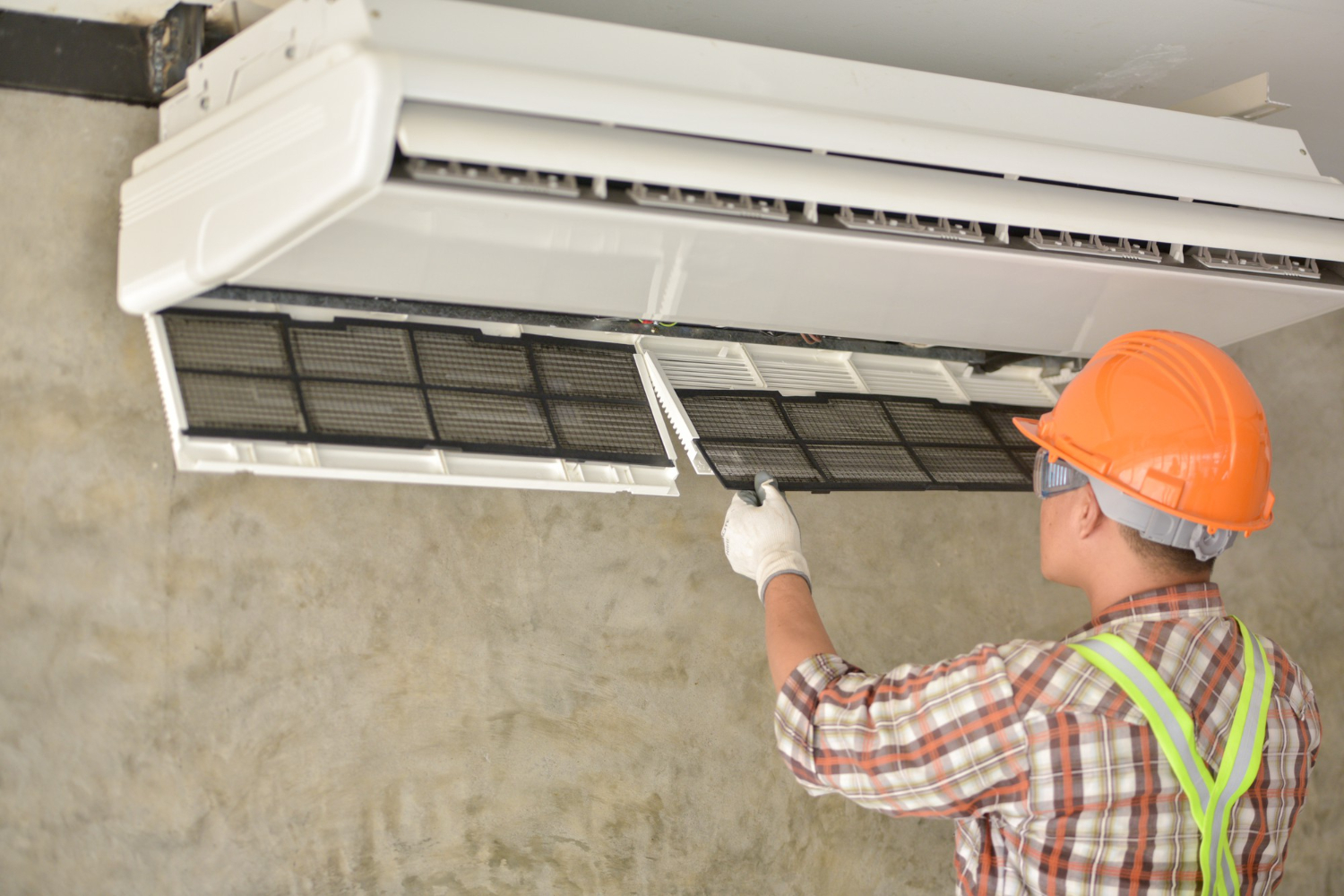
A dirty air filter is one of the most common reasons an AC stops cooling properly. Your system needs to breathe, and a clogged filter is like trying to run a marathon while breathing through a straw. It severely restricts airflow over the evaporator coils, which can cause them to get too cold and even freeze over. Pull out your indoor unit’s air filter and hold it up to a light. If you can't see light through it, it’s time for a change. You can find guidance on how to replace your air filter from energy experts. A clean filter ensures your system can move air freely and cool your home efficiently.
Step 3: Clear Debris from the Outdoor Unit
Your AC system has two main parts: an indoor unit and an outdoor unit. The outdoor unit, or condenser, is responsible for releasing the heat pulled from your home. If it’s covered in dirt, leaves, or grass clippings, it can’t do its job effectively. Take a look outside and see if anything is blocking the metal fins. Gently clear away any visible debris. If the unit is particularly dirty, you can turn off the power at the circuit breaker and use a garden hose to gently rinse the fins from the top down. Never use a pressure washer, as it can damage the delicate components.
Step 4: Reset the Circuit Breaker
Sometimes, a brief power surge can cause the circuit breaker connected to your air conditioner to trip. When this happens, it cuts power to the outdoor unit, but the indoor unit’s fan might keep running on its own. Go to your home’s main electrical panel and look for the breaker labeled for your AC or condenser. It might be a double breaker. If it’s tripped, it will be in the middle position or shifted to "Off." To reset it, flip the breaker all the way to the "Off" position, wait a full minute, and then switch it back to "On." This simple reset can often restore power and get your AC cooling again.
Step 5: Look for Ice on the Indoor Unit
Ice buildup on your AC is a major red flag. It’s usually a symptom of an airflow problem (like a dirty filter) or low refrigerant. Check the copper lines running into your indoor unit and inspect the evaporator coil itself for any signs of frost or ice. If you see any, turn your thermostat to "Off" immediately, but leave the fan set to "On." This will help the ice melt without causing further harm. Running an AC while it's frozen can severely damage the compressor, which is a very expensive part to replace. Once the ice is gone, you can try running the AC again, but if it ices up a second time, you definitely need a professional.
Step 6: Make Sure Your Vents Are Open and Clear
Your AC system is designed to work with a specific amount of airflow. If vents are closed or blocked, it can throw the whole system off balance and hinder its ability to cool your home. Take a quick walk through your house and check that all the supply vents are open and not obstructed by furniture, rugs, or curtains. It’s a common misconception that closing vents in unused rooms saves energy, but it often just creates pressure issues that make your AC work harder and less effectively. Ensuring clear, open pathways for air to travel is a simple but crucial step for proper cooling.
When the Problem Is Inside Your AC
If you’ve checked the basics and your AC is still blowing warm air, the issue is likely more complex and located inside the unit itself. These internal problems often involve electrical components or the refrigerant system, and they almost always require a professional technician to diagnose and fix safely. Trying to handle these repairs on your own can be dangerous and may cause even more damage to your system. Here are some of the most common internal culprits that our team at Cooley's sees on the Western Slope.
A Failed Capacitor
Think of the capacitor as the component that gives your outdoor compressor a jolt of energy to get started. If the capacitor fails, the compressor won’t kick on. You might hear the outdoor fan spinning just fine, but the compressor itself will either sit silently or make a humming sound as it tries to start. Since capacitors store a powerful electrical charge even when the AC is off, replacing one is not a safe DIY project. It’s a quick fix for a trained technician, but it requires special tools and knowledge to handle safely.
A Frozen Evaporator Coil
Seeing ice on your AC unit is a clear sign that something is wrong. A frozen evaporator coil, which is part of your indoor unit, can be caused by dirty air filters or low refrigerant. If you spot ice on the copper lines, hear hissing or bubbling noises, or smell something burning, turn your AC system off immediately at the thermostat and the breaker. Running the unit in this condition can cause catastrophic damage to the compressor, which is a very expensive part to replace. This is a definite signal to call for professional AC repair.
A Refrigerant Leak
Refrigerant is the lifeblood of your air conditioner; it’s the substance that absorbs heat from your home’s air. If your system develops a leak, it will lead to low refrigerant levels, and your AC won’t be able to cool effectively. Symptoms include warm air from the vents, ice on the refrigerant lines, or a hissing sound. Simply adding more refrigerant isn’t a solution. A certified HVAC technician needs to find the source of the leak, repair it, and then recharge the system to the manufacturer’s exact specifications. This ensures your system runs efficiently and safely.
A Worn-Out Compressor
The compressor is the heart of your air conditioning system, responsible for circulating refrigerant between the indoor and outdoor units. If the compressor is worn out or has failed completely, your system’s fan might still run, but the air it blows won’t be cold. A failed compressor is one of the most serious AC problems you can face. Because it’s such a major and costly repair, it often makes more sense to install a new system, especially if your current unit is older and less efficient.
A Faulty Control Board
If the compressor is the heart, the control board is the brain of your AC. This circuit board sends signals to all the different parts of your system, telling them when to turn on and off. If the control board malfunctions, it might fail to send the signal for the compressor to start, even if the fan is running. Diagnosing a faulty control board can be tricky, as its symptoms can mimic other problems. This is another issue that requires a professional eye to accurately identify and resolve, ensuring all components work together correctly.
Red Flags That Mean You Need a Professional
While many minor AC issues can be handled with a little DIY spirit, some problems are clear signals to step back and call in a professional. These red flags often point to deeper, more complex issues within your system that can be dangerous to tackle on your own. Ignoring them won't make them go away; in fact, it usually leads to more significant damage and costly repairs down the road. If you notice any of the following signs, it’s time to turn off your unit and get an expert opinion.
Hissing or Bubbling Sounds
If you hear a hissing or bubbling noise coming from your AC unit, it’s a major red flag. These sounds almost always point to a refrigerant leak. Refrigerant is the lifeblood of your air conditioner, and a leak not only stops it from cooling but can also be harmful. Handling refrigerant requires special tools and certifications, making this a job strictly for the pros. Don't ignore these sounds. Power down your system to prevent further damage to the compressor and call a professional technician for an AC repair to safely locate and fix the leak.
Ice Forming on Refrigerant Lines
Seeing ice on your AC lines or coils might look like the system is working overtime, but it’s actually a sign of trouble. Ice buildup is often caused by low refrigerant levels or restricted airflow, both of which prevent your system from operating correctly. This can severely impact your system's efficiency. While your first instinct might be to thaw the ice, that won't solve the underlying problem. A technician needs to diagnose why the ice is forming in the first place, whether it's a refrigerant leak or a blocked filter, to get your AC running properly again.
A Distinct Burning Smell
A burning smell coming from your vents is an emergency that you should never ignore. This odor can indicate a serious electrical problem, like a short in the wiring or an overheating motor. In some cases, it can also be a symptom of other issues that cause the system to work too hard. Because this points to a potential fire hazard, your immediate action should be to turn off the air conditioner at both the thermostat and the circuit breaker. Do not turn it back on. Instead, call for professional service right away to inspect the system and ensure it's safe to operate.
Your System Turns On and Off Constantly
If your AC runs for a few minutes, shuts off, and then quickly turns back on again, it's a behavior known as short cycling. This is incredibly hard on your system's components, especially the compressor. Short cycling can be caused by several issues, but a common one is a refrigerant leak, which causes a sharp drop in efficiency. It puts extreme wear and tear on your unit and can lead to a premature breakdown. A professional can diagnose the root cause, whether it's low refrigerant, a faulty thermostat, or an improperly sized unit, and perform the right fix.
Warm Air Coming from Vents
When you expect a blast of cold air and get a lukewarm breeze instead, it’s a sure sign that something is wrong with the cooling mechanism. If the fan is running but the air isn't cold, the problem is likely a low refrigerant level or a failed compressor, which is the heart of your AC system. This diminished cooling power means your AC is just circulating air without actually cooling it. This isn't a simple fix you can perform yourself. It requires a trained technician to diagnose the problem and restore your home's comfort.
When to Stop and Call for Help
It’s great to be proactive and try to solve problems on your own. But when it comes to your home’s air conditioning system, some issues are best left to the experts. If you’ve worked through the basic checks and your home still feels like a sauna, it’s time to put down the tools and pick up the phone. Continuing to run a malfunctioning AC or attempting complex repairs without the right training can lead to bigger, more expensive problems or even create safety hazards.
Think of it this way: you wouldn't perform surgery on yourself, and some AC issues are just as delicate. Problems deep inside the unit, like electrical faults or issues with refrigerant, require specialized knowledge and equipment. Recognizing when you’re out of your depth is the smartest move you can make. A professional technician can accurately diagnose the problem and perform a safe, effective repair. If you’re facing persistent issues, don’t hesitate to call for help. It’s the surest way to get your cool air back and protect your investment. The following signs are clear indicators that it’s time to let a professional take over.
Your DIY Fixes Didn't Work
You’ve checked the thermostat, cleaned the filter, and cleared the outdoor unit, but your AC is still just blowing warm air. When these initial fixes don’t solve the problem, it’s a strong sign that the issue is internal and more complex. The culprit could be a faulty capacitor, which helps start the motors, a refrigerant leak, or even a failing compressor. These components are the heart of your AC system, and they aren’t DIY-friendly. Attempting to fix them without proper training can cause further damage. A professional has the diagnostic tools to pinpoint the exact cause and get your system running correctly again.
The Ice Keeps Coming Back
Finding ice on your AC unit once is a problem; finding it again after you’ve thawed it is a major red flag. Recurring ice means there’s an unresolved underlying issue, like restricted airflow from a blockage deep in the system or low refrigerant levels. You might also notice other warning signs, like strange hissing or bubbling noises coming from the refrigerant lines. If you see ice forming on the copper lines or hear these sounds, shut the unit off immediately to prevent serious damage to the compressor. This isn't a problem that will fix itself, so it’s crucial to have a technician investigate the root cause.
Some Rooms Are Hot, Others Are Cold
Does your living room feel like an icebox while your bedroom is uncomfortably warm? Uneven cooling is more than just an annoyance; it’s a sign that your air conditioner is struggling. Often, this happens when a unit is undersized for your space. It simply can’t produce enough cold air to keep up with the cooling demands of your entire home, especially during our hot Colorado summers. In other cases, the problem could lie within your ductwork. A professional can assess your whole system to determine if the unit is the right size or if there’s another issue preventing proper airflow.
You See Damaged Wires or Parts
This one is non-negotiable. If a visual inspection reveals frayed or chewed wires, burnt-looking components, or any other obvious signs of damage, turn the system off at the breaker immediately. Continuing to operate an AC with compromised electrical parts is incredibly dangerous and can lead to irreversible damage to the compressor, which is one of the most expensive components to replace. Electrical work should only be handled by a qualified professional who understands the risks and has the expertise to perform a safe repair. Don’t take any chances with your safety or your system’s health.
Repair or Replace? How to Decide
When your AC stops cooling, you’re faced with a big question: is it better to repair the unit or replace it entirely? This can feel like a high-stakes decision, especially during a Western Slope heatwave. The right choice often comes down to balancing the short-term cost of a repair against the long-term value of a new system. A single, straightforward fix on a relatively new air conditioner usually makes the most sense. However, if your unit is getting on in years and repair calls are becoming a regular occurrence, replacement might be the smarter financial path.
A new system is a significant investment, but it also comes with benefits like improved energy efficiency, more reliable performance, and a new warranty for your peace of mind. Think about how often you've had issues. Was this a one-time fluke, or is it the third time in two years you've had to call for help? Frequent problems often point to a system that's nearing the end of its life. Before you make a final call, it’s essential to understand what’s wrong with your current unit. Getting a professional diagnosis from a trusted technician will give you a clear picture of the problem and the costs involved, helping you weigh your options without the guesswork. Our team can provide expert HVAC services to help you determine the best course of action for your home and budget.
Reasons to Repair Your AC
Opting for a repair is often the right move if your air conditioner is still relatively young (less than 10 years old) and has been reliable up to this point. Many common issues, like a faulty capacitor or a minor refrigerant leak, are straightforward fixes that don't require a complete system overhaul. If the estimated repair cost is less than half the price of a new unit, a repair is typically the more economical choice. A single problem doesn't automatically mean your entire system is failing. Think of it like fixing a flat tire on a car; you wouldn't buy a whole new vehicle for one isolated issue, and the same logic can apply to your AC.
Signs It's Time for a Replacement
Sometimes, a repair is just a temporary patch on a sinking ship. If your AC unit is constantly breaking down or you find yourself scheduling repairs every summer, it’s a strong signal that a replacement is on the horizon. Another major red flag is when a critical and expensive component, like the compressor, fails. In these cases, the cost of the repair can be so high that it makes more sense to put that money toward a new, reliable system. A good rule of thumb is the 50% rule: if a repair costs 50% or more of what a new unit would, replacement is usually the better long-term investment.
Considering Your Unit's Age and Efficiency
The age of your air conditioner is one of the most important factors in this decision. Most AC systems have a lifespan of about 10 to 15 years. As units get older, they not only become more prone to breakdowns but also lose their efficiency. An older, struggling AC has to work much harder to cool your home, which leads to higher energy bills each month. Upgrading to a modern, high-efficiency model can significantly lower your cooling costs. While the upfront cost is higher, the monthly reduction on your utility bills can help the new system pay for itself over time.
Keep Your AC Running Smoothly All Year
A little preventative care goes a long way in keeping your air conditioner in top shape. Think of it like regular maintenance for your car; these simple habits help prevent major breakdowns, keep your system running efficiently, and can even extend its lifespan. You don't have to wait for a problem to show up before giving your AC some attention. By incorporating a few easy checks into your routine, you can ensure your home stays cool and comfortable, especially when those Colorado summer temperatures start to climb.
Most of these tasks are simple enough for any homeowner to handle. Things like changing your air filters and keeping your outdoor unit clear of debris are quick jobs that make a huge difference. Other steps, like checking the condensate drain line, help you spot potential issues before they cause water damage. Of course, nothing replaces the trained eye of an expert. Pairing your own efforts with annual professional maintenance is the best way to protect your investment and enjoy reliable cooling all season long. Our team offers comprehensive HVAC solutions to keep your system running perfectly.
Change Your Air Filters Regularly
One of the easiest and most effective things you can do for your AC is to change the air filter regularly. When a filter gets clogged with dust, pet dander, and other particles, it chokes off the airflow to your system. This forces your AC to work much harder to pull in air, which wastes energy and reduces its ability to cool your home. A dirty filter can be the simple reason your AC isn't blowing cold air.
Checking it is simple. Just remove the front cover of your indoor unit, slide the filter out, and hold it up to the light. If you can't see light through it, it’s time for a change. Some filters are washable, while others are disposable. Following this one step can improve your air quality and help your system run more efficiently.
Keep the Outdoor Unit Clear
Your air conditioner's outdoor unit, the condenser, is the workhorse of the system. It works by releasing the heat that was removed from inside your home. For it to do its job properly, it needs plenty of room to breathe. When grass clippings, leaves, dirt, or other yard debris pile up against the unit, they block the metal fins and trap heat. This makes your AC struggle to cool your home and can lead to overheating.
Take a walk around your outdoor unit every few weeks, especially after mowing the lawn. Make sure there's at least two feet of clear space around the entire unit. If you see debris caked onto the fins, you can gently hose it off. Just be careful not to bend the delicate metal fins.
Check the Condensate Drain Line
Your air conditioner doesn't just cool the air; it also removes humidity. That moisture gets collected and funneled outside through a condensate drain line. Over time, this line can become clogged with algae, mold, or dirt, causing water to back up. If you ever notice water pooling around your indoor furnace or air handler, a clogged drain line is the most likely culprit.
Left unchecked, this can lead to significant water damage to your home and reduce your system's efficiency. While some clogs can be cleared with a wet/dry vacuum, it can be a messy job. If you're not comfortable tackling it yourself, it's a good sign that it's time to call a professional for help.
Schedule Annual Professional Maintenance
While these DIY tips are fantastic for day-to-day upkeep, they don't replace a thorough professional tune-up. An annual maintenance visit from a licensed HVAC technician is crucial for the health and longevity of your system. During a check-up, a technician does much more than just clean the coils; they inspect electrical components, check refrigerant levels, test safety controls, and lubricate moving parts.
This yearly inspection ensures every part of your AC is functioning correctly and safely. It also allows a professional to spot and fix small issues before they turn into expensive, mid-summer breakdowns. Think of it as an investment in your peace of mind and the long-term performance of your air conditioner.
Related Articles
- Where Is AC Evaporator Coil Located? 3 Easy Steps
- Heat Pump Not Cooling & Unit Not Running? What to Check
Frequently Asked Questions
I checked my thermostat and filter, and the outdoor unit is clean. Why is my AC still blowing warm air? When the simple fixes don't work, the problem is almost always internal. The most common culprits are a failed capacitor, which is a small part that helps the compressor start, or a refrigerant leak. In either case, the cooling cycle can't begin, even though the fan has power. Because these issues involve electrical components and restricted chemicals, it's time to call a professional technician to safely diagnose the exact cause.
I see ice on my AC lines. What should I do right now? If you spot any ice, go to your thermostat and turn the cooling function to "Off," but leave the fan set to "On." This allows the fan to circulate air over the frozen coils and helps them thaw safely. Running the AC while it's frozen can cause serious and expensive damage to the compressor. After the ice has melted, you will still need a professional to find out why it froze, as this is usually a symptom of low refrigerant or a major airflow blockage.
How often do I really need to change my air filter? A good general guideline is to check your filter monthly and replace it every one to three months. This schedule depends heavily on your home's environment. If you have pets that shed, live in a dusty area, or have family members with allergies, you should plan on changing it closer to every 30 days. A clean filter is truly one of the most critical factors for your AC's health and performance.
My AC is over 10 years old. Is it worth repairing, or should I just replace it? Age is a very important factor in this decision. For a unit over a decade old, you have to weigh the repair cost against the long-term value of a new system. If the repair is expensive, particularly for a major part like the compressor, or if this isn't the first time you've had to call for service recently, replacement is often the smarter financial choice. A new system will be more energy-efficient and comes with a warranty, giving you reliability for years to come.
What does a professional do during a maintenance visit that I can't do myself? A professional tune-up is a comprehensive health check for your system. While you can handle filters and debris, a technician will perform technical tasks like checking refrigerant levels to ensure they are correct, testing electrical connections for safety, lubricating moving parts to prevent wear, and cleaning internal components that are difficult to access. This preventative service helps catch small issues before they become major breakdowns.