.png)





.png)

If you’ve ever had to cut a shower short or schedule your dishwasher cycles around laundry day, you know the limits of a traditional water heater. These bulky tanks constantly use energy to keep water hot, take up valuable space, and can leave you in the cold when you need hot water most. A tankless water heater offers a modern solution, providing an endless supply of hot water exactly when you need it. Making the switch is a smart upgrade for your home, but it’s a more involved process than a simple swap. This guide walks you through everything you need to know about a tankless water heater install, from choosing the right model to understanding the final inspection.
Key Takeaways
- Tankless heaters offer more than just endless hot water: They operate with greater energy efficiency because they only heat water when you need it, their compact size frees up valuable floor space, and they can last nearly twice as long as traditional tank models.
- Choosing the right unit comes down to a few key factors: To find the perfect fit, determine your household's peak hot water demand (GPM), decide between a gas or electric model based on your home's utilities, and select a unit with a slightly higher capacity than you estimate needing.
- Professional installation is essential for safety and performance: A licensed technician ensures the complex gas, electrical, and plumbing work is done correctly, meets all local building codes, and keeps your manufacturer's warranty intact.
How do tankless water heaters work?
If you’re used to a traditional water heater, the idea of a tankless model might seem a little like magic. Instead of a large tank that constantly heats and stores dozens of gallons of water, a tankless water heater heats water exactly when you need it. This on-demand system is not only efficient but also surprisingly straightforward once you understand the moving parts.
When you turn on your shower or hot water faucet, the unit springs into action. Cold water travels through a pipe and into the heater, where a flow sensor detects its movement. This sensor signals a powerful heat exchanger, either gas-powered or electric, to turn on and rapidly heat the water as it passes through. In just a few seconds, you have hot water flowing directly to your faucet. When you turn the faucet off, the unit shuts down, waiting for the next time you need it. This simple, effective process is what makes tankless heaters a popular choice for modern homes.
The basics of on-demand heating
The core of a tankless water heater is its on-demand functionality. Unlike a storage-tank heater that uses energy by repeatedly reheating water to keep it at a set temperature, a tankless unit only uses energy when you ask for hot water. This process begins the moment you open a hot water tap. The flow of water activates the heating mechanism, which instantly warms the water to your desired temperature. This is why you get a continuous supply of hot water that never runs out, a major perk for busy households. This efficient approach is a key reason many homeowners make the switch to tankless systems.
Key parts and what they do
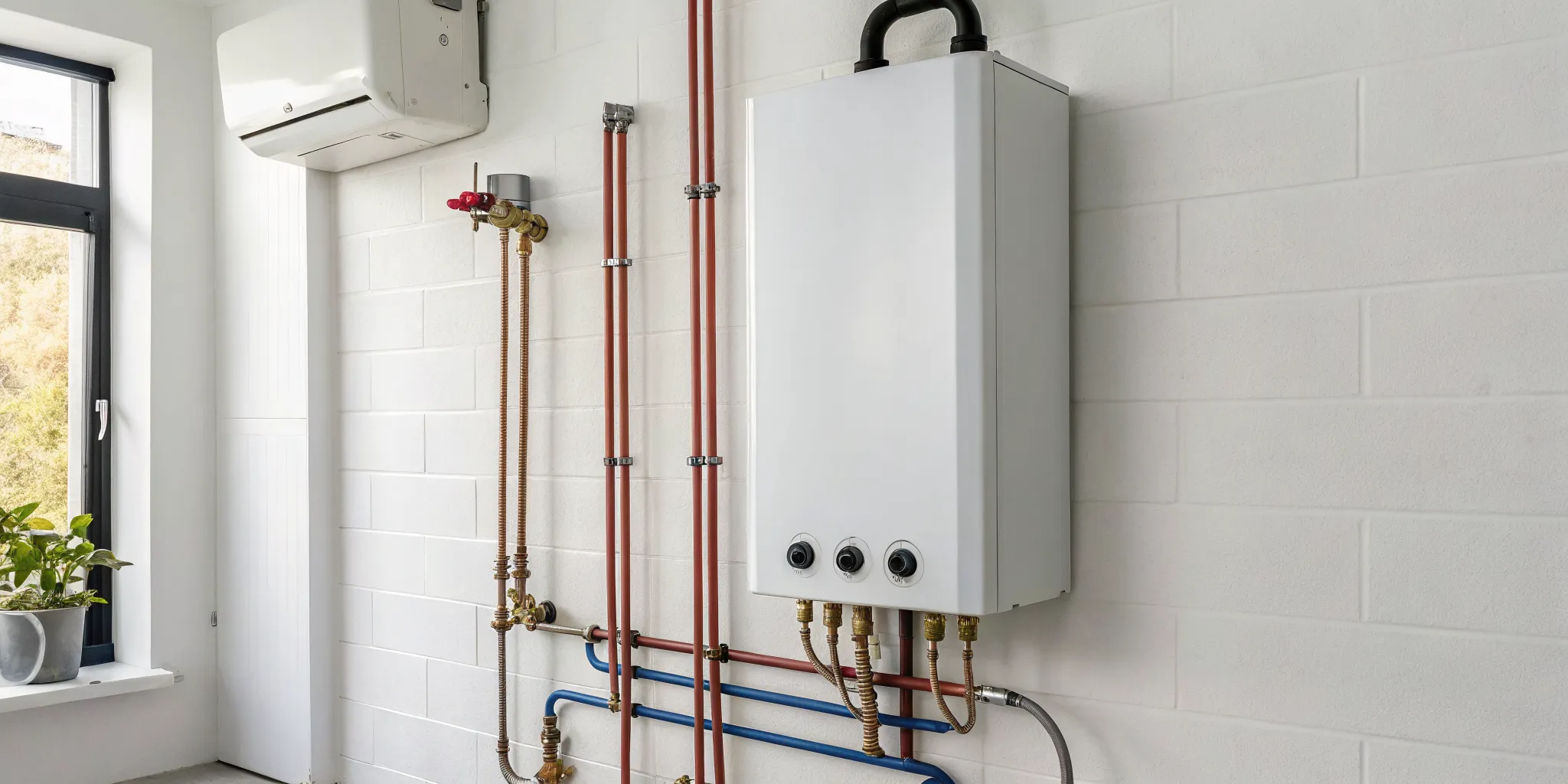
Several key components work together to deliver that endless hot water. The most important part is the heat exchanger, which transfers heat to the water. In a gas model, this involves a burner, while an electric model uses powerful heating elements. A flow sensor is the trigger that tells the unit when to start and stop heating. For safety and maintenance, every installation requires specific plumbing parts, including isolation valves for servicing the unit and a pressure relief valve to prevent dangerous pressure buildup. Gas units also need a dedicated gas line with a shutoff valve and a special ventilation system, since their exhaust must be routed directly outside. Electric units, on the other hand, require heavy-duty electrical wiring and a dedicated circuit breaker to handle their power needs.
Why go tankless? The top benefits
If you're thinking about a water heater upgrade, switching to a tankless model offers some serious advantages for your home and daily routine. Instead of keeping a large tank of water hot 24/7, these on-demand systems heat water the moment you need it. This modern approach comes with some compelling benefits that make it a popular choice for homeowners across the Western Slope. Let's look at why making the switch might be the right move for you.
Enjoy greater energy efficiency
Traditional water heaters constantly burn energy to maintain the temperature of a large water tank, even when you're not using it. A tankless water heater eliminates this standby heat loss by only activating when you turn on a hot water tap. This smarter, on-demand process is much more efficient. In fact, for homes that use a moderate amount of hot water, these systems can be up to 34% more energy-efficient than a conventional storage tank heater. This efficiency helps reduce your home's energy consumption and can lower your monthly utility bills.
Reclaim your space with a compact design
Let's be honest, old-fashioned water heaters are big and bulky, often taking up an entire closet or a significant corner of your utility room. Tankless units, on the other hand, are incredibly compact, usually about the size of a small suitcase. Because they don't need to store gallons of water, they can be mounted directly on a wall, freeing up valuable floor space for storage or other uses. This space-saving design not only helps declutter your home but also provides more flexibility when it comes to choosing an installation spot.
Get an endless supply of hot water
One of the biggest frustrations with a traditional water heater is running out of hot water mid-shower. With a tankless system, that's a problem of the past. Since the unit heats water as it passes through, it provides a continuous supply of hot water on demand. You can run the dishwasher and then immediately take a long, relaxing shower without a second thought. While you can't run every hot water appliance in your house at the exact same time (each unit has a maximum flow rate), you'll never have to wait for a tank to refill and reheat again.
A longer-lasting solution
Investing in a major home appliance is a big decision, and you want to choose something that's built to last. This is where tankless water heaters truly shine. A typical storage-tank water heater has a lifespan of about 8 to 12 years. In contrast, a well-maintained tankless model can operate efficiently for 20 years or more, which is nearly double the lifespan of its traditional counterpart. This impressive durability means fewer worries about unexpected leaks, failures, and the hassle of a premature replacement, giving you reliable performance and peace of mind for years to come.
How to choose the right tankless water heater
Picking the right tankless water heater feels like a big decision, but it really comes down to three things: your family’s hot water habits, your home’s existing utilities, and finding the right size. When you get these pieces right, you’ll have a system that delivers all the hot water you need without wasting energy. Let’s walk through how to figure out the perfect fit for your home.
Calculate your home's hot water needs
First, think about how much hot water your household uses at peak times. The key metric here is gallons per minute, or GPM. This measures how much hot water the heater can produce. To find your magic number, consider how many devices might run at once. For example, could someone be showering (2.5 GPM) while the dishwasher is running (1.5 GPM)? That’s 4 GPM right there. A typical family of four usually needs a unit that can handle 8 to 10 GPM to keep everyone happy. You can estimate your GPM needs by adding up the flow rates of your most-used fixtures and appliances.
Gas vs. electric: What's the difference?
Your home’s utility setup will likely be the biggest factor in this decision. Gas tankless heaters are powerful and efficient, capable of producing a high volume of hot water. However, they require a dedicated gas line, an electrical connection, and a ventilation system, which can make installation more complex. In some cases, you might even need to upgrade your gas line to support the new unit. Electric models are simpler to install since they don’t need venting, but they do require a heavy-duty electrical supply. This often means adding larger breakers and wiring to your home’s electrical panel. They also tend to produce less hot water than gas models, making them a better fit for smaller homes.
Understanding sizing and efficiency ratings
Once you know your GPM needs and preferred fuel type, it’s time to look at specific models. Here’s a pro tip: always choose a tankless water heater that is a bit larger than what you think you need. This ensures you’ll always have enough hot water, even on those extra-busy mornings. Also, pay attention to the energy efficiency rating. Small tankless heaters are already 24% to 34% more energy efficient than traditional tank heaters, but picking a high-efficiency model maximizes that benefit over time. A properly sized, efficient unit is the key to getting that endless hot water without a surprisingly high utility bill.
Getting your home ready for installation
Switching to a tankless water heater is an exciting upgrade for your home, and a little preparation can make the installation process go that much smoother. While a professional technician will handle all the technical work, understanding what needs to be checked and potentially changed in your home helps you know exactly what to expect. Before your new unit can be installed, a technician will perform a thorough assessment of a few key areas to ensure your home is ready. This initial checkup is all about making sure your new heater will work safely, reliably, and efficiently from the moment it’s turned on.
Properly preparing your home involves a close look at your existing utility lines, your home's water pressure, and the available ventilation paths. It also means finding the perfect spot for the new, compact unit to live. Each of these steps is crucial for a successful installation and for getting the most out of your new on-demand hot water system. Think of it as setting the stage for better performance and long-term peace of mind. Let’s walk through what a professional will look for during this pre-installation inspection.
Checking your gas and electrical lines
One of the first things a technician will inspect is your home's gas and electrical setup. Tankless water heaters, especially gas models, are powerful and require a significant amount of energy to heat water instantly. They often need a higher gas input than traditional tank heaters, which may mean your existing gas line isn't large enough. It’s common to need an upgrade to your gas line, sometimes from a 1/2-inch to a 1-inch diameter pipe, to meet the demand. For electric models, a technician will confirm your electrical panel can handle the load. This step is all about making sure your new heater has the fuel it needs to run correctly.
Confirming water pressure and flow rate
For a tankless water heater to activate and provide that endless stream of hot water, your home needs adequate water pressure. Before installation, a technician will measure your water pressure to ensure it meets the manufacturer's requirements for the model you’ve chosen. If the pressure is too low, the unit might not turn on. They will also make sure all the air is removed from the water heater and pipes during the setup. This ensures the system operates efficiently and prevents performance issues down the road, giving you a consistent and reliable hot water supply.
Planning for proper ventilation
If you're installing a gas tankless water heater, proper ventilation is a critical safety requirement. Unlike old tank-style heaters that might have used a chimney, tankless units have a cooler exhaust and must be vented directly to the outside. This is because the exhaust gases aren't hot enough to rise through a conventional chimney system effectively. A professional will help you determine the best way to run the new vent pipe through a wall or roof, ensuring all exhaust is safely directed outdoors. This step is non-negotiable for maintaining healthy air quality in your home.
Choosing the right location
Where you put your new tankless water heater matters. Because these units are so small, you have more flexibility than you would with a bulky tank. Ideally, the unit should be installed as close as possible to the fixtures you use most, like the kitchen sink or primary shower. A central location for your water heater can also work well for whole-home applications. Placing it strategically reduces the time you wait for hot water to arrive at the tap. If you're considering an outdoor unit, your technician will make sure it's rated for outdoor use and protected from the elements.
Do you need a permit to install a tankless water heater?
When you’re upgrading a major appliance like a water heater, it’s easy to focus on the equipment itself and overlook the paperwork. But when it comes to installation, one of the most common questions we get is about permits. The short answer is yes, you will almost certainly need a permit to install a tankless water heater. This isn't just a bureaucratic step; it's a critical safety measure for your home and family.
Think of a permit as a formal record that the work is being done correctly and to current safety standards. Because tankless water heaters involve significant plumbing, electrical, and often gas line modifications, a permit ensures the project is on the radar of local building authorities. This process is designed to protect you from improper installations that could lead to water damage, gas leaks, or electrical hazards. When you work with a professional team like Cooley's, we handle the entire permitting process for you, from filing the application to scheduling the final inspection, so you can have complete peace of mind.
Working with local building codes
Every city and county has its own set of rules, known as building codes, that govern construction and renovation projects. These codes are especially strict for plumbing and gas line work to ensure everything is installed safely. For a tankless water heater, local codes will dictate specific requirements for things like ventilation paths, gas pipe sizing, and the unit's placement. Following these local building codes is not optional; it’s a legal requirement that ensures your new heater operates safely and efficiently. A licensed plumber is an expert in these local regulations and will make sure every part of your installation is fully compliant.
The inspection process and timeline
After the permit is issued and your new tankless water heater is installed, a local building inspector will need to visit your home to approve the work. The inspector’s job is to provide a third-party verification that the installation meets all safety and code requirements. They will check the plumbing connections, electrical wiring, gas lines, and ventilation system to confirm everything was done by the book. The timeline for this inspection process can vary depending on the inspector's schedule, but a professional installer will coordinate this for you. This final sign-off is what closes out the permit and gives you official confirmation that your system is safe and ready to go.
The installation process: A step-by-step look
Switching to a tankless water heater is an exciting upgrade for your home, but the installation is more involved than a simple swap. It’s a precise job that requires deep knowledge of plumbing, gas, and electrical systems. Understanding the steps helps you know what to expect when a professional team arrives to handle the work.
From start to finish, a proper installation ensures your new heater runs safely and efficiently for years to come. Here’s a look at what our technicians at Cooley's do to get your on-demand hot water flowing.
Removing the old tank
The first thing to go is your old, bulky water heater. Before anything is disconnected, our technicians will safely shut off the main water supply and the power or gas line connected to the unit. Once it's safe, we drain any remaining water from the tank. After the tank is empty, we disconnect the plumbing and carefully remove the old heater, clearing the way for your new, compact system. This step immediately frees up valuable floor space in your utility room or garage.
Upgrading gas and electrical lines
Tankless water heaters generate hot water on demand, which means they need a lot of power in short bursts. For gas models, this often requires upgrading the existing gas line to a larger diameter to ensure it can supply enough fuel for instant heating. Electric models have their own demands, typically needing a dedicated high-voltage circuit. This step is critical for both performance and safety, and it’s a key reason why a licensed professional should always handle the installation to meet all local codes.
Mounting and connecting your new heater
With the old unit gone and the lines ready, it’s time to mount your new tankless heater. We’ll find the perfect spot on the wall, making sure there’s enough clearance around it for proper airflow and future maintenance. After securing it, we connect the hot and cold water lines. We also install isolation valves, which are a small but important detail. These valves allow us to easily flush the system for routine maintenance down the road, helping extend the life of your heater.
Installing the ventilation system
If you have a gas tankless heater, proper ventilation is essential for safety. Unlike traditional tank heaters that might use an existing chimney, tankless units require a dedicated, sealed vent system. Our technicians will install two pipes that run directly to the outdoors: one for drawing in fresh air for combustion and another for safely expelling exhaust gases. This direct-vent method is a key part of the Energy Star requirements for high-efficiency units and ensures your system runs cleanly.
Testing for perfect performance
The final step is to make sure everything is working exactly as it should. We’ll turn the water supply back on and slowly open the gas or flip the breaker. Our team meticulously checks every connection for leaks and purges any air from the water lines to ensure you get a steady stream of hot water. We run the system, test the temperature output, and make any final adjustments. We don't consider the job done until we're confident your new heater is running safely and perfectly.
Common installation mistakes to avoid
Installing a tankless water heater is a precise job. While it might be tempting to tackle it yourself, a few common missteps can lead to poor performance, safety hazards, or even a voided warranty. Getting it right from the start ensures your new heater works efficiently for years to come. Let’s walk through some of the most frequent installation errors and why it’s so important to get them right. These are the kinds of details a professional installer handles every day, making sure your home is safe and your system runs perfectly.
Sizing the gas line incorrectly
One of the most common hurdles with gas tankless water heaters is underestimating their fuel needs. Your old tank heater likely sipped gas, but a tankless model needs a much larger supply to heat water instantly. An undersized gas line simply can’t deliver enough fuel, which can cause the unit to shut down or fail to produce consistently hot water. A professional will correctly calculate your home’s needs and ensure the gas line is properly sized for safe, reliable operation.
Improperly installing the vent
Proper ventilation is non-negotiable for any gas appliance, and tankless water heaters have specific requirements. You can't just connect the new vent to an old, existing chimney. The exhaust from a high-efficiency tankless unit is cooler and won't rise properly in a traditional chimney, which can lead to condensation and corrosion. More importantly, improper venting can cause dangerous gases, including carbon monoxide, to build up inside your home. A correct installation involves running a dedicated, sealed vent pipe directly to the outdoors.
Ignoring placement and clearance rules
Where you put your tankless water heater matters a great deal. Every unit comes with specific manufacturer guidelines for placement and clearance, which dictate how much space is needed between the heater and any combustible materials like wood or drywall. These rules are there to prevent a fire hazard. The unit also needs plenty of fresh air for proper combustion. Tucking it away in a tight, unventilated closet can starve it of oxygen, reducing its efficiency and lifespan.
Skipping permits and inspections
It might seem like extra paperwork, but pulling a permit for your installation is a crucial step. Local building codes exist to ensure all plumbing, gas, and electrical work is done safely. A permit triggers an inspection from a local official, who verifies that the installation meets these standards. Skipping this process can lead to fines, trouble with your homeowner's insurance, and complications if you decide to sell your home later. When you work with a licensed professional, they handle the entire permitting and inspection process for you.
What's the cost of a tankless water heater installation?
Figuring out the budget for a tankless water heater involves more than just the price of the unit. The total cost is a combination of the equipment, professional labor, and any necessary upgrades to your home’s existing plumbing, gas, or electrical systems. While it’s a significant home improvement investment, understanding the breakdown can help you plan effectively. The final price tag will depend on the model you choose and the specific requirements of your home, but knowing the key components will prevent any surprises along the way.
Breaking down equipment costs
The tankless water heater itself is the first major expense. On average, a whole-home unit can run anywhere from $1,600 to $3,800, with the total project cost, including installation, often landing around $2,400. This wide range is due to differences in brand, size, and fuel type (gas or electric). High-efficiency gas models tend to be on the higher end of the spectrum but can offer better performance for larger households. When you compare different models, think about your family’s hot water usage and your home’s layout to find the right fit for your needs and budget.
Understanding professional installation fees
Professional installation is crucial for safety and performance, and the labor costs typically make up about half of the total project expense, often around $1,200. This fee covers the time and expertise of a licensed technician who will safely disconnect your old unit, mount the new one, and connect all the water, gas, and electrical lines. If your installation is more complex, for example, if it requires rerouting pipes or switching from an electric tank to a new gas tankless unit, the labor costs may be higher. Investing in a professional from Cooley's Heating, Cooling & Plumbing ensures the job is done right and meets all local codes.
Planning for potential infrastructure upgrades
Switching to a tankless water heater, especially a gas model, sometimes requires a few updates to your home's infrastructure. Gas-powered tankless heaters need a larger fuel supply than traditional tanks, which may mean upgrading your gas line from a 1/2-inch pipe to a 1-inch one. Similarly, converting from a standard tank often requires changes to your plumbing and venting systems to accommodate the new unit's specifications. These infrastructure upgrades are essential for the heater to operate safely and efficiently, so it’s important to factor them into your overall budget from the start.
Why you should hire a professional for installation
While tackling a home improvement project yourself can feel empowering, installing a tankless water heater is one job best left to the experts. This isn't just about convenience; it's about safety and making sure the job is done right. These systems are more complex than traditional water heaters, involving precise connections for gas lines, high-voltage electrical circuits, and intricate plumbing. A small mistake can lead to big problems, from poor performance to serious safety hazards. Hiring a professional ensures your new heater is installed correctly, operates efficiently, and, most importantly, keeps your home and family safe. Let's look at the two biggest reasons why you should always call a pro for this type of installation.
The importance of safe gas and electrical work
A tankless water heater installation requires careful handling of both gas and electrical systems. For gas models, an improper connection can lead to dangerous leaks, creating a risk of fire or carbon monoxide poisoning. Similarly, electric models require specific wiring and breaker sizes to function safely. A licensed technician has the training to manage these connections correctly, ensuring every fitting is secure and every wire is properly placed. Beyond the immediate safety concerns, a DIY installation can also void your manufacturer's warranty. Most companies require proof of professional installation to honor their warranty, protecting your investment for years to come. Our team at Cooley's provides expert HVAC services to get the job done safely and correctly.
Ensuring your installation meets local codes
Every community on the Western Slope has its own set of building codes that regulate plumbing, electrical, and ventilation work. These rules are in place to ensure safety and proper function, and they can be quite specific about where a unit can be installed and how it must be vented. A professional installer is well-versed in these local requirements and will make sure your new tankless water heater meets all necessary standards. This prevents you from failing a building inspection, which could lead to fines or the need to redo the entire installation. By working with a trusted local company, you can be confident that your project is fully compliant from start to finish.
How to care for your new tankless water heater
Your new tankless water heater is a fantastic upgrade, but the relationship doesn't end after installation. Just like any other major appliance in your home, it needs a little TLC to perform its best for years to come. Consistent maintenance keeps it running efficiently and helps you avoid surprise repairs down the road. By creating a simple care routine, you can ensure you always have that wonderful, endless supply of hot water you invested in. The good news is that it’s not complicated and comes down to a few key tasks.
Creating a regular descaling schedule
If you live anywhere on the Western Slope, you’re likely familiar with hard water. Over time, minerals like calcium and magnesium can build up inside your tankless water heater, a process called scaling. This buildup forces your unit to work harder, reducing its efficiency and shortening its lifespan. The solution is simple: regular descaling. Plan to flush your system about once a year to clear out any mineral deposits. You can do this yourself with a descaler kit and a bucket by following the manufacturer’s instructions. Setting a recurring reminder on your calendar is a great way to stay on track.
Why annual professional inspections matter
While you can handle descaling on your own, it’s essential to have a qualified technician perform an annual inspection. A professional can spot potential issues you might miss, from small leaks to problems with the ventilation or gas line. These check-ups are about more than just efficiency; they’re about safety. A trained expert will ensure every component is working correctly and that your system remains compliant with all local codes. Think of it as an annual wellness visit for your water heater. Scheduling a yearly professional service gives you peace of mind knowing your unit is operating safely and at peak performance.
Monitoring your system and settings
In between professional visits, get into the habit of paying attention to your water heater’s performance. Do you notice any fluctuations in water temperature or a drop in water pressure? Are there any new or unusual noises coming from the unit? These can be early warning signs that something needs attention. It’s also a good idea to check your temperature setting periodically. The Department of Energy recommends a setting of 120°F for most households to balance comfort and safety. If you notice anything out of the ordinary or have concerns, don’t hesitate to call a professional. Staying observant is a simple way to catch small problems before they become big ones.
Related Articles
- Water Heater Repair Delta County | Restore Hot Water Fast | Cooleys
- Water Heater Repair Montrose County | No Hot Water Fix | Cooleys
- Labor Cost to Install a Furnace: What to Expect
- Daikin Installation Manual R32 Split Series: A Guide
- Mini Split Cost for 1000 sq ft: A Full Breakdown
Frequently Asked Questions
Will I still have hot water if the power goes out? This is a great question, and the answer depends on the type of unit you have. An electric tankless heater relies completely on electricity to function, so it will not work during a power outage. A gas-powered model, however, still needs a small amount of electricity to ignite the burner and run its electronic controls. So, even with a gas unit, you will likely be without hot water until the power is restored.
How long does a typical installation take? A standard installation, where we are replacing an old tank with a new tankless unit in a similar location, usually takes between four to eight hours. The timeline can extend if your home needs significant upgrades, such as running a new, larger gas line, adding a dedicated electrical circuit, or installing a complex ventilation system. Our technician will give you a more precise time estimate after assessing your home's specific setup.
Is the annual maintenance really necessary? Yes, it absolutely is. Think of it like getting an oil change for your car. The annual descaling process is vital, especially with the hard water we have on the Western Slope, because it removes mineral buildup that can damage the heat exchanger and reduce efficiency. A yearly professional inspection also ensures all the components are working safely. Consistent maintenance is the key to getting that 20-plus year lifespan from your unit.
I've heard tankless heaters can take a moment to deliver hot water. Is that true? Yes, there can be a short delay. While the heater warms the water almost instantly, that hot water still has to travel through your home's pipes to reach your faucet. This is the same travel time you experienced with your old tank heater. The big difference is that once the hot water arrives, it will not run out. The delay is usually just a few seconds, and a professional can help you choose an installation location that minimizes this wait time.
How much will a tankless water heater affect my monthly utility bills? Because a tankless unit only heats water when you need it, it eliminates the standby energy loss that comes with keeping 40 or 50 gallons of water hot all day. This on-demand process is much more efficient and leads to a noticeable reduction in your home's energy consumption for water heating. The exact impact on your bill depends on your household's water usage, but this improved efficiency is one of the primary reasons homeowners make the switch.