.png)




.png)


A silent furnace on a cold day can feel like a major crisis, but it’s rarely a sign of a complete system meltdown. More often than not, the problem is surprisingly minor. If you’re currently wondering, “why is my furnace not kicking on?” you’re not alone. This is one of the most common issues homeowners face, and the fix is often as simple as flipping a switch or changing a filter. We’ll walk you through a step-by-step process of elimination, starting with the easiest and most frequent offenders. By checking these key areas first, you can often restore your heat quickly and avoid the cost and wait of a service call.
Key Takeaways
- Check the basics before you call: Many furnace problems have simple solutions. Always confirm your thermostat is set correctly, reset the circuit breaker, and check for a dirty air filter before assuming a major issue.
- Recognize the limits of DIY repairs: Your safety is what matters most. Unusual noises, a rotten egg smell indicating a gas leak, or a breaker that repeatedly trips are clear signs to stop and contact a professional.
- Prevent future issues with routine maintenance: An annual professional tune-up is the most effective way to keep your furnace reliable. It helps the system run efficiently, extends its lifespan, and catches small problems before they turn into cold-weather emergencies.
Why Won't My Furnace Turn On?
When your furnace decides to take an unscheduled break on a cold Colorado day, it’s more than just an inconvenience. Before you start to worry, there are a few simple things you can check yourself. Often, the fix is surprisingly easy and doesn't require a professional call. Walking through these basic troubleshooting steps can help you identify the problem and, in some cases, get your heat back on in minutes. Let's go through the most common reasons your furnace might not be turning on and what you can do about them.
Check the Power Supply
It might sound obvious, but your furnace needs electricity to run. The first thing to check is your home's electrical panel. Find the circuit breaker dedicated to your furnace. Sometimes, a power surge can cause the breaker to trip, cutting off the power. A tripped breaker will be stuck in the middle position, between 'on' and 'off.' To reset it, you need to flip the switch completely to the 'off' position and then firmly back to 'on.' If the breaker trips again right away, leave it off and call a professional, as this could signal a more serious electrical issue with your system.
Look at the Thermostat
Your thermostat is the brain of your heating system, so a simple setting error can prevent it from working. First, make sure it’s set to 'heat.' Next, check that the temperature is set at least a few degrees higher than the current room temperature. If the thermostat screen is blank or unresponsive, it likely needs new batteries. Most digital thermostats have a small panel that pops off, allowing you to easily replace them. A dead thermostat can't send the signal to your furnace to start, so this quick fix often solves the problem instantly. If the settings are correct and the batteries are fresh, the issue lies elsewhere.
Inspect the Air Filter
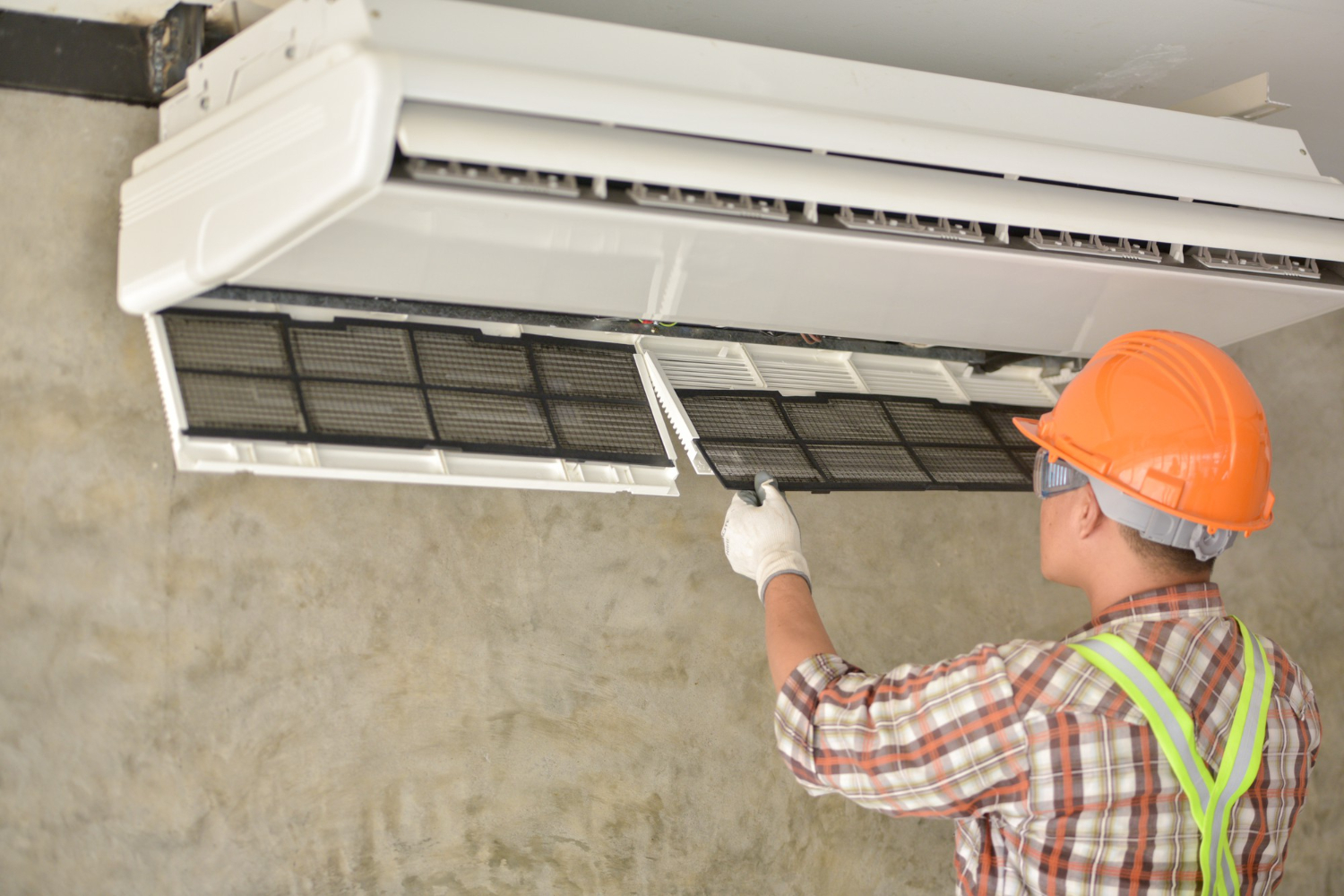
A dirty air filter is one of the most frequent culprits behind a furnace that won't start. When the filter gets clogged with dust and debris, it restricts airflow. This can cause your furnace to work too hard, overheat, and shut itself down as a safety measure. Pull out your furnace filter and hold it up to a light. If you can't see light through it, it's time for a replacement. Most filters should be changed every 1-3 months. Regularly changing your filter is a crucial part of furnace maintenance that keeps your system running efficiently and prevents unexpected shutdowns.
Identify Ignition System Issues
If the power, thermostat, and filter are all fine, the problem might be with the ignition system. Older furnaces use a pilot light, a small, constant flame that ignites the gas. If this flame has gone out, your furnace won't start. You can try relighting it by following the manufacturer's instructions, which are usually printed on a label inside the furnace cabinet. Newer furnaces have an electronic igniter that glows hot to light the gas. These igniters can crack or fail over time. If you hear the furnace click on but the burners never light, a faulty igniter is a likely cause. Issues with ignition systems are best handled by a trained technician.
Understand the Safety Switch
For your protection, every furnace has a safety switch, often called a door switch or blower door switch. This small button is designed to cut power to the furnace whenever the access panel or blower door is open. If you recently changed your air filter or had a look inside, you might not have secured the door properly when you finished. Double-check that the access panel is firmly in place and that it's fully depressing the switch. It’s a simple but essential safety feature that’s easy to overlook. If the door is shut tight and the furnace still won't start, it's time to move on to other possibilities.
Furnace Not Starting? Check These 4 Things First
When your furnace decides to take an unscheduled break, especially on a chilly Colorado day, it’s easy to feel a little panicked. But before you pick up the phone, take a deep breath. Often, the reason your furnace won’t kick on is something you can fix yourself in just a few minutes. Walking through a few simple checks can save you time and the cost of a service call. Many homeowners are surprised to learn that the fix is as simple as changing a battery or flipping a switch.
Think of it as basic furnace first aid. We’ll look at the most common culprits that prevent a furnace from starting, from the thermostat on your wall to a simple safety switch on the unit itself. These issues are surprisingly frequent and don’t require any special tools to diagnose. By ruling out these simple problems first, you can get your heat back on quickly or, at the very least, provide valuable information to a technician if you do need to make a call. This guide will walk you through four key areas to inspect before assuming the worst. It’s all about empowering you to handle the small stuff so you can stay warm and comfortable. Let’s go through the four things you should check right now.
Confirm Your Thermostat Settings
It might sound too simple to be true, but an incorrect thermostat setting is one of the most common reasons a furnace won’t start. Your thermostat is the brain of your heating system, so let’s make sure it’s giving the right commands. First, check that it’s set to “heat.” It’s easy to forget to switch it over from “cool” when the seasons change.
Next, make sure the temperature is set higher than the current room temperature. If you have it set to 68 degrees and your home is already 70, the furnace has no reason to turn on. Finally, if your thermostat uses batteries, a low or dead battery could be the problem. A thermostat with no power can’t communicate with your furnace. Pop the cover off and replace the batteries to see if that does the trick.
Check the Circuit Breaker
Your furnace needs electricity to run, even if it’s a gas model. If it’s not getting power, it won’t start. A common reason for a power interruption is a tripped circuit breaker. Head to your home’s main electrical panel, which is usually in the garage, basement, or a utility closet. Look for the breaker labeled “furnace,” “HVAC,” or “air handler.”
A tripped breaker will be in the middle position or shifted slightly to the “off” side. To reset it, you need to flip it all the way to the “off” position first, then switch it firmly back to “on.” If the furnace starts up, you’ve found your problem. However, if the breaker trips again right away, it could indicate a more serious electrical issue. In that case, it’s best to leave it off and call a professional.
Look at Your Air Filter
A dirty air filter is a classic furnace foe. Its job is to trap dust, pet dander, and other particles, but when it gets too clogged, it can block airflow to your system. This restricted airflow can cause your furnace to overheat and shut itself down as a safety precaution. Luckily, this is an easy fix.
Locate the filter compartment on your furnace, which is typically a slot on the side or bottom of the unit. Slide the old filter out and inspect it. If it’s covered in a thick layer of gray dust and debris, it’s definitely time for a change. You can find replacement filters at most hardware stores. Just be sure to get the right size, which is printed on the side of your old filter. Making a habit of checking your filter monthly can prevent a lot of future headaches.
Make Sure the Furnace Door Is Shut
Here’s another simple check that often gets overlooked. Furnaces have a safety switch, sometimes called a blower door switch, that cuts power to the unit when the access panel is open. This is designed to protect you from moving parts and electrical components inside. If this door isn’t completely closed, the switch won’t be engaged, and your furnace won’t get power.
This can easily happen after someone changes the air filter and doesn’t replace the panel securely. Go to your furnace and check the main access door. Make sure it’s properly seated and latched or screwed in place. You should hear a click as the door presses the safety switch. It’s a small detail, but it can make all the difference between a cold house and a warm one.
Key Furnace Parts to Inspect
If the simple checks didn’t get your furnace running, it’s time to look a little closer at some key components. Your furnace is a complex system, but understanding what its main parts do can help you identify the source of the problem. Before you inspect any internal parts, remember to always turn off the electrical power to your furnace at the breaker box for your safety. This step is non-negotiable. Once the power is off, you can carefully investigate a few common culprits that might be causing the shutdown.
Flame Sensor and Igniter
Modern furnaces don’t have a constantly burning pilot light; instead, they use an igniter and a flame sensor. The igniter, often a hot surface igniter, is responsible for lighting the gas. If it’s cracked or broken, your furnace simply won’t start. The flame sensor’s job is to confirm that there’s actually a flame after the gas valve opens. Over time, this sensor can get covered in soot and grime. When it’s dirty, it can’t “see” the flame, so the furnace’s safety system shuts off the gas to prevent it from pumping into your home unburned. A quick, careful cleaning can sometimes solve the problem, but if the igniter is faulty, it will need to be replaced.
Blower Motor and Capacitor
The blower motor is the powerhouse that pushes warm air through the ducts and into your home. If this motor fails, air won't circulate. You might hear the furnace click on and even light up for a moment, but it will quickly shut down when its internal sensors detect that air isn’t moving. This prevents the system from overheating. The blower motor is started by a component called a capacitor. Capacitors can wear out over time, but they also store a powerful electrical charge even when the power is off. Handling them is dangerous if you don’t know how to safely discharge them first, so it’s best to leave any blower motor or capacitor issues to a trained professional.
Gas Valve and Supply Line
For your furnace to produce heat, it needs a steady supply of natural gas. Sometimes, the fix is as simple as checking the gas valve. You’ll find a valve on the gas line leading to your furnace; its handle should be parallel to the pipe, which indicates it’s open. If the handle is perpendicular, the gas is off. It’s possible it was turned off for a past repair and never reopened. You should also confirm that your other gas appliances are working. If they aren’t, there might be a problem with the gas supply to your entire home, and you’ll need to contact your utility company.
Condensate Drain Line
If you have a high-efficiency furnace, it produces condensation as part of its normal operation. This water has to go somewhere, so it’s removed through a condensate drain line. Over time, this line can get clogged with dust, algae, or other debris, causing water to back up. To prevent water damage, these furnaces have a safety switch (often called a float switch) that will shut the entire system down if it detects a clog. You can check the drain line for visible blockages and clear them out. If your system has a condensate pump, make sure it’s working correctly and not clogged with gunk.
Pilot Light
While most new furnaces use electronic igniters, many older models still rely on a pilot light, which is a small, continuously burning flame. If that flame goes out, the furnace won’t be able to light its main burners. You can usually find instructions for relighting the pilot on a sticker inside the furnace access panel or in your owner’s manual. Follow those directions carefully. If the pilot light goes out repeatedly, it’s a sign of a bigger problem. This could be a faulty thermocouple or an issue with the gas supply, and it’s a good time to schedule a professional inspection to diagnose the underlying cause.
Your DIY Furnace Troubleshooting Guide
When your furnace takes an unscheduled break during a Colorado cold snap, it’s stressful. But before you panic, a few simple checks can often solve the problem. This guide walks you through basic troubleshooting to get your heat back on quickly and safely.
A Step-by-Step Process
Start with the thermostat. Make sure it’s set to “Heat” with the temperature set higher than the current room temperature. If the screen is blank, try replacing the batteries. If the thermostat is working, head to your electrical panel. Find the furnace breaker and flip it completely off, then back on. A simple reset is often all it takes to restore power.
Simple Fixes to Try Now
Two common culprits are easy to fix. First, find the furnace's power switch, which looks like a standard light switch on or near the unit, and confirm it’s on. Next, check your air filter. A dirty filter restricts airflow, causing the furnace to overheat and shut down. If it looks clogged, replace it. This simple piece of regular furnace maintenance can solve many heating problems and keep your system running efficiently.
How to Read Furnace Error Codes
If the basics don't work, your furnace might be telling you what's wrong. Many have a small, blinking LED light visible through a window on the cabinet door. This light flashes in a sequence to signal a specific error. You can usually find a chart explaining these codes on a sticker inside the furnace panel. Identifying the code helps diagnose the issue before you call for help.
Know When to Call a Pro
It’s crucial to know your limits. If you’ve tried these steps and the heat is still off, it’s time for professional help. Issues with the blower motor, heat exchanger, or gas valve are complex and require specialized tools. If you smell gas or hear loud banging noises, turn the system off immediately and contact an expert. Your safety is the top priority, and some jobs are best left to trained technicians.
Troubleshooting: Gas vs. Electric Furnaces
The steps you take to figure out why your furnace isn't working will depend on whether it runs on gas or electricity. While some issues, like a dirty filter or a thermostat problem, are universal, others are specific to your furnace’s fuel source. Knowing which type you have is the first step to getting to the root of the problem. Gas furnaces involve a pilot light or electronic ignition and a gas supply, while electric furnaces rely on heating elements and your home's electrical system. Let's walk through the key differences so you can check the right things safely.
What to Check on a Gas Furnace
If you have a gas furnace, your troubleshooting checklist will focus on the fuel supply and ignition. First, find the gas valve leading to your furnace and make sure it’s in the "on" position; it can sometimes get knocked closed by accident. If you have an older furnace, it might have a pilot light that has gone out. You can usually find instructions for relighting it on a panel on the furnace itself. The most important thing to remember is safety. If you ever smell gas, which often smells like rotten eggs, do not try to fix anything. Leave your home immediately and call your local gas company from a safe distance.
Common Issues with Electric Furnaces
For homes with electric furnaces, the problem is almost always electrical. Your first stop should be your home's main electrical panel. Find the circuit breaker labeled for your furnace and see if it has tripped. If it’s in the middle or "off" position, flip it completely off and then back on again. Another common culprit is a severely clogged air filter. If the filter is too dirty, it can block airflow, causing the furnace to overheat and shut down as a safety precaution. Pull out your filter and hold it up to a light. If you can't see light through it, it's time for a replacement.
Safety Tips for Each Type
Regardless of your furnace type, safety should always be your top priority. For gas furnace owners, the risk of a gas leak is the biggest concern, so trust your nose and act quickly if you smell that distinct rotten egg odor. For both types, a simple but often overlooked issue is the furnace door switch. This is a safety feature that cuts power to the unit when the access panel is open. Make sure the door is closed securely. The best safety measure of all is prevention. Scheduling routine maintenance ensures your system runs efficiently and allows a professional to catch small issues before they become serious safety hazards.
5 Signs It's Time for a Professional Repair
While some furnace issues have simple DIY solutions, others are clear signals that you need an expert’s help. Trying to fix complex problems on your own can be ineffective and even dangerous. If you notice any of the following signs, it’s best to put down the tools and pick up the phone to call a qualified technician.
The Breaker Keeps Tripping
Your furnace runs on a dedicated electrical circuit. If that circuit overloads, the breaker will trip (shut off) to prevent damage. You can try resetting it once by flipping the switch completely off and then back on. However, if the breaker trips again, don't keep resetting it. A frequently tripping breaker points to a deeper electrical problem, like a failing motor drawing too much power or a short in the wiring. This isn't just a nuisance; it's a fire hazard. A professional needs to diagnose the root cause to ensure your system runs safely.
You Hear or Smell Something Strange
Your furnace should operate with a gentle hum. Loud or unusual noises like banging, screeching, or rattling are signs of trouble. Banging could indicate a delayed ignition, while screeching often points to a problem with the blower motor or its belt. Similarly, pay attention to odd smells. While a faint dusty smell is normal when you first turn on the heat for the season, a persistent burning odor could mean an overheating motor. The most critical warning is the smell of rotten eggs, which signals a potential natural gas leak. If you smell this, leave your home immediately and call your gas company from a safe distance.
The Pilot Light Is Yellow or Flickering
If you have an older gas furnace, take a look at the pilot light. A healthy pilot light is a steady, blue flame. If you see a flame that is yellow, orange, or flickering, it’s a red flag. This often means the fuel isn’t burning completely, which can be caused by a dirty orifice or a problem with the gas-to-air mixture. An improper burn can create dangerous levels of carbon monoxide. A pilot light that repeatedly goes out is also a sign of a faulty thermocouple or draft issue. For your safety, these are issues that a certified HVAC technician should always handle.
Your Home Isn't Heating Evenly
Are some rooms in your house toasty warm while others feel like an icebox? After you’ve checked for closed vents and replaced your air filter, uneven heating can point to a furnace or ductwork issue. Your furnace’s blower motor might be failing, preventing it from pushing enough warm air throughout your home. It could also be a sign of leaky ductwork, where heated air is escaping into your attic or crawlspace instead of reaching the intended rooms. A professional can perform tests to find the source of the problem and restore balanced comfort to your entire home.
Your Energy Bills Suddenly Spike
A furnace that is struggling to work properly will use more energy to heat your home. If you notice your heating bills are suddenly much higher than usual for the time of year, your furnace is likely the culprit. This drop in efficiency can be caused by worn-out parts, internal blockages, or other mechanical failures that force the system to run longer and harder. While you might be tempted to ignore it, the problem will only get worse. Calling a technician to diagnose the issue can restore your furnace’s performance and prevent a small repair from turning into a major replacement.
Safety First When Troubleshooting Your Furnace
While it’s tempting to roll up your sleeves and figure out what’s wrong with your furnace, your safety should always come first. Furnaces combine fuel, electricity, and combustion, a mix that can be dangerous if you don’t know what you’re doing. Before you try any DIY fixes, it’s essential to be aware of the major risks, including gas leaks, electrical hazards, and carbon monoxide exposure.
Understanding these potential dangers helps you know where to draw the line. Some simple troubleshooting steps are perfectly fine for a homeowner to handle, but others require the expertise and tools of a trained professional. Recognizing the warning signs of a serious problem is the most important skill you can have. It protects you, your family, and your home from a potentially hazardous situation. Let’s walk through the most critical safety checks to perform.
How to Spot a Gas Leak
Natural gas is odorless, so utility companies add a chemical called mercaptan to give it a distinct smell, often described as rotten eggs or sulfur. If you notice this smell in your home, you may have a gas leak. This is a serious emergency that requires immediate action. Do not try to find the source of the leak yourself. Instead, follow gas leak safety protocols immediately. Leave your home, don't use any light switches or electronics (even your phone), and call your gas company’s emergency line from a safe distance. Never assume a faint smell is harmless; it’s always better to be cautious.
Electrical Safety Basics
Your furnace relies on a complex electrical system to function. If you find that the circuit breaker connected to your furnace keeps tripping, it’s a clear signal that something is wrong. This often points to a deeper electrical issue, like a short circuit or an overworked motor, that can’t be fixed by simply flipping the switch back on. Constantly resetting the breaker can create a fire hazard. For any electrical problems, from a frequently tripping breaker to frayed wiring, it’s best to leave the repairs to a professional. Our certified HVAC technicians have the training to diagnose and fix these issues safely.
Understanding Carbon Monoxide Risks
Carbon monoxide (CO) is a colorless, odorless gas produced when fuel doesn’t burn completely. A malfunctioning or poorly maintained furnace is a common source of CO leaks in a home. Because you can’t see or smell it, CO is incredibly dangerous, and exposure can be fatal. The best way to protect your family is to install CO detectors on every level of your home and test them regularly. More importantly, you can prevent CO leaks from happening in the first place with regular furnace maintenance. An annual tune-up ensures your system is running efficiently and safely, giving you peace of mind all winter long.
How Regular Maintenance Prevents Startup Problems
The best way to deal with a furnace that won’t turn on is to prevent the problem from happening in the first place. Instead of waiting for a chilly morning to discover an issue, you can take a proactive approach. Regular maintenance is the single most effective thing you can do to ensure your furnace runs reliably all winter long. Think of it as a wellness check for your heating system. A well-maintained furnace is not only more dependable, but it also runs more efficiently, which helps manage your energy bills. Many of the common reasons a furnace fails to start, from a dirty flame sensor to a clogged filter, are easily preventable with a bit of routine care.
An annual tune-up allows a professional to clean, inspect, and adjust all the critical components of your system. This comprehensive maintenance visit goes beyond just changing a filter. A technician will check for safe operation, test electrical connections, lubricate moving parts, and ensure the thermostat is communicating correctly with the furnace. This process addresses the common culprits behind startup failures before they can leave you in the cold. By scheduling service before the heating season kicks into high gear, you can have peace of mind knowing your furnace is ready to handle whatever the Colorado winter throws its way.
Your Seasonal Maintenance Checklist
Getting your furnace ready for the season involves a few simple tasks you can do yourself and a more thorough inspection that’s best left to a professional. On your own, you should change the air filter if it’s dirty and make sure the area around your furnace is clear of clutter to allow for proper airflow.
A professional maintenance visit, however, goes much deeper. A technician will clean the internal components, check the flame sensor and igniter, test electrical connections, inspect the blower motor, and ensure the thermostat is calibrated correctly. This comprehensive check covers all the bases to prepare your system for reliable performance.
The Value of a Professional Tune-Up
Scheduling a yearly tune-up is a small, predictable step that can protect you from much larger, unexpected repair costs down the road. A clean, finely-tuned furnace operates at its best, using less energy to keep your home warm and comfortable. Over the course of a heating season, that improved efficiency can make a noticeable difference. More importantly, a professional inspection gives you confidence that your system is running safely and effectively. It’s an easy way to ensure your furnace is ready to go when you need it most.
Catching Small Issues Before They Grow
During a maintenance visit, a trained technician can spot small signs of wear and tear that could turn into major problems. A worn belt, a weak capacitor, or a partially blocked drain line might not stop your furnace from working today, but they are often the precursors to a complete breakdown. Finding and fixing these minor issues early is far less stressful and less expensive than dealing with an emergency repair in the middle of a cold snap. It also helps ensure your system is operating safely, protecting your home from potential hazards.
Helping Your Furnace Last Longer
Your furnace is one of the most important appliances in your home, and just like your car, it needs regular service to have a long and productive life. Consistent maintenance reduces the daily strain on critical parts like the blower motor and heat exchanger. This simple care helps extend the furnace's lifespan and postpones the need for a costly replacement. By investing a little in upkeep each year, you can get many more years of reliable service from your current system, making it a smart choice for any homeowner.
Related Articles
- Furnace Repair Delta County | Fast & Reliable Heating Service | Cooleys
- Is an HVAC Tune-Up Worth It? A Pro Explains
- The 7 Top HVAC Brands: An Expert's Guide
- HVAC Repair Montrose County | Fix Heating & Cooling Fast | Cooleys
Frequently Asked Questions
How often should I actually change my furnace filter? The general rule is every one to three months, but your home is unique. If you have pets that shed or family members with allergies, you should check it monthly. A good test is to hold the filter up to a light; if you can't see light passing through it, it's time for a new one. Sticking to a regular schedule is one of the easiest ways to keep your furnace running well.
My furnace breaker tripped. Is it okay to just reset it and see what happens? You can safely reset a tripped breaker once. Flip the switch all the way to the "off" position before moving it back to "on." However, if it trips again, you should leave it off and call a professional. A breaker that repeatedly trips is a clear warning sign of a more serious electrical problem within your furnace, and continuing to reset it can create a fire hazard.
My furnace is making a strange noise, but it's still heating the house. Can I ignore it for now? It's best not to ignore strange noises like rattling, screeching, or banging. While your furnace might still be producing heat, these sounds are usually early warnings that a part is failing or has come loose. Addressing the issue now can often prevent a small problem from turning into a complete system breakdown and a much more expensive repair later.
What's the difference between a professional tune-up and me just changing the filter? Changing your filter is a crucial task, but a professional tune-up is a comprehensive system check. During a tune-up, a technician does much more, like cleaning internal components, testing safety controls, checking electrical connections, and inspecting the heat exchanger for cracks. Think of it this way: changing the filter is like filling your car with gas, while a tune-up is like getting the oil changed and the engine inspected.
My pilot light is yellow instead of blue. Is that a big deal? Yes, this is a sign you should take seriously. A healthy pilot light should be a steady, blue flame. A yellow or flickering flame indicates that the fuel is not burning completely, which can be a sign of a dirty component or improper airflow. More importantly, this incomplete combustion can produce carbon monoxide, so it's a safety issue that requires immediate attention from a qualified technician.