.png)





.png)

Planning a home addition, finishing a basement, or converting a garage into a living space? One of the biggest challenges is figuring out how to heat and cool the new area without a costly and disruptive ductwork extension. While a single mini-split is a great solution for one room, a Daikin multi-zone system takes that concept and applies it to your entire home. It provides a ductless, efficient way to manage comfort everywhere. This guide explains how the technology works and what a professional Daikin multi zone mini split installation involves, making it the perfect resource for homeowners looking to improve their space.
Key Takeaways
- Enjoy Personalized Comfort in Every Room: A Daikin multi-zone system gives you the power to set different temperatures in different areas of your home. This ductless solution eliminates hot and cold spots and lets everyone choose their ideal comfort level.
- A Proper Installation is Non-Negotiable: The performance and lifespan of your mini-split depend on a correct installation. Critical steps like proper unit sizing, secure electrical work, and correct line insulation are jobs for a certified technician to ensure safety, efficiency, and warranty protection.
- Protect Your Investment with Simple Maintenance: You can keep your system running efficiently by regularly cleaning the indoor filters and keeping the outdoor unit clear of debris. For complete peace of mind and to prevent future issues, schedule an annual professional tune-up.
What Is a Daikin Multi-Zone Mini-Split?
If you've ever fought over the thermostat, a Daikin multi-zone mini-split system might be the solution you've been looking for. Think of it as a sophisticated climate control system that lets you set different temperatures in different areas of your home, all powered by a single outdoor unit. Instead of a one-size-fits-all approach to heating and cooling, you get personalized comfort where you need it most. This is perfect for homes with rooms that get too hot in the summer or stay chilly in the winter, a common issue here on the Western Slope.
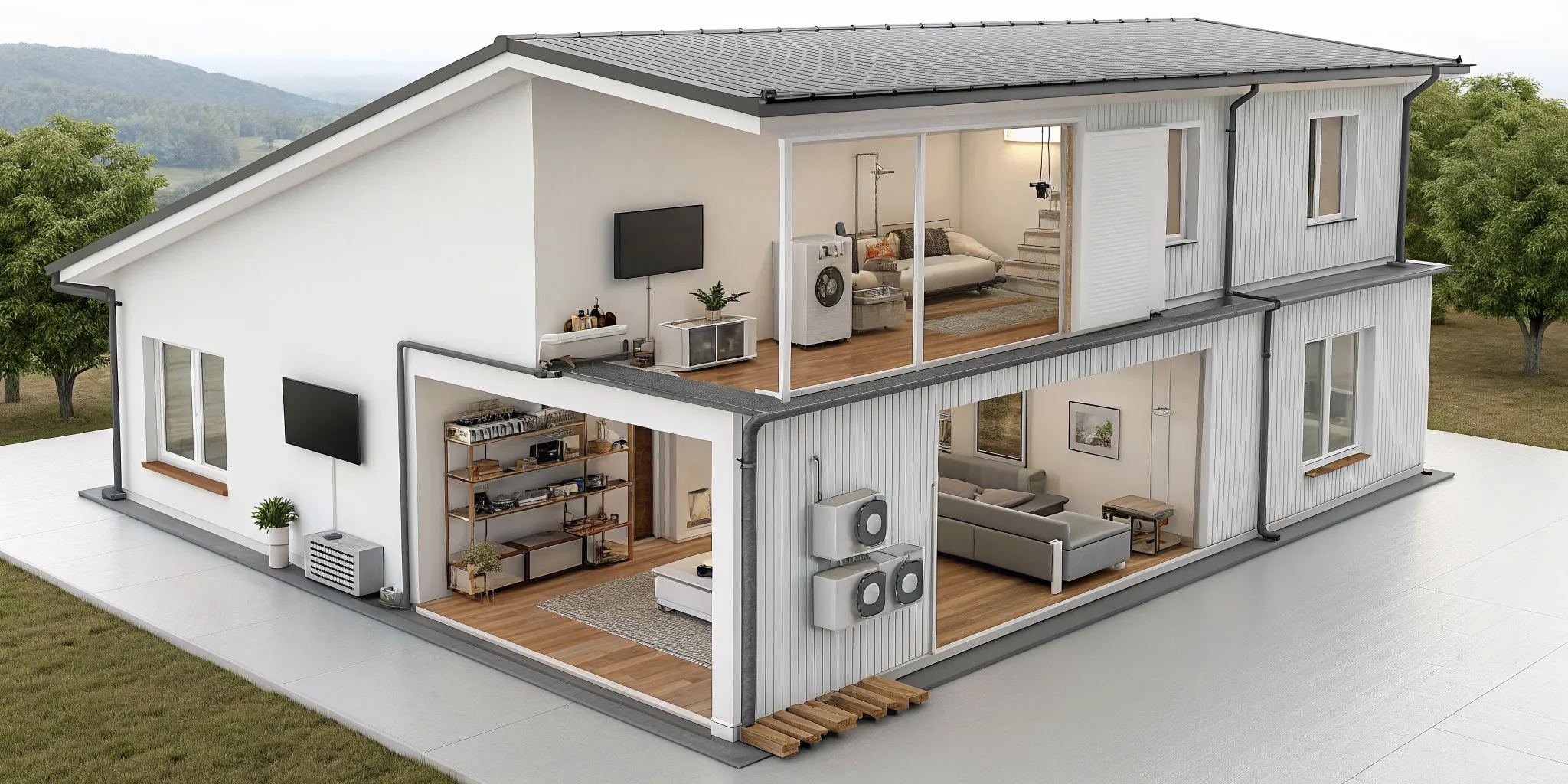
Daikin’s Multi-Zone Ductless Systems can connect one outdoor unit to as many as five separate indoor units. This means the master bedroom can be a cool oasis while the living room stays a bit warmer for everyone else. It’s an efficient and flexible way to keep everyone in your home comfortable without having to install bulky ductwork. As a certified Daikin dealer, we can help you design a system that perfectly matches your home's layout and your family's needs.
Multi-Zone vs. Single-Zone: What’s the Difference?
The main difference comes down to scale. A single-zone system is a simple setup: one indoor unit connects to one outdoor unit. It’s a great, straightforward choice if you only need to heat or cool a single space, like a new addition, a garage workshop, or a sunroom that gets too warm.
A multi-zone system, on the other hand, is designed for whole-home comfort. It uses one powerful outdoor unit to run multiple indoor units, each with its own thermostat. This gives you the power to create different temperature "zones" throughout your house. You can learn more about Daikin's Split/Multi-Split Type Air Conditioners to see which setup fits your home's unique layout and needs.
Finding the Right Indoor Unit Style
One of the best parts of a mini-split system is how seamlessly it can blend into your home. Daikin offers several indoor unit styles, so you don’t have to sacrifice your home’s aesthetic for comfort. You can even mix and match different types of units within the same system to suit each room.
Your options include sleek wall-mounted units, discreet ceiling-mounted cassettes, completely hidden concealed ceiling units, and low-profile floor-mounted models. Whether you want your unit to be a subtle part of the room or completely out of sight, there’s a style that will work for your space and decor. Our team at Cooley's can help you choose the perfect fit for every room.
Decoding Energy Efficiency: SEER & HSPF Ratings
When you're looking at new HVAC systems, you'll see acronyms like SEER and HSPF. These are simply ratings that tell you how energy-efficient a unit is. The Seasonal Energy Efficiency Ratio (SEER) measures cooling efficiency, while the Heating Seasonal Performance Factor (HSPF) measures heating efficiency. For both, a higher number indicates better performance and greater efficiency.
Daikin systems are known for their impressive efficiency ratings, with some models offering up to 21 SEER2 and 10 HSPF2. Choosing a highly efficient system is a smart investment in your home’s long-term comfort and performance. It means your system can deliver powerful heating and cooling without working overtime, keeping your home comfortable year-round.
Why Choose a Daikin Multi-Zone System?
When you're looking for a new heating and cooling solution, you want something that's efficient, flexible, and fits your lifestyle. Daikin multi-zone systems check all those boxes and more. As an exclusive Daikin dealer, we've seen firsthand how these systems transform home comfort for our customers across the Western Slope. They offer a modern approach to climate control that puts you in the driver's seat. Let's look at a few reasons why a Daikin multi-zone system might be the perfect fit for your home.
Personalized Comfort in Every Room
Imagine a home where the thermostat wars are a thing of the past. That’s the reality with a Daikin multi-zone system. These setups use a single outdoor unit to power up to five separate indoor units, creating distinct temperature "zones." This means you can keep the living room cool and comfortable for movie night while someone else enjoys a warmer bedroom for reading. Each zone has its own thermostat, giving every member of the family control over their own space. It’s the ultimate solution for personalized comfort, ensuring everyone is happy without compromising on efficiency.
The Freedom of a Ductless Design
One of the biggest advantages of a Daikin multi-zone system is its ductless design. Traditional HVAC systems rely on a network of bulky ducts to distribute air, which can be costly and disruptive to install, especially in older homes or additions. Daikin’s mini-splits connect the indoor and outdoor units with just a small conduit. This makes installation much simpler and less invasive, preserving your home's architecture. Plus, without ducts, you eliminate the energy loss that happens from leaks and poor insulation in ductwork. This streamlined design not only looks better but also contributes to a more efficient system overall. Our team can help you explore the right HVAC solutions for your unique space.
Whisper-Quiet Operation and Smart Home Integration
Your home should be a peaceful retreat, and a noisy air conditioner can easily disrupt that. Daikin engineers its systems for whisper-quiet operation, so you’ll barely notice they’re running. The indoor units hum along softly, and the outdoor units are designed to minimize noise, keeping both you and your neighbors happy. Beyond the quiet, Daikin brings your home’s climate control into the modern age. With a Daikin One+ smart thermostat, you can adjust temperatures, set schedules, and monitor your system from anywhere using your smartphone. It’s the perfect blend of powerful performance and smart convenience.
Your Daikin Installation: A Step-by-Step Guide
Getting a new HVAC system can feel like a huge undertaking, but it doesn't have to be overwhelming. When you work with a professional team like Cooley's, we handle the heavy lifting. Still, it’s helpful to know what to expect during the installation process. Understanding the steps involved can give you peace of mind and help you prepare your home for the big day. From figuring out the right size system for your home to the final checks after everything is connected, each step is crucial for ensuring your new Daikin multi-zone system runs efficiently for years to come. A proper installation is the foundation of long-term performance and comfort.
We believe in transparency, so we want to walk you through our process. This guide breaks down the six key stages of a Daikin multi-zone mini-split installation. We'll cover everything from the initial assessment of your space to the final system test. Our goal is to make sure you feel confident and informed from start to finish. Remember, a proper installation is just as important as the quality of the unit itself, and as a certified Daikin dealer, we're committed to getting it right every time. Let's look at what our technicians will do when they arrive at your home. This isn't a DIY guide, but rather a look behind the curtain so you know what a professional, high-quality installation looks like.
Step 1: Assessing Your Space
Our first step is always a thorough assessment of your home. We don't just guess what size system you need; we calculate it precisely. To do this, our technicians perform what's called a Manual J calculation. This industry-standard method considers factors like your home's square footage, window placement, insulation levels, and local climate. This detailed evaluation ensures we choose the right mini-split system for your specific needs, one that's powerful enough to keep you comfortable without wasting energy. An undersized or oversized unit can lead to inefficiency and a shorter lifespan, so getting this step right is critical for your long-term satisfaction.
Step 2: Placing the Indoor Units
Once we know the right size, we'll work with you to determine the best placement for the indoor units. For optimal performance, these units are typically installed high on a wall, close to the ceiling. This position allows the conditioned air to circulate effectively throughout the room, creating a more even temperature. We also make sure the units aren't blocked by furniture, curtains, or other decor that could obstruct airflow. Our team will help you find spots that are both effective and aesthetically pleasing, ensuring your new system blends seamlessly into your home's design. Proper indoor unit placement is key to maximizing comfort and efficiency.
Step 3: Setting Up the Outdoor Unit
The outdoor unit, or condenser, is the heart of your mini-split system. Choosing the right spot for it is just as important as placing the indoor units. We'll find a location that is well-ventilated and, if possible, shielded from direct, intense sunlight. The unit needs to be set on a solid, level surface, like a concrete pad, to prevent vibrations and reduce noise. We also ensure there's enough clearance around the unit for proper airflow and future maintenance access. A thoughtful outdoor unit installation protects the equipment and helps it run smoothly and quietly for years.
Step 4: Connecting the System
With the indoor and outdoor units in place, the next step is to connect them. This involves running a set of lines through a small hole in the wall. These lines include refrigerant tubing, electrical wiring, and a condensate drain. To prevent energy loss and condensation buildup, it's crucial that the refrigerant lines are insulated properly. Our technicians take great care to seal all connections securely, ensuring the system operates at peak efficiency. This meticulous work prevents leaks and protects the integrity of your walls while creating a closed loop for your new system to function perfectly.
Step 5: Handling Electrical and Permits
Safety and compliance are non-negotiable. Before any work begins, we ensure all necessary local permits are secured. All electrical work for your new Daikin system must be performed by a licensed electrician to meet safety standards and local regulations. This is a critical step that protects your home, your family, and your investment. We handle the coordination to make sure everything is up to code, from the wiring at the outdoor unit to the connections at your electrical panel. Following the correct electrical requirements for mini-split systems guarantees a safe and reliable installation, giving you complete peace of mind.
Step 6: Final Testing and Warranty
The job isn't done once everything is connected. The final step is to thoroughly test the entire system. Our technicians will perform a series of checks, including testing for refrigerant leaks, verifying proper airflow from each indoor unit, and confirming that the thermostat controls are working correctly. We run the system in both heating and cooling modes to ensure it operates exactly as intended. We'll also walk you through the basics of operation and provide you with the mini-split system warranty information. We want you to feel comfortable with your new system and understand the coverage that protects it.
How to Prepare for Your Installation Day
Your installation day is exciting! It’s the day you get one step closer to perfect home comfort. While our professional team at Cooley’s handles all the heavy lifting, a few simple preparations on your end can make the process even smoother for everyone involved. Think of it as rolling out the welcome mat for your new system. Taking care of these small tasks beforehand helps our technicians work safely and efficiently, getting your Daikin system up and running as quickly as possible so you can start enjoying that personalized comfort. Here’s a quick checklist to help you get ready.
Check Your Electrical Panel
Your new Daikin system is designed with incredible inverter technology to operate efficiently, but it needs the right electrical foundation to do its job. Before we arrive, it’s a good idea to know if your home’s electrical panel has enough capacity for the new equipment. Our team will assess this during your initial consultation, but confirming there’s adequate space helps prevent any last-minute surprises. If you have any questions about your panel, don't hesitate to ask us. We'll make sure everything is up to code and ready to go for a safe and reliable installation.
Plan Your Indoor Unit Placement
This is where you get to have a say in your home's new look and feel. Where you place your indoor units affects both airflow and aesthetics. Do you prefer a discreet wall-mounted unit, or would a floor-mounted model work better in a specific room? Daikin offers a variety of sleek multi-zone ductless systems to match your home's style. During our consultation, we’ll walk through your home with you and recommend the best spots for optimal heating and cooling, but thinking about your preferences ahead of time is always a great first step in the process.
Consider Condensate Drainage
As your mini-split cools the air, it also removes humidity, which creates a small amount of water called condensate. This water needs a place to go. The good news is that Daikin systems are designed to manage this process seamlessly, so you won't have a water tank to empty. Our technicians will install a small drain line that discreetly directs the water outside. We handle all the technical aspects, but it’s helpful for you to know that we’ll need to plan a route for this line from each indoor unit to the exterior of your home.
Clear the Installation Area
To help us work safely and efficiently, please clear the areas where we’ll be installing the indoor and outdoor units. This means moving furniture, decorations, and any other obstacles away from the interior walls where the units will be mounted. For the outdoor unit, please ensure the ground is clear of yard equipment, toys, or debris. Daikin units are known for their compact size, but giving our team a wide-open workspace allows us to complete your installation smoothly and protect your home and belongings. It’s a simple step that makes a big difference on installation day.
Understanding the Investment in a Daikin System
Thinking about a new Daikin multi-zone system is exciting, but it’s natural to have questions about the cost. It’s helpful to see this as an investment in your home’s comfort and efficiency rather than just another appliance purchase. A multi-zone system gives you precise temperature control in every room, which can make a huge difference in your daily life, especially with Colorado's changing seasons. The final price tag isn't one-size-fits-all; it depends on your home's specific needs and the system you choose.
Several key factors come into play when determining the total cost of your Daikin installation. The number of rooms you want to heat and cool, the complexity of the installation, and the specific features you select all contribute to the final price. By understanding these components, you can get a clearer picture of what to expect and make informed decisions that fit your budget and lifestyle. Let's break down what goes into the cost of a Daikin multi-zone mini-split system.
How the Number of Zones Affects Price
One of the biggest factors influencing the price of your Daikin system is the number of zones you need. A "zone" is simply an area or room that you want to control independently with its own indoor unit. The more zones you add, the higher the initial investment will be. This is because each zone requires its own indoor unit, which adds to the total equipment cost.
Think of it this way: a system for your living room and master bedroom (two zones) will be less expensive upfront than one that also covers two additional bedrooms and a home office (five zones). Each additional indoor unit also adds to the installation costs since it needs to be mounted, connected, and tested.
Factoring in Labor and Materials
Beyond the equipment itself, the cost of labor and materials is a significant part of your total investment. The price for installation isn't standard; it can vary based on the complexity of the job. For instance, installing a system in a home with easy access to walls and crawl spaces is different from working within the constraints of an older, historic house.
The total cost to install a mini-split system also depends on the specific materials needed for your home and the experience of the contractor. Working with a professional team like ours at Cooley's ensures the job is done right, preventing costly issues down the road. We can give you a precise quote that covers all aspects of the installation.
Other Factors That Influence the Final Price
A few other details can shape the final price of your Daikin system. The efficiency rating of the units you choose plays a big role. Models with higher SEER (Seasonal Energy Efficiency Ratio) and HSPF (Heating Seasonal Performance Factor) ratings often have a higher upfront cost. However, these high-efficiency ductless mini-split heat pumps can lead to lower monthly energy bills, making them a smart long-term choice.
Additionally, you can opt for extra features that might affect the price. This includes things like advanced air filtration for better indoor air quality or smart technology that lets you control your system from your phone. These options allow you to customize your system to perfectly match your comfort needs and lifestyle.
Common Installation Mistakes to Avoid
Getting a new Daikin system is an exciting upgrade for your home, but the quality of the installation is just as important as the quality of the unit itself. A flawless installation ensures your system runs efficiently for years to come. Here are a few common missteps that are easy to sidestep when you work with a professional team.
Incorrect Sizing and Poor Placement
When it comes to mini-splits, bigger isn’t always better. One of the most frequent mistakes is choosing the wrong size unit for the space. A system that’s too small will struggle to keep you comfortable, while one that’s too large will constantly turn on and off, wasting energy and causing extra wear. The key is to perform a proper load calculation to find that "just right" fit. The U.S. Department of Energy highlights how crucial correct sizing is for ductless mini-split heat pumps. Proper placement is also vital for airflow and efficiency, which is why a professional site assessment is the best first step.
Forgetting About Insulation and Drainage
The details you can’t see often make the biggest difference. Forgetting to properly insulate the refrigerant lines is a classic error that leads to energy loss and unwanted condensation. Just as important is the condensate drain line. If it isn’t installed with the correct slope, water can pool and lead to leaks, water damage, or even mold growth inside your walls. The Air Conditioning Contractors of America (ACCA) provides standards for the installation of mini-split systems that cover these critical details. A professional installer knows that managing moisture and preventing energy loss are non-negotiable parts of the job.
Ignoring Permits and Code Requirements
It can be tempting to skip the paperwork, but ignoring local permits and building codes is a mistake that can cause major headaches later. These regulations exist to ensure your system is installed safely and operates correctly. An installation that isn't up to code could result in fines or create complications if you ever decide to sell your home. According to the International Code Council, all installations must comply with local building codes and standards to guarantee safety and efficiency. When you hire a licensed contractor like Cooley's, we handle all the necessary permits, so you can relax knowing everything is done by the book.
The Pitfalls of a DIY Installation
While tackling a home project yourself can feel empowering, a mini-split installation is a complex job that’s best left to a certified technician. The process involves intricate electrical wiring and the handling of refrigerant, which requires special tools and certification. The U.S. Environmental Protection Agency (EPA) warns that improper installation of air source heat pumps can lead to poor performance and serious safety risks. Hiring a professional ensures every connection is secure, the system is charged correctly, and your warranty remains intact. It’s the smartest way to protect your investment and your home.
Keeping Your Daikin System in Top Shape
Your new Daikin system is a fantastic investment in your home’s comfort, and a little upkeep goes a long way in protecting it. Performing some simple maintenance tasks yourself can keep it running smoothly and efficiently for years. Think of it like changing the oil in your car; it’s a basic but crucial step for long-term performance. Taking these steps will help ensure you get the most out of your system, season after season. Below, we’ll walk through a few key maintenance habits you can adopt and explain when it’s best to leave the work to a professional.
Clean Your Filters Regularly
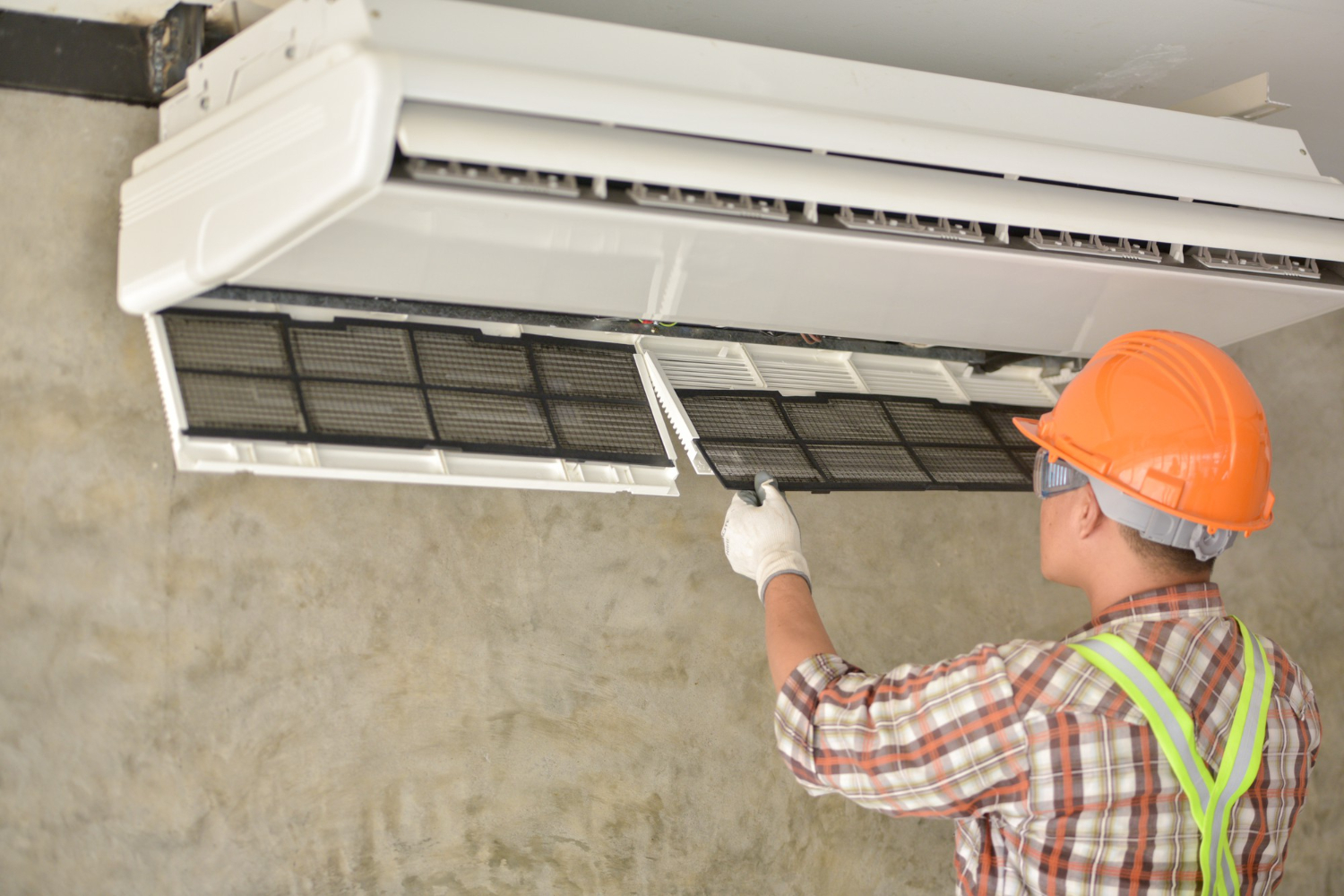
This is the single most important thing you can do for your mini-split system. The air filters in your indoor units are responsible for trapping dust, pollen, and other airborne particles. Over time, they get clogged, which forces your system to work much harder to pull in air. This not only reduces efficiency but can also strain the components. We recommend checking your filters every month. If they look dirty, you can often just rinse them clean with water. Following Daikin's guide on how to maintain your mini-split system is a great way to learn the proper technique and keep your air fresh and your system happy.
Inspect the Outdoor Unit and Drain Line
Your system’s outdoor unit needs breathing room to work correctly. Take a walk outside every so often and check on it. Make sure there are at least two feet of clear space around the unit, and remove any leaves, grass clippings, or snow that might have piled up against it. While you’re at it, take a look at the condensate drain line. This small pipe drains moisture away from the indoor unit. A clog can cause water to back up and potentially damage your walls or floors. These simple visual checks are a key part of good mini-split maintenance and can prevent bigger headaches down the road.
Know When to Call a Pro
While DIY checks are great, some issues require an expert eye. You know your home’s sounds and rhythms better than anyone, so if you notice something is off, it’s best to act on it. Are you hearing grinding, rattling, or other strange noises? Are some rooms not getting as cool or warm as they used to? A sudden, unexplained jump in your energy bill is another major red flag. These are all signs you need to call an HVAC technician. Trying to fix complex mechanical or electrical problems yourself can be dangerous and may even void your warranty, so it’s always best to call for professional help.
Schedule Annual Maintenance with Cooley's
The best way to prevent major problems is to have your Daikin system professionally serviced once a year. During a tune-up, our technicians perform a comprehensive check that goes far beyond basic cleaning. We inspect electrical connections, check refrigerant levels, clean the coils, and test all the components to ensure they are working safely and efficiently. This preventative care helps catch small issues before they become expensive repairs, extends the lifespan of your system, and keeps it running at peak performance. As your local Daikin experts, we know these systems inside and out. You can schedule your annual maintenance with our team to ensure your home stays comfortable all year long.
Related Articles
- Daikin Installation Manual R32 Split Series: A Guide
- Mini Split Cost for 1000 sq ft: A Full Breakdown
Frequently Asked Questions
How long does a typical multi-zone installation take? The timeline for an installation really depends on the size and complexity of your project. For a straightforward system with two or three indoor units, our team can often complete the work in a single day. For larger systems with more zones or more complex routing, it might take two to three days. Our goal is always to work efficiently and minimize disruption to your daily life, so we'll give you a clear and realistic timeline during your initial consultation.
Are these systems effective for heating during cold Colorado winters? Absolutely. Daikin systems are powerful heat pumps, which means they are designed for both heating and cooling. They are incredibly efficient at pulling heat from the outside air, even when temperatures drop. With high HSPF ratings, these units are built to handle the cold winters we experience on the Western Slope, providing consistent and reliable warmth throughout your home without the high operational costs of older heating methods.
Can I start with a few zones and add more later on? This is a great question about planning for the future. While it is possible to add indoor units later, it’s most effective to plan for this from the start. The outdoor condenser is chosen based on the total number of indoor units it needs to support. If you think you might want to add a zone to a finished basement or home office down the road, we can install an outdoor unit with the capacity to handle that expansion from day one.
How much quieter are these systems compared to traditional HVAC? The difference is remarkable. Daikin engineers its systems for whisper-quiet operation. The indoor units produce a sound that is often compared to a soft hum, so you will barely notice they are running. The outdoor units are also designed to minimize noise, which keeps your backyard peaceful and your neighbors happy. You can say goodbye to the loud clanking and roaring of older window units or central air conditioners.
Is a multi-zone system a good fit for an older home without existing ductwork? Yes, it’s an ideal solution. One of the biggest advantages of a Daikin multi-zone system is its ductless design. Installing traditional ductwork in an older or historic home can be invasive, expensive, and sometimes impossible without altering the home's character. Mini-splits only require a small, three-inch opening in the wall to connect the indoor and outdoor units, preserving your home's original architecture while delivering modern, efficient comfort.