.png)




.png)

That repetitive clicking sound coming from your furnace isn't just a random noise; it's a clear signal that something is wrong. Your system is trying to start, but it’s failing at a crucial step. This clicking is often the sound of the gas valve opening and closing because the burners aren't lighting. The most common reason for this is a bad furnace ignitor. It’s the system’s way of telling you it needs help. Instead of ignoring the sound, you can use it as a clue. This article will help you decode what your furnace is telling you and what to do next.
Key Takeaways
- Know the Symptoms of Failure: A furnace that blows cold air, clicks repeatedly without lighting, or runs in short, ineffective cycles is often signaling a problem with its ignitor.
- Extend Its Lifespan with Simple Habits: You can prevent premature failure by changing your air filter regularly and keeping the area around your furnace clear, as proper airflow is crucial to prevent the ignitor from overheating.
- Choose Your Repair Method Wisely: While a DIY replacement is an option if you have experience, hiring a professional is the safest route to ensure the correct part is installed properly and to diagnose any other underlying issues.
What Is a Furnace Ignitor?
When your furnace stops working, it’s easy to assume the worst. But often, the problem comes down to a small, simple part: the furnace ignitor. Think of it as the spark plug for your heating system. Its one job is to safely light the gas that warms your home. Without a working ignitor, your furnace can’t start its heating cycle, leaving you in the cold. Understanding what this part does and where to find it is the first step in figuring out what’s wrong and getting your heat back on.
How it starts your furnace
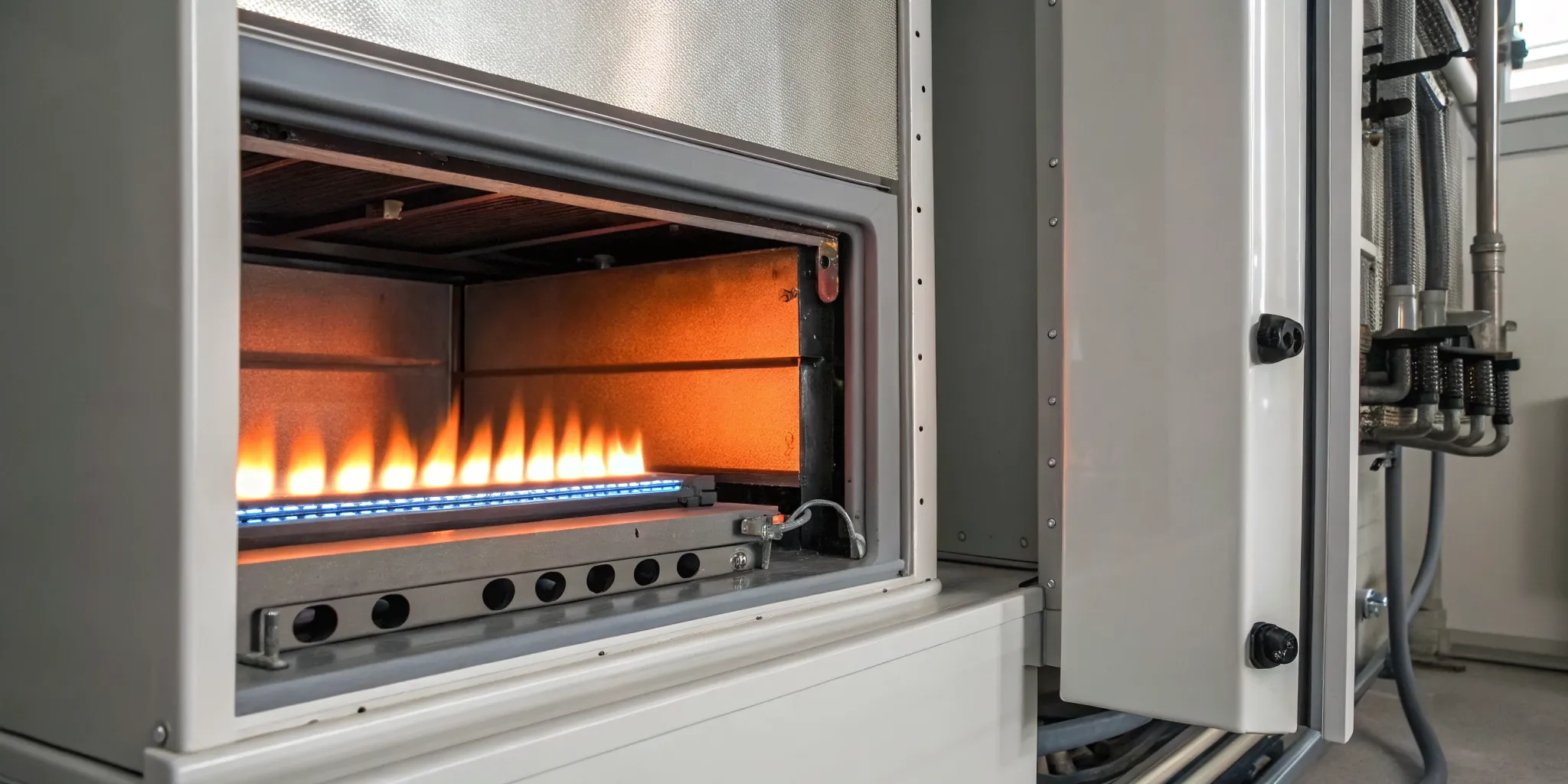
So, how does this little part kickstart your entire furnace? Most modern systems use what’s called a Hot Surface Ignitor, or HSI. When your thermostat calls for heat, electricity flows to the ignitor, causing it to glow red-hot. It can reach temperatures over 2,000°F in less than a minute. This intense heat is what ignites the gas flowing into the burners, beginning the heating process that sends warmth through your home. This quick and powerful ignition ensures your furnace starts up reliably every time you need it.
Finding the ignitor in your system
Finding the ignitor is usually pretty straightforward. It’s a small, often fragile-looking component located inside the furnace cabinet, right next to the gas burners. To see it, you'll need to remove the furnace's main access panel. While some homeowners with basic tool skills feel comfortable inspecting this area, the ignitor itself is delicate. If you’re not confident in what you’re looking for or you’re worried about causing damage, it’s always best to leave it to a professional. Our team can quickly and safely diagnose any issues with your system.
What Kind of Furnace Ignitor Do You Have?
Knowing what's inside your furnace is the first step to troubleshooting it. The type of ignitor your system uses depends on its age and efficiency, and identifying it can give you a major clue about why your heat isn't working. Most furnaces have one of three types of ignitors.
Hot surface ignitors
Most newer furnaces use a hot surface ignitor. Think of it like the element in a toaster; it’s a small ceramic piece that uses electricity to get glowing hot and ignite the gas. This design is safer and more energy-efficient than older pilot lights because it only uses power when needed. If your furnace was installed in the last couple of decades, you likely have this type. While reliable, the ceramic can become brittle and crack over time.
Intermittent pilot ignitors
An intermittent pilot is a smart middle ground between old and new technology. Instead of a constantly burning flame, it creates one only when your thermostat calls for heat. An electric spark lights a small pilot flame, which then ignites the main burners. Once the heating cycle is over, the pilot flame goes out. This method saves gas and is often found in furnaces that are a bit older but still considered high-efficiency models.
Standing pilot lights
If your furnace is on the older side, you might have a standing pilot light. This is the classic blue flame that burns continuously, ready to light the main burners. While this was the standard for years, it's the least efficient type because it's always using a small amount of gas. These older systems can also pose safety concerns if the flame goes out. For these reasons, standing pilot lights have been phased out in modern furnace designs in favor of safer, more efficient systems.
Signs of a Failing Furnace Ignitor
When your furnace starts acting up, it can be stressful, especially when you’re counting on it to keep your home warm. The good news is that furnaces often give you warning signs before they quit completely. A failing furnace ignitor is one of the most common reasons for a breakdown, and learning to spot the clues can help you address the problem before you’re left in the cold.
Think of the ignitor as the spark plug for your furnace; without it, there’s no heat. When it starts to wear out, your furnace’s performance will suffer. You might notice it struggling to start, making strange noises, or failing to produce any warm air at all. Paying attention to these subtle changes can make the difference between a quick, simple repair and a major headache. Before you find yourself without heat on a cold Colorado night, let's walk through the key signs that point to a failing furnace ignitor so you know exactly what to look for.
Your furnace won't start or blows cold air
This is often the first and most obvious sign that something is wrong. You feel a chill, so you check the thermostat and see that it’s calling for heat. You might hear the furnace kick on, but the air coming from your vents is cool or completely cold. This happens because the ignitor has failed to light the gas in the burners. As a safety measure, your furnace won't keep feeding gas that isn't being burned, so it shuts down the heating process and may only circulate the cold air. In other cases, the furnace may not even start its cycle at all. In a Colorado winter, a furnace that blows cold air isn't just an inconvenience; it can put your home at risk for frozen pipes.
You hear frequent clicking or short cycling
Furnaces are designed to be relatively quiet, so when you start hearing new or unusual noises, it’s time to pay attention. A common sound associated with a failing ignitor is a repeated clicking noise. This is often the sound of the gas valve opening and trying to supply fuel to the burners, but since the ignitor isn't working, the burners don't light. The system tries a few times before shutting down for safety. You might also notice your furnace "short cycling," which means it turns on, runs for a very short period, and then shuts off again. This start-and-stop sequence is a clear indication that the furnace is failing to complete its ignition cycle, and a faulty ignitor is a likely culprit.
How to inspect your ignitor
If you’re comfortable taking a closer look, a visual inspection can often confirm your suspicions. First and foremost, turn off all power to your furnace at the breaker box and the unit’s power switch. Once the power is off, remove the furnace’s access panel to expose the internal components. The ignitor is usually located near the burners. Look for a small, delicate component, which can be made of silicon carbide or silicon nitride. Carefully examine it for any visible cracks, breaks, or white spots, which are all signs of wear or damage. If you don't see any obvious damage, you can also try watching it during startup (after safely restoring power) to see if it glows. A healthy hot surface ignitor should glow a bright orange-red. If it doesn't glow at all, it has likely failed.
How to test your ignitor with a multimeter
For those who are a bit more hands-on, testing the ignitor with a multimeter can give you a definitive answer. This tool measures electrical resistance and can tell you if the ignitor's internal circuit is broken. After turning off the furnace power, carefully unplug the ignitor's wire connector. Set your multimeter to the ohms setting (Ω). Touch one probe to each of the two wires on the ignitor's plug. A healthy ignitor will show a resistance reading, typically between 10 and 90 ohms, depending on the model. If the multimeter reads "OL" (over limit) or shows infinite resistance, it means the circuit is broken and the ignitor is bad. This test confirms the part has failed and needs to be replaced by you or a trusted professional.
What's the Lifespan of a Furnace Ignitor?
Like any hard-working component, your furnace ignitor won't last forever. Knowing how long you can expect it to work and what can cause it to fail early can save you from a sudden no-heat situation, especially during a cold Colorado winter. The lifespan of an ignitor can vary quite a bit depending on your furnace, how you use it, and how well you maintain it. Understanding the signs of a failing ignitor is just as important as knowing its typical lifespan. Sometimes, what looks like an ignitor problem might be something else entirely. Let's walk through what you can expect from your furnace ignitor and how to tell when it's time for a closer look.
Average ignitor lifespan
A typical furnace ignitor has a lifespan of about three to five years. Think of it as a wear-and-tear part that eventually needs replacing. If you’ve recently moved into a new home, you might not know the age of the furnace or its components, so it’s helpful to keep this timeframe in mind. While some ignitors can last longer, this average gives you a good benchmark. If your furnace is approaching this age range or older, paying closer attention to its performance is a smart move. It doesn’t mean you need to replace it preemptively, but it does mean you should be aware of the warning signs of failure.
What shortens an ignitor's life?
The number one reason an ignitor fails prematurely is overheating caused by a dirty air filter. When your filter gets clogged with dust and debris, it restricts airflow. This forces your furnace to run longer and harder to heat your home, creating excess heat that can crack or burn out the fragile ignitor. Other issues like power surges or even just frequent cycling can also contribute to wear. The good news is that you have a lot of control over this. Sticking to a regular maintenance schedule is the best way to protect your ignitor and the entire system. Consistent professional maintenance ensures your furnace runs efficiently and helps catch problems before they leave you in the cold.
Is it the ignitor or another problem?
The most common sign of a bad ignitor is a furnace that tries to start but can't, or one that blows cold air because the burners never light. You might hear the fan turn on, but you won't get any heat. However, these symptoms don't always point directly to the ignitor. A faulty thermostat, a problem with the gas valve, or a dirty flame sensor can cause similar issues. If your furnace is acting up, it’s wise to consider all the possibilities. While you can check for obvious signs, getting a professional diagnosis is the surest way to identify the root cause and get the right fix without replacing parts unnecessarily.
Breaking Down Furnace Ignitor Replacement Costs
When your furnace stops working, it’s natural to worry about the repair bill. Thankfully, replacing a furnace ignitor is one of the more affordable furnace repairs. The total cost depends on the price of the part and whether you hire a professional or tackle the job yourself. Understanding these costs helps you make a confident decision and get your heat back on without surprises. Let's break down what you can expect to pay.
The cost of the part itself
If you're just looking at the component, a new furnace ignitor is fairly inexpensive. The part itself typically costs between $30 and $60, depending on your furnace model. Remember, this price is only for the part. It doesn’t account for the time, tools, or expertise needed for a safe and correct installation. While it might seem tempting to just buy the part, the installation is where things can get tricky, and a mistake could lead to bigger problems.
Factoring in professional labor
For most homeowners, hiring a professional is the best path. When you call an HVAC technician, the total cost for a furnace ignitor replacement usually runs from $150 to $300. This price includes the new ignitor, the service call, and labor. You're paying for more than the repair; you're paying for an expert's training, experience, and the guarantee that the job is done right. A professional can also spot other potential issues, ensuring your furnace runs safely. Our team provides expert HVAC services to get your system running perfectly.
DIY vs. Calling a Pro: What's Right for You?
Deciding between DIY and a pro call comes down to your comfort level and experience. A DIY replacement is possible if you have a solid understanding of your furnace and are confident working with electrical and gas lines. However, for safety and peace of mind, it's often best to call a pro. You should definitely schedule a professional service call if you're unsure how to safely turn off the power, can't find the ignitor, or suspect a more complicated problem. Also, if your furnace is under warranty, a DIY repair could void it.
A Step-by-Step Guide to Replacing Your Furnace Ignitor
If you’ve tested your ignitor and confirmed it’s the problem, you might be thinking about replacing it yourself. While it can be a straightforward fix for those with some DIY experience, it’s a job that requires care and precision. Following these steps is essential for a safe and successful replacement.
Step 1: Turn Off Power and Gas
Before you even think about opening the furnace panel, your absolute first priority is safety. You must turn off all power to the furnace system. You can do this at your home’s breaker box. Next, shut off the gas supply using the valve located on the gas line that runs to your furnace. The handle should be perpendicular to the pipe to indicate it’s closed. Always turn off the power and gas before attempting to inspect or replace an ignitor. Double-check that everything is off before proceeding to the next step.
Step 2: Find the Right Replacement Part
Not all furnace ignitors are created equal. You need to find the exact replacement part for your furnace’s make and model. You can usually find the part number on the old ignitor itself or in your furnace’s user manual. Take a clear photo of the old part to help you match it at the hardware or HVAC supply store. A new furnace ignitor usually costs between $20 and $150. Buying the correct, high-quality part is crucial for ensuring your furnace runs properly and safely after the repair.
Step 3: Handle the New Ignitor with Care
The part of the ignitor that glows is made of silicon carbide or silicon nitride, which is extremely fragile. You must handle it carefully to avoid damage. It’s best to wear clean gloves when handling the new ignitor. You should not touch the gray or black ceramic tip with your bare fingers. The natural oils from your skin can create a hot spot on the surface when it heats up, causing it to crack and fail prematurely. This simple step can make all the difference in how long your new part lasts.
Common Mistakes to Avoid
One of the most common DIY mistakes is buying a generic or mismatched ignitor. While it might look similar, even small differences can lead to furnace malfunctions or complete failure. Always buy a reputable ignitor that is specifically designed for your furnace model. Another frequent error is overtightening the mounting screws, which can crack the ignitor’s ceramic base. The screws should be snug but not forced. Rushing the process or skipping the safety precautions are other pitfalls that can turn a simple repair into a much bigger problem.
Know When to Call a Professional
While replacing an ignitor can be a manageable DIY task, there’s no shame in calling for backup. If you feel unsure at any point, can’t find the right part, or if the new ignitor doesn’t solve the problem, it’s time to call a professional. An experienced HVAC technician can safely inspect, test, and replace the component, ensuring the job is done correctly. They can also diagnose underlying issues that may have caused the ignitor to fail in the first place. For reliable and professional HVAC services on the Western Slope, our team at Cooley's is always here to help.
Make Your Furnace Ignitor Last Longer
A furnace ignitor is a small part, but it plays a huge role in keeping your home warm. While these components do wear out over time, you can extend their lifespan with a few simple habits. Taking good care of your furnace not only helps the ignitor last longer but also improves the overall health and efficiency of your entire HVAC system. By being proactive, you can avoid the inconvenience and discomfort of a sudden furnace failure on a cold Colorado night. The best part is that these steps are straightforward and easy to incorporate into your regular home maintenance routine.
Change your air filters on schedule
This is one of the easiest and most effective things you can do for your furnace. A dirty, clogged air filter restricts airflow, forcing your furnace to run longer and harder to heat your home. This added runtime puts significant strain on the ignitor, causing it to cycle on and off more frequently and burn out much faster. We recommend checking your filter every month and replacing it as needed, typically every one to three months. A clean filter not only protects your ignitor but also improves your home’s air quality and helps your system run more efficiently.
Keep your furnace area clear
Your furnace needs room to breathe. When the area around the unit is cluttered with storage boxes, furniture, or laundry, it can’t pull in enough air to function correctly. This can lead to overheating and cause the system to short cycle, which is when it turns on and off repeatedly in short bursts. All that starting and stopping puts excessive wear on the furnace ignitor. To prevent this, make sure you maintain at least three feet of clear space on all sides of your furnace. This simple housekeeping task ensures proper airflow and helps your system operate safely and effectively.
Schedule professional annual maintenance
While changing filters and clearing the area are great DIY steps, nothing replaces a professional tune-up. During an annual maintenance visit, a qualified technician can perform a detailed inspection that goes beyond what most homeowners can do. They will carefully clean the ignitor of any buildup, check for cracks, and test its electrical resistance to ensure it’s working correctly. This is the best way to catch small issues before they turn into a major problem, leaving you without heat. Scheduling professional annual maintenance is a smart investment in your comfort and your furnace’s longevity.
Related Articles
- Furnace Not Working? Here’s What to Do First
- Labor Cost to Install a Furnace: What to Expect
- Heat Pump Not Cooling & Unit Not Running? What to Check
Frequently Asked Questions
My furnace is blowing cold air. Is the ignitor always the problem? A furnace that blows cold air is a classic sign of a failed ignitor, since the system's safety controls prevent gas from flowing if the burners don't light. However, it isn't the only possible cause. Similar symptoms can point to a faulty thermostat, a problem with the gas valve, or even a dirty flame sensor. While the ignitor is a common culprit, getting a professional diagnosis is the best way to pinpoint the exact issue without guessing.
How much should I expect to pay for an ignitor replacement? The cost is quite reasonable compared to other furnace repairs. If you hire a professional, the total price for the service call, the new part, and the labor typically falls between $150 and $300. The part itself is inexpensive, usually costing between $30 and $60, but the final price reflects the technician's expertise and the assurance that the job is done safely and correctly.
Is it safe for me to replace my own furnace ignitor? If you have experience with home repairs and feel confident working with electrical components and gas lines, a DIY replacement is possible. The most important steps are shutting off the power and gas supply completely before you start. However, the ignitor is a very delicate part, and mistakes can be unsafe or lead to more damage. If you have any doubts, it's always smarter and safer to call a professional.
My furnace makes a clicking sound but never starts. What does that mean? That repeated clicking noise is often the sound of your furnace trying to start its heating cycle. The click is the gas valve opening to send fuel to the burners. When the ignitor is faulty, it fails to light the gas, so the system's safety sensors shut the valve. The furnace will try this a few times before stopping completely. This start-and-stop clicking is a strong indicator that the ignitor has failed.
How can I make my new furnace ignitor last as long as possible? The single best thing you can do is change your air filter regularly. A clogged filter restricts airflow, forcing the furnace to work harder and overheat, which puts a lot of stress on the ignitor. We also recommend scheduling professional maintenance each year. A technician can clean the components, check for wear, and ensure your entire system is running efficiently, which protects the ignitor and helps prevent unexpected breakdowns.