.png)




.png)

A tripped furnace reset button is a symptom, not the actual problem. It’s your heating system’s way of telling you that something is off, whether it’s restricted airflow from a dirty filter or a more complex mechanical issue. While pressing the button might get your heat running again temporarily, ignoring the root cause is like hitting the snooze button on a fire alarm. To keep your home warm and safe, you need to play detective. This guide will help you understand the common reasons your furnace reset button trips, how to safely investigate the cause, and what steps to take to find a lasting solution for reliable heat.
Key Takeaways
- Treat the Reset Button as a Warning: This button signals a safety issue, usually overheating, not just a simple glitch. Before pressing it, your first steps should always be to turn off the power, check for gas odors, and inspect the air filter for clogs.
- Follow the One-Press Rule: After letting the system cool and checking for blockages, press the reset button just once. Pushing it multiple times can override important safety features and lead to a more dangerous or damaging situation.
- Know When to Call for Help: If the reset button trips again or the furnace doesn't start, stop troubleshooting. Repeated trips, strange noises, or unusual smells are clear signs that you need a professional technician to diagnose and fix the root cause safely.
What Is a Furnace Reset Button?
Think of your furnace's reset button as its built-in safety net. When your furnace stops working unexpectedly, that little red or yellow button can sometimes be a quick fix to get the heat back on. However, it's not just a simple on/off switch. The reset button is a diagnostic tool and a protective measure designed to shut the system down when it senses a problem. Understanding what it does and why it trips is the first step in safely troubleshooting your furnace. Before you press it, it’s important to know what you’re dealing with, as pushing it without addressing the underlying issue can sometimes cause more harm than good.
What Does It Do?
The reset button’s primary job is to protect your furnace from damage. It’s a safety feature that automatically shuts the unit down if it detects a potentially dangerous condition, most often overheating. If the internal components get too hot, the reset button trips to prevent a fire hazard or damage to the system. This also stops the furnace from tripping your home's main circuit breaker. Other issues, like an interruption in the fuel supply or a problem with the flame sensor, can also cause the button to trip. It’s your furnace’s way of saying, "Hey, something’s not right here, and I need you to check it out before I start up again." If the problem persists, it might be time to call for professional HVAC services.
Gas vs. Electric: Does Your Furnace Type Matter?
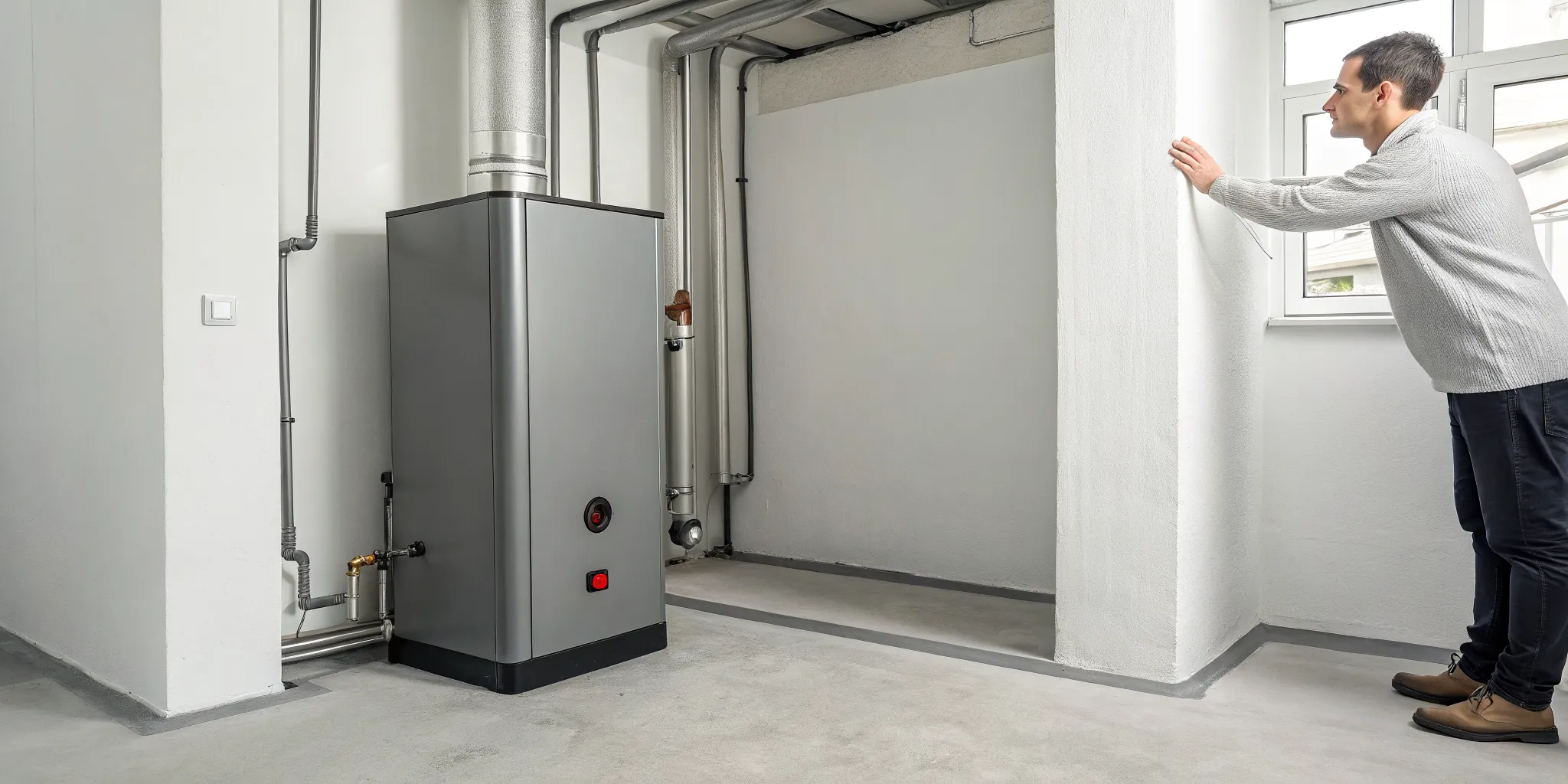
Yes, your furnace type definitely matters. First, it's good to know that not all furnaces even have a manual reset button; they are most common on oil furnaces, though many modern gas and electric models include them. The location of the button also depends on your system. For a gas furnace, you'll typically find the reset button inside the main control panel, which is usually located in the blower compartment. You might have to remove a door to see it. On an electric furnace, the button is often found inside the blower housing, near the motor itself. Knowing what kind of heating system you have will save you a lot of time when you’re trying to locate this important little switch.
How to Find Your Furnace's Reset Button
Finding your furnace's reset button can feel a bit like a scavenger hunt, but it’s usually in a logical spot once you know what to look for. Think of it as your furnace's own little emergency stop. This button is a critical safety feature, designed to shut the system down automatically if it detects a problem, like overheating. Its main job is to prevent more serious damage to the furnace and keep your home safe. While most modern furnaces have one, its exact location and appearance can differ depending on whether your system runs on gas or electricity. Before you start poking around, the most important first step is to turn off the power to your furnace at the circuit breaker. This isn't just a suggestion; it's essential for your safety. Once you're sure the power is off, you can begin your search. The process is pretty straightforward, and knowing where to look will give you the confidence to handle this simple troubleshooting step yourself before making a service call. We'll walk you through where to find it on both common types of furnaces so you can feel prepared.
On a Gas Furnace
On most gas furnaces, the reset button is a small red or yellow button located inside the main cabinet. You'll likely need to remove an access panel to see it. Look for the blower compartment, which is where the fan that circulates air is housed. The reset button is typically found on or near the blower motor. It’s designed to trip if the motor overheats, shutting down the furnace to prevent damage. Sometimes the button is marked with a small "R" for reset. If you find it, you’re one step closer to getting your heat back on.
On an Electric Furnace
The location of the reset button on an electric furnace is very similar to its gas-powered counterpart. After cutting the power, open the access panel and look inside the blower housing near the motor. You should find a small button, often red or yellow. If the button has tripped, it might be visibly sticking out. If that's the case, all you need to do is press it firmly until it clicks back into place. This action resets the internal safety switch. Once you’ve pressed it, you can replace the cover panel and get ready to restore power to the unit.
Safety First: 3 Things to Check Before Hitting Reset
Before you even think about touching that reset button, we need to talk about safety. It’s the most important part of this whole process, and getting it right ensures you and your family stay protected. A furnace is a powerful appliance that combines electricity, flammable gas, and combustion, so taking a few precautions is not just a good idea, it’s essential. Rushing to press the reset button without a quick safety check can mask a more serious issue or even create a dangerous situation.
Think of these next three steps as your mandatory pre-reset checklist. They are simple, quick, and absolutely critical. Taking a few minutes to run through them can give you peace of mind and help you determine if pressing the reset button is the right move or if it’s time to call in a professional. Your furnace tripped for a reason, and our first job is to make sure that reason isn’t an immediate hazard. Let’s walk through what you need to look for to stay safe.
Turn Off the Power and Gas
First things first, let's create a safe workspace. Before you do anything else, you need to cut the power to your furnace. Head to your home’s breaker box and flip the switch that controls the furnace. It should be clearly labeled. If it’s not, you can turn off the main breaker to be safe. Next, if you have a gas furnace, locate the main gas supply valve connected to the unit and turn it off. This valve usually has a handle that you’ll turn perpendicular to the pipe. This step is crucial because it prevents any risk of electrical shock and stops the flow of gas while you inspect the unit.
Check for Gas Odors
This next step is non-negotiable. Before you proceed, take a moment and smell the air around your furnace. Natural gas is odorless, so utility companies add a chemical called mercaptan that smells like sulfur or rotten eggs to alert you to a leak. If you detect this smell, stop what you are doing immediately. Do not touch the reset button, light switches, or even your phone. A tiny spark could be disastrous. Instead, you should evacuate your home right away. Once you are a safe distance away, call your gas company or 911. A gas leak is an emergency that always requires professional attention.
Ensure the Area Is Ventilated
With the power off and no gas smell present, take a moment to inspect the area around your furnace. Proper airflow is key to your furnace’s safe operation. Make sure the area is clear of any obstructions like storage boxes, laundry baskets, or furniture that might be blocking air intake vents. Also, check your furnace’s exterior vent pipes. Here on the Western Slope, it’s common for snow, ice, or other debris to block these pipes. A blocked vent can cause your furnace to overheat and shut down. More importantly, it can lead to a dangerous buildup of carbon monoxide, so keeping these pathways clear is vital for both your furnace’s health and your family’s safety.
How to Reset Your Furnace: A Step-by-Step Guide
If your furnace has stopped working, pressing the reset button can often be a quick fix. But before you jump to that step, it’s important to follow a specific process to ensure you’re doing it safely and effectively. The reset button is a safety feature, and simply pressing it without checking for the underlying issue can lead to more problems. Let’s walk through the correct way to reset your furnace.
Step 1: Let the System Cool Down
First things first, give your furnace a break. The reset button often trips because the system has overheated. Trying to reset it while it's still hot won't solve the problem. Start by turning off the power to your furnace at the main circuit breaker. You should also turn your thermostat to the "off" position. Wait at least 30 minutes to allow all the components to cool down completely. This waiting period is crucial for safety and gives the internal safety switches a chance to reset on their own.
Step 2: Check the Air Filter
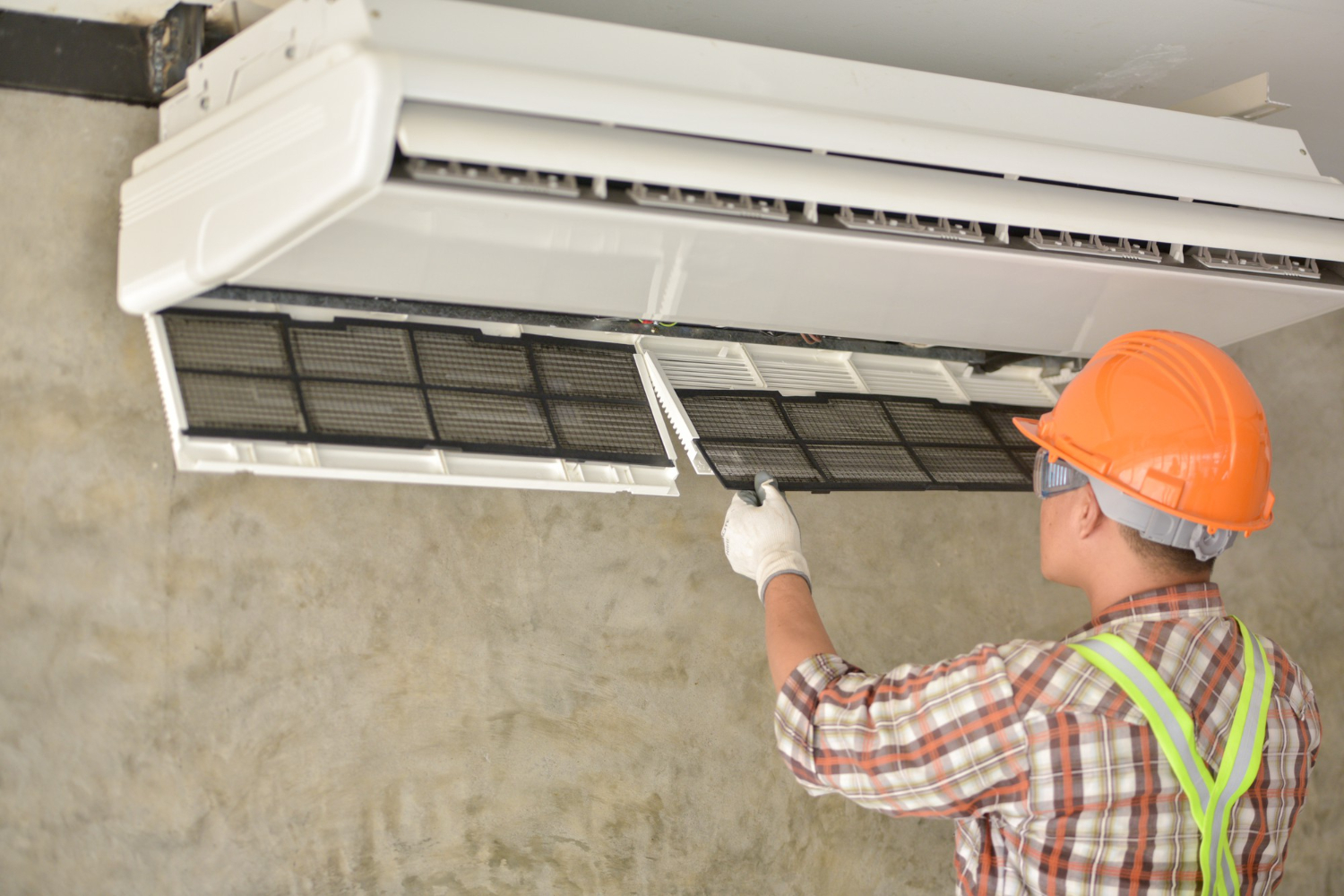
While you wait for the furnace to cool, do a little detective work. A dirty or clogged air filter is the most common reason a furnace overheats. A blocked filter restricts airflow, forcing your furnace to work harder than it should, which generates excess heat and trips the safety switch. Slide the filter out and inspect it. If it’s visibly dirty or clogged with dust and debris, it’s time for a replacement. Keeping a few spare furnace filters on hand is always a good idea.
Step 3: Clear Vents and Registers
Proper airflow is essential for your furnace to operate correctly. If the heated air has nowhere to go, it can back up in the system and cause it to overheat. Take a quick walk around your home and check all the supply and return air vents. Make sure they are open and not blocked by furniture, rugs, curtains, or anything else. It’s an easy step to overlook, but ensuring clear pathways for air to circulate can make a significant difference in your system's performance and prevent it from shutting down unexpectedly.
Step 4: Press the Reset Button
Once the system has cooled and you’ve checked the filter and vents, you can locate the reset button. It's typically a red or yellow button found inside the blower compartment, near the motor. You may need to remove an access panel to see it. Once you find it, press the button firmly just once. You should hear a distinct click. Do not hold the button down or press it multiple times, as this can damage the furnace's controls. If the button doesn't stay down or doesn't click, don't force it.
Step 5: Restore Power and Watch Your Furnace
Now it’s time to see if the reset worked. Go back to the circuit breaker and restore power to the furnace. Turn the main power switch on the furnace itself back on, and then set your thermostat to "heat" a few degrees above the current room temperature. Listen for the furnace to kick on. It may take a few minutes for the heating cycle to begin. If it starts up and runs normally, you’ve likely solved the problem. If it doesn't turn on or shuts off again quickly, it's time to stop troubleshooting and call a professional. Repeatedly trying to reset the furnace can cause more serious damage.
Why Does the Reset Button Trip?
Think of your furnace's reset button as a built-in safety guard. Its main job is to shut the system down when it detects a potentially dangerous problem, most often overheating. When that button trips, your furnace is essentially raising a red flag to let you know something isn't right. While it’s a helpful feature, a constantly tripping reset button points to an underlying issue that needs your attention.
The cause can be something as simple as a forgotten maintenance task or as complex as a failing component. The most common culprits are related to restricted airflow, which forces the furnace to work too hard and get too hot. In other cases, a faulty sensor or electrical problem might be to blame. Understanding why the reset button trips is the first step toward a solution. Regular furnace maintenance can help you catch many of these problems before they start, keeping your system running smoothly and safely all winter long.
A Dirty Air Filter
A clogged air filter is, by far, the most frequent reason a furnace reset button trips. Your furnace needs to breathe, and a dirty filter is like trying to run a marathon while breathing through a straw. When the filter is packed with dust and debris, it severely restricts airflow. This forces the blower motor to work overtime to pull air through, causing the furnace’s internal components to get dangerously hot. The system’s safety sensors detect this spike in temperature and trip the reset button to prevent damage or a fire hazard.
Blocked Vents
Just like a dirty filter, blocked vents can also cause your furnace to overheat. Your HVAC system is designed to circulate a specific volume of air throughout your home. If registers or return air vents are covered by furniture, rugs, or curtains, that airflow gets choked off. The heat produced by the furnace has nowhere to go, so it builds up inside the unit itself. This trapped heat will quickly cause the internal temperature to rise, triggering the limit switch and tripping the reset button. A quick walk through your home to clear all vents is an easy first step.
A Malfunctioning Flame Sensor
Your furnace’s flame sensor is a small but critical safety device. It’s a thin metallic rod positioned in front of the burner flame, and its only job is to confirm that a flame is actually present when the gas valve is open. If the sensor gets covered in carbon buildup or soot, it can't properly detect the flame. Thinking there’s a problem (like unburned gas filling your furnace), the system will shut itself down as a precaution. This is a common reason for a furnace to shut off and require a reset.
Overheating
Overheating isn't a root cause on its own; it's the symptom that makes the reset button trip. The button is connected to a high-limit switch that monitors the internal temperature of your furnace. When that temperature exceeds the manufacturer's safe operating limit, the switch cuts power to the burners to prevent a fire or serious damage to the heat exchanger. As we've covered, the most common causes of overheating are restricted airflow from dirty filters or blocked vents, but it can also be caused by a failing blower motor that isn't moving air correctly.
Faulty Electrical Connections
Sometimes, the problem isn't with airflow but with the electrical system itself. Loose wiring, corroded connections, or a failing control board can cause your furnace to lose power intermittently or behave erratically. These electrical faults can disrupt the normal operating sequence and cause the system to shut down unexpectedly, which may lead to the reset button tripping. Because working with electrical components can be dangerous, it's always best to leave these types of diagnoses and repairs to a qualified technician who can safely identify and fix the source of the problem.
Blower Motor Problems
The blower motor is the heart of your furnace's circulation system, responsible for pushing warm air through the ductwork and into your home. If the motor is failing, struggling to start, or running too slowly, it won't be able to move enough air to dissipate the heat generated by the burners. This leads directly to overheating and a tripped reset button. You might hear strange noises like humming or screeching coming from your furnace if the blower motor is the issue. This is a significant mechanical failure that requires professional HVAC repair.
What to Do If the Reset Button Keeps Tripping
If you find yourself pushing the reset button more than once a season, it’s a clear signal that your furnace has a deeper issue. While the reset button is a helpful tool, its job is to protect the system when a temporary problem occurs. When it trips repeatedly, it’s telling you the problem isn't temporary anymore. It’s like a check engine light for your HVAC system; ignoring it can lead to bigger, more expensive repairs down the road, or even a complete system failure when you need it most.
Before you pick up the phone, there are a few simple diagnostic steps you can take yourself. These checks can sometimes solve the problem if it’s a minor issue, or at the very least, give you more information to share with a technician. Working through these steps can help you identify simple fixes related to your thermostat, circuit breaker, or even diagnostic codes from the furnace itself. Just remember, safety is the top priority. If your furnace doesn't start after a single reset and these quick checks, it's time to call in a professional.
Check Your Thermostat Settings
It might sound too simple, but you’d be surprised how often the thermostat is the real culprit. Before you assume the worst about your furnace, take a moment to check your thermostat. First, make sure it’s set to “Heat.” Next, check that the temperature is set several degrees higher than the current room temperature to ensure it’s actually calling for heat.
If your thermostat is battery-powered, old batteries can cause all sorts of communication issues with your furnace. Try swapping them out for a fresh set. A faulty thermostat can prevent your furnace from getting the signal to turn on, which might lead you to think the furnace itself is the problem. This quick check can save you a lot of time and frustration.
Inspect the Circuit Breaker
Another common reason a furnace won't turn on is a tripped circuit breaker. Head to your home's main electrical panel and look for the breaker labeled "Furnace," "HVAC," or "Air Handler." If the switch is in the middle or "Off" position, it has tripped. To reset it, push the switch firmly to the "Off" position first, and then flip it back to "On."
Sometimes, the issue isn't the main breaker but a safety switch on the furnace itself. Most furnaces have a service door or panel that must be securely closed for the unit to operate. If this door is loose, a safety switch will cut power to the system. Make sure the panel is shut tight.
Look for Error Codes
Many modern furnaces have a built-in diagnostic system to help you figure out what’s wrong. Look for a small, clear window on one of the furnace panels. Behind it, you should see a small LED light that blinks when the furnace is trying to run. This isn't just a power indicator; the pattern of the blinks is an error code.
You might see a series of short and long flashes. Count the flashes and note the pattern. Then, check your furnace’s user manual for a list of diagnostic fault codes. If you can't find the manual, a quick online search with your furnace model number and "error codes" should point you in the right direction.
A Word of Caution: Press Reset Only Once
This is the most important rule: only press the reset button one time. If the furnace doesn't fire up and stay on after that single push, do not press it again. The reset button is a safety device that shuts the furnace down when it detects a serious problem, like a failure to ignite.
Pressing the button repeatedly can override this safety feature and allow unburned fuel to build up inside the combustion chamber. This creates a dangerous situation that could lead to a small explosion when the furnace finally does ignite. If one reset doesn't work, it’s a sign that there's a bigger problem that needs to be fixed by a qualified technician. Your safety is not worth the risk, so please call for professional service.
Warning Signs of a Bigger Problem
Sometimes, a furnace that needs a reset is pointing to a deeper issue. While pressing the button might offer a temporary fix, it’s important to pay attention to other signals your system might be sending. Think of the reset button as a warning light, not a cure-all. Ignoring recurring problems can lead to more extensive damage and inefficient heating. If you notice your furnace acting up, especially after a reset, it’s telling you that it needs a closer look.
Strange Smells or Noises
Your furnace should operate relatively quietly in the background. If you suddenly hear loud banging, screeching, or rattling, it’s a red flag. These sounds can indicate problems like a loose component or a failing motor. Similarly, pay attention to any unusual smells. A burning dust smell is common when you first turn on the heat for the season, but a persistent metallic or electrical odor could signal an overheating part. If you notice these unusual furnace smells or noises, getting help early can prevent bigger, more expensive problems and keep your home safe.
Short Cycling and Uneven Heat
Is your furnace turning on and off every few minutes? This is called short cycling, and it’s a sign that something is wrong. When a furnace short cycles, it doesn’t run long enough to properly heat your home, leading to uncomfortable temperature swings and uneven heat distribution. This constant starting and stopping also puts a lot of strain on the system’s components, which can lead to premature breakdowns and higher energy bills. While a dirty air filter is a common cause, short cycling can also point to an oversized furnace or a faulty thermostat.
The Button Trips Repeatedly
If you have to press the reset button more than once, stop. A reset button that keeps tripping is a clear indicator of an underlying problem that needs immediate attention. This safety feature is doing its job by shutting the system down, and repeatedly overriding it can make the situation worse or create a safety risk. Common reasons for repeated trips include a dirty air filter, a malfunctioning flame sensor, or an overheating motor. Don’t get caught in a cycle of resetting. Instead, it’s the perfect time to call a professional to diagnose and fix the root cause safely.
How to Prevent Future Trips
Constantly dealing with a tripped reset button is frustrating, but you can take a few simple, proactive steps to keep your furnace running smoothly. These preventative measures are all about maintaining good airflow and catching small issues before they become big headaches. Think of it as a little bit of care that goes a long way in ensuring your home stays warm and comfortable all winter long. Here are the three most effective things you can do to prevent future trips.
Change Your Air Filter Regularly
Your furnace's air filter is like its lungs—it needs to be clean to breathe properly. Over time, the filter traps dust, dander, and other airborne particles. If it gets too clogged, it severely restricts airflow. This forces your furnace to work much harder to pull in air, which can cause it to overheat and trigger the reset button as a safety measure. Making a habit of checking and changing your filter every 1-3 months is one of the easiest and most effective ways to prevent this common problem. It not only helps your furnace run efficiently but also improves your home's air quality.
Keep Vents and Registers Unblocked
It’s easy to do—you rearrange the living room, and suddenly a couch is sitting right on top of an air vent. While it might seem harmless, blocked vents and registers can cause the same overheating issues as a dirty filter. Your furnace is designed to circulate a specific volume of air throughout your home. When vents are obstructed by furniture, rugs, or curtains, it creates a pressure backup in the system. This restricted airflow can lead to overheating, forcing the safety switch to trip. Take a quick walk through your home and make sure all your vents are open and have plenty of space to breathe. It’s a simple check that can make a big difference.
Schedule Annual Furnace Maintenance
While changing filters and clearing vents are great DIY habits, nothing replaces a professional's touch. An annual tune-up is the single best way to ensure your furnace is in top shape for the heating season. During a maintenance visit, a trained technician does more than just a quick look-over. They clean critical components, inspect electrical connections, check safety controls, and identify any worn-out parts before they fail. This proactive approach not only prevents unexpected breakdowns but also ensures your system runs safely and efficiently. Our essential maintenance plans are designed to give you peace of mind, knowing your furnace is ready to handle whatever Colorado winter throws its way.
When to Call a Professional
While the reset button is a handy tool for minor glitches, it’s not a magic fix for every furnace issue. Think of it as a first-aid step, not a major surgery. If you’ve tried a reset and your furnace still isn’t working correctly, it’s time to put down the tools and pick up the phone. Continuing to press the reset button can cause more damage to your system.
There are a few clear signs that your furnace needs professional attention. If the reset button trips repeatedly, it’s your furnace’s way of telling you there’s a persistent underlying problem that won’t fix itself. You should also trust your senses. Any strange noises, like banging, grinding, or high-pitched squealing, are red flags. The same goes for unusual smells. If you smell burning plastic or metal, shut the system down. Most importantly, if you ever smell gas, do not try to reset the furnace or turn any lights on or off. Leave your home immediately and call your gas company or 911 from a safe distance.
Ignoring these warning signs can lead to more extensive and expensive repairs down the road, or even create an unsafe living environment. Getting professional help early is the smartest and safest move. A qualified technician can accurately diagnose the root cause, whether it’s a faulty flame sensor, an electrical issue, or a problem with the blower motor, and get your home warm and safe again.
Related Articles
- Furnace Not Working? Here’s What to Do First
- Furnace Repair Delta County | Fast & Reliable Heating Service | Cooleys
- Is an HVAC Tune-Up Worth It? A Pro Explains
- Cooleys 25
- HVAC Maintenance Service Cost: What to Expect
Frequently Asked Questions
Is it safe to press my furnace reset button? Yes, it is safe to press the reset button, but only after you've completed a few important safety checks. Before touching anything, you must turn off the power to the furnace at the circuit breaker. If you have a gas furnace, you should also shut off the gas supply. After waiting about 30 minutes for the system to cool down and checking for any gas odors, it is safe to press the button one time. This process ensures you're not trying to restart a dangerously overheated unit or creating an electrical hazard.
Why can I only press the reset button once? The single-press rule is a critical safety measure. The reset button trips because a sensor has detected a serious problem, like overheating or a flame failure. Pressing it once gives the system a chance to restart if the issue was temporary. If you press it repeatedly, you can override the safety controls. This could allow unburned fuel to accumulate in the furnace, creating a risk of a dangerous flare-up when it finally ignites. If one reset doesn't work, it's a clear sign of a persistent problem that needs a professional diagnosis.
What if I can't find a reset button on my furnace? Don't worry, not all furnaces have a manual reset button. Many newer gas and electric models have automated safety controls that reset themselves after the system cools down or the problem is resolved. If you've followed the steps to turn the power off and on at the breaker and your furnace still won't start, the issue likely isn't something a reset button could fix anyway. This is a good time to check for diagnostic error codes or simply call a technician for help.
What are the most common reasons a reset button trips that I can fix myself? The two most common issues you can handle yourself are related to airflow. First, check your air filter. A filter that is clogged with dust and debris is the number one cause of overheating, which will trip the reset button. Replacing it with a clean one often solves the problem. Second, walk around your home and make sure all your air vents and registers are open and not blocked by furniture, rugs, or curtains. Clearing these pathways allows air to circulate properly and can prevent your furnace from shutting down.
What happens if I ignore a tripping reset button? Ignoring a reset button that trips repeatedly is like ignoring your car's check engine light. While the furnace might work for a little while after each reset, you're not addressing the root cause. This puts extra strain on components like the blower motor and heat exchanger, which can lead to premature failure and much more expensive repairs. More importantly, you could be overlooking a serious safety issue, like a faulty flame sensor or a ventilation blockage. It's always safer to have a professional find and fix the problem.