.png)





.png)

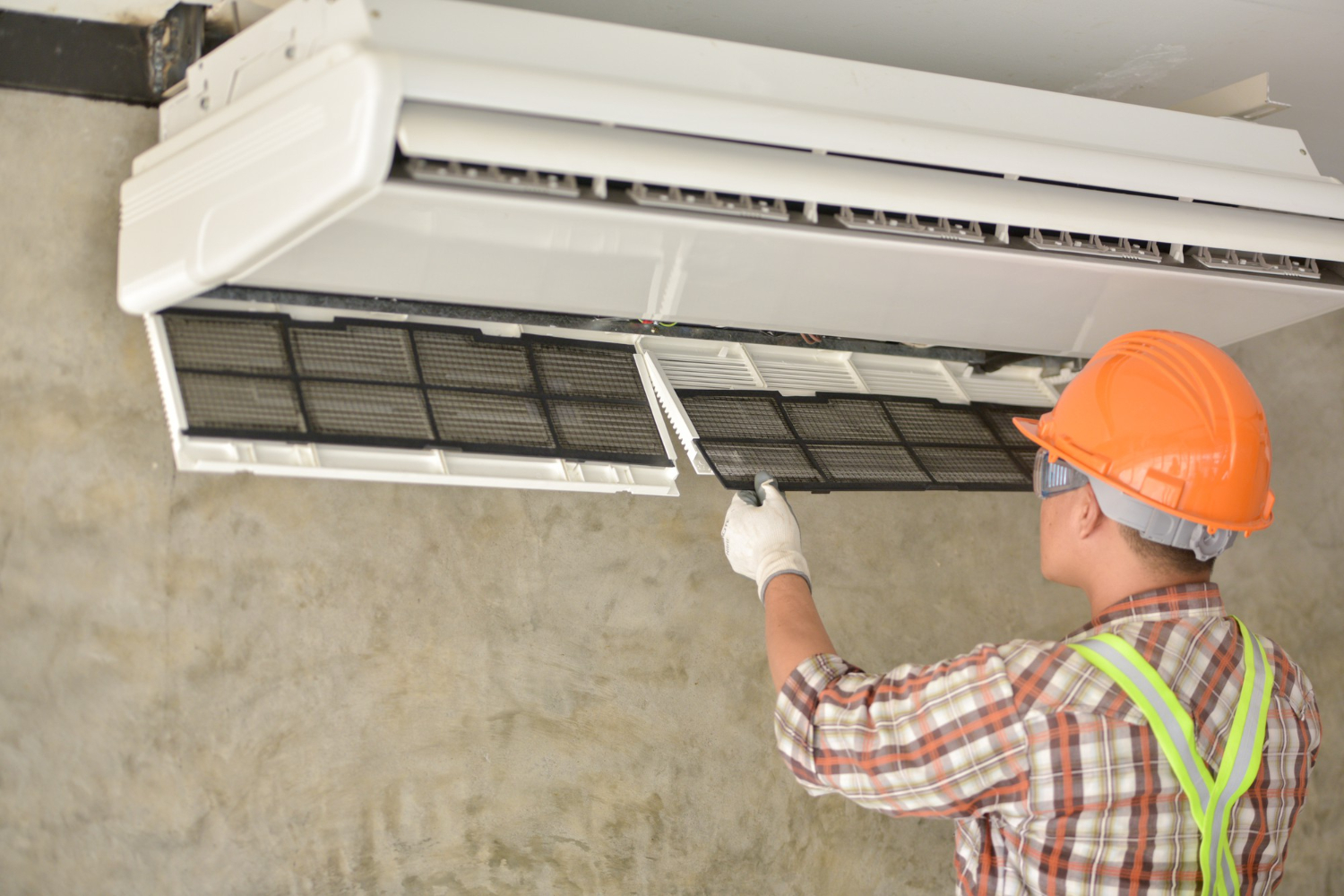

When your AC is running but not cooling, your first instinct might be to let it run and hope it fixes itself. This is one of the worst things you can do. Continuing to operate a malfunctioning system can turn a minor issue into a major, expensive breakdown. It puts immense strain on vital components like the compressor, which can lead to permanent damage. If you’ve noticed your ac unit not blowing cold air, the most important first step is to understand the risks. This guide explains what’s happening inside your system and why ignoring the problem can lead to frozen coils, water damage, and even complete system failure.
Key Takeaways
- Start with simple, DIY checks: Before calling for help, confirm your thermostat is set to "cool" and inspect your air filter. These quick steps can often solve the problem and save you a service call.
- Recognize when you need a professional: Some issues require an expert. Call a technician if you notice recurring ice, hear strange noises, or suspect an electrical problem, as these can signal serious damage.
- Prioritize preventative maintenance: You can avoid most major issues with consistent care. Make it a habit to change your air filters regularly and schedule an annual professional tune-up to keep your system reliable and efficient.
Why Isn't My AC Blowing Cold Air?
There’s nothing more frustrating than coming inside on a hot Colorado day only to find your AC is blowing warm air. When your air conditioner stops cooling, it can turn your comfortable home into a sweatbox in no time. The good news is that the cause isn't always a catastrophic failure. Sometimes, the fix is surprisingly simple, and it’s something you can handle yourself. Other times, you’ll need a professional to get things running again.
Understanding what might be wrong is the first step to getting your cool air back. Common culprits range from a dirty filter or an incorrect thermostat setting to more complex problems like a refrigerant leak or an electrical issue. This guide will walk you through the most frequent reasons your AC isn't cooling, helping you identify the problem and figure out your next steps. Whether it's a quick DIY fix or a job for the experts, we’ll help you get to the bottom of it. If you try these simple checks and still can't find the issue, it might be time to schedule a professional AC repair.
Your Air Filter is Clogged
Let’s start with the most common and easiest-to-fix issue: a dirty air filter. Your AC system needs to breathe, and a filter clogged with dust, pet hair, and other debris essentially suffocates it. This blockage restricts airflow, forcing your system to work much harder to cool your home. Not only does this reduce its cooling power, but it can also cause the indoor evaporator coils to freeze over, completely stopping the cooling process. Checking your air filter should be your first move. If it looks gray and dirty, it’s time for a replacement. A clean filter is essential for a healthy and effective air conditioning system.
Your Thermostat is Set Incorrectly
It might sound too simple, but you’d be surprised how often the thermostat is the culprit. Before you panic, take a moment to check its settings. Someone in the house might have accidentally switched it to "heat" or "fan," or maybe the set temperature is higher than the current room temperature. Also, check if the thermostat has fresh batteries; dead batteries can prevent it from communicating with your AC unit. Make sure it’s set to "cool" and the temperature is several degrees below the current indoor temperature. This simple check can save you the time and expense of a service call, and it’s a great first step in any AC troubleshooting process.
You Have a Refrigerant Leak
Refrigerant is the lifeblood of your air conditioner; it’s the substance that absorbs heat from your home’s air. If your system is low on refrigerant, it won’t be able to cool effectively. It’s important to know that refrigerant doesn’t get "used up" like gas in a car. If it's low, it means there’s a leak somewhere in the system. You might hear a hissing sound or notice ice buildup on the copper lines near your outdoor unit. Handling refrigerant requires special certification and tools, so this is not a DIY job. A professional technician will need to find and repair the leak before recharging the system. Ignoring a refrigerant leak can lead to serious compressor damage.
Your Outdoor Unit is Blocked
Your AC system has two main parts: an indoor unit and an outdoor unit. The outdoor unit, or condenser, is responsible for releasing the heat that was removed from your home. For it to work properly, it needs plenty of space for air to circulate. If the condenser is blocked by dirt, leaves, grass clippings, or nearby shrubs, it can't release heat effectively. This trapped heat will prevent your system from cooling your home. Take a walk outside and inspect your unit. Gently clear away any debris and trim back any plants to ensure there are at least two feet of clearance on all sides.
Your Evaporator Coils are Frozen
If you open your indoor AC unit and see a block of ice, you’ve found a clear sign of a problem. The evaporator coils are responsible for absorbing heat from the air passing over them. When they freeze, air can no longer flow through them, and your AC will start blowing warm air. Frozen coils are usually a symptom of an underlying issue, most often restricted airflow from a clogged filter or low refrigerant levels. If you find frozen coils, turn your AC off but leave the fan running to help the ice melt. Once it thaws, you can try replacing the filter. If the coils freeze again, it’s time to call a professional.
You Have Leaky Ductwork
Your ductwork is the network of channels that delivers cool air from your AC to every room in your house. If there are leaks, cracks, or disconnections in the ducts, a significant amount of that precious cold air can escape into your attic, crawlspace, or walls. This not only makes your home less comfortable but also wastes energy and drives up your utility bills. Signs of leaky ductwork include rooms that are difficult to cool, excessive dust, and unusually high energy costs. While you can seal minor, accessible leaks yourself, a thorough ductwork inspection and repair often requires professional help to ensure the entire system is properly sealed.
Your Unit Has Electrical Issues or is Getting Old
Sometimes the problem isn't mechanical but electrical. A tripped circuit breaker, frayed wiring, or a failed capacitor can prevent your compressor or fans from getting the power they need to run. While you can check your breaker box and reset a tripped breaker, most electrical issues should be left to a professional for safety reasons. Additionally, you have to consider the age of your unit. If your AC is over 10-15 years old, it may simply be reaching the end of its lifespan. Older systems are less efficient and more prone to breakdowns. If you’re facing frequent repairs, it might be more cost-effective to invest in a new AC installation.
Simple Checks to Try Before You Call a Pro
When your AC starts blowing warm air on a hot Colorado day, it’s easy to feel a sense of dread. That cool relief you count on is gone, and all you can think about is the sweltering heat. But before you assume the worst and pick up the phone, there are a few simple things you can check yourself. Often, the fix is surprisingly straightforward. These quick troubleshooting steps can sometimes solve the problem right away, saving you the time and expense of a service call. Even if you do end up needing a professional, running through these diagnostics first can give you valuable information to share. This helps our technicians pinpoint the issue faster when they arrive. Let's walk through some easy checks you can perform safely to see if you can get your cool air flowing again.
1. Check Your Thermostat
It might sound too simple to be true, but a quick thermostat check is often the solution. First, make sure your thermostat is set to "Cool" and the target temperature is set at least five degrees below the current room temperature. Sometimes a setting gets bumped by accident. If you have a digital thermostat, check to see if the screen is blank; it may just need new batteries. If the settings are correct and the batteries are fresh but your system still isn't kicking on, the thermostat itself could be malfunctioning. This is a common issue, but it's always the best place to start your troubleshooting.
2. Inspect Your Air Filter
A dirty air filter is one of the most common culprits behind a struggling air conditioner. When the filter gets clogged with dust, pet dander, and other particles, it restricts airflow to your system. This forces your AC to work much harder to cool your home and can even cause the indoor evaporator coils to freeze over, completely stopping the flow of cold air. You should inspect your filter once a month and plan to replace it every one to three months, especially during the summer when your system is running constantly. A fresh filter is an easy and effective way to keep your AC running efficiently.
3. Clear Your Outdoor Unit
Your air conditioning system has two main parts: an indoor unit and an outdoor unit. The outdoor unit, or condenser, works by releasing the heat that was removed from inside your home. If it’s covered in dirt or crowded by plants, it can’t get rid of that heat effectively. Take a walk outside and look at your condenser. Clear away any leaves, grass clippings, or debris from the top and sides. It’s also important to trim back any bushes or plants to ensure there are at least two feet of clear space around the entire unit for proper airflow. This simple yard work can make a huge difference in your AC's performance.
4. Reset the Circuit Breaker
An air conditioner is a powerful appliance that can sometimes trip a circuit breaker, especially when it’s working hard to start up on a hot day. Head to your home’s main electrical panel and look for the breaker labeled for your AC or air handler. If a breaker is in the "off" position or in the middle, switch it completely off and then back on again. This may restore power and get your system running. However, if the breaker trips again right away, don't keep resetting it. This indicates a more serious electrical problem that requires professional attention from a qualified HVAC technician.
5. Look for Ice on the Coils
Ice buildup on your air conditioner is a clear sign that something is wrong. You might find it on the copper lines connected to your outdoor unit or on the indoor evaporator coil, which is usually located near your furnace. Ice typically points to a problem with airflow (like a clogged filter) or a low refrigerant level. If you see any ice, turn your AC system off immediately but leave the fan running to help melt the ice. Once it has thawed, you can try running the AC again. If the ice comes back, it’s time to call for professional help, as this could signal a refrigerant leak.
6. Inspect Vents and Ductwork
Is your AC blowing cold air in some rooms but not others? The problem might be with your vents or ductwork. Start by walking through your home and making sure all the supply vents are open and not blocked by furniture, rugs, or curtains. A closed vent can disrupt the airflow balance in your home. If all your vents are open, you could have a bigger issue with leaky or disconnected ductwork. When ducts in your attic or crawlspace have gaps or tears, the cold air you’re paying for escapes before it ever reaches your living spaces, leading to inefficient cooling and higher energy bills.
7. Check the Condensate Line
Your air conditioner doesn't just cool the air; it also removes humidity. This moisture is collected and drained away through a pipe called the condensate line. Over time, this line can become clogged with algae, mold, or debris, causing water to back up. Many modern AC systems have a safety switch that will automatically shut down the unit if it detects a clog to prevent water damage. You can often find the condensate drain line near your indoor unit. If you see standing water in the drain pan or notice water dripping from the unit, a clog is the likely cause.
What Happens If You Run an AC That Isn't Cooling?
When your AC is running but your home is still warm, it’s tempting to just wait and hope it kicks into gear. Unfortunately, letting a malfunctioning air conditioner run can turn a minor issue into a major headache. Continuing to operate the system puts stress on its components, risking more extensive and expensive damage. If your AC isn't cooling, the best first step is to turn it off to prevent these problems from getting worse.
You Could Damage the Compressor
Think of the compressor as the heart of your air conditioning system. It’s a powerful component responsible for circulating refrigerant to cool your home, and it’s also one of the most expensive parts to replace. When your AC runs with issues like low refrigerant or blocked airflow, the compressor has to work overtime to compensate. This immense strain can cause it to overheat and fail permanently. Forcing a struggling AC to keep running is like driving your car with no oil; it can lead to a complete breakdown of its most vital part.
Frozen Coils Will Get Worse
Seeing ice on your AC coils is a clear sign that something is wrong. This usually points to a problem with airflow, like a clogged filter, or low refrigerant levels. If you let the AC continue to run, the ice will only continue to build up, creating a thick layer that completely blocks air from passing through. This makes the cooling problem even worse and puts more strain on the system. When the unit finally shuts off and the ice melts, the sudden rush of water can overwhelm the drain pan and cause significant water damage to your ceilings, walls, and floors.
You Risk Mold and High Humidity
Besides cooling the air, your AC is also supposed to remove excess humidity from your home. When it’s not working correctly, it can’t perform this crucial function, leaving your indoor air feeling sticky and uncomfortable. This lingering moisture creates the perfect environment for mold and mildew to thrive, especially within your ductwork and around the indoor unit. Poor indoor air quality can affect your family’s health, so it’s important to address the root cause before mold becomes a problem in your home.
Your System Could Fail Completely
Each of these issues can compound, leading to a total system failure. A simple refrigerant leak, if ignored, can destroy the compressor. A frozen coil that’s never addressed can cause water damage and put the entire system under unbearable stress. What might have been a straightforward fix can quickly spiral into a situation where your entire AC unit needs to be replaced. If you notice your AC isn’t working as it should, turning it off and calling for a professional AC repair service is the safest and most cost-effective decision you can make.
When Is It Time to Call an HVAC Professional?
You’ve done the basic checks, but your house is still uncomfortably warm. While it’s great to be a proactive homeowner, some AC issues are complex and even dangerous to tackle on your own. Knowing when to put down the tools and pick up the phone is key to preventing a small problem from becoming a major, expensive headache. Continuing to run an AC that isn't working correctly can cause serious damage to the system, leading to much bigger repair bills down the road. If you’re experiencing any of the signs below, it’s the right time to call in a professional for help. A trained technician can accurately diagnose the issue, perform a safe repair, and get your home comfortable again.
You Suspect a Refrigerant Leak
If your AC is running but the air coming out isn't cold, you might have a refrigerant issue. It’s a common myth that AC units "use up" refrigerant over time. Your system's refrigerant is in a sealed loop, so if the level is low, it means there's a leak somewhere. You might hear a hissing sound or notice that your energy bills are climbing without a corresponding increase in cooling. A technician needs to find the source of the refrigerant leak, repair it, and then recharge the system to the correct level. Handling refrigerant requires special certification, making this a job strictly for the pros.
Ice Keeps Coming Back
Seeing ice on your AC coils is a clear sign that something is wrong. It usually points to a problem with airflow (like a very dirty filter) or low refrigerant. You should turn your AC off immediately to let the ice melt completely, as running it while frozen can severely damage the compressor. If you’ve already changed your filter and allowed the unit to thaw, but the ice keeps forming, it indicates a more persistent problem. A professional can determine if the cause is a refrigerant leak, a dirty evaporator coil, or a faulty blower motor and fix the underlying issue for good.
You Hear Strange Noises or Smell Odors
Your air conditioner should operate with a relatively consistent, low hum. If you suddenly hear grinding, squealing, clanking, or rattling, it’s your system’s way of crying for help. These sounds can indicate serious mechanical problems, like a failing motor, a loose part, or a problem with the compressor. Similarly, you should never ignore strange odors. A burning smell could point to an electrical problem, while a musty scent often means there’s mold in your unit or ductwork. Turn the system off and call a technician to investigate before the problem gets worse.
You Suspect an Electrical Problem
Electrical issues are both a fire hazard and a threat to your AC’s sensitive components. A common sign is a circuit breaker that repeatedly trips when the AC kicks on. While you can try resetting it once, a breaker that trips again is signaling an overload or short circuit that needs immediate professional attention. Other signs include flickering lights when the unit starts or a system that won’t turn on at all. Don’t attempt to fix wiring or other electrical components yourself. A qualified HVAC technician has the training to safely diagnose and repair the problem.
DIY Fixes Aren't Working
You’ve given it your best shot. You changed the air filter, confirmed the thermostat is set correctly, and cleared away debris from the outdoor unit. If your AC is still blowing warm air after you’ve gone through the basic troubleshooting steps, you’ve done your due diligence. At this point, continuing to guess at the problem can do more harm than good. Instead of spending more of your valuable time and energy, let a professional take over. Our team at Cooley's has the specialized tools and experience to provide an accurate diagnosis and repair, getting your home back to a comfortable temperature quickly and efficiently.
Prevent Future AC Problems with Regular Maintenance
The best way to handle an AC problem is to prevent it from happening in the first place. A little proactive care can save you from the stress of a mid-summer breakdown and keep your system running efficiently for years. Think of it like regular check-ups for your car; your AC needs consistent attention to perform its best. When your air conditioner is working hard to keep your home cool during those hot Colorado summers, small issues can quickly turn into major headaches. Taking a few preventative steps throughout the year is much easier than dealing with a complete system failure when you need it most. Most of these tasks are simple things you can do yourself, while others are best left to a professional. By incorporating a few maintenance habits into your routine, you can ensure your home stays cool and comfortable all season long. These simple steps will help you maintain your system, extend its lifespan, and keep your energy bills in check.
Change Your Air Filters Regularly
One of the easiest and most effective maintenance tasks is changing your air filter. A dirty, clogged filter forces your AC system to work much harder to pull in air, which can strain the components and even cause the interior coils to freeze over. It’s a simple fix with a big impact. We recommend checking your filter every month and replacing it at least every three months. If you have pets, live in a dusty area, or someone in your home has allergies, you might need to change it more often. A fresh filter ensures optimal airflow and keeps your indoor air quality high.
Keep Your Outdoor Unit Clear
Your outdoor AC unit, or condenser, works by releasing heat from inside your home to the outside. If it’s covered in dirt, leaves, or crowded by shrubs, it can’t do its job effectively. This can lead to your system blowing warm air and working overtime. Take a few minutes to walk outside and inspect your unit. Make sure there’s at least two feet of clear space around the entire unit. Gently rinse it with a hose (don't use a pressure washer) to remove any built-up grime and trim back any encroaching plants or weeds.
Check Your Condensate Drain
Your air conditioner produces condensation as it cools your home, and this moisture is removed through a condensate drain line. If this line gets clogged with algae or debris, the water can back up and trip a safety switch, shutting down your cooling unit to prevent water damage. You can help prevent clogs by periodically checking the line for any blockages where it exits your home. If you notice standing water in the drain pan or your system shuts off frequently, a clogged drain could be the culprit. While some clogs are easy to clear, stubborn ones may require professional HVAC services.
Schedule an Annual AC Tune-Up
While DIY maintenance is important, nothing replaces a professional tune-up. An annual inspection by a qualified technician can catch small issues before they become expensive problems, potentially adding years to your AC's lifespan. During a tune-up, a pro will clean the coils, check refrigerant levels, test electrical components, and ensure the entire system is operating safely and efficiently. This yearly service not only helps prevent unexpected breakdowns but can also improve your system's performance. When you're ready to get your system checked, our team at Cooley's is here to provide a thorough and reliable AC tune-up.
Get Reliable AC Repair on the Western Slope
If you’ve tried the basic troubleshooting steps and your home is still feeling more like a sauna than a sanctuary, it’s time to call a professional. While checking the thermostat and filter are great first steps, many AC problems are complex and require an expert touch. Issues like low refrigerant, for example, often point to a leak that needs to be located and repaired, not just refilled. Similarly, you might have an electrical problem or even damaged ductwork that’s sending all that precious cool air into your attic instead of your living room. Trying to fix these issues without the right training can be unsafe and often leads to bigger, more expensive problems down the road.
For homeowners and businesses on the Western Slope, from Mesa County to Montrose, having a reliable HVAC partner is essential. At Cooley's Heating, Cooling & Plumbing, we’ve spent over 20 years building a reputation for professional, trustworthy service. Our team understands the unique challenges of our Colorado climate and is committed to diagnosing your AC issue correctly the first time. We pride ourselves on clear communication and ensuring you understand the problem and the solution. We offer comprehensive HVAC solutions to get your system running efficiently again. Don’t sweat through another hot day; let our experienced technicians restore comfort to your space.
Related Articles
- Where Is AC Evaporator Coil Located? 3 Easy Steps
- Heat Pump Not Cooling & Unit Not Running? What to Check
- What Is Included in an AC Tune-Up? Explained
- Is an HVAC Tune-Up Worth It? A Pro Explains
- HVAC Maintenance Service Cost: What to Expect
Frequently Asked Questions
How often should I really change my air filter? The "one to three months" guideline is a great starting point, but the right answer depends on your specific home. If you have pets that shed, live in a dusty area, or have family members with allergies, you should check the filter monthly. A quick visual inspection is all it takes. If the filter is covered in a gray layer of dust and debris, it’s time for a new one, even if it hasn't been three months yet. Keeping that filter clean is one of the simplest and most effective ways to help your AC run well.
My AC is old. Is it better to repair it or just get a new one? This is a common and important question. A helpful guideline is to consider the age of your unit and the cost of the repair. If your AC is more than 15 years old and you're facing frequent or expensive repairs, a replacement is often the smarter long-term investment. A new, modern system will be far more energy-efficient, which can lower your utility bills, and it comes with the peace of mind of a fresh start and a new warranty.
Why is it a bad idea to just "top off" my AC's refrigerant? Your air conditioner's refrigerant operates in a sealed system, so it doesn't get used up like gas in a car. If the level is low, it means there is a leak somewhere. Just adding more refrigerant without fixing the leak is a temporary patch that doesn't solve the root problem. The system will just leak the new refrigerant out again, and running an AC with incorrect refrigerant levels puts major strain on the compressor, which can lead to a much more expensive failure.
What does a professional actually do during an AC tune-up? A professional tune-up is a comprehensive health check for your air conditioner. A technician will thoroughly clean the indoor and outdoor coils, check and tighten all electrical connections for safety, and test critical components like capacitors and motors. They will also inspect the condensate drain line to prevent clogs and potential water damage, and they will verify that the refrigerant charge is at the correct level. It’s a detailed service designed to ensure your system runs safely and efficiently all season.
My AC seems to be working, but my energy bills are really high. What could be the cause? High energy bills are often the first symptom of an inefficient air conditioner, even if it still feels like it's cooling. The most common causes are issues that restrict airflow, like a dirty filter or a blocked outdoor unit, which force the system to run much longer to cool your home. Leaky ductwork is another frequent culprit, as it allows the cold air you're paying for to escape into your attic or walls. An aging system will also naturally use more power to do the same amount of work.