.png)





.png)

A comfortable home is about more than just the temperature on the thermostat; it’s also about how your HVAC system fits into your daily life. Mini splits are often sold on the promise of being "whisper-quiet," but that doesn't tell the whole story. From the visual presence of the indoor units on your walls to the low hum of the outdoor compressor near your patio, these systems have a physical footprint. These aesthetic and acoustic details, along with other practical considerations like humidity control, are some of the most overlooked disadvantages of mini split systems. We'll cover the real-life experience of living with this technology day in and day out.
Key Takeaways
- Know their best use case: Mini splits are ideal for solving comfort issues in specific areas, like additions or rooms without ductwork, while a traditional system is often more practical for consistent, whole-home climate control without visible indoor units.
- Understand the full commitment: The investment in a mini split includes a potentially higher upfront installation cost and the responsibility of regular maintenance, requiring monthly filter cleaning and annual professional service to keep the system running efficiently.
- Plan for extreme weather: A mini split's performance can decline in the intense cold of a Colorado winter, which may require a supplemental heat source to keep your home comfortable, a critical factor for reliable, year-round warmth.
How Do Mini Splits Compare to Traditional HVAC?
When you're looking at new heating and cooling options, it’s easy to get swept up in the buzz around ductless mini splits. They offer some great benefits, but they aren't a universal solution. Understanding how they differ from traditional central HVAC systems is the first step in figuring out if they’re the right fit for your home on the Western Slope. Let's break down how they stack up in a few key areas.
Understanding the Core Differences
The most significant difference is right in the name: ductless. Traditional central air systems use a single, powerful unit, like a furnace or air handler, to push conditioned air through a network of ducts to every room in your house. Mini splits work differently. They consist of an outdoor compressor connected by refrigerant lines to one or more indoor units mounted on the wall or ceiling. Each indoor unit cools or heats its specific zone directly, giving you room-by-room temperature control. This ductless design is the source of many of a mini split's advantages, like efficiency, but it also creates some of its primary limitations compared to traditional HVAC solutions.
Coverage Area Limitations
Because each indoor unit handles a single room or zone, mini splits can struggle to effectively heat or cool large, open-concept spaces or entire homes with just one head. If you have a very large great room, for example, you might need two or more indoor units to maintain a comfortable temperature. While this is certainly possible, it adds to the upfront cost and can make your walls look a bit cluttered with multiple units. A traditional central system, on the other hand, is designed from the ground up to provide consistent, even temperature control throughout your entire house from a single, hidden source, no matter the layout.
Challenges with Fresh Air Circulation
Here’s something many people don’t consider: air circulation. Mini splits are fantastic at heating and cooling the air that's already in a room, but they don't do much to circulate it or bring in fresh air from outside. Traditional ducted systems, by their nature, move air throughout the home. Many can also be equipped with ventilators that introduce fresh, filtered air from outdoors. This continuous exchange helps improve your home's indoor air quality by flushing out stale air, allergens, and pollutants, which is a feature most mini split systems simply don't offer.
Where Traditional Systems Still Win
For many homes, especially larger or older ones here in Colorado, a traditional system is still the most practical choice. If your house already has a network of ducts, replacing an aging furnace or central air conditioner with a modern, high-efficiency model is often simpler and more cost-effective than installing a whole-home mini split system. Many homeowners prefer the seamless, invisible comfort of central air, which delivers consistent heating and cooling to every corner of the house without requiring multiple visible indoor units. It remains the gold standard for reliable, whole-house climate control.
What Does a Mini Split System Really Cost?
While the long-term efficiency of mini splits is a major selling point, it’s important to have a clear picture of the total financial commitment. The price isn't just what you pay for the equipment; it includes installation, potential long-term maintenance, and the specific needs of your home. Understanding these costs upfront helps you make a confident decision and avoid surprises down the road. Let's break down what you can expect to invest in a mini split system.
Breaking Down the Upfront Installation Cost
One of the first things you'll notice is that the initial cost to install a mini split can be higher than for a traditional forced-air system, sometimes by as much as 30%. This is because installation involves more than just placing a single unit. A technician needs to mount one or more indoor heads and connect them to an outdoor compressor with refrigerant lines. The total price tag will depend on how many zones you need, the size of the units, and the system's efficiency rating. A single-zone system for a garage will cost much less than a five-zone system designed to heat and cool your entire home.
Why Costs Add Up in Larger Homes
If you have a larger home, the cost of a mini split system can increase significantly. Unlike ducted systems that use one central unit, mini splits require individual indoor heads for each zone. Very large or open-concept rooms might even need two indoor units to provide even heating and cooling, which adds to the equipment and labor costs. While this zoned approach is great for efficiency, outfitting an entire house with multiple indoor units can quickly become a larger investment than a single, central HVAC system. It’s a key factor to consider when getting quotes for a whole-home solution.
Factoring in the Hidden Costs
Beyond the initial installation, there are other potential costs to keep in mind. The sophisticated technology inside mini splits can make them more complex to repair if something goes wrong. Finding replacement parts, even simple ones, isn't always as straightforward as it is for traditional furnaces or air conditioners. This can sometimes lead to longer wait times and higher repair bills. That’s why it’s so important to work with an established local professional who has experience with these systems and can reliably source parts and perform necessary HVAC maintenance. This ensures your system runs smoothly for years to come.
What Does Mini Split Maintenance Involve?
While mini splits are often praised for their efficiency, they aren't a "set it and forget it" solution. Staying on top of maintenance is key to keeping them running smoothly, and it involves more than just an occasional check-up. Some tasks are simple enough for homeowners to handle, but others require a professional touch to prevent small issues from turning into big, expensive problems. Understanding these responsibilities upfront will help you decide if a mini split is the right fit for your home and lifestyle.
The Constant Need for Filter Cleaning
One of the most critical maintenance tasks for a mini split is regularly cleaning the filters in the indoor units. Because these systems don't have extensive ductwork, the filters are your first line of defense against dust, pet dander, and other airborne particles. When they get clogged, airflow is restricted, forcing the system to work much harder to cool or heat your room. This not only reduces efficiency but can also strain the components. The U.S. Department of Energy recommends maintaining your air conditioner by cleaning or replacing filters every one to three months to keep it performing its best and protect your indoor air quality.
Keeping the Outdoor Unit and Drain Line Clear
Your mini split’s outdoor unit needs attention, too. Here in Colorado, it’s exposed to everything from cottonwood fluff in the spring to falling leaves and snow. This debris can build up on the condenser coils, blocking airflow and making the system less effective. It’s important to gently clear away any obstructions from the unit. You also need to check the condensate drain line to ensure it isn’t clogged. A blocked line can cause water to back up, potentially leading to water damage inside your home. As the experts at This Old House point out, keeping these areas clear is a simple but essential step in mini split care.
Why You Still Need Annual Professional Service
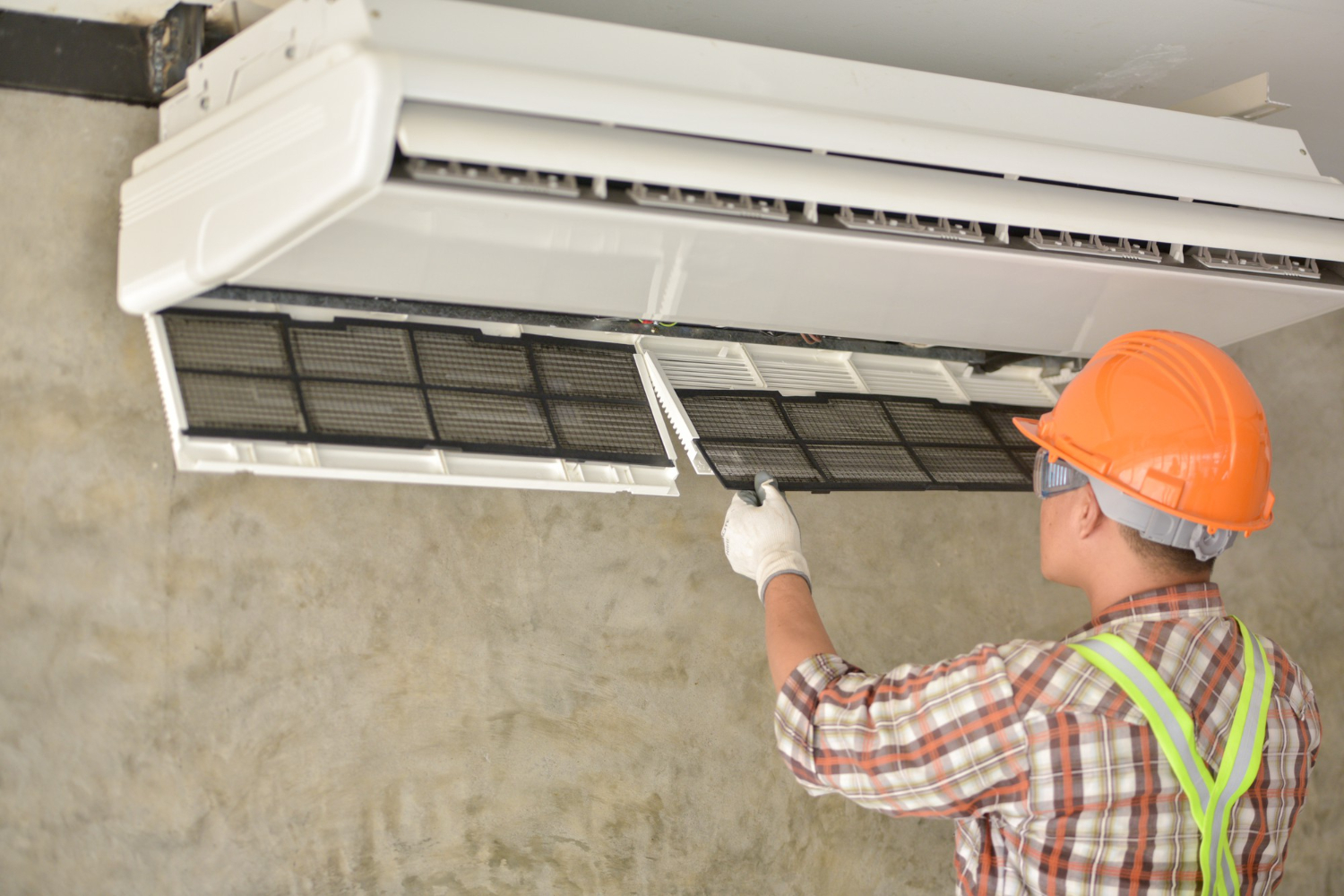
Even if you’re diligent about cleaning filters and clearing the outdoor unit, you can’t skip annual professional service. A trained technician does much more than a basic cleaning. During a professional tune-up, we inspect the electrical connections, check refrigerant levels, clean the indoor coils and blower wheels, and test the system’s overall performance. This thorough inspection allows us to catch potential issues before they lead to a system failure. Think of it as a preventative check-up that ensures your system operates safely and at peak efficiency, which can extend its lifespan. Our comprehensive HVAC solutions include maintenance plans designed to keep your system in top shape year-round.
The Risk of Complex Repairs and Leaks
Some mini split problems are too complex for a DIY fix. Refrigerant leaks, for example, are a serious issue that can cause your system to stop cooling effectively and can harm the environment. According to the HVAC School, handling refrigerant requires specialized tools, training, and certification. Attempting to fix these issues yourself can lead to further damage or personal injury. If you notice your system isn't performing as it should, or if you see signs of a leak like oily residue or ice buildup on the coils, it’s time to call a professional. Trusting an expert ensures the repair is done correctly and safely.
How Do Mini Splits Handle Extreme Colorado Weather?
Here on the Western Slope, our weather doesn't do things by halves. We get beautiful, mild days, but we also face freezing winters and scorching summers. When you're choosing a heating and cooling system, you need something that can keep up with these extremes. While mini splits are known for their flexibility, their performance can be put to the test when the temperature really drops or spikes.
Modern mini splits are engineered to handle a wider range of temperatures than older models, with some specifically designed for cold climates. However, they are still heat pumps, and the laws of physics dictate how they operate. They work by moving heat, and when it's intensely cold or hot outside, they have to work much harder to do their job. This can lead to a drop in efficiency and, in some cases, a struggle to keep your home comfortable. Understanding these limitations is key to deciding if a mini split is the right primary system for your Colorado home.
Performance Issues in Extreme Cold
A mini split heats your home by pulling warmth from the outside air and moving it inside. It’s a remarkably efficient process, until there’s very little heat to grab. As Colorado winter temperatures fall, especially below freezing, the system’s ability to extract heat diminishes. On those truly frigid days, a mini split might run constantly yet struggle to maintain your desired indoor temperature. While many new systems have impressive cold-climate capabilities, they can still experience a noticeable drop in performance during a deep freeze, leaving your home feeling chillier than you’d like.
Needing a Backup Heat Source
Because a mini split can struggle on the coldest days of the year, many homeowners find they need a supplemental heat source. This is a crucial point that often gets overlooked. Some mini split models come with built-in electric resistance heating strips that kick on when the heat pump can’t keep up. While helpful, these strips use a lot of electricity and can drive up your utility bills. For reliable warmth, you might need a completely separate system, like a furnace or a wood stove, to get you through the coldest parts of winter. This means a mini split may not be the all-in-one solution you were hoping for, adding another layer of complexity and cost to your home's heating and cooling setup.
Losing Efficiency in Intense Heat
Just as extreme cold affects heating, intense summer heat can impact a mini split’s cooling efficiency. When temperatures soar into the high 90s or triple digits, your system has to work overtime to move heat from inside your house to the sweltering outdoors. This extra effort means it consumes more energy, which you'll see on your electricity bill. The amazing efficiency ratings you see on paper can be hard to achieve when the system is pushed to its limits. The actual cost to run a mini split depends heavily on our local climate, your usage habits, and how well your home is insulated. Good home insulation becomes even more critical to help your system perform without breaking the bank.
Other Potential Downsides of Mini Splits
Beyond the major considerations of cost and maintenance, a few other factors can influence whether a mini split system is the right fit for your home. These points are less about performance and more about the day-to-day experience of living with the system. Thinking through these practical details now can help you feel more confident in your decision. From the sounds they make to how they look on your wall, it’s worth weighing every aspect. A great HVAC system should blend seamlessly into your life, not create new headaches.
It's easy to get focused on the big selling points, like energy efficiency, but sometimes it's the smaller details that make the biggest difference in your long-term satisfaction. We've seen it all, and we want to share some of the less-discussed realities of these systems. This isn't to discourage you, but to empower you with a full understanding. Our goal is to give you a complete picture so you can choose the best solution for your space. The right heating and cooling system is a significant investment in your home’s comfort, and our team is here to provide the expert HVAC solutions you need to get it right.
Unexpected Indoor and Outdoor Noise
Mini splits are often praised for being whisper-quiet, and it’s true that the indoor units operate at a very low decibel level. Since there are no ducts for air to whistle through, you won’t hear the loud whoosh of a traditional system kicking on. However, the outdoor compressor unit is a different story. While still generally quieter than older, conventional AC units, it does generate some noise. This can become a point of frustration if the unit is placed near a bedroom window, a patio, or close to your neighbor’s property line. It’s a low, humming sound that might not be noticeable during the day but can feel disruptive in a quiet evening environment.
The Challenge with Aesthetics and Placement
There’s no getting around it: the indoor units of a mini split system are visible. Each unit, often called a head or cassette, is typically mounted high on an interior wall in the room it serves. While manufacturers have made efforts to create more streamlined and modern designs, it’s still a piece of equipment that becomes part of your decor. For homeowners who have carefully curated their interior design, finding a place for a white or black plastic box on the wall can be a real challenge. You have to consider not just the best placement for air distribution but also how it will look, which can sometimes feel like a compromise between function and style.
Issues with Dehumidification
While mini splits are excellent at cooling, they can sometimes struggle with humidity control, especially in certain conditions. These systems cool a room by running in short, efficient cycles. However, effective dehumidification often requires longer run times to pull moisture from the air. Some units have a "dry mode," but it can be a clumsy solution. This mode sometimes overcools the room to the point of feeling chilly and clammy, which defeats the purpose of creating a comfortable environment. If your home is prone to feeling damp, a mini split might not manage the humidity as effectively as a central air system designed to handle it.
Installation and Placement Restrictions
Proper installation is everything with a mini split, and there are some limitations to consider. The indoor units need to be mounted on an exterior wall or a wall where the refrigerant lines can be run to the outdoor unit, which can restrict your placement options. Furthermore, because the units are mounted high on the wall, they can be difficult to access for service and deep cleaning. Unlike a furnace or air handler located in a closet or basement, a technician will likely need a ladder to perform complex repairs. This can make service calls a bit more involved than they would be for a traditional ground-level system.
Is a Mini Split Right for Your Home?
Deciding if a mini split system is the right choice for your home comes down to your specific needs, your home’s layout, and your personal preferences. These systems offer incredible flexibility and are a fantastic solution for many situations, especially for homes without existing ductwork, for new additions, or for solving heating and cooling issues in a single problem area like a sunroom or converted garage. They allow you to control the temperature room by room, which can be a game-changer for household comfort.
However, it's important to weigh the potential downsides. The initial installation cost is often higher than that of a traditional HVAC system, which is a significant consideration for any budget. You also have to be comfortable with the appearance of the indoor units mounted on your walls or ceiling. While modern designs are sleek, they are still visible. Furthermore, mini splits require consistent maintenance, including monthly filter cleanings, to operate at their best. If you prefer a more hands-off system, this is an important factor to keep in mind.
Here on the Western Slope, we also have to consider performance during our coldest winter days. Some mini split models can struggle to maintain peak efficiency when temperatures plummet, potentially requiring a supplemental heat source. The best way to know for sure is to get a professional opinion. An expert can assess your home’s unique characteristics, discuss your comfort goals, and help you determine if a mini split or one of our other HVAC solutions is the perfect fit for you and your family.
Related Articles
- Mini Split Cost for 1000 sq ft: A Full Breakdown
- HVAC Maintenance Service Cost: What to Expect
- Daikin Installation Manual R32 Split Series: A Guide
- The 7 Top HVAC Brands: An Expert's Guide
- How to Prepare Your Heating System for Winter
Frequently Asked Questions
I live in Colorado. Are mini splits a bad choice for our cold winters? Not at all, but you do need to be realistic about their limits. Modern cold-climate mini splits are impressive and can handle most of what our winters throw at them. However, during the most extreme cold snaps, their efficiency can decrease, and they may struggle to keep your home as warm as you'd like. For this reason, many homeowners on the Western Slope pair a mini split system with a reliable backup heat source, like a small furnace or stove, just to be safe on those truly frigid nights.
Is a mini split cheaper than central air in the long run? It can be, but it’s not a simple yes or no. The initial installation for a mini split is often more expensive than for a traditional system. While their high efficiency can lead to lower monthly energy bills, the total financial picture depends on your home. Factors like your home's insulation, the number of zones you need, and how you use the system all play a part. A well-insulated home will see better performance and lower operational costs than a drafty one.
What is the biggest day-to-day hassle of owning a mini split? The most consistent task is keeping the filters clean. Because each indoor unit has its own filter, you have to clean them about once a month to keep the system running efficiently and maintain good air quality. It's not a difficult job, but it is a recurring one you can't forget. Skipping this simple step can lead to reduced airflow, higher energy use, and unnecessary strain on the system's components.
If my house already has ducts, is there any reason to consider a mini split? For whole-house heating and cooling, it's almost always more practical and cost-effective to use the ductwork you already have by upgrading your central system. However, mini splits are a fantastic solution for specific problems. If you've built a new addition, converted a garage, or have a sunroom that your main system just can't keep comfortable, a single-zone mini split is a perfect way to address that one area without re-engineering your entire HVAC setup.
Why can't I just install a mini split myself? A mini split installation is much more complex than it looks. It involves handling high-pressure refrigerant lines, making precise electrical connections, and ensuring the system is properly charged, all of which require specialized training and tools. An incorrect installation can lead to poor performance, refrigerant leaks, and serious damage to the unit, and it will almost certainly void the manufacturer's warranty. It's a job best left to a licensed professional to ensure it's done safely and correctly.