.png)





.png)

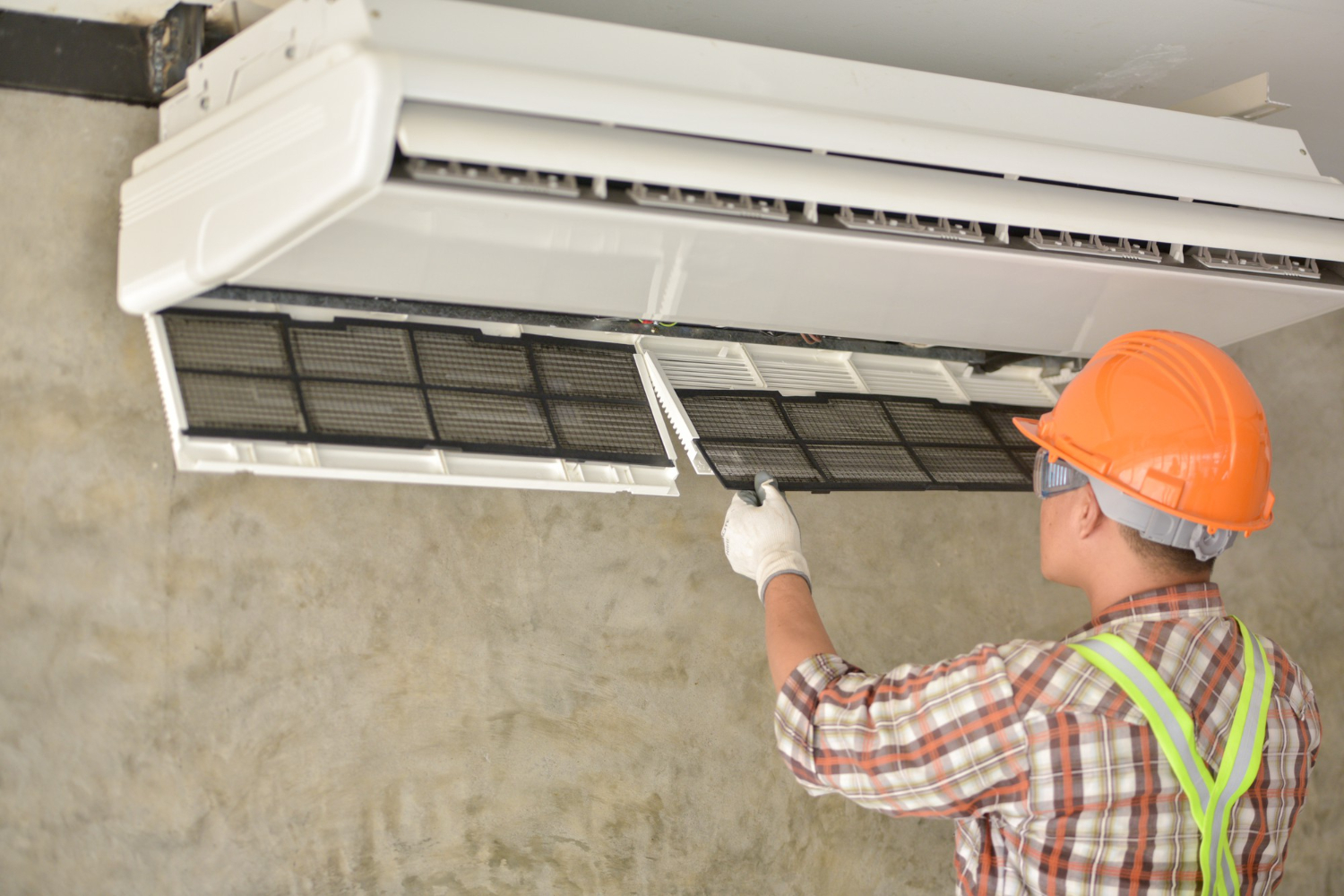
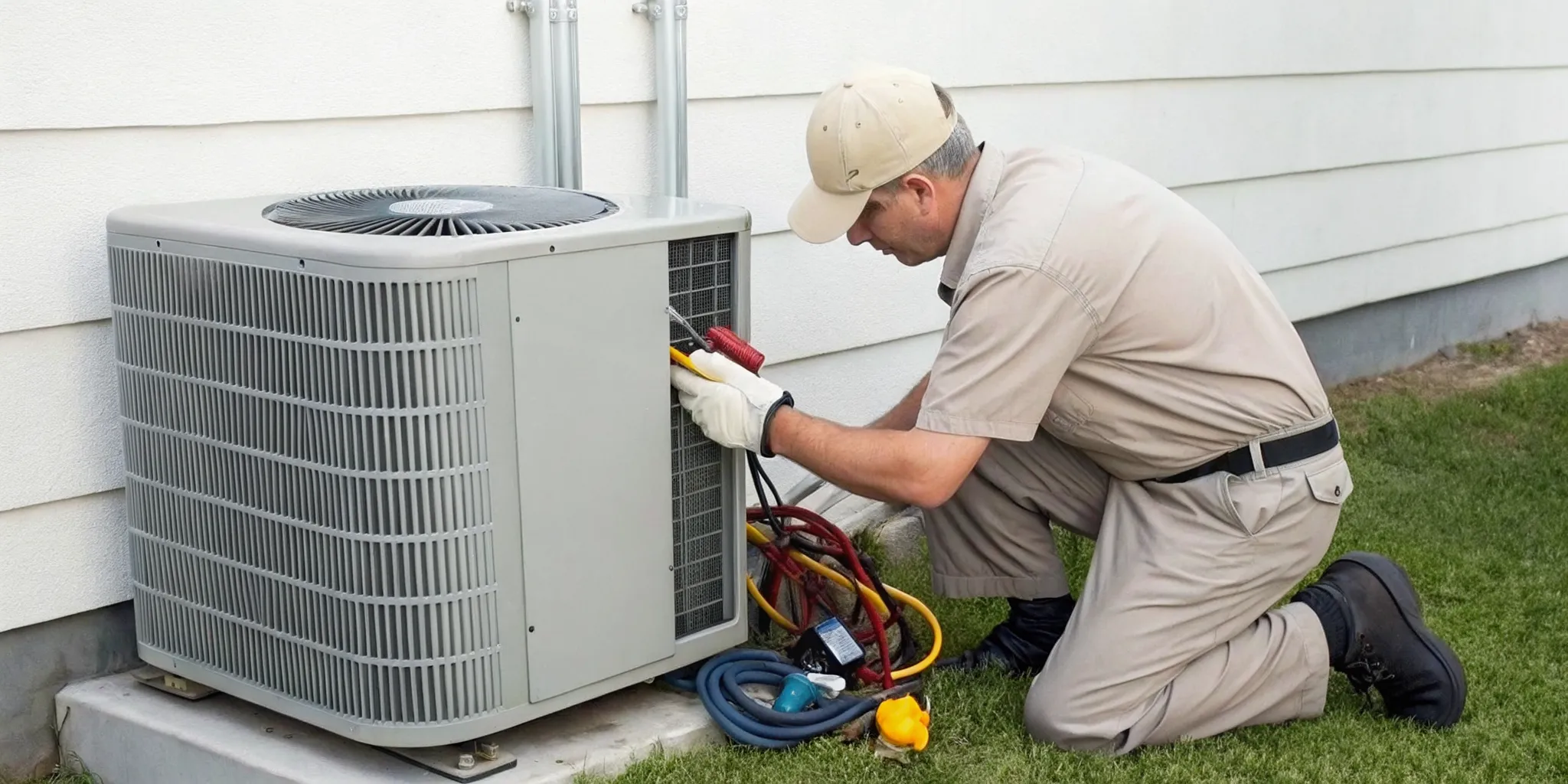
Have you noticed your monthly energy bills slowly creeping up, even when your usage hasn't changed? Your heat pump could be the culprit. Over time, as dust collects on coils and parts begin to wear, your system has to work much harder to heat and cool your home. This decline in efficiency means it runs longer and consumes more electricity, directly impacting your budget. The good news is that you can reverse this trend. A well-maintained system operates at its peak potential, using less energy to provide consistent comfort. Professional heat pump maintenance services are the key to restoring that efficiency, helping you manage utility costs and get the performance you expect.
Key Takeaways
- Prioritize proactive care with seasonal tune-ups: Scheduling professional maintenance twice a year, once in the spring and again in the fall, is the best way to protect your heat pump. This regular attention helps prevent unexpected breakdowns, improves energy efficiency, and can add years to your system's life.
- Listen to your system and watch for warning signs: Your heat pump will give you clues when something is wrong. Pay attention to new sounds like grinding or banging, weak airflow from your vents, or a sudden increase in your utility bills, as these are signs you should call a professional.
- A professional service is more than a filter change: While changing your filter is a great DIY task, a full maintenance visit includes critical safety and performance checks you cannot do yourself. A technician will inspect electrical components, check refrigerant levels, and clean internal coils to ensure your system runs safely and efficiently.
What Is Heat Pump Maintenance?
Think of heat pump maintenance as a routine wellness check for one of your home’s most important systems. It’s a professional service designed to keep your heat pump running smoothly and efficiently all year long. Since a heat pump is a significant investment in your home's comfort, regular upkeep is the best way to protect it. During a maintenance visit, a trained technician will perform a full inspection, clean critical components, and make small adjustments to prevent bigger problems from developing down the road.
This isn't just about fixing things that are already broken. It's a proactive approach to care. Just like your car needs regular oil changes to perform its best, your heat pump needs attention to handle the demands of both heating and cooling your home. From the hot summers to the cold winters here on the Western Slope, your system works hard. Professional HVAC solutions ensure it’s ready for whatever the season brings, helping it last longer and operate reliably when you need it most. Ignoring maintenance can lead to unexpected breakdowns, inefficient performance, and a shorter lifespan for your unit.
Why Regular Maintenance Is Essential
Scheduling regular maintenance is one of the smartest things you can do for your heat pump and your budget. A well-maintained system operates much more efficiently. In fact, a clean and properly tuned heat pump can use significantly less energy than a neglected one, which helps manage your monthly utility bills. Beyond efficiency, routine service is crucial for extending the life of your equipment. A technician can spot and fix small issues, like worn parts or minor electrical faults, before they turn into major, costly repairs. This proactive care helps you avoid a sudden system failure on the coldest night or hottest day of the year.
Common Myths About Heat Pump Care
There are a few common myths about heat pump care that can unfortunately lead to expensive problems. One of the biggest is the idea that "if it isn't broken, it doesn't need fixing." Waiting for a problem to appear almost always results in a more complicated and expensive repair. Another myth is that you can handle all the maintenance yourself. While changing your air filter is a great DIY task, a professional technician has the tools and training to check refrigerant levels, inspect electrical connections, and clean internal components safely. Our team of professionals has the expertise to ensure the job is done right, keeping your system in top condition and your warranty intact.
What to Expect During a Heat Pump Service
Scheduling a professional heat pump service is one of the best things you can do for your home’s comfort and your system’s health. When a qualified technician arrives, they follow a detailed process to ensure every part of your unit is working correctly. Knowing what to expect can give you peace of mind and help you understand the value of keeping your system in top shape. A typical service call from a trusted team like Cooley’s involves a series of checks, cleanings, and tests designed to keep your heat pump running efficiently and reliably all year long, whether it’s a hot summer day or a chilly winter night on the Western Slope.
From a thorough visual check to testing the thermostat’s calibration, each step plays a role in preventing unexpected breakdowns and maintaining performance. It’s a comprehensive tune-up that addresses everything from airflow to electrical safety. Let’s walk through what a technician will do during a standard maintenance visit.
A Full Visual Inspection
The first thing a technician will do is perform a complete visual inspection of your entire heat pump system, including both the indoor air handler and the outdoor unit. They are looking for any obvious signs of wear, damage, or blockages that could affect performance. This initial check helps them spot potential problems early, like worn belts or debris obstructing the unit. Think of it as a general wellness check for your system. This is a key part of the regular maintenance that helps your heat pump last longer and prevents surprise breakdowns when you need it most.
Refrigerant Level Check
Your heat pump uses a substance called refrigerant to move heat between your home and the outdoors. If the refrigerant level is too low or too high, your system can’t heat or cool effectively and may even suffer damage. A technician will carefully check the refrigerant charge to make sure it matches the manufacturer’s specifications. An incorrect level often points to a leak, which a professional can locate and repair. This step is crucial for ensuring your heat pump operates at peak performance, keeping your home comfortable without using excess energy.
Coil and Condensate Drain Cleaning
Over time, the coils in your heat pump (both the indoor evaporator coil and the outdoor condenser coil) collect dust and dirt. This buildup acts like a blanket, making it harder for the system to absorb and release heat. Your technician will clean the coils to restore proper airflow and heat transfer. They will also inspect and clear the condensate drain line. This small pipe removes moisture pulled from the air during the cooling process, and a clog can lead to water damage and mold growth. Keeping these components clean is vital for your system’s efficiency.
Air Filter Cleaning or Replacement
A dirty air filter is one of the most common causes of HVAC problems. When a filter gets clogged with dust and debris, it restricts airflow, forcing your heat pump to work much harder than it needs to. This not only strains the system but also drives up your energy bills. During a service visit, a technician will inspect your air filter and clean or replace it as needed. This simple step is essential for maintaining strong airflow, protecting your system from unnecessary strain, and helping keep the air inside your home cleaner and healthier to breathe.
Electrical and Safety Control Inspection
Your heat pump has a complex network of electrical components and safety controls that need to be in perfect working order. A technician will inspect all electrical connections, wires, and capacitors, tightening and repairing them as needed to prevent a system failure. They will also test the safety controls to ensure they function correctly, which is essential for protecting your system from damage and preventing potential hazards. This part of the service ensures your heat pump operates not just efficiently, but safely for you and your family.
Thermostat Calibration Check
The thermostat is the command center for your heating and cooling system. If it isn’t calibrated correctly, it can’t accurately read the room’s temperature or signal your heat pump to turn on and off at the right times. This can lead to inconsistent temperatures and wasted energy. As part of a full service, your technician will check the thermostat’s calibration and ensure it’s communicating properly with the heat pump. This final check guarantees that the system responds correctly to your settings, keeping your home perfectly comfortable.
Warning Signs Your Heat Pump Needs Attention
Your heat pump is a hardworking piece of equipment, but it can’t tell you when something is wrong. Instead, it gives you clues. Paying attention to changes in its performance can help you catch small issues before they become major, expensive breakdowns. Most systems will show signs of distress through strange sounds, inefficient operation, or a noticeable drop in comfort. Think of it like your car; you know the normal sounds and feelings, and you notice when something is off. The same principle applies to the system that keeps your home comfortable all year round.
Learning to recognize these warning signs is the first step in proactive maintenance. While some issues, like a dirty filter, are simple fixes you can handle yourself, others point to more complex mechanical or electrical problems that require a professional diagnosis. Ignoring a rattling noise or a sudden jump in your utility bill might seem fine for a while, but it often leads to more significant damage and a much higher repair cost down the road. If you notice any of the following signs, it’s a good idea to have your system inspected by a qualified technician who provides comprehensive HVAC services. Acting early not only protects your equipment but also ensures your family stays comfortable, no matter the season on the Western Slope.
Unusual Noises or Odors
You’re probably used to the gentle hum of your heat pump as it runs. However, new and unusual sounds are often a cry for help. "Strange noises such as grinding, squealing, or banging can indicate a problem with your heat pump." A grinding or squealing sound could point to worn-out motor bearings, while a banging or clanking noise might mean a part has come loose inside the unit. Don’t dismiss these sounds as normal wear and tear. Similarly, a musty smell could signal mold growth in your ductwork, while a burning odor suggests a serious electrical issue that needs immediate attention. Addressing these problems quickly is key to preventing further damage.
Weak Airflow or Inconsistent Temperatures
Is your home not feeling as comfortable as it used to? Your heat pump might be the reason. One of the most common complaints is that "the air flow through the vents is weak or low." This can be caused by something as simple as a clogged air filter, but it could also indicate a more serious issue like a failing blower motor or blocked ductwork. Another red flag is when "the temperature coming from the vents doesn't match your heat pump temperature setting." If your system is blowing lukewarm air in the winter or cool (but not cold) air in the summer, it may be struggling with low refrigerant levels or a faulty reversing valve.
Sudden Spikes in Your Energy Bill
Your monthly utility bill can be a surprisingly useful diagnostic tool. If you notice "high energy bills without a change in usage," your heat pump’s efficiency may be declining. A well-maintained system operates predictably, but a struggling unit has to work much harder and run longer to heat or cool your home, consuming more electricity in the process. This inefficiency can stem from dirty coils, a refrigerant leak, or an aging compressor. Before you assume rising utility rates are the only cause, compare your recent bills to the same period from the previous year. A significant, unexplained increase warrants a professional inspection to find the root cause.
Frequent On-and-Off Cycling
A properly functioning heat pump should run for a consistent period to bring your home to the desired temperature. If you notice your system turning on and off every few minutes, it’s a process known as short cycling. "Frequent cycling can indicate that the heat pump is struggling to maintain the desired temperature." This issue puts excessive strain on the compressor and other critical components, leading to premature wear and eventual failure. Short cycling can be caused by several factors, including a dirty air filter, low refrigerant, or even an oversized system. A technician can perform the necessary work to diagnose the problem and restore proper function.
Key Benefits of Regular Heat Pump Maintenance
Scheduling regular maintenance for your heat pump might feel like just another task on your to-do list, but it’s one of the smartest things you can do for your home and your budget. Think of it as a wellness check for one of your home’s most important systems. A little proactive care goes a long way in keeping your heat pump running smoothly, preventing surprise issues, and ensuring your family stays comfortable all year long. Investing in routine service is less about fixing problems and more about preventing them from ever happening in the first place.
Extend Your System's Lifespan
Your heat pump is a significant investment, and you want it to last as long as possible. Just like your car needs regular oil changes to keep the engine healthy, your heat pump needs professional tune-ups to reduce wear and tear on its mechanical parts. During a maintenance visit, a technician cleans, lubricates, and inspects critical components. This simple care helps your system operate under less stress, which can add years to its operational life. By catching and addressing minor issues early, you can avoid the premature failure that often results from neglect and delay the need for a costly replacement.
Improve Overall Energy Efficiency
A well-maintained heat pump is an efficient one. When coils are dirty, filters are clogged, or refrigerant levels are low, your system has to work much harder to heat or cool your home. This extra effort consumes a lot of unnecessary energy, which shows up as a higher number on your monthly utility bill. In fact, a neglected heat pump can use up to 25% more energy than a properly cared-for unit. Our professional HVAC services ensure every part of your system is optimized for peak performance, helping you use less energy while staying perfectly comfortable.
Prevent Unexpected Breakdowns and Repairs
There’s never a good time for your heating or cooling to quit, especially during a Western Slope winter or a hot summer afternoon. Regular maintenance is your best defense against sudden and expensive breakdowns. During a service appointment, our technicians can identify potential problems, like a worn-out belt or a loose electrical connection, before they cause a complete system failure. Addressing these small issues proactively is far more affordable than paying for an emergency repair and gives you peace of mind knowing your system is reliable. With over 20 years of experience, we know exactly what to look for.
Maintain Consistent, Year-Round Comfort
Your heat pump works hard year-round, providing warmth in the winter and cool relief in the summer. To do its job effectively, it needs to be in top condition. Regular maintenance ensures it can deliver consistent and even temperatures throughout your home, no matter the season. A technician will check refrigerant levels, test system performance, and calibrate your thermostat to make sure everything is working in harmony. This prevents issues like weak airflow or frustrating temperature swings, so you can simply relax and enjoy a comfortable home environment every day of the year.
How Often Should You Schedule Heat Pump Maintenance?
Timing is everything, especially when it comes to caring for your heat pump. Since this system works hard all year, providing both heating and cooling, it needs consistent attention to stay in top shape. Sticking to a regular maintenance schedule is the single best thing you can do to ensure your system runs efficiently and reliably, keeping your home comfortable and your energy bills in check. Understanding the right frequency for service helps you protect your investment and avoid surprises.
Seasonal Tune-Ups vs. Annual Service
Because your heat pump handles both heating and cooling, the best practice is to schedule professional maintenance twice a year: once in the spring before summer arrives, and again in the fall before the cold sets in. Think of it as a check-up before each major season of use. A well-cared-for heat pump can use up to 25% less energy than one that is ignored. This consistent care not only helps your system last longer but also prevents the need for frequent, costly repairs. An annual service might be sufficient in a very mild climate, but here on the Western Slope, seasonal tune-ups are the smarter choice to prepare for our distinct seasons.
Why Commercial Systems Have Different Needs
A heat pump in a commercial building operates under much greater demand than a residential unit. It runs more often, for longer hours, and is responsible for maintaining a comfortable environment for employees and customers. This increased workload means more wear and tear. For a business, an unexpected system failure isn't just an inconvenience; it can disrupt operations and impact revenue. That’s why commercial systems require a more frequent and rigorous maintenance schedule. Our professional technicians can create a customized plan that protects your investment and ensures your business runs smoothly without interruption.
The Best Time of Year to Book Your Appointment
The best time to schedule maintenance is during the milder seasons, specifically spring and fall. Aim to book your cooling check-up in the spring and your heating check-up in the fall. This proactive approach ensures your system is fully prepared for the extreme temperatures ahead. Scheduling during these off-seasons also means you can get an appointment more easily, avoiding the rush that happens during the first heatwave of summer or the first cold snap of winter. Getting ahead of the curve allows a technician to spot and fix minor issues before they turn into major, inconvenient breakdowns when you need your system the most.
Understanding Heat Pump Maintenance Costs
Budgeting for home maintenance is always a smart move, and your heat pump is no exception. While there’s an upfront cost for a professional tune-up, it’s helpful to think of it as an investment in your home’s comfort and your system’s longevity. The price can vary, but understanding the factors that influence it will help you know what to expect and see the long-term value in keeping your system in top shape.
What Factors Affect the Price?
The cost for a professional heat pump service isn't a single flat rate. Most homeowners find that a standard annual tune-up costs between $100 and $300, but several factors can influence the final price. Your location on the Western Slope, the size and age of your unit, and the specific checks included in the maintenance package all play a role. A typical service visit lasts about one to two hours. The best approach is to ask your technician for a clear, itemized quote before they begin work. This ensures you understand exactly what services you are receiving for the price.
Are Maintenance Plans a Good Investment?
Absolutely. While it might seem like just another recurring expense, a maintenance plan is one of the most effective ways to prevent costly, unexpected repairs. It’s all about proactive care instead of reactive fixes. By having a professional inspect your system regularly, you can catch small problems before they become major headaches. Many companies offer annual or bi-annual HVAC maintenance plans that often include benefits like discounts on future repairs and priority scheduling. This consistent care not only helps your system run more efficiently but also provides valuable peace of mind, knowing your comfort is protected year-round.
How to Prepare for Your Technician's Visit
When you have a professional coming to your home for a service, a little preparation can go a long way. Taking a few simple steps before your technician arrives helps them work more efficiently and safely, which means they can focus on getting your heat pump running perfectly. Think of it as a team effort. Your insights and a clear workspace help our team provide the best possible HVAC service for your home. These small actions ensure your appointment is smooth and effective, letting you get back to your comfortable home as quickly as possible.
We want to make your maintenance visit as seamless as possible, and your participation is a key part of that. By clearing the way and gathering information, you're not just making our job easier; you're helping us get a faster, more accurate picture of your system's health. This partnership approach allows us to pinpoint issues quickly, perform the necessary tune-ups, and ensure everything is in top shape before we leave. It’s all about working together to maintain the comfort and safety of your space, so you can have peace of mind knowing your system is ready for whatever the Colorado weather brings.
Clear the Space Around Your Unit
To properly inspect and service your heat pump, your technician needs easy access to both the indoor and outdoor components. Before they arrive, take a moment to clear the area. For your outdoor unit, make sure leaves, snow, and other trash are cleared away. It’s also a good idea to trim back any plants, bushes, or branches so there are at least 18 inches of open space on all sides. This ensures air can flow freely and gives the technician room to work. Inside, create a clear path to your furnace or air handler so they can access it without any obstacles.
Make a Note of Any Performance Issues
You know the daily behavior of your heat pump better than anyone. Before your appointment, jot down any specific issues you’ve noticed. Have you heard any strange rattles, hisses, or grinding sounds? Are some rooms not heating or cooling as well as others? Has the system been turning on and off more frequently than usual? Providing a detailed list of symptoms helps your technician diagnose the root cause of a problem much faster. Recognizing these signs early and addressing them can prevent more significant issues down the line, so no detail is too small to share.
Check Your Air Filter Before They Arrive
A dirty or clogged air filter is one of the most common causes of heat pump problems, from poor airflow to a complete system shutdown. Before your technician shows up, take a look at your air filter. If it’s visibly dirty, let them know. This simple piece of information can be a major clue in their diagnostic process. Regularly changing your air filters not only helps your system run more efficiently but also keeps the air inside your home cleaner and healthier for your family. It’s a quick check that can make a big difference.
How to Choose a Reliable HVAC Service Provider
Choosing the right company to service your heat pump is a big decision. Your home’s comfort, efficiency, and even your property value depend on having a well-maintained system. You want a team that is not only skilled but also reliable and familiar with the specific needs of our area. Taking a little time to vet your options will give you peace of mind and ensure your heat pump gets the expert care it deserves for years to come.
Look for Proper Licensing, Certifications, and Experience
Before you let anyone work on your heat pump, it’s essential to check their credentials. A reputable HVAC company will always hold the proper state and local licenses, which confirms their technicians are qualified and follow industry safety standards. Don’t be shy about asking for proof of licensing and insurance. Insurance is just as important, as it protects you and your property in case of any accidents. Beyond the paperwork, look for a company with a long history of service. A team with decades of experience has likely encountered every possible heat pump issue and knows how to handle them correctly the first time.
Questions to Ask Before You Hire a Technician
To find the best fit, you need to ask the right questions. Think of it as a mini-interview to ensure you’re hiring a true professional. Start with the basics: "Are your technicians licensed, bonded, and insured?" Then, get more specific about their expertise. Ask, "How much experience do you have with my particular brand and model of heat pump?" It’s also a good idea to inquire about their services and guarantees. You might ask, "Do you offer written estimates before work begins?" or "What kind of warranty do you provide on your repairs?" Understanding their full range of HVAC solutions can also help you see if they’re a good long-term partner for all your heating and cooling needs.
Why Local Experience on the Western Slope Matters
Living on the Western Slope comes with its own unique climate challenges, from dry summer heat to cold, snowy winters. These conditions directly impact how your heat pump performs, which is why local experience is so important. A technician who understands our regional climate knows how to calibrate a system for optimal performance and efficiency, no matter the season. They’re familiar with the common issues that arise in homes across Mesa, Delta, and Montrose counties and can provide solutions that are tailored to our environment. Choosing a local provider means you’re hiring someone who doesn’t just know HVAC systems, they know HVAC systems in Western Colorado.
Your Partner for Heat Pump Care in Western Colorado
Ultimately, you’re not just looking for a quick fix; you’re looking for a long-term partner in home comfort. A reliable company does more than just repair what’s broken. They provide quality service, clear communication, and ongoing support to keep your system running smoothly. Look for a team that prioritizes customer satisfaction and demonstrates professionalism from the moment you call. The best providers are also invested in the community, often taking the initiative to train local youth and build a skilled workforce for the future. When you find a company that checks all these boxes, you can feel confident you’ve found the right partner for all your heat pump needs.
Related Articles
- Heat Pump Not Cooling & Unit Not Running? What to Check
- HVAC Maintenance Service Cost: What to Expect
- Is an HVAC Tune-Up Worth It? A Pro Explains
- What Is Included in an AC Tune-Up? Explained
- Furnace Not Working? Here’s What to Do First
Frequently Asked Questions
Can I just perform heat pump maintenance myself? While changing your air filter is a fantastic and important task for any homeowner, professional maintenance goes much deeper. A trained technician has the specific tools and expertise to safely check electrical connections, measure refrigerant levels, and clean internal components that are difficult to access. This professional service ensures your system is not only clean but also operating safely and correctly, which helps keep your manufacturer's warranty valid.
Is maintenance really necessary if my system seems to be working fine? Yes, it's one of the best things you can do for your system. Think of it like a routine check-up at the doctor; you go to prevent future problems, not just to treat current illnesses. When a heat pump seems "fine," it could still have underlying issues like dirty coils or minor electrical faults that force it to use more energy. Regular maintenance addresses these small things before they turn into a sudden breakdown on the coldest night of the year.
What’s the real difference between a spring tune-up and a fall tune-up? Since your heat pump works year-round for both cooling and heating, each seasonal tune-up focuses on preparing it for the job ahead. In the spring, the technician will concentrate on the cooling functions, ensuring the system is ready to handle summer heat efficiently. In the fall, the focus shifts to the heating components, making sure the unit is prepared to keep your home warm and reliable through the winter.
My energy bill went up. Does that automatically mean my heat pump needs a repair? A sudden increase in your utility bill is definitely a red flag. While it doesn't automatically mean a major repair is needed, it often signals that your heat pump has lost efficiency and is working harder to do its job. This could be caused by something as simple as a clogged filter or dirty coils. Having a professional inspect the system can pinpoint the cause and restore its performance, which can help manage your energy costs.
How can I be sure I'm hiring a trustworthy HVAC company? Start by looking for a company with a long-standing presence in our local community and plenty of experience with the Western Slope climate. A reliable provider will always be licensed and insured, and they should be happy to provide you with a clear, written estimate before any work begins. Don't hesitate to ask about their experience with your specific heat pump model and what kind of guarantees they offer on their work.