.png)




.png)

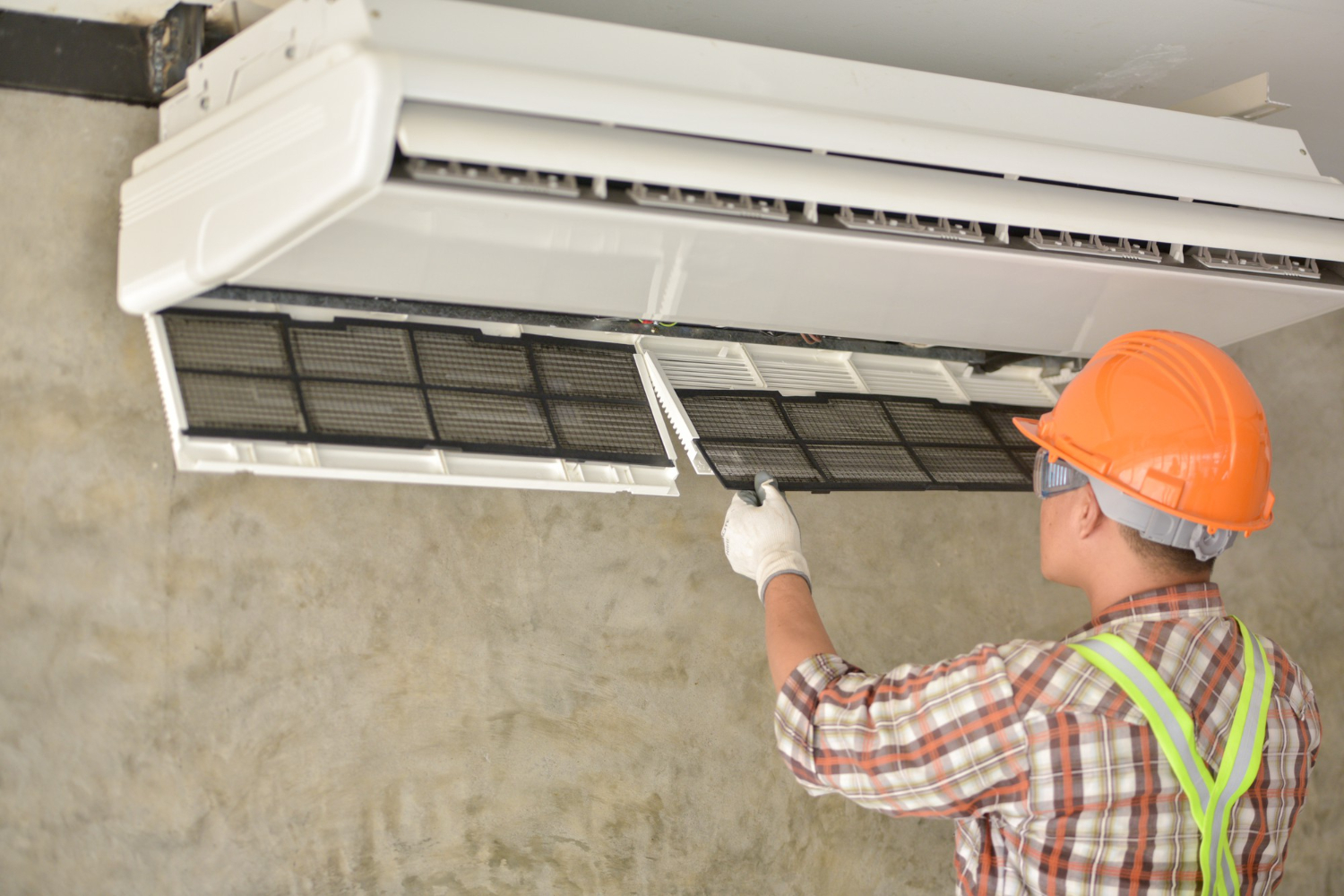
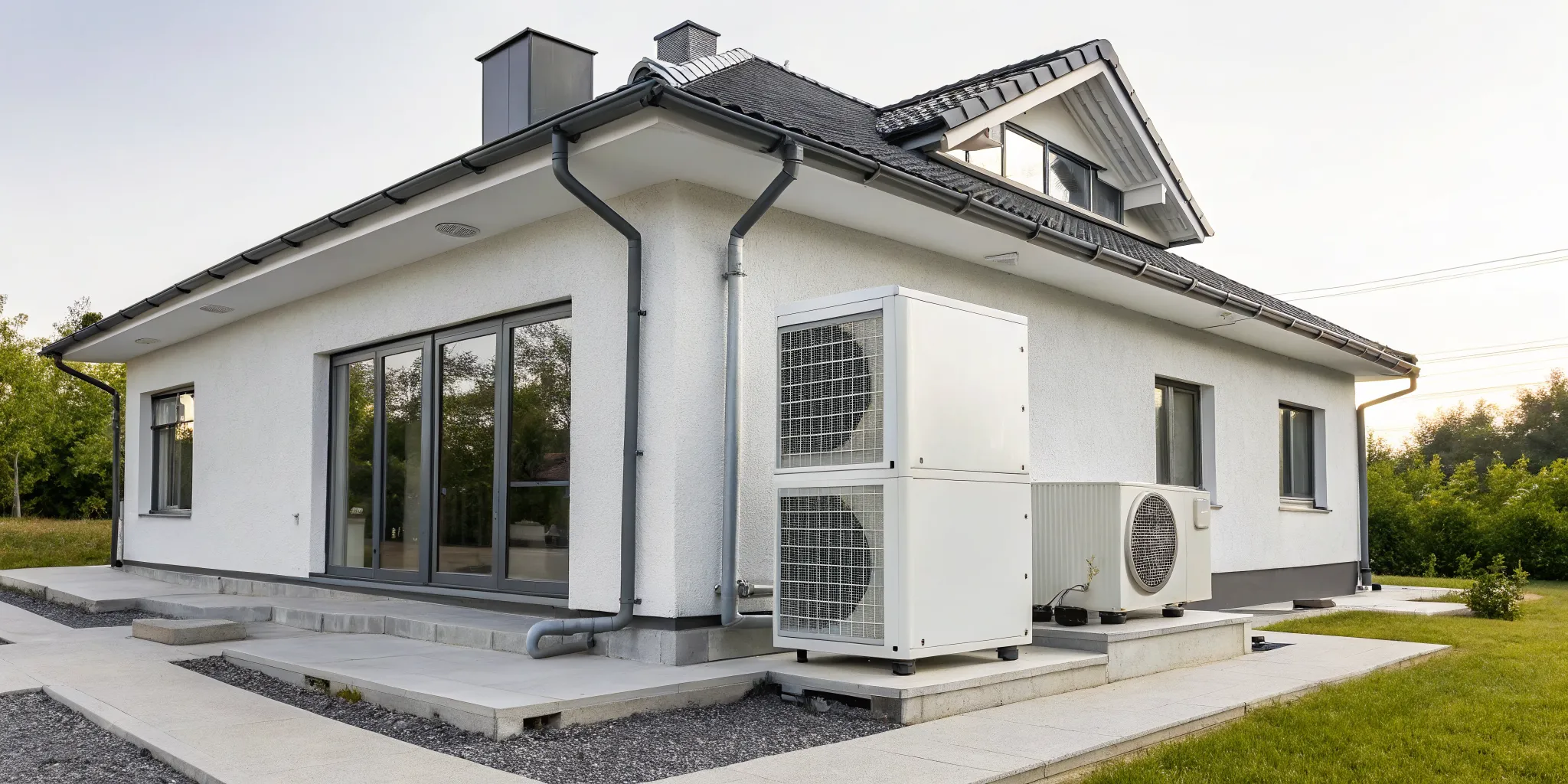
For a 1,000-square-foot home, getting the right HVAC system is all about balance. You need a unit that’s powerful enough to keep you comfortable during our hot Colorado summers but not so large that it wastes energy. This is why determining the new hvac system cost for a 1000 sq. ft. house requires a closer look. The best choice for your home might be a traditional central air unit, a flexible ductless mini-split, or an all-in-one heat pump. Each option comes with a different price point and unique benefits, and we’ll explore them all.
Key Takeaways
- Look beyond the sticker price: Your total cost is a combination of the system type you choose, its efficiency rating, and the condition of your home's existing ductwork, not just the price of the unit itself.
- Prioritize long-term value over initial cost: A more expensive, high-efficiency unit can lead to lower monthly energy bills, often making it the more economical choice over the life of the system.
- Your contractor choice matters most: The quality of the installation directly impacts your system's performance and longevity, so always get multiple quotes from licensed professionals to protect your warranty and your investment.
How Much Does a New HVAC System Cost for a 1,000 Sq. Ft. House?
Thinking about a new HVAC system for your 1,000-square-foot home is a big step, and the first question on everyone's mind is usually about the cost. While I'd love to give you a single, simple number, the truth is that the final price tag can vary quite a bit. The total cost depends on the type of system you choose, its efficiency rating, the condition of your existing ductwork, and even local labor rates here on the Western Slope. It's not a one-size-fits-all purchase.
Think of it less like buying a product off a shelf and more like a custom home improvement project. The price reflects not just the new equipment but also the expertise required for a safe and effective installation that will keep you comfortable for years. Factors like your home's insulation, window quality, and layout all play a role in determining the right system for you, which in turn affects the price. A home with lots of sun exposure might need a more powerful unit than a shaded one, for instance. To give you a clear idea of what to expect, let's break down the numbers. We'll look at average costs for different systems and what's typically included in an installation quote, so you can feel confident as you start planning your budget.
Breaking Down the Cost by System Type
The type of system you select is the biggest factor in your total cost. For a 1,000-square-foot house, which typically needs a 1.5-ton unit, replacing just the air conditioner can range from around $5,460 for a basic model to over $14,292 for a top-of-the-line, high-efficiency system. The average cost for a new AC system lands around $8,077. This price includes both the equipment itself, which can be between $4,935 and $8,933, and the professional labor to install it, which generally runs from $1,039 to $2,368. The specific system you choose will determine where you fall in that range.
What's Included in the Installation Cost?
When you receive a quote for a new HVAC system, it typically covers the cost of the equipment and the labor for the installation. However, there are other potential expenses to be aware of. Your final price can change based on the unique needs of your home. For example, if your existing ductwork is old or in poor condition, you might need repairs or a full replacement, which could add $1,500 to $3,000 to the project. Other common additions include permits, which can cost between $250 and $400, and upgrades like a smart thermostat. A new HVAC system cost calculator can help you get a preliminary estimate, but a professional evaluation is the only way to get a firm number.
What HVAC Systems Work Best for a 1,000 Sq. Ft. Home?
Choosing the right HVAC system for your 1,000-square-foot home involves more than just its size. While square footage is a great starting point for determining capacity, the best fit for your home on the Western Slope also depends on your home’s layout, insulation, existing ductwork (or lack thereof), and your budget. Do you have an older home with no ducts? Are you looking for an all-in-one system for heating and cooling? Answering these questions will help you find the perfect match.
Think of it like finding the right pair of hiking boots for our Colorado trails. You need something that fits perfectly, performs well in different conditions, and will last for years to come. The same goes for your HVAC system. From traditional central air to modern ductless units, each option offers unique benefits. Let's walk through the most common systems so you can feel confident about which one will keep your home comfortable all year long.
Central Air Conditioning Systems
If your home already has ductwork, a central air conditioning system is a straightforward and effective choice. These systems use a network of ducts to distribute cool air evenly throughout your entire home from a single outdoor unit. For a 1,000-square-foot house, you’ll typically need a 1.5-ton unit to get the job done right.
The cost can vary quite a bit, mainly depending on the system's energy efficiency, measured by its SEER2 rating. A higher rating means better efficiency. While a basic system is more affordable upfront, a high-efficiency model can lead to lower monthly energy bills. It’s a classic, reliable solution for whole-home comfort, and our team can help you find the right size and efficiency level for your specific needs.
Ductless Mini-Split Systems
What if your home doesn't have ductwork? Ductless mini-splits are a fantastic, flexible solution. These systems consist of an outdoor unit connected to one or more indoor units mounted on the wall or ceiling. Each indoor unit, or "zone," cools a specific area, allowing you to create different temperature zones throughout your home. This is perfect for older homes, additions, or even just for getting that one stubborn room to the right temperature.
Because you’re only cooling the rooms you’re using, they are incredibly efficient. For a 1,000-square-foot home, you might need two or three zones for complete coverage. As an exclusive Daikin dealer, we often recommend these for their quiet operation and room-by-room control.
Heat Pumps
A heat pump is a brilliant all-in-one solution that handles both your heating and cooling needs with a single, highly efficient system. In the summer, it works like an air conditioner, pulling heat out of your home. In the winter, it reverses the process, extracting heat from the outside air and moving it inside. They are especially effective in Colorado's climate.
For a 1,000-square-foot home, a heat pump is a great way to streamline your equipment and improve your home's energy efficiency year-round. Instead of maintaining a separate furnace and AC unit, you have one system doing all the work. This makes them a popular and practical choice for homeowners looking for long-term value and consistent comfort.
Dual Fuel Systems
A dual fuel system gives you the best of both worlds by combining an electric heat pump with a gas furnace. The system is smart, automatically switching between the two energy sources to give you the most efficient performance. On most cool days, the electric heat pump provides warmth. When the Colorado temperatures really drop, the powerful gas furnace takes over to ensure your home stays toasty.
This hybrid approach is ideal for our varied climate, guaranteeing you’re always heating your home in the most cost-effective way possible. While it’s a larger initial investment, a dual fuel system offers incredible efficiency and peace of mind, knowing you’re prepared for any weather.
Packaged HVAC Units
If indoor space is tight, a packaged HVAC unit might be the perfect fit. These all-in-one systems contain all the heating and cooling components in a single cabinet that sits outside your home, either on the roof or on a concrete slab. This frees up valuable closet or utility room space inside, which can make a big difference in a 1,000-square-foot home.
Packaged units are a compact and practical solution, especially for homes with limited indoor storage or unique layouts. They offer the same powerful heating and cooling you’d expect from a traditional split system but in one convenient package, making them a go-to for certain architectural styles and smaller properties.
What Factors Affect Your Final Installation Cost?
When you get a quote for a new HVAC system, you’re looking at more than just the price of the unit itself. The final number on your invoice is a combination of equipment, labor, and the unique characteristics of your home. Understanding these variables helps you see exactly where your money is going and why one quote might differ from another. Think of it less as a single price tag and more as a customized solution built just for you. Let's walk through the main factors that will shape your total installation cost.
System Size and Capacity
The size of your home is the first piece of the puzzle. As you might guess, bigger homes need stronger, more expensive systems to keep every room comfortable. For a 1,000-square-foot house, you won’t need the most powerful unit on the market, but getting the size just right is critical. A system that’s too small will run constantly without ever reaching the right temperature, while one that’s too big will cycle on and off too frequently. This short cycling is inefficient and causes unnecessary wear and tear. A professional load calculation is the only way to determine the perfect capacity for your home’s specific layout and needs.
Energy Efficiency Ratings (SEER2, AFUE, and HSPF)
HVAC efficiency is measured with a few key ratings. SEER2 (Seasonal Energy Efficiency Ratio 2) measures cooling efficiency, AFUE (Annual Fuel Utilization Efficiency) measures furnace efficiency, and HSPF (Heating Seasonal Performance Factor) applies to heat pumps. A unit with a higher rating uses less energy, which is great for your monthly utility bills. However, these high-efficiency models usually cost more upfront. It’s a classic trade-off: a higher initial investment can lead to significant long-term operational cost reductions. We can help you compare models and find the sweet spot between upfront cost and future energy use.
The Condition of Your Ductwork
Your HVAC system is only as good as the ductwork that distributes the air. If your existing ducts are old, leaky, or improperly sized, your new, efficient system won’t perform at its best. During an inspection, a technician will check the condition of your ductwork. In some cases, sealing and minor repairs are enough. In others, a partial or full replacement might be necessary to ensure proper airflow and efficiency. While this adds to the initial cost, it prevents you from losing heated or cooled air into your attic or crawlspace, making it a worthwhile investment.
Labor Rates on the Western Slope
The cost of labor is a significant part of any installation quote, and it reflects the skill, training, and insurance required to do the job safely and correctly. While our region doesn't have the same labor rates as major coastal cities, hiring a qualified, licensed professional is non-negotiable. At Cooley's, our technicians are highly trained professionals who ensure your system is installed according to manufacturer specifications and local codes. This commitment to professionalism protects your warranty, your home, and your investment. Choosing a cheaper installer often leads to costly repairs down the road.
Your Home's Age and Insulation
The age and construction of your home play a big role in heating and cooling. Older homes, especially those with original windows or poor insulation, lose conditioned air more quickly than modern, airtight houses. This means an older home might need a slightly larger or more powerful HVAC system to maintain a comfortable temperature, even if it has the same square footage as a new build. Improving your home's insulation and sealing air leaks can sometimes allow you to install a smaller, less expensive system and will reduce your energy bills for years to come.
Brand and Special Features
Just like with cars or appliances, HVAC brands come at different price points. Some brands cost more but might offer better features, longer warranties, or a stronger reputation for reliability. As an exclusive Daikin dealer, we stand by their quality and performance. Beyond the brand, you can also choose to add special features like advanced air filtration systems or zoning capabilities, which allow you to control the temperature in different rooms independently. These upgrades will increase the total cost but can also greatly improve your home's comfort and air quality, making them a valuable addition for many families.
HVAC Features That Are Worth the Upgrade
When you’re looking at a new HVAC system, it’s easy to focus on the main job: heating and cooling. But today’s systems offer so much more than just basic temperature control. Think of it like buying a car. The base model will get you from point A to point B, but features like cruise control, better seats, and a great sound system make the ride a lot more enjoyable. The same is true for your HVAC system.
Choosing the right upgrades can transform your home’s comfort, lower your monthly energy bills, and even improve your family’s health. These aren’t just flashy add-ons; they are powerful features that provide real, long-term value. Investing a little more upfront for the right technology can pay you back for years to come through greater efficiency and a more comfortable living space. At Cooley's, we help homeowners on the Western Slope find the perfect balance of features for their needs and budget. Let’s walk through some of the upgrades that are absolutely worth considering.
Variable Speed Technology
Most older HVAC systems are like a light switch: they are either fully on or completely off. Variable speed technology is more like a dimmer switch. Instead of blasting your home with air at full power until it hits the right temperature and then shutting off, a variable speed system runs continuously at lower, steadier speeds. This approach provides much more consistent heating and cooling, getting rid of those annoying hot and cold spots. Because the system isn't constantly starting and stopping, it uses significantly less energy, operates more quietly, and experiences less wear and tear. This means a longer lifespan for your equipment and more money in your pocket each month.
Smart Thermostat Compatibility
A smart thermostat is one of the easiest and most impactful upgrades you can make. These devices go far beyond manual temperature adjustments. They learn your family’s schedule and preferences, automatically adjusting the temperature for you. You can also control them from anywhere using an app on your phone, so you can turn up the heat on your way home from a chilly evening out. According to ENERGY STAR, using a smart thermostat correctly can make a noticeable difference on your annual energy bills. It’s a small change that adds a ton of convenience and control over your home’s climate and energy use.
Zoning Systems for Room-by-Room Comfort
Do you have a room that’s always too hot or a basement that stays cold no matter what? A zoning system is the perfect solution. This feature divides your home into different "zones," each controlled by its own thermostat. Dampers installed in your ductwork open and close to direct heated or cooled air only to the zones that need it. This means you can keep your bedroom cool for sleeping without freezing the rest of the house. This method provides tailored heating and cooling, which experts at organizations like ASHRAE note can improve both comfort and efficiency by not conditioning unused spaces.
Advanced Air Filtration
The air inside your home can be filled with dust, pollen, pet dander, and other microscopic particles. While standard HVAC filters catch the big stuff, they can miss these smaller irritants. Upgrading to an advanced air filtration system can dramatically improve your home’s indoor air quality. These systems use high-efficiency filters, like HEPA filters, to capture a much higher percentage of airborne pollutants. For families with allergies, asthma, or other respiratory concerns, this upgrade isn't just a luxury; it's a key component of a healthier home environment. You’ll breathe easier knowing your HVAC system is actively cleaning the air you and your family breathe every day.
Don't Forget These Additional Costs
When you're looking at quotes for a new HVAC system, it's easy to focus on the price of the unit itself. But that number is just one piece of the puzzle. Several other costs can pop up during the installation process, and being prepared for them will help you create a realistic budget without any last-minute surprises. Thinking about these factors ahead of time ensures your project goes smoothly and you get the most out of your new system from day one. Let's walk through some of the most common additional costs you should plan for.
Ductwork Repairs or Replacement
Your home's ductwork is like the highway system for your heated and cooled air. If those highways are full of potholes (leaks) or are poorly designed, your brand-new, high-efficiency HVAC unit won't be able to perform at its best. Old, damaged, or improperly sized ducts can lead to poor airflow, uneven temperatures, and wasted energy. A professional technician will inspect your ductwork and recommend any necessary repairs or, in some cases, a full replacement. This is a crucial step to ensure you’re getting all the efficiency and comfort you’re paying for with your new system.
Required Permits and Inspections
Installing a new HVAC system isn't a simple DIY project; it's a major home improvement that needs to meet local safety codes. Most municipalities on the Western Slope require a permit for this type of work. This process ensures that the installation is done correctly and safely by a licensed professional. While your contractor, like our team at Cooley's, will handle the paperwork and scheduling, the permit fee is typically included in your final bill. Think of it as an essential part of the process that protects your home, your family, and your investment by guaranteeing everything is up to code.
Smart Thermostat Installation
Upgrading to a smart thermostat when you install your new HVAC system is one of the best decisions you can make. These devices go far beyond just setting a temperature. They learn your household's patterns, adjust automatically to be more efficient, and allow you to control your home's climate from your smartphone. According to ENERGY STAR, a certified smart thermostat can help you manage your heating and cooling costs more effectively. It’s a relatively small upfront cost that provides convenience and can lead to noticeable reductions on your monthly energy bills, making it an upgrade that often pays for itself.
Old System Removal
Out with the old, in with the new! But getting the old system out isn't always as simple as just hauling it away. Your old HVAC unit needs to be safely disconnected and removed, which requires professional handling, especially when dealing with refrigerants that are regulated by the EPA. The cost of removal and proper disposal is often factored into your installation quote. This service ensures that your old equipment is taken care of responsibly and that your space is prepped and ready for the new, more efficient unit to be installed without a hitch.
Ongoing Maintenance Plans
A new HVAC system is one of the most significant investments you'll make in your home, and you want it to last. Just like your car needs regular oil changes, your HVAC system needs routine check-ups to run at peak performance. An ongoing maintenance plan is the best way to protect your investment. These plans typically include seasonal tune-ups, cleanings, and inspections to catch small issues before they become big, expensive problems. Regular upkeep not only extends the life of your system but also keeps it running efficiently and can be required to maintain your manufacturer's warranty.
Common Budgeting Mistakes to Avoid
Budgeting for a new HVAC system can feel like a big puzzle, but a little foresight goes a long way. It’s easy to get tripped up by a few common missteps that can cost you more down the road. Thinking about your purchase as a long-term investment in your home's comfort and efficiency is the best way to approach it. Let’s walk through some of the most frequent budgeting mistakes I see homeowners make and how you can sidestep them to make a confident, smart decision for your home.
Focusing Only on the Upfront Price
It’s so tempting to grab the lowest price tag, I get it. But with HVAC systems, the initial cost is only one part of the story. A less expensive unit might seem like a deal today, but if it’s not very efficient, you’ll pay the difference (and then some) on your monthly utility bills. More efficient systems often have a higher upfront cost, but their ability to reduce energy use means they can pay for themselves over time. Think of it as an investment that delivers comfort and lower bills for years to come, not just a one-time purchase.
Ignoring Efficiency Ratings
When you’re looking at different systems, you’ll see a lot of acronyms like SEER2, AFUE, and HSPF. It’s easy to let your eyes glaze over, but these ratings are your best clue to a system’s long-term cost. A higher rating means greater efficiency, which translates directly to lower energy consumption. While a high-efficiency model might be a bigger investment initially, the consistent reduction in your monthly bills adds up. Our team can help you understand the minimum efficiency standards for the Western Slope and find a unit that balances performance with your budget.
Choosing the Wrong System Size
When it comes to HVAC, size is everything, and it’s not as simple as matching square footage to a specific unit size. A system that’s too big will constantly turn on and off (a process called short cycling), which wastes energy and fails to properly dehumidify your home. A unit that’s too small will run constantly trying to keep up, leading to high bills and a worn-out system. A professional technician should perform a detailed load calculation to determine the perfect size for your home’s unique layout, insulation, and window placement, ensuring optimal performance.
Forgetting to Plan for Maintenance
Once your new system is installed, it’s easy to set it and forget it. However, budgeting shouldn’t stop on installation day. Just like your car needs regular oil changes to run smoothly, your HVAC system needs annual tune-ups to operate at peak efficiency and prevent costly breakdowns. Factoring in the small annual cost of a maintenance plan is a crucial step in protecting your big investment. Regular professional service extends the life of your system, keeps your warranty valid, and ensures it runs as efficiently as possible.
Settling for the First Quote
Getting your first quote can bring a sigh of relief, but it’s wise not to stop there. We always recommend getting a few estimates from different licensed contractors. This helps you get a feel for the fair market price in our area. More importantly, it allows you to compare what you’re actually getting for your money. Look past the final number and compare the proposed equipment, warranty details, and the company’s reputation. When you choose a contractor, you’re choosing a long-term partner for your home’s comfort, so make sure it’s a team you trust.
Upfront Cost vs. Long-Term Value
A new HVAC system is a significant home investment, and it’s easy to get sticker shock when you first look at prices. For a 1,000-square-foot house, a new system, including installation, typically ranges from $5,000 to $10,000. While it’s tempting to choose the unit with the lowest price tag, it’s important to think about the total cost of ownership, not just the initial bill. The upfront price is just one piece of the puzzle. A slightly more expensive, high-efficiency unit might actually be the more economical choice over its lifespan because it uses less energy every month.
Think of it this way: you pay for the system once, but you pay the utility bill every single month for the next 10 to 15 years. Over that time, a more efficient system can lead to substantial reductions in your energy bills, often offsetting the higher initial cost within just a few years. It’s all about balancing the immediate expense with the ongoing value you’ll get from reliability, comfort, and lower operating costs. Considering factors like efficiency ratings and expected lifespan will help you make a choice that benefits your home and your budget for years to come.
How Efficiency Affects Your Monthly Bills
The efficiency of an air conditioner is measured by its SEER2 (Seasonal Energy Efficiency Ratio 2) rating. Think of it like miles per gallon for your car: the higher the number, the less energy it uses to cool your home. While a system with a higher SEER2 rating might have a bigger price tag, it can lead to a noticeable drop in your monthly electric bills. Over the years, those lower payments can more than make up for the higher initial cost. This is especially true here on the Western Slope, where our hot summers keep AC units working hard. Choosing an energy-efficient system is a practical way to manage your household budget for years to come.
Comparing System Lifespans
Another key factor in long-term value is how long your new system will last. Most central air conditioners have a lifespan of about 12 to 15 years, while heat pumps last around 10 to 15 years. You can get the most out of your system by sticking to a schedule of regular maintenance, which helps it run efficiently and catches small issues before they become big, expensive problems. If your current system is more than a decade old, it’s likely not as efficient as it once was and may be more prone to breakdowns. Replacing an aging unit proactively can give you peace of mind and prevent a sudden failure during a summer heatwave.
Why Professional Installation Is a Must
When you’re investing in a new HVAC system, the temptation to cut corners on installation costs can be strong. But this is one area where going the DIY route or hiring a general handyman can lead to significant problems down the road. Professional installation isn't just about convenience; it's a critical step that ensures your system runs safely, efficiently, and effectively for years to come. Think of it as the foundation for your home's comfort. A proper installation protects your investment, your home, and your family.
From choosing the right-sized unit to ensuring every connection is secure and compliant with local codes, a certified technician handles details that are easy to miss but have a huge impact on performance. An expert knows how to work with electrical wiring, refrigerant lines, and ductwork safely, preventing potential hazards like electrical fires or carbon monoxide leaks. Our team at Cooley's is trained to manage every aspect of the installation process, giving you peace of mind that the job is done right the first time. Investing in a professional installation is the single best thing you can do to get the most out of your new HVAC system.
How Proper Sizing Prevents Problems
Choosing the right size HVAC unit is more complicated than just matching the square footage of your home. A system that's too small will run constantly without ever reaching the desired temperature, driving up your energy bills and causing premature wear. On the other hand, a system that's too large will cycle on and off too frequently. This not only wastes energy but also fails to properly dehumidify your home, which can lead to a damp, uncomfortable feeling. As experts note, choosing the right size AC unit is essential for it to work well and use less energy. A professional performs a detailed calculation to find the perfect fit for your home's unique layout, insulation, and climate.
Protecting Your Warranty and Ensuring Compliance
Most HVAC manufacturers require their systems to be installed by a licensed professional for the warranty to be valid. Attempting a DIY installation could void a warranty that might otherwise cover expensive repairs down the road. Beyond the warranty, there are significant safety concerns. A new HVAC system involves complex electrical wiring and potentially gas lines. For this reason, home improvement experts agree you should "always hire a pro for new HVAC installation" because of the inherent dangers. A certified technician ensures your system is installed safely and meets all local building codes, protecting both your investment and your family.
What to Expect on Installation Day
When you work with a professional contractor, the process should be clear and straightforward. Before installation day, a technician will visit your home to perform a thorough assessment and provide a detailed, written quote. This is a great time to ask questions and understand the scope of the work. On the day of the installation, the team will arrive with all the necessary equipment. They will take care to protect your home, remove the old system, and install the new one according to manufacturer specifications and local codes. After the installation is complete, they should walk you through the new system and explain how to operate your new thermostat.
How to Get the Best Value on a New HVAC System
Get a Few Different Estimates
When you’re making a big purchase, you shop around, and a new HVAC system should be no different. I always recommend getting at least three written estimates from different HVAC contractors. This isn't just about finding the lowest price; it helps you compare the equipment they recommend, the scope of work, and their warranties. A super low bid might mean they're cutting corners on parts or labor. A detailed, professional estimate shows transparency and gives you a clear picture of what you’re paying for. Use this opportunity to ask questions and get a feel for their customer service and expertise.
Ask About Rebates and Incentives
This is one of my favorite tips because it’s like finding free money. Many utility companies and government programs offer rebates for installing high-efficiency HVAC systems, which can significantly lower your out-of-pocket cost. A knowledgeable contractor will be up-to-date on current offers and can even help with the paperwork. You can also do your own research by checking a database of state and federal incentives to see what you might qualify for. It’s a simple step that can make a big difference in your budget, allowing you to get a better system for less.
Explore Your Financing Options
A new HVAC system is a significant expense, and paying the full amount upfront isn't always ideal. Don't let that stop you from getting the high-quality, reliable system your home needs. Many reputable HVAC companies offer financing plans that allow you to spread the cost over time with manageable monthly payments. This can make it much easier to afford a more energy-efficient model that will pay you back over time. When you’re getting estimates, just ask what financing options are available. It’s a common practice, so don’t feel shy about bringing it up.
Choose a Trusted Western Colorado Contractor
The quality of your installation is just as important as the unit itself. A poorly installed system will never perform at its peak, will be less efficient, and can even fail prematurely. That’s why choosing a reputable, local contractor is non-negotiable. Look for a company that is licensed, insured, and has a long history of serving communities on the Western Slope. Check their reviews and make sure they provide a written guarantee on their work. A contractor with deep local roots understands our unique climate and can recommend the best HVAC solutions for your home, ensuring it runs perfectly for years to come.
Related Articles
- HVAC Maintenance Service Cost: What to Expect
- Mini Split Cost for 1000 sq ft: A Full Breakdown
- Is an HVAC Tune-Up Worth It? A Pro Explains
- The 7 Top HVAC Brands: An Expert's Guide
Frequently Asked Questions
Why can't I get a single, flat-rate price for a new HVAC system? I wish it were as simple as buying an appliance off the shelf, but an HVAC system is a custom fit for your home. The final cost depends on so many unique factors, like the type and efficiency of the unit you choose, the condition of your existing ductwork, and even your home's specific layout and insulation. A professional needs to see the space to give you an accurate number, ensuring the system is sized correctly to run efficiently and keep you comfortable for years.
How do I know if I need a simple AC replacement or a more complex system like a heat pump or mini-split? A great way to start is by looking at what you already have and what you want to achieve. If your home has good ductwork and you're just looking for cooling, a central AC replacement is a straightforward choice. However, if you're also thinking about upgrading your heating, a heat pump is a fantastic all-in-one solution. For older homes without ducts or for rooms that are hard to cool, a ductless mini-split offers incredible flexibility and efficiency.
I'm on a tight budget. Is it a mistake to choose a less expensive, standard-efficiency model? Not necessarily. The most important thing is to get a quality system that is installed correctly. A standard-efficiency unit from a reputable brand can still be a great choice, especially if the upfront cost is a major concern. The key is to balance the initial price with the long-term operating costs. We can help you compare the estimated monthly energy use of different models so you can see the full picture and make a decision that feels right for your budget both now and in the future.
My house is pretty old. Will that make my installation a lot more expensive? It can, but not always. The age of your home often brings a few extra considerations to the table. For instance, we'll need to carefully inspect your ductwork for leaks or damage, as well as check your home's insulation levels. Sometimes, older homes require electrical upgrades to support a modern system. While these things can add to the cost, addressing them during installation ensures your new, efficient system can actually perform at its best, which is a smart investment.
Besides getting multiple quotes, what's the most important thing to look for in an HVAC contractor? Look for a contractor who feels like a long-term partner for your home's comfort. This means choosing a licensed and insured company with a strong, positive reputation in our local community. A great contractor will take the time to answer all your questions, explain your options clearly without pressure, and provide a detailed written estimate. Their focus should be on finding the right solution for you, not just making a quick sale.